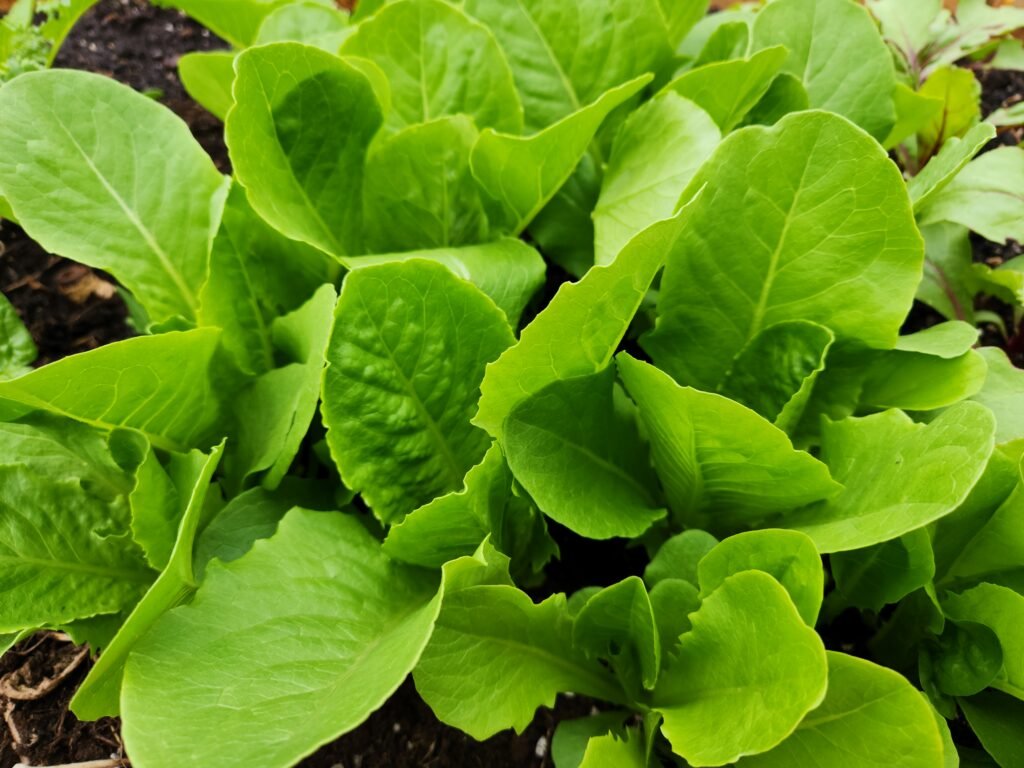
Growing lettuce is one of the easier things to do in a garden. Whether you are looking to add some greens to your salad or make a sandwich, growing lettuce is a perfect choice. Lettuce grows so simply from seed that you can easily do it at home. In this blog post, we’ll guide you through the process of starting lettuce from seed and caring for it until harvest.
This post contains affiliate links. If you use these links to buy something we may earn a commission. Thanks.
What Lettuce Seed Variety Should You Grow?
Before you start planting, you need to choose the right variety of lettuce. There are many different types of lettuce, and each one has its own unique flavor and texture.
Some popular varieties include Butterhead, Romaine, Iceberg (also known as Crisphead) and Looseleaf lettuce. Our personal favourite is Romaine. It’s great for sandwiches and salads and it is the one we’ve had the most success with.
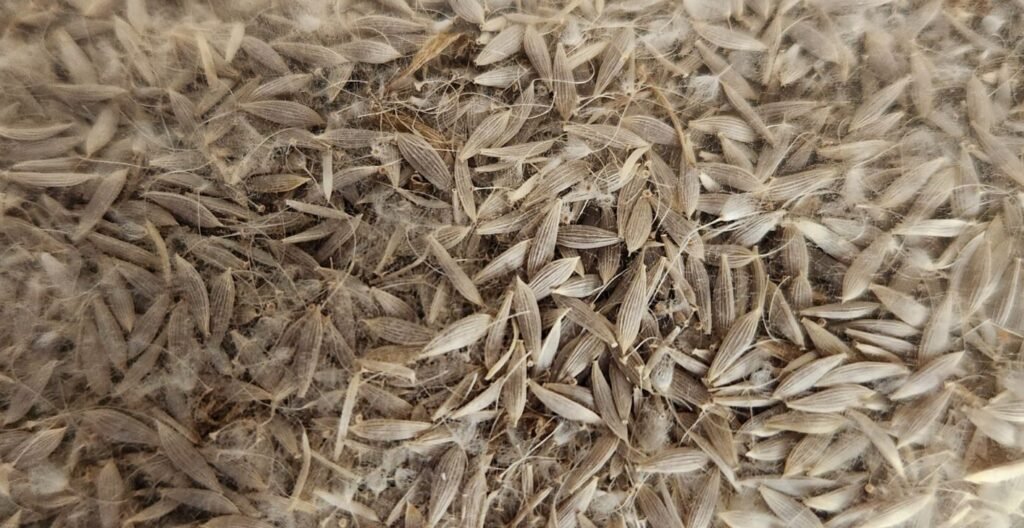
How To Start Lettuce Seeds?
Once you’ve chosen the type of lettuce you want to grow, it’s time to plant the seeds. You can either start your seeds directly in the garden or start them indoors to get a bit of a head start.
Many of these early greens benefit from basic greenhouse gardening tips for beginners, especially when temperatures are still unpredictable.
How To Start Lettuce Seeds Indoors?
- Plan on starting your lettuce seeds indoors about 4 weeks before you plan on planting them outside.
- Choose a pot or container with drainage holes or make soil blocks.
- Fill the container with a high-quality potting mix. Make sure the soil is moist but not too wet.
- Place 2 or 3 seeds in the middle and lightly cover with soil.
- Water the soil gently, being careful not to dislodge the seeds.
- Place the container in a warm, sunny spot where it will receive at least 6 hours of sunlight each day.
- Keep the soil moist, but not waterlogged.
- After about 5-7 days, you should start to see sprouts.
- When seedlings are about 2cm or 1inch in high thin so that only the best plant is left in each pot.
- Sow more Lettuce every 2-3 weeks for a consistent harvest.
How To Direct Sow Lettuce Outdoors?
- Find a sunny spot in your garden that gets at least 6 hours of sun.
- Check your soils pH level. Lettuce prefers slightly acidic soil in the range of 6.0-6.5. We use this soil tester to test our soils pH levels.
- make a small shallow trench with your finger spacing each row about 6 inches apart.
- Scatter the lettuce seeds in the trench, making sure to space them out as evenly as possible.
- Cover the seeds with a thin layer of soil. Don’t bury them too deep, as lettuce seeds need light to germinate.
- Keep the soil evenly moist until germination.
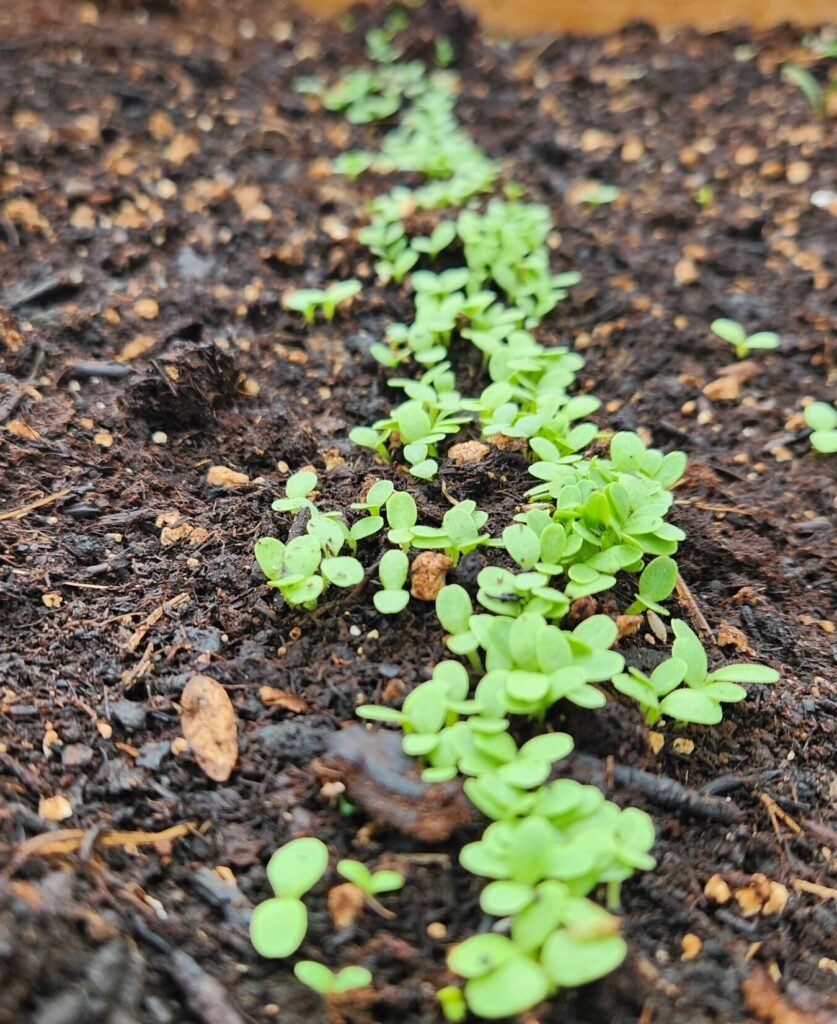
How To Transplant Lettuce Seedlings?
If you sowed your lettuce seeds in their final resting place you can skip this part and move on to how to care for your lettuce. If you started your lettuce in a small container and need to transplant it, here’s how:
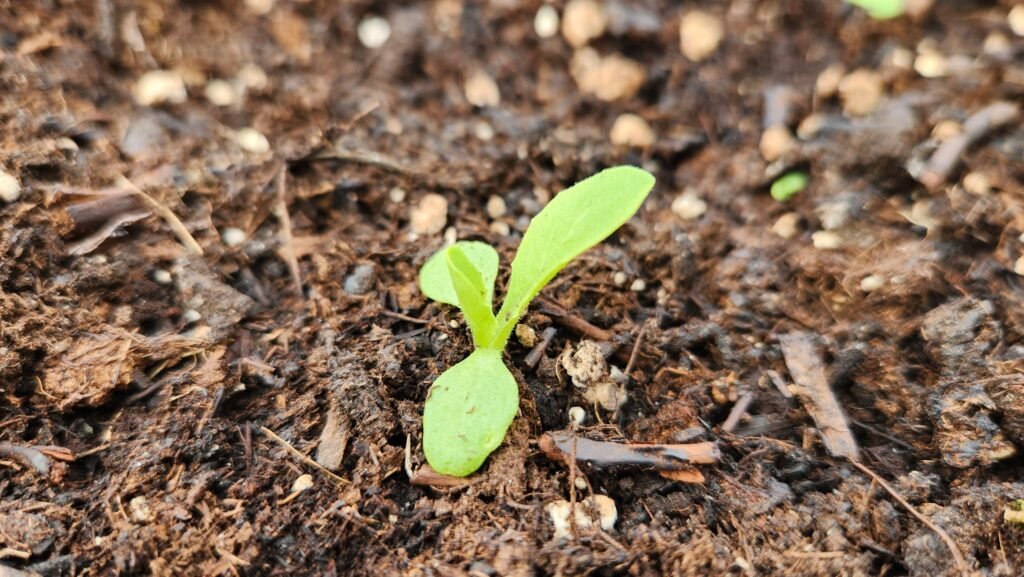
- Timing: Lettuce prefers cool weather and will bolt when temperatures get to high. They can be transplanted outside mid spring. We put ours out 2 weeks before our last frost date, around April 20th.
- Location: Same with direct sowing, you want to find a spot that gets at least 6 hours of sun a day. The perfect spot would give your plants 6 hours of morning sun and some shade during the hotter afternoon hours.
- Spacing: Plant each seedling 4-6 inches apart if you plan on harvesting just the outside leaves. If you plan on letting your lettuce grow into a full head, plant them 10-12 inches apart.
How To Care For Your Lettuce?
Once your seedlings have started to grow, it’s important to care for them properly to ensure a healthy harvest.
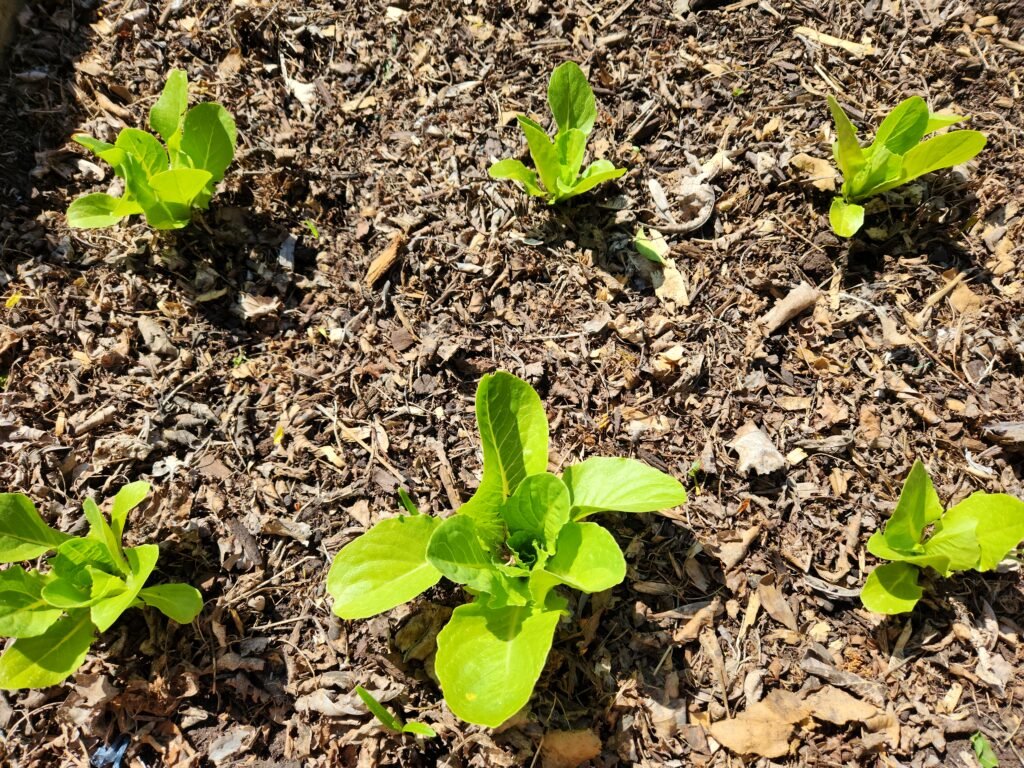
- What temperature can lettuce tolerate?: They can tolerate temperatures as low as 25ºF (-4ºC) and might be in danger of damage if it gets colder than that. Once temps get above 80ºF (26.5ºC) lettuce will tend to bolt and go to seed.
- Watering: Lettuce plants need consistent moisture to grow, so make sure to water them regularly. Avoid watering the leaves, as this can lead to rot and disease. Instead, water the soil around the base of the plant.
- Fertilizing: Lettuce plants don’t require a lot of fertilizer, but you can add some organic compost or a balanced fertilizer to the soil every few weeks to help them grow.
- Light: Lettuce plants need at least 6 hours of sunlight each day to grow properly. If you don’t have a sunny spot, you can use grow lights to supplement the natural light.
- Thinning: Once your lettuce plants have grown a few inches tall, you may need to thin them out to give each plant enough space to grow. Simply remove the weaker plants, leaving about 6 inches of space between each plant.
How To Harvest Lettuce?
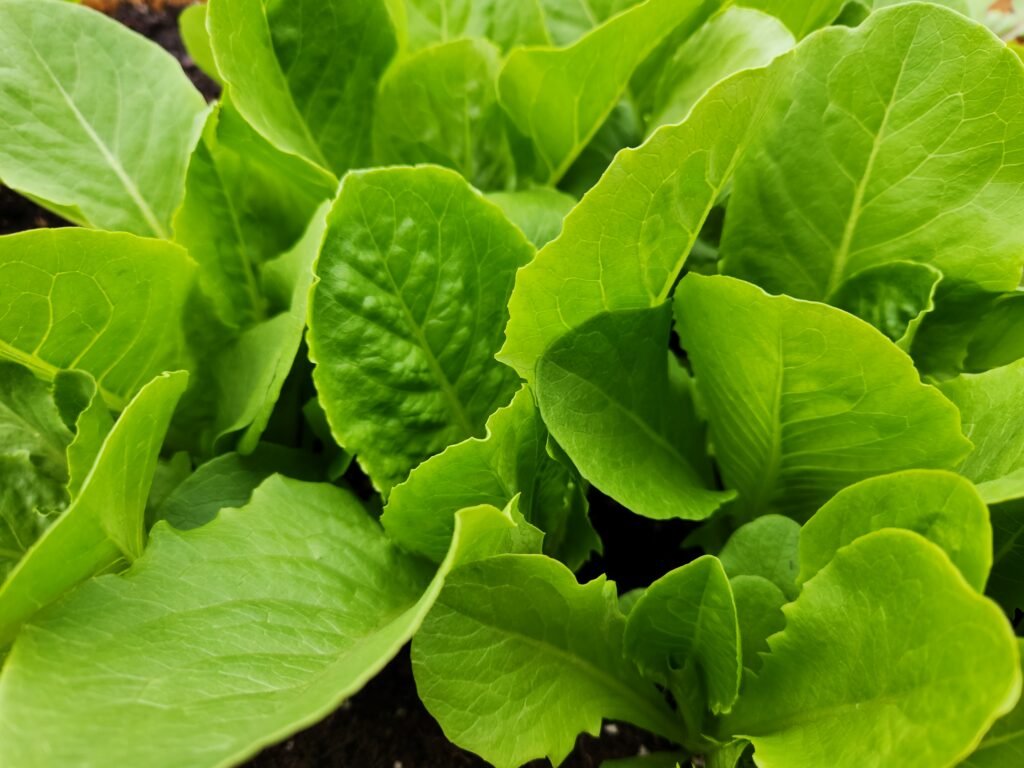
Lettuce plants typically take 4-6 weeks to reach maturity. Once the leaves are large enough to eat, you can start harvesting your lettuce. Here’s how:
- Use a sharp knife or scissors to cut the outer leaves of the plant.
- Leave the inner leaves intact so that the plant can continue to grow.
- Rinse the leaves under cold water and pat them dry with a paper towel.
- Enjoy your fresh, homegrown lettuce in a salad or sandwich!
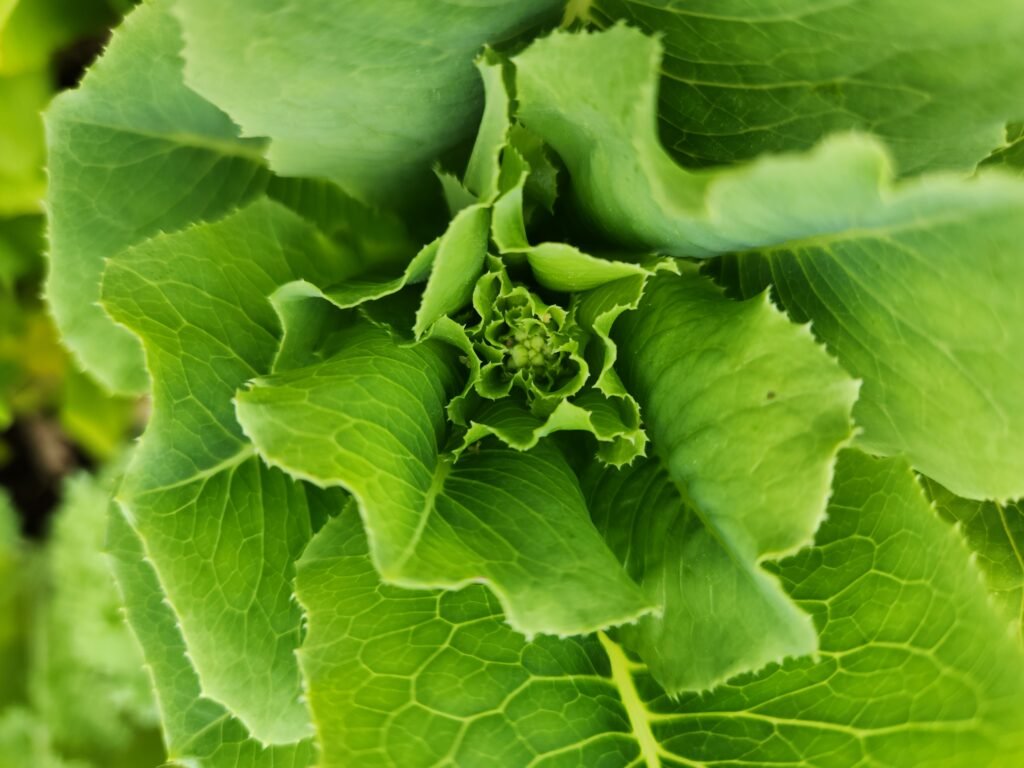
If your lettuce stays in the garden too long either by accident or on purpose it will start to bolt and flower. We do this on purpose every year to harvest some fresh seeds from the lettuce varieties we enjoy to replant next season. We have a “How to save lettuce seeds” guide if you’re interested in learning this skill as well.
FAQ: Growing Lettuce From Seed to Harvest
Absolutely. Lettuce grows very well in containers, window boxes, or small raised beds. Choose a pot at least 6 inches deep, ensure it has drainage holes, and keep the soil consistently moist. Container-grown lettuce often stays cleaner and is easier to harvest. Lettuce is part of our Best Balcony Vegetables for Beginners: Easy Plants for Small Spaces.
Leggy seedlings usually mean they aren’t getting enough light. Move them closer to a sunny window, add a grow light, or lower your existing grow light so it sits 2–4 inches above the seedlings.
Container grown lettuce dries out faster than garden beds. Check moisture daily, water when the top inch of soil feels dry. In hot weather, you may need to water once or even twice per day.
Common lettuce pests include aphids, slugs, cutworms, and leaf miners.
Yes, most lettuce varieties can tolerate a light frost. If a hard freeze is coming, cover plants with frost cloth, an overturned bucket, or a cold frame for protection.
Bolting is triggered by heat and long daylight hours. To delay it: Plant in early spring or late summer, provide afternoon shade, keep the soil consistently moist, and choose bolt-resistant varieties.
Yes! If you harvest by cutting outer leaves, the plant will continue producing. You can also cut the whole plant 1 inch above the soil, many varieties will regrow a smaller second head.
Definitely. With a small grow light setup, lettuce can thrive indoors all year. Choose compact or loose leaf varieties and keep them in a cool room for best results.
Conclusion:
Growing lettuce from seed to harvest is a simple and rewarding process that provides fresh, homegrown greens for your table. With the right soil, proper watering, and ideal growing conditions, you can enjoy a continuous supply of crisp, flavorful lettuce throughout the season. Whether you’re planting in garden beds, containers, or indoors, lettuce is a versatile and beginner-friendly crop that thrives with minimal effort.
Start your lettuce-growing journey today, and enjoy the satisfaction of harvesting your own nutritious greens right at home!
We hope you enjoyed this growing guide. If you did make sure you check out the other growing guides, seed saving guides and our recipes. We are growing our website with more articles all the time, and we invite you to grow with us. If you have any questions about lettuce or would like to share some of your knowledge with us please leave a comment below.