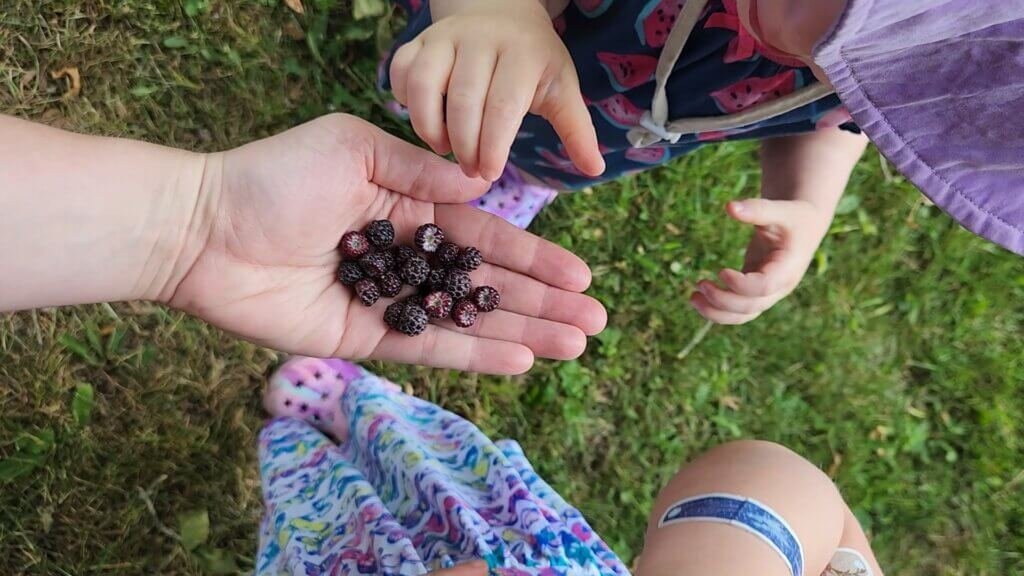
Wild black raspberry plants are a treasure in the landscape. They offer berries with deep flavor, incredible color, and vigorous growth that often outperforms cultivated types. If you are lucky enough to have them on your property, or you want to introduce them intentionally, they can become a long-term, productive fruit patch with the right care.
This guide explains everything you need to know about the wild black raspberry plant, including how to identify it, how to start cultivating wild black raspberries, how to manage their natural growth habits, and the exact pruning steps they need for reliable harvests.
This post contains affiliate links. If you use these links to buy something we may earn a commission. Thanks.
What Makes a Wild Black Raspberry Plant Unique?
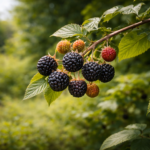
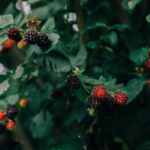
Wild black raspberries (Rubus occidentalis) are native across much of North America. They are often confused with blackberries or dark red raspberries, but they are entirely their own thing.
Flavor and Fruit
Wild black raspberries have:
- Intensely sweet, wine-like berries
- Smaller fruit than cultivated black raspberry varieties from nurseries
- Hollow centers when picked (a key identifier)
Growth Habits
Because they’re a wild species, a wild black raspberry plant grows different than cultivated varieties. These key traits make them both persistent (they survived and fruited during a summer of drought for me) and easy to use for propagation (like gifts to friends and family members).
- In arching, looping canes
- With heavy vigor
- With a tendency to root wherever the cane tip touches soil
Habitat Preference
Black raspberry plants naturally grow along: Forest edges, road ditches, abandoned fields and shady or partially shaded slopes. They tolerate imperfect soil far better than cultivated raspberries.
On our own property, they grow on all of our forest edges and I’ve seen them along shaded slopes in busy areas in my town.
Identifying a Wild Black Raspberry Plant
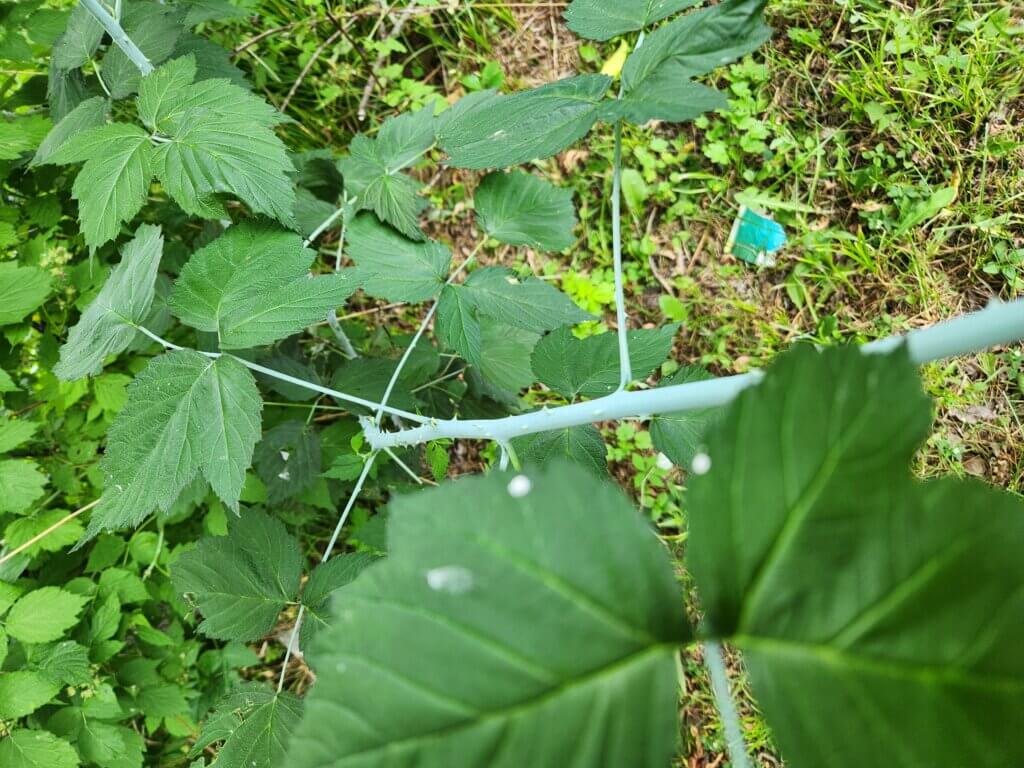
Before growing wild black raspberries intentionally, make sure the plant you have is the real thing. Look for these key identifiers:
- Blue-gray, powdery stems
- Small prickles instead of large thorns
- Berries that pull off with a hollow core
- Canes that form gentle arcs
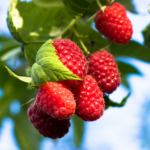
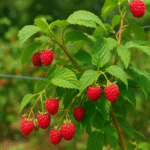
Blackberries will have solid cores and thicker thorns, while red raspberries will have reddish or greenish canes.
Wild Black Raspberries vs Black Raspberries: Key Differences
This is where most gardeners get confused. Wild black raspberry plants are not the same as the cultivated varieties you buy from nurseries.
Growth Habit
- Wild: Very fast-spreading, aggressive root-tip layering, more arching and sprawling.
- Cultivated: More controlled growth; breeders select for manageable canes and predictable structure.
Berry Size & Yield
- Wild: Smaller berries but a more intense, concentrated flavor.
- Cultivated: Larger berries, higher yields, bred for size and uniformity.
Disease Resistance
- Wild: Naturally tough and resistant to many fungal diseases.
- Cultivated: Generally good resistance but still more vulnerable than wild types.
Management Needs
- Wild: Must be pruned consistently to prevent takeover. (Which is a good problem to have – I don’t think raspberries are invasive, but some people do. Read more about raspberry invasiveness).
- Cultivated: More predictable, easier to train on trellises.
Wild black raspberries are just one type of raspberry that grows well in Zone 5. If you’re comparing red raspberries, black raspberries, and wild black raspberries, our complete guide to growing raspberries in Zone 5 explains how each variety grows and which may be best for your property.
How to Start Cultivating Wild Black Raspberries
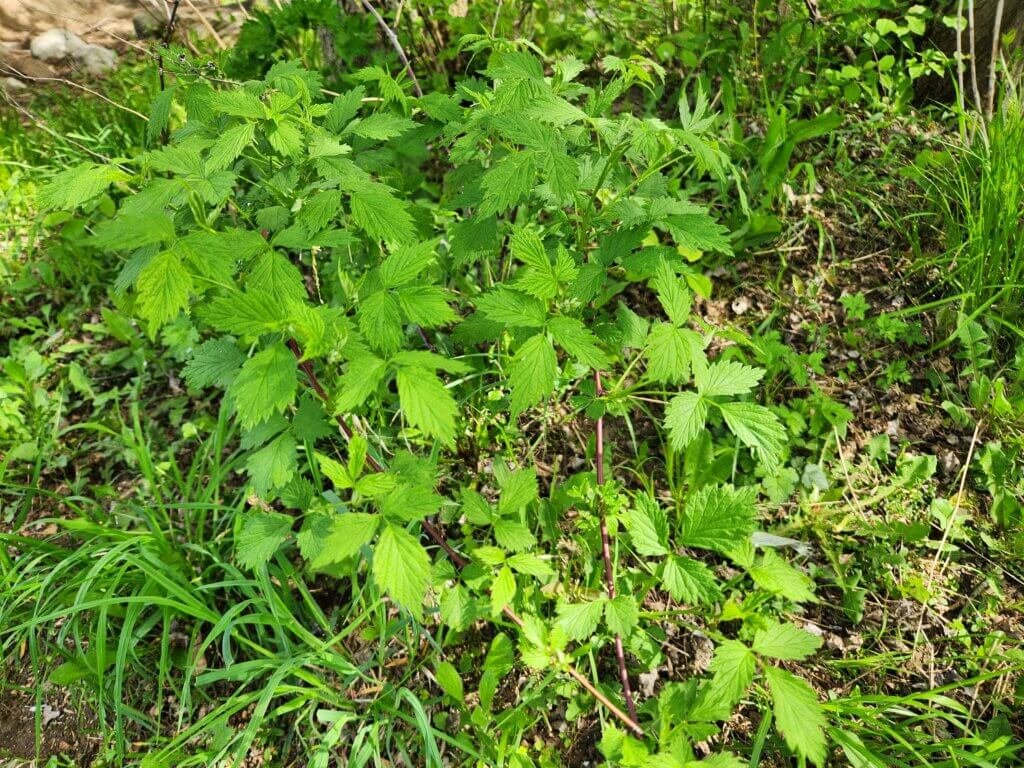
If your goal is cultivating wild black raspberries from existing patches, the process is simple and very rewarding.
Choose a Protected Growing Area
Wild black raspberry plants prefer: morning sun and afternoon shade, well-draining soil, good airflow, and space away from red raspberries to prevent disease spread. If you are transplanting them, dig young canes in early spring or fall. I’ve seen mid-season transplants also do well (my brother in-law took some in July and transplanted them when they got home). They’re still thriving to this day. Wild black raspberries are such a tough variety.
Soil Preparation
They grow in rough soil, but they thrive with the normal amendments: compost mixed into the top layer, mulch around the base and the typical neutral to slightly acidic soil berries love. Try to avoid soggy or compacted areas for optimal growth.
These wild canes will take off the first season.
Growing Wild Black Raspberries Through the Season
Once established, growing wild black raspberries only requires a few consistent habits.
Watering
Wild plants are drought tolerant, but fruit is better with a weekly deep watering in dry spells. If they don’t have enough moisture during droughts, the plants will dry out and not produce fruit. Extra moisture during berry development is essential. Even though they’re wild black raspberry plants, doesn’t mean you can’t help them along with some mulching to ensure the plant retains water. But it’s not necessary. the wild varieties and stronger and hardier plants than ones purchases from nurseries.
Fertilizing
Since they evolved to thrive in poor soils, if you want to fertilize, do so lightly. One spring application of compost is usually enough. For most fruiting plants, avoid high nitrogen fertilizers, which create excess foliage. We typically use a simple 20 20 20 fertilizer.
Mulching and Weed Management
Mulching is a key best practice for optimal growing success. I’ve tried without it and with it – and the results are noticeable. You can still grow fine without mulching, but with mulching you’ll see less weeds and better growth patterns.
Mulching:
- Conserves moisture in the soil
- Prevents fungal issues from moist soil touching the plant
- Keeps competing weeds back and unable to germinate.
- Mulching Garden Beds: Best Practices & Common Mistakes
Keep the base of each cane open for airflow.
Pruning Wild Black Raspberries
Pruning wild black raspberries is the key step for healthier plants and larger harvests. Without it, they become tangled, disease prone, and produce fewer berries.
Summer Tip Pruning
This is the most important step.
In mid-summer:
- When new primocanes reach 24 to 30 inches, snip the top inch off
- This forces side branches
- Side branches hold most of next year’s berries
Tip pruning also keeps the wild black raspberry plant from rooting wherever it touches the ground.
Fall Pruning
In late fall:
- Remove the dark, woody floricanes that fruited that summer
- Thin remaining canes to 4 or 5 of the strongest per plant
- Shorten side branches to about 12 inches
This keeps the patch open and productive.
Winter Cleanup
In late winter or very early spring:
- Remove any winter-damaged tips
- Reattach canes to the trellis
- Ensure airflow is clear around the plant
- Pruning Raspberries: Step-by-Step for Each Variety
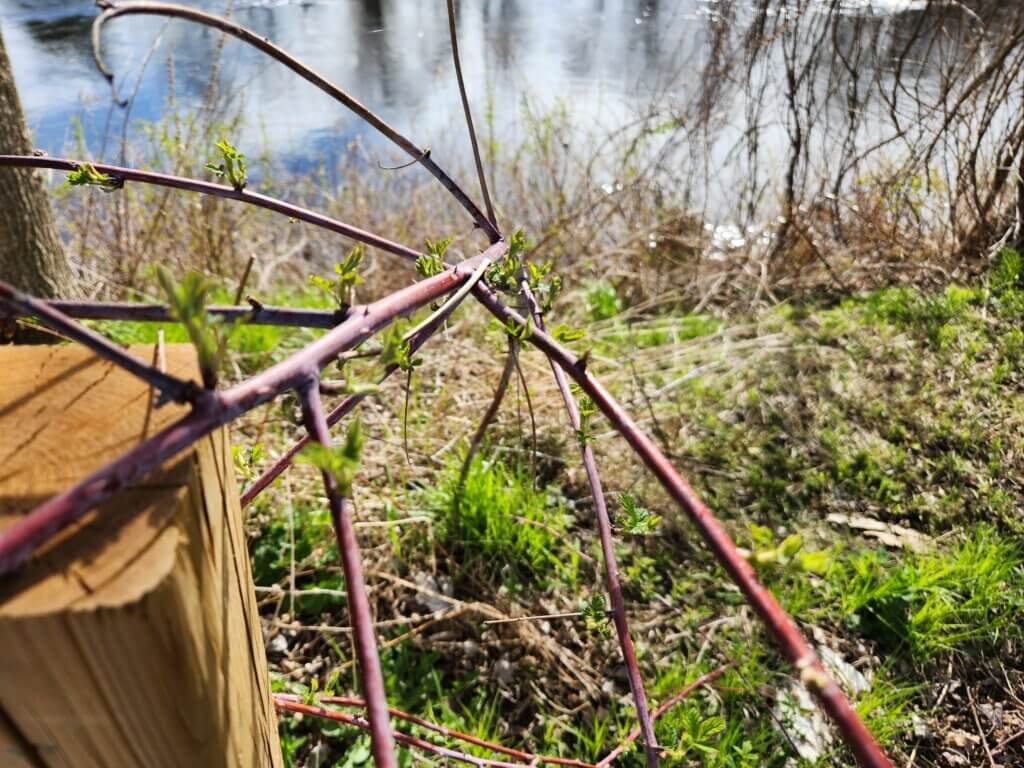
Managing Wild Black Raspberry Plants
Wild black raspberry plants spread by:
- Rooting cane tips. Sometimes called ‘walking’.
- Underground suckering (less than red raspberries, but still possible).
If you wish to control them, these are some tips:
- Mowing borders so tips can’t root.
- Using a contained bed or raised row.
- Regularly trimming any cane touching the ground.
Common Problems and How to Handle Them
Wild plants tend to be tougher than cultivated ones, but some issues still appear.
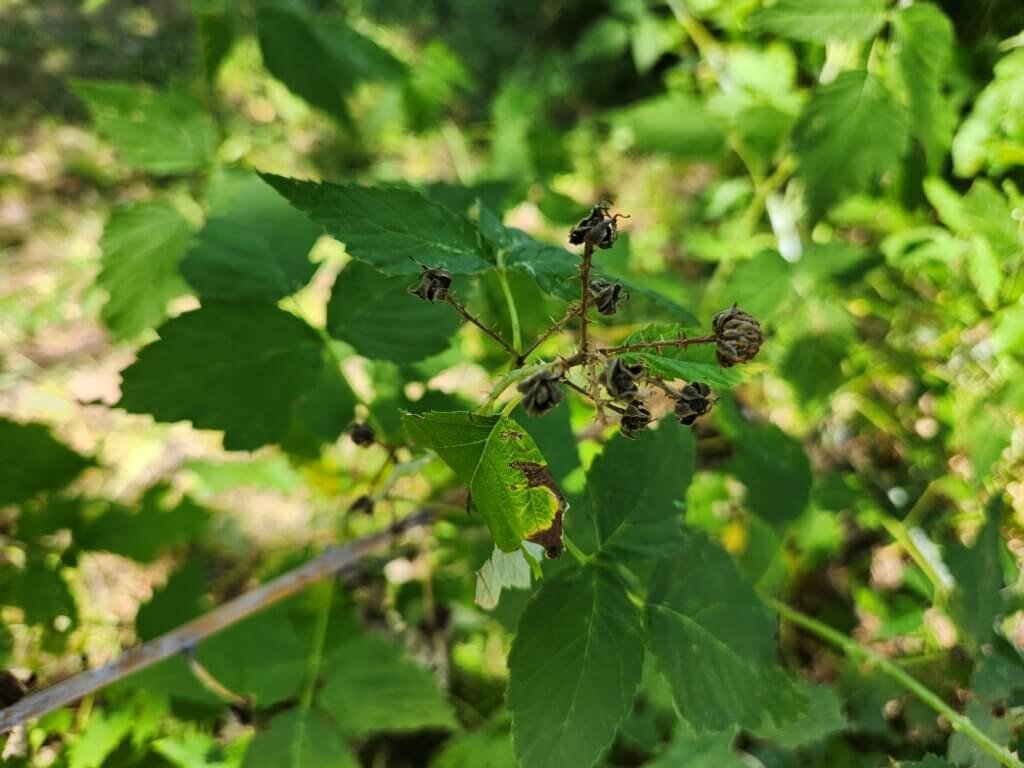
Anthracnose and Cane Blight
Best prevention: good airflow, annual pruning, and avoid overhead watering as it can get fungal disease.
Birds
They love wild black raspberries even more than you do. It’s tough to watch your patch get eaten.
- Use netting if needed (this worked well for me!).
- Harvest daily (especially early morning) during peak season.
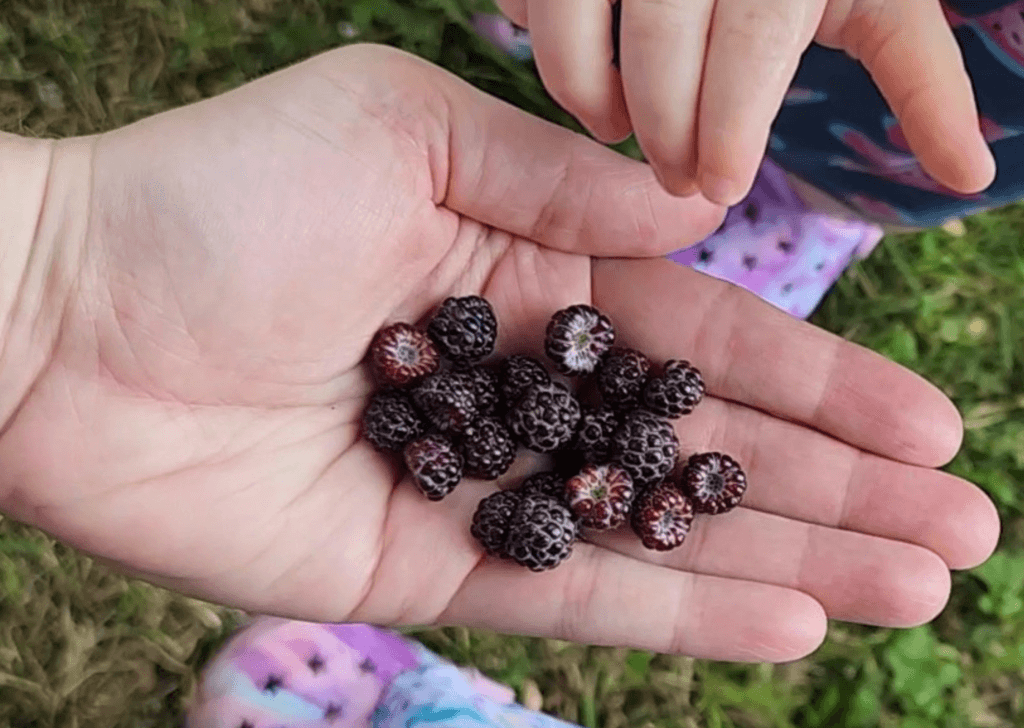
Harvesting Wild Black Raspberries
The harvest is one of the best parts of growing wild black raspberries.
Harvest Time:
- Early to mid July peak harvest
- Smaller berries but unbelievable flavor
- A hollow center when they are fully ripe
- Berries that slip off the core easily when ready
For Preserving:
- Freeze on a baking sheet
- Use in jams, pies, syrups, and homemade wine
FAQ on Wild Black Raspberry Plants
Yes it’s possible to grow in containers If you manager their roots. You need a big pot and well draining soil along with a trellis for their canes. Watering is necessary to produce fruit.
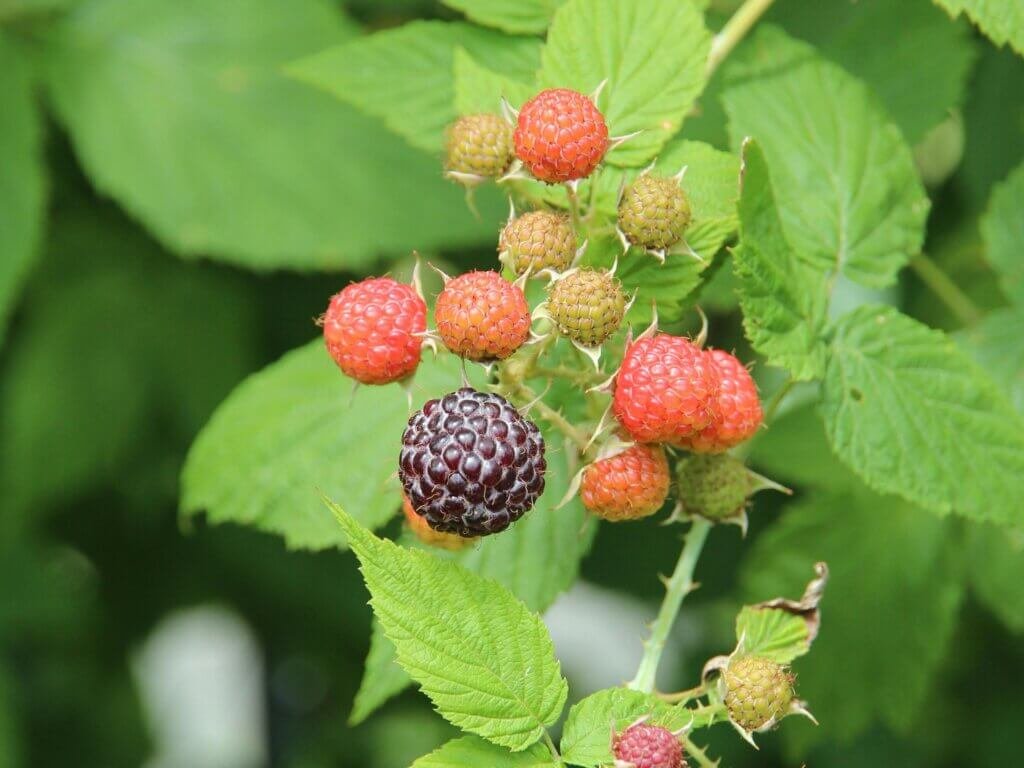
Raspberry Articles
Looking for a complete overview of raspberry growing? Start with our How to Grow Raspberries in Zone 5: The Complete Growing Guide before diving into specific raspberry varieties.
Want to learn more about raspberries? Here’s all our related content:
- How to Grow Red Raspberries (Summer Bearing & Fall Bearing)
- How to Grow Black Raspberries (Complete Care & Pruning Guide)
- What’s the Difference Between Wild Black and Black Raspberries?
- Pruning Raspberries: Step-by-Step for Each Variety
- Are Raspberries Invasive? The Answer Might Surprise You
- Raspberries or Strawberries – Which Is the Better Fruit to Grow?
- Raspberry Leaf Tea Benefits: A Complete Herbal Guide
Final Thoughts
A wild black raspberry plant is one of the easiest fruits to grow and one of the most rewarding. With simple pruning and basic seasonal care, these plants can produce for 10 to 15 years or longer. Whether you are cultivating wild black raspberries from your land or transplanting them intentionally, you will enjoy their rich flavor and natural resilience for years to come.
If you’re growing berries at home, you can explore all of our hands-on advice in our Berry Growing Guides, based on what actually works here on our homestead.
We are growing our website with more articles all the time, and we invite you to grow with us. If you have any questions about raspberries or would like to share some of your knowledge with us please leave a comment below. Happy Gardening!