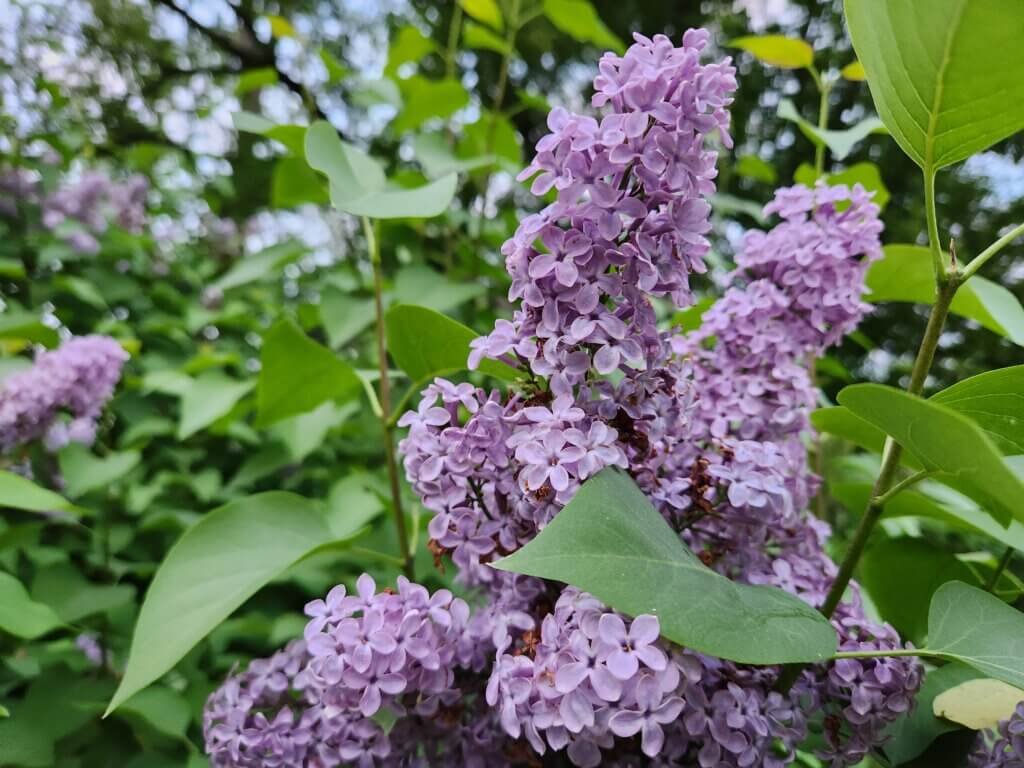
Lilacs are one of those plants that seem to just belong on old farm properties. If you drive through rural areas in the spring, you’ll often see large purple and white lilac bushes blooming beside barns, along driveways, or near old houses. And there’s an interesting reason for that.
Lilacs (Syringa spp.) are flowering shrubs or small trees known for their large clusters of fragrant blooms in the spring. They are native to Eastern Europe and parts of Asia but have become very common across North America.
Many lilac bushes planted around old homes are still alive today. That’s because lilacs are extremely hardy plants that can live 50 to well over 100 years with very little care. If you have lilacs growing on your property, you’re likely looking after a plant that has been there for generations.
In this article, I’ll teach you all about lilacs, like cutting back lilac bushes, growing lilac, replanting lilac bushes and much more.
This post may contain affiliate links. If you use these links to buy something we may earn a commission. Thanks.
What Are Lilac Bushes?
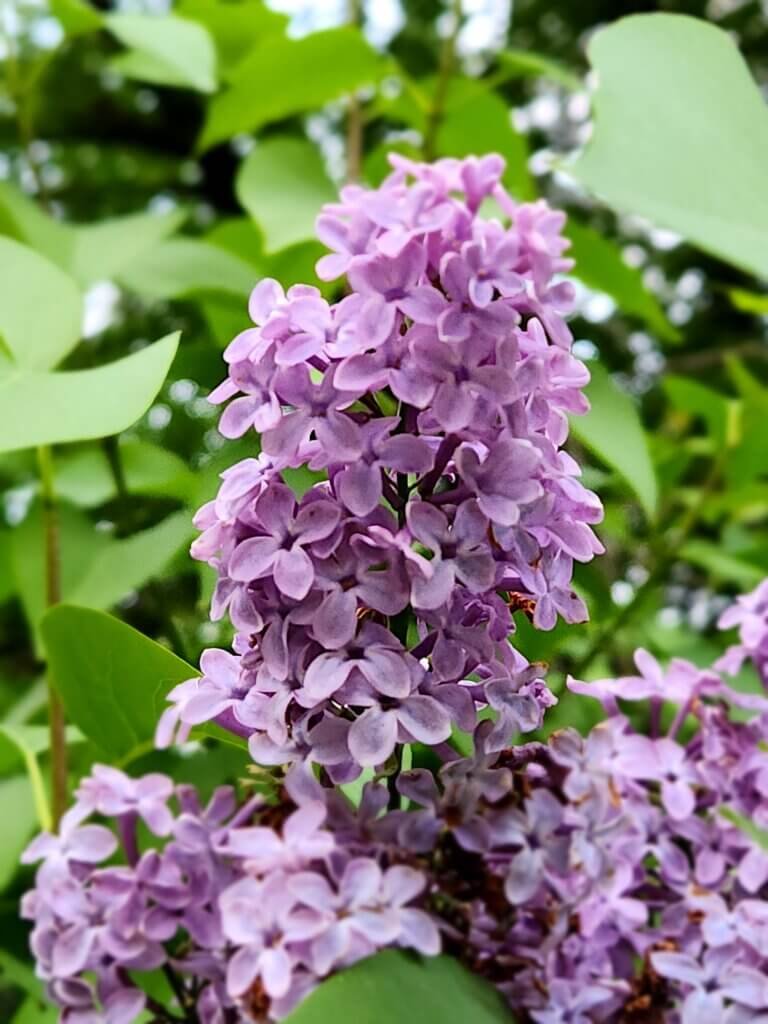
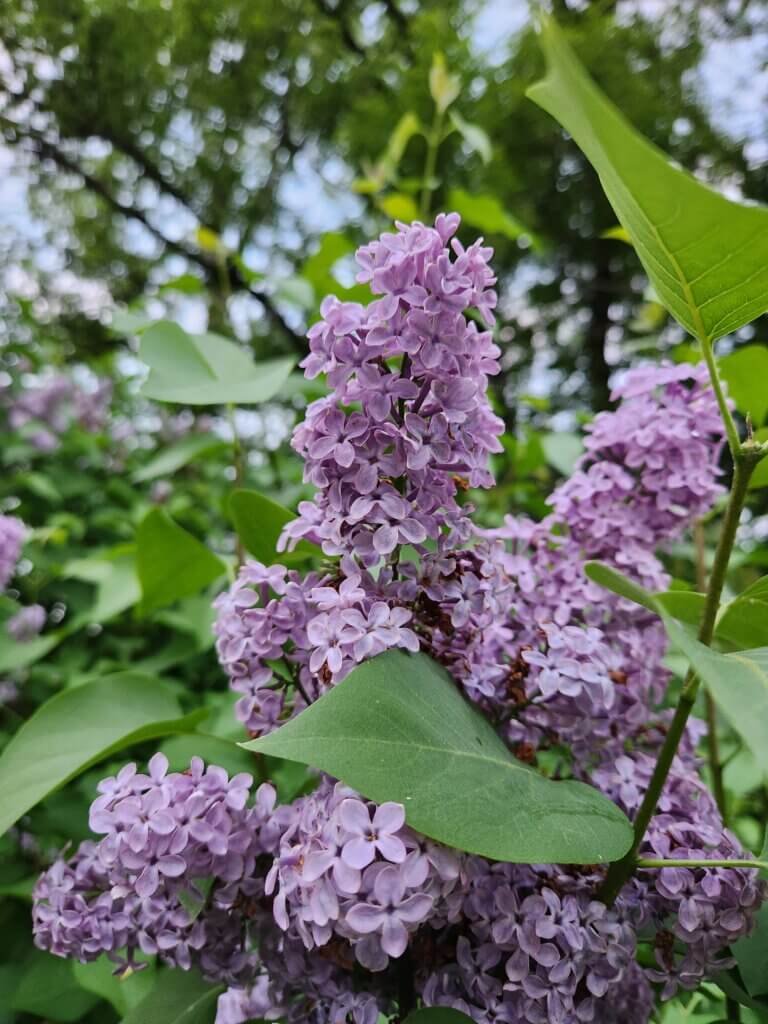
Lilacs are deciduous shrubs that produce clusters of small flowers in early spring. Most people recognize them for their strong floral scent and their purple or white blooms.
The most common type found on farms and rural properties is the common lilac (Syringa vulgaris). These shrubs can grow anywhere from 8 to 15 feet tall and often spread just as wide if left untrimmed.
One of the reasons lilacs are so common on older properties is their toughness. They can tolerate:
- cold winters
- dry summers
- clay soil
- long periods without care
Because of this, many lilacs planted decades ago are still growing today.
Why Are Lilacs Common on Farms
If you notice lilacs growing around old farmhouses, that’s not a coincidence. Early settlers brought lilacs with them from Europe in the 1700s and 1800s. They were one of the first ornamental plants planted around new homesteads. There were several practical reasons for this.
First, lilacs are extremely hardy and long-lived. Farmers planted them knowing they could last for generations without much maintenance.
Second, they were an easy way to bring beauty to a new homestead. Life on a farm was hard work, and lilacs were one of the few decorative plants people took the time to grow.
Lastly, lilacs also spread easily through underground shoots called suckers. A single bush could slowly grow into a hedge over time. Because of that, lilacs were often planted along, property lines, driveways, fence lines, and yard borders. Over time, they became natural boundaries between properties.
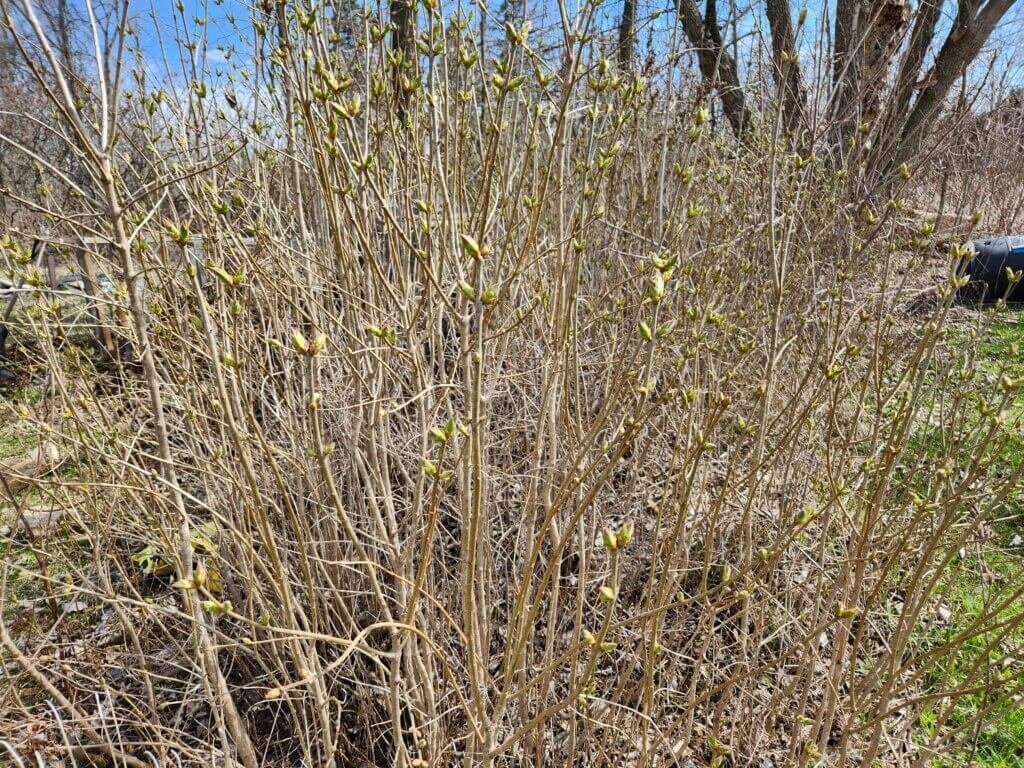
Growing Lilac Bushes Successfully
Growing lilac bushes is surprisingly simple once they are established. The most important thing lilacs need is sunlight and space. Remember – these plants can live for 50-100 years, so giving them the best conditions will help future generations enjoy their beauty.
Lilacs grow best in full sun, which means at least six hours of direct sunlight each day. They prefer soil that drains well, but they are very forgiving plants. On our property, lilacs grow just fine in areas with heavier clay soil.
When planting lilacs, make sure they have space to grow. A mature bush can easily spread 8 to 12 feet wide and grow 8 to 15 feet tall. If they are never pruned, they can start to look like small trees.
When and How to Plant Lilac Bushes
Lilacs are best planted when the weather is cooler and the plant is not actively growing. Early, early spring or in the fall. Spacing the plants far apart will help with long-term growth. Planting them just like a normal tree/bush with lots of space for growth is ideal.
Best Time to Plant Lilacs
The ideal time to plant lilacs is:
- early spring before growth starts
- fall after leaves begin to drop
Both seasons allow the plant to establish roots before summer heat arrives.
How Far Apart to Plant Lilac Bushes
Because lilacs can grow large, they should usually be spaced 6 to 10 feet apart. If you are planting them as a hedge or natural border, they can be placed slightly closer together.
Soil Conditions Lilacs Prefer
Lilacs prefer soil that drains well. Standing water around the roots can cause problems. That said, they are very adaptable plants and can still grow well in heavier soil as long as water doesn’t sit there for long periods. We have an abundance of lilacs growing on our property and our soil is heavy with clay.
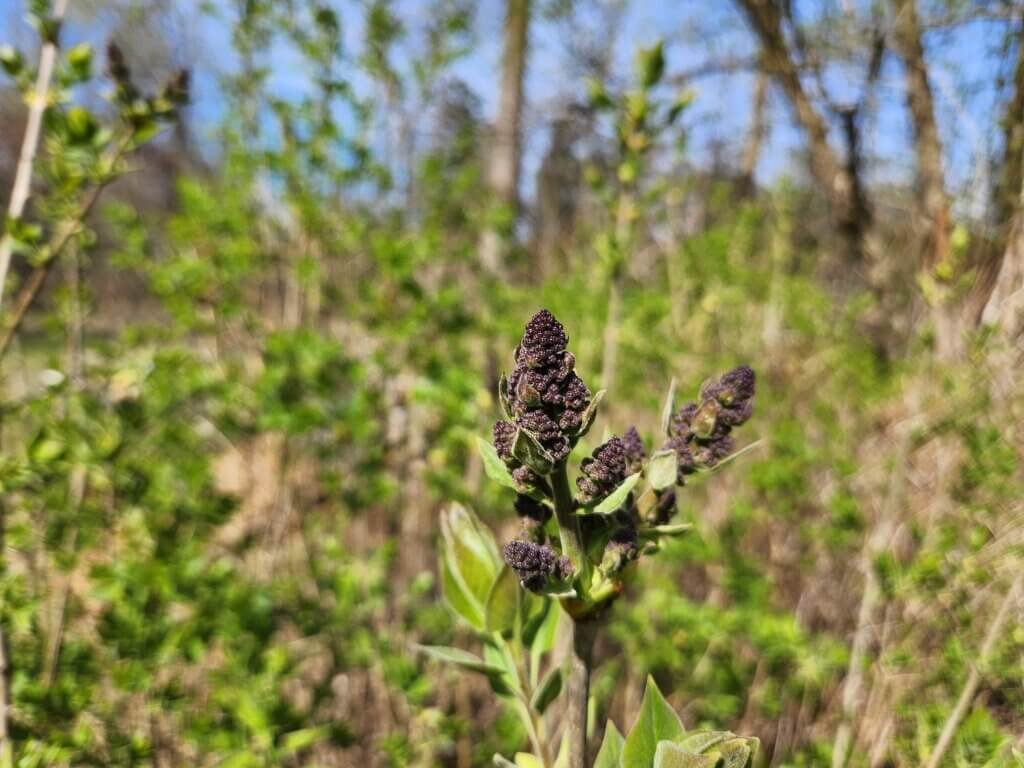
Cutting Back Lilac Bushes (Pruning Guide)
Knowing when to cut back a lilac bush is important if you want good blooms each spring. Lilacs produce flowers on old wood, which means the buds form on branches that grew the previous year. Because of that, the best time to prune lilacs is right after they finish blooming in late spring.
When to Prune Lilac Bushes
Pruning should happen immediately after flowering. If you prune later in the summer or fall, you may remove the buds that would produce flowers next year. Cut the flower stems about one-third of the way down the stem. This helps direct the plant’s energy into producing new growth and better flowers the following year.
Removing Old Wood
Every few years, it is helpful to remove some of the oldest branches. Look for thick, woody stems that no longer produce many flowers. Cut these down close to the base of the plant. Removing old wood allows sunlight and airflow into the center of the bush.
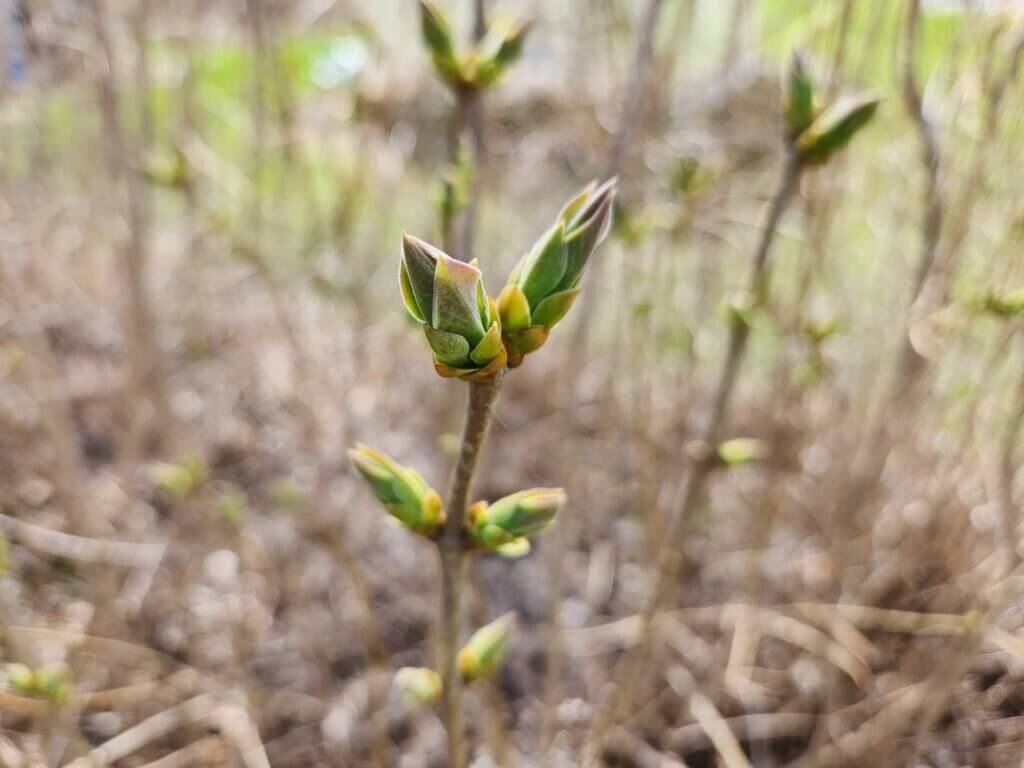
Replanting Lilac Bushes (Transplanting Without Killing Them)
Replanting lilac bushes is possible, but timing and preparation matter. These are the six key points to remember when replanting lilacs.
Best Time to Transplant Lilacs
The best time to move lilacs is when the plant is dormant. This usually means: very early spring or fall after leaf drop. Moving lilacs during these seasons helps reduce stress on the plant.
Choosing a New Location
Lilacs love full sun, so choose a bright location with good drainage. They are fairly tolerant of clay soil, but avoid areas where water collects.
Preparing the Plant
Before transplanting, water the bush thoroughly. Moist soil helps protect the roots during digging.
How to Dig Up a Lilac Bush Safely
Dig a wide circle around the base of the plant to preserve as many roots as possible. Lift the root ball carefully and move it to the new location. The new hole should be twice as wide as the root ball but the same depth.
Replanting the Lilac
Place the plant into the hole and refill with the original soil. Water thoroughly once the hole is filled. Apply mulch around the base to retain moisture, but do not place mulch against the trunk, as this can cause damage to the plant.
If you want to learn more about proper mulching, see my Mulching Best Practices Guide.
Avoid Fertilizing Right Away
Do not fertilize lilacs during the transplanting season! Wait until the following year after the plant has settled in.
How Lilacs Spread and How to Divide Them
Lilacs spread naturally through underground roots. These roots produce new shoots called suckers, which appear around the base of the plant. This is why lilacs often grow into thick clusters over time. If you want to propagate new plants, these suckers can be transplanted.
Simply dig up a young shoot with its roots attached and replant it in another location. This is one of the easiest ways to grow new lilac bushes.
Are Lilacs Good for Pollinators and Wildlife?
Yes, lilacs are helpful for pollinators!
Because they bloom early in the season, their flowers provide nectar when many other plants have not started blooming yet. Bees and butterflies often visit lilac flowers during spring.
Some gardening guides say lilacs are deer resistant, but that has not been our experience. Our lilacs grow right beside our garden, and the deer still visit the area regularly, (we’ve had to install deer fences to prevent deer – the lilacs did nothing).
Are Lilacs Medicinal or Edible?
Lilacs are not considered medicinal plants, and they are not commonly eaten. Even though they are not meant for eating, it’s important to note that the are also non-toxic, meaning they are generally safe to have around people and pets.
Where lilacs really shine is in their fragrance – they are very aromatic. Their strong floral scent can fill a room quickly. Cutting a few lilac branches and bringing them indoors is a simple way to bring the outdoors inside and enjoy their aroma. It’s my favourite way to celebrate the spring.
Floral scents are believed to help with emotional balance, bringing these flowers or any others indoors is a effective, easy way to improve your emotional wellbeing. At the very least, it’s beautiful to look at.
Frequently Asked Questions About Lilac Bushes
The best time to cut back lilacs is right after they finish blooming in late spring.
Yes. Early spring before new growth begins is one of the best times to move lilac bushes.
Lilacs grow at a moderate-fast rate and may grow 1 to 2 feet per year once established.
Yes. Lilacs spread through underground shoots called suckers.
Common reasons include: pruning at the wrong time, too much shade, or a young plant that has not matured yet.
Most lilac bushes grow 8 to 15 feet tall and wide.
Lilac flowers usually last two to three weeks depending on weather conditions.
Related Guides You May Like:
- What’s the Difference Between a Flower, Plant, and Herb?
- Pruning Raspberries: Step-by-Step for Each Variety
- Goldenrod Benefits, Uses & How to Make Goldenrod Tea
- What Is Mullein – The Tall Fuzzy Green Plant
- 4 Easy Medicinal Plants To Grow at Home
The Importance of Growing Lilacs
Lilacs are one of the easiest flowering shrubs you can grow. They require very little maintenance, produce beautiful fragrant blooms every spring, and can live for decades. Because they spread naturally, they can also be used for natural fencing, borders, and privacy along property lines.
Adding lilacs to your property is one of the simplest ways to bring long-lasting beauty to your space with very little work involved.
If you like growing flowers, vegetables, herbs, fruit and more at home, you can explore all of our hands-on advice in our Growing Guides, based on what actually works here on our homestead.
We are growing our website with more articles all the time, and we invite you to grow with us. If you have any questions about lilacs or would like to share some of your knowledge with us please leave a comment below. Happy Gardening!