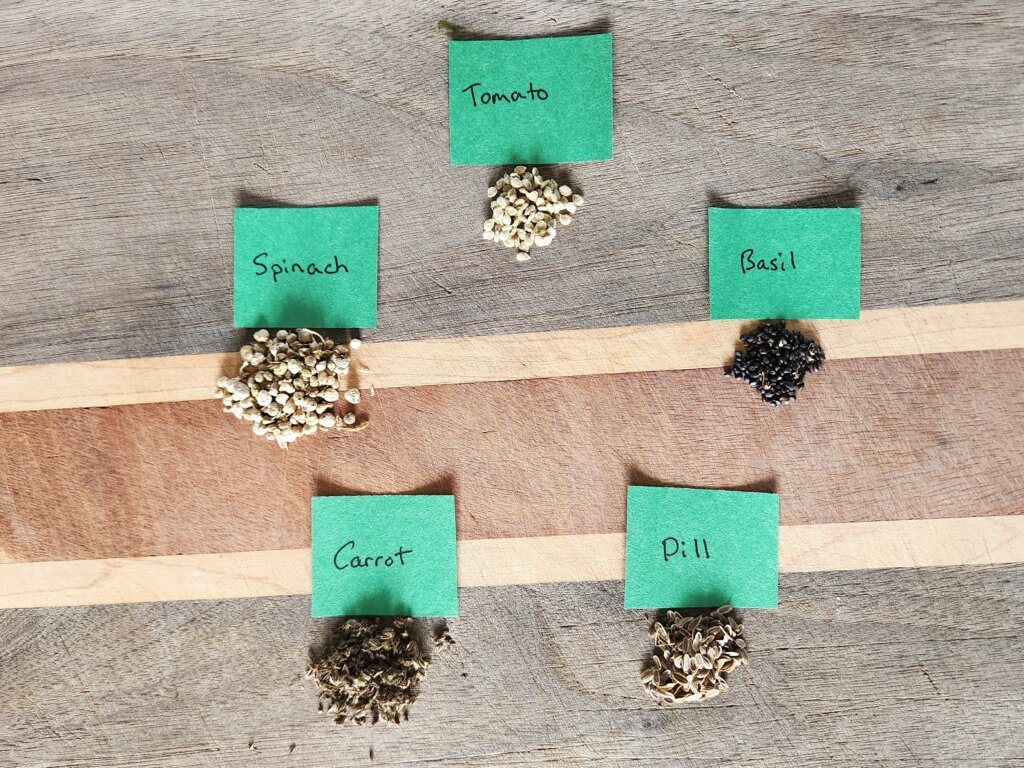
When we first started gardening, one of the things that grabbed our curiosity was saving our own seeds. At the time it felt like something only old-time gardeners or seasoned homesteaders knew how to do. But that curiosity nudged us forward.
This post may contain affiliate links. If you use these links to buy something we may earn a commission. Thanks.
Each year we saved a few more varieties, tucked them into jars on the shelf, planted them again the next spring, and realized something surprising, seed saving is a lot easier than it first appears. Once you start, it becomes one of the most rewarding (and money-saving) parts of gardening.
Saving your own seeds gives you more than a full jar of future plants. It gives you resilience. It gives you plants uniquely adapted to your exact micro-climate. And it opens up a whole new level of self-sufficiency that just feels right, especially if you dream of feeding your family more from your own land.
Here are the five easiest seeds every home gardener, beginner or seasoned, should be saving, plus two “honorable mentions” that are almost-too-easy not to try.
Why Save Your Own Seeds
Saving seeds is one of the oldest gardening traditions for a reason. When you save your own seeds:
- You spend far less money on seed packets every spring
- Your plants get stronger and better adapted to your soil and climate
- You build true self-reliance
- You keep heirloom varieties going
- You close the loop on your garden by growing, harvesting, saving, and replanting
The best part? Some plants practically save themselves.
The 5 Easiest Seeds to Save at Home
Tomatoes
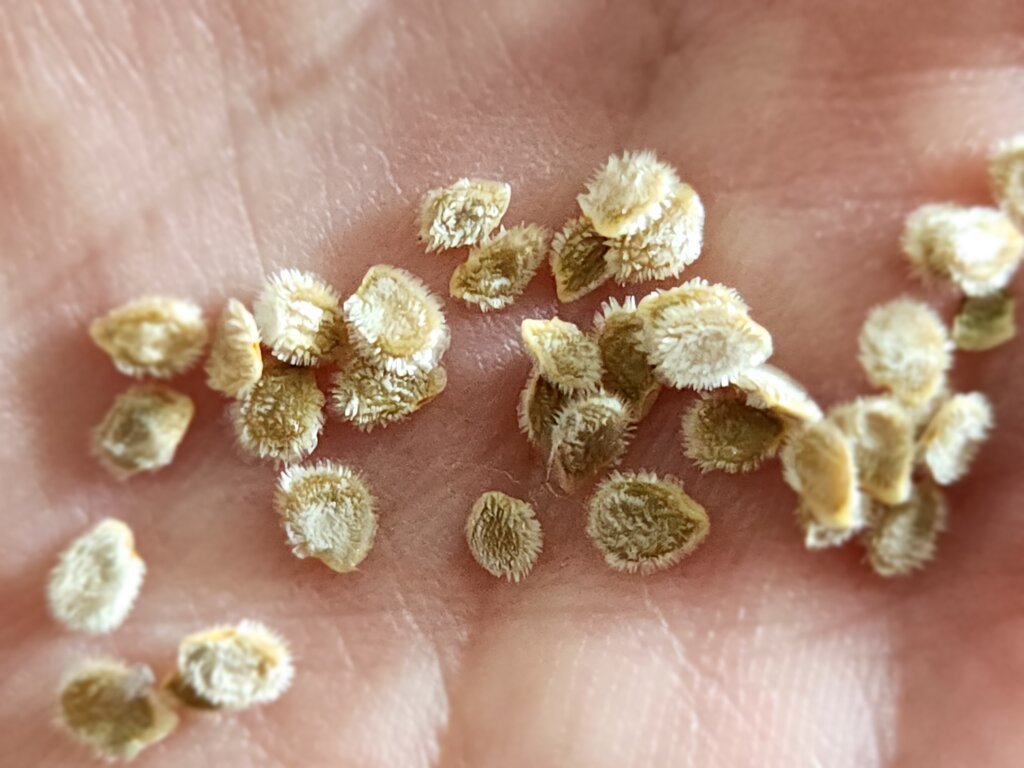
Tomato seed saving is almost foolproof and one of the best places for beginners to start. If you need a full walk through, I have this guide:
A Simple Way To Save Tomato Seeds
https://dbsfarmwilson.com/a-simple-way-to-save-tomato-seeds/
Tomatoes are open-pollinated and reliably grow true from seed, which makes them perfect for building a homegrown seed collection.
How to save tomato seeds:
- Scoop out the seeds and gel
- Ferment for 1 to 3 days until the mixture forms a thin layer of mold
- Rinse and strain
- Spread on a plate to dry fully
- Label + store
Fermentation removes the germination-inhibiting gel and gives you clean, long-lasting seeds that store well for years.
Spinach Seeds

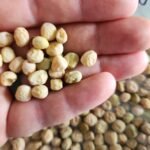
Spinach bolts quickly in warm weather, which means it makes seeds easily, and abundantly.
How To Save Spinach Seeds
https://dbsfarmwilson.com/how-to-save-spinach-seeds/
How to save spinach seeds:
- Let a few plants bolt and grow tall
- Seeds form in clusters along the stem
- When dry and tan, strip them off into a container
- Rub gently to separate
- Dry fully before storing
Spinach seed keeps well and is incredibly easy to collect in large quantities.
Dill

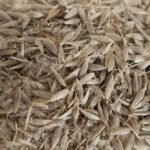
Dill practically saves itself. Once the flower heads mature into brown umbels, the seeds loosen and fall into your hands with almost no effort.
How To Save Dill Seeds To Plant Again Next Year
https://dbsfarmwilson.com/how-to-save-dill-seeds-to-plant-again-next-year/
How to save dill seeds:
- Wait until umbels turn brown
- Snip and place upside down in a paper bag
- Let them dry
- The seeds fall naturally into the bag
Bonus: these seeds can be used both for replanting and for seasoning.
Basil

Basil seeds are tiny but incredibly easy to collect. Once your basil flowers and dries, the seeds are tucked neatly inside the spent blossoms.
How To Collect Basil Seeds For An Endless Harvest
https://dbsfarmwilson.com/how-to-collect-basil-seeds-for-an-endless-harvest/
How to save basil seeds:
- Allow the plant to flower fully
- Once the seed heads dry, pinch them off
- Rub between your fingers to release the tiny black seeds
- Winnow out the chaff
- Store airtight
A single basil plant can give you hundreds of next-year seedlings.
Carrots
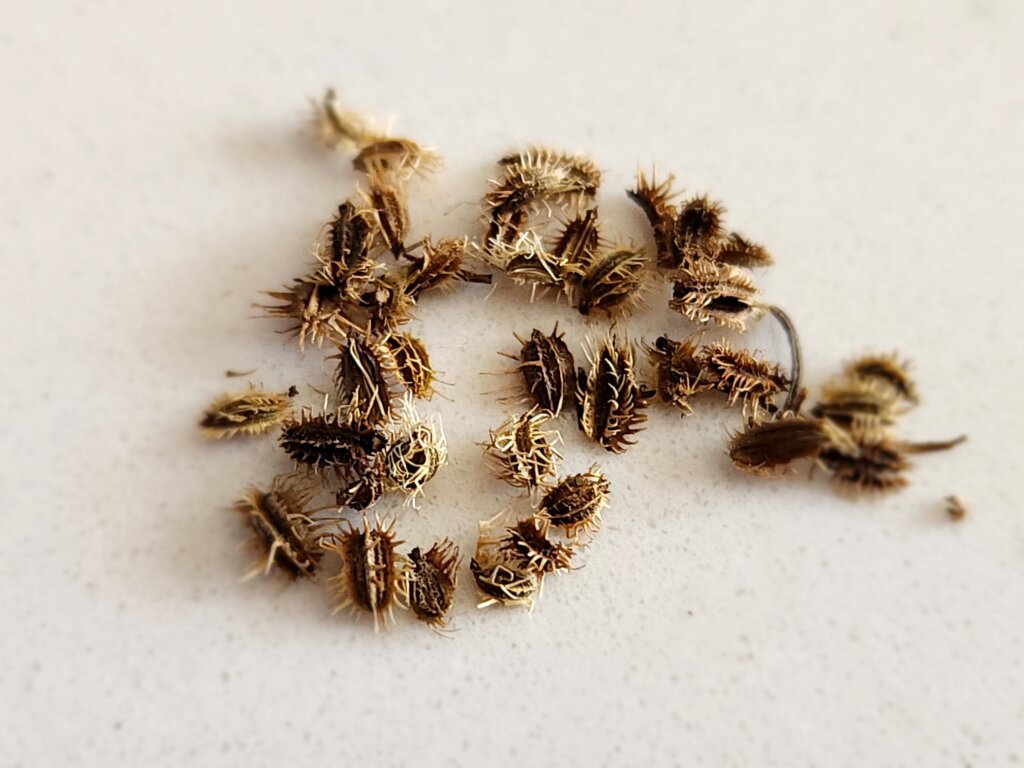
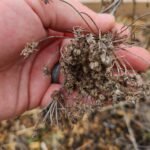
Carrots are biennials, meaning they produce seeds in their second year. But once the plant reaches that stage, the seed harvest is huge.
How to Save Carrot Seeds (Where Do Carrot Seeds Come From)
https://dbsfarmwilson.com/how-to-save-carrot-seeds/
How to save carrot seeds:
- Let a few carrots overwinter in the ground or store them and replant in spring
- They’ll send up tall flower stalks
- Umbels form and dry similarly to dill
- Clip + dry
- Gently crumble to release seeds
If you’re patient, carrot seed saving is incredibly rewarding, and you’ll have enough seed for years.
Honorable Mentions
Peppers
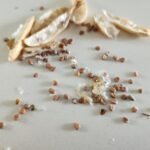
Pepper seeds take almost no effort to save and are one of the most reliable seeds for beginners.
If you want the easiest possible seed to save, peppers are high on the list.
How To Save Pepper Seeds for Next Year’s Garden
https://dbsfarmwilson.com/how-to-save-pepper-seeds/
Just remove seeds from a fully ripe pepper, dry them on a plate, and store.
Lettuce
After lettuce bolts, it forms soft, airy “puffball” seed heads that hold hundreds of tiny seeds. It’s incredibly satisfying to collect them.
Comprehensive Guide On How To Save Lettuce Seeds
https://dbsfarmwilson.com/how-to-save-lettuce-seeds/
When the seed heads dry out, just give them a gentle shake into a bag and you’ll have more lettuce seed than you’ll ever need.
How to Store Your Saved Seeds
Proper storage keeps your seeds viable and strong.
- Keep seeds cool, dark, and dry
- Use envelopes, small jars, or airtight containers
- Add a desiccant packet for long-term storage
- Label everything with the variety and year
- The fridge is great for long-term seed keeping
Stored well, many seeds remain viable for 3 to 7 years.
Common Seed Saving Mistakes
These are the little hiccups most beginners hit at first:
- Collecting seeds before they’re fully mature
- Not drying them long enough
- Saving seeds from hybrid varieties
- Storing in warm or humid areas
- Forgetting to label everything
Fixing these small steps makes a huge difference in germination rates.
When You Should Still Buy Store-Bought Seeds
Even committed seed savers still buy a few packets each year. Some plants cross-pollinate easily (like squash) or are difficult to isolate in small gardens. Hybrid varieties are fantastic for certain crops too. Think of seed saving as a joyful complement to store-bought seeds, not a replacement.
Seed Saving FAQ
You can save seeds from most vegetables, but open-pollinated and heirloom varieties give the most reliable results. Hybrids often don’t grow true, so the plants may not match the parent. Starting with easy crops like tomatoes, dill, basil, spinach, or peppers is best.
Tomatoes, dill, basil, spinach, and peppers are the easiest seeds to save because they mature reliably and require very little processing. These seeds dry quickly, store well, and germinate easily the next season.
Store seeds in a cool, dry, dark place. Use envelopes or jars, label with the year, and keep them away from heat and humidity. Adding a desiccant packet helps extend storage life. Most seeds last 3–7 years when stored properly.
Fermentation is the best method because it removes the gel coating that prevents germination, but you can rinse-and-dry in a pinch. Fermented tomato seeds store longer and germinate more consistently.
Some plants cross easily (peppers, squash, carrots), while others rarely do. Tomatoes, lettuce, basil, and dill usually stay true in most home gardens. If you want pure varieties, grow only one type or separate varieties as much as possible.
Still have questions? Ask me in the comments and I’ll help you troubleshoot your seeds.
Final Thoughts
Saving seeds is one of those quiet gardening habits that changes the way you look at your garden. It turns one season into the next. It builds resilience into your soil and into your home. And it slowly knits you into the long line of gardeners who came before, people who planted, harvested, saved, and passed it on.
Start with tomatoes, dill, basil, spinach, or carrots this year. Before long, you’ll have a whole shelf of your very own seed collection, waiting for spring.
We hope you enjoyed this seed saving guide. If you did make sure you check out the other growing guides, seed saving guides and our recipes. We are growing our website with more articles all the time, and we invite you to grow with us. Whether you’re a seasoned gardener or just starting out, saving seeds can be an enriching experience. If you have any questions or want to share your seed saving journey, feel free to leave a comment below. Happy gardening!