
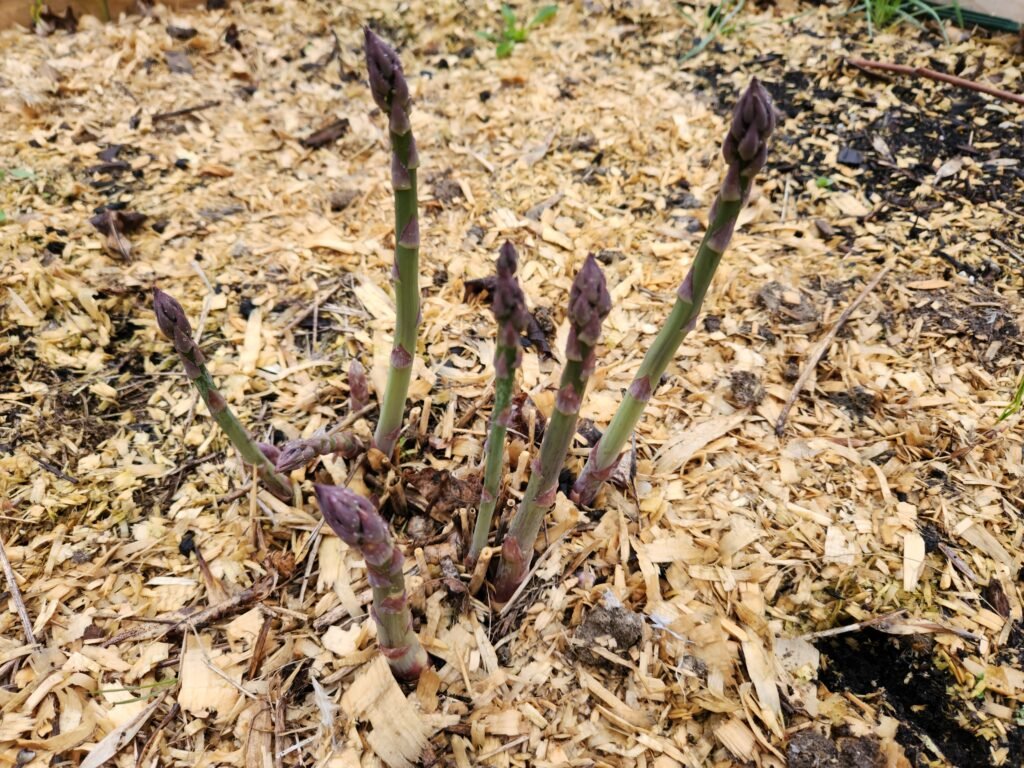
Growing asparagus from seed is one of the most patient, and rewarding, things you can do as a gardener. Unlike planting crowns, starting asparagus from seed takes time, but it gives you full control over variety selection and long-term plant health.
This post contains affiliate links. If you use these links to buy something we may earn a commission. Thanks.
Many gardeners wonder how to grow asparagus from seed, whether asparagus seeds can be direct sown, and how long it takes before harvest. This guide walks you through the entire process, from planting asparagus seeds and germination, to transplanting seedlings and caring for an established asparagus bed.
While asparagus requires patience in the early years, a well-established planting can produce fresh spears for 15–20 years, making the effort more than worthwhile.
Why Grow Asparagus from Seed?
Growing asparagus from seed allows you to start fresh and give the plants a head start in your garden. Starting from seed ensures that you have the ability to select the best varieties and gives you control over how the plants are cultivated. It also provides a sense of accomplishment to see your asparagus plants flourish over time.
While growing asparagus from seed takes more time than other methods such as planting crowns, it is much more affordable, and you can grow a larger number of plants compared to buying mature asparagus crowns. Additionally, starting from seed can lead to better adaptability to your specific growing conditions.
Step-by-Step Guide to Growing Asparagus from Seed:
1. Start With High-Quality Asparagus Seeds
When growing asparagus from seed, it is crucial to begin with high-quality seeds. The success of your asparagus plants will largely depend on the quality of the seeds you choose. Asparagus seeds should come from a reputable source, preferably one that specializes in asparagus. Be sure to select fresh seeds that have a high germination rate. The seed company you choose should have a reputation for providing healthy seeds that produce strong, disease-resistant plants.
A well-known seed company, such as The Incredible Seed Company in Canada, offers excellent asparagus seeds that have been proven to produce healthy and productive plants.
The Incredible Seed Company in Canada has great quality asparagus seeds.
2. Soak Asparagus Seeds to Improve Germination
Asparagus seeds have a hard outer shell, which can inhibit germination. To help overcome this barrier, it’s beneficial to soak the seeds before planting them. Soaking the seeds in warm water for 24 to 48 hours softens the hard seed coat, allowing the seed to germinate more easily. This step helps to kick-start the germination process.
While soaking the seeds is not absolutely necessary, it significantly increases the chances of faster and more uniform germination. If you don’t soak the seeds, they will still germinate, but it may take longer, sometimes up to a few months. Soaking is a simple, effective way to enhance your chances of success when growing asparagus from seed.
3. How to Start Asparagus Seeds Indoors (Best Method)
Starting asparagus seeds indoors is often recommended because it allows you to control the environment. By starting the seeds indoors, you can provide the seeds with the best possible conditions for germination. Here’s how to get started:
- Germination Time: Asparagus seeds can take anywhere from 2 to 8 weeks to germinate. This can vary depending on the temperature, humidity, and the seed’s freshness. Be patient during this process, once the seeds sprout, they will begin to grow into healthy seedlings.
- Seed Starting Mix: Use a high-quality seed-starting mix or a light, well-draining potting soil. Avoid regular garden soil, as it may be too dense and could lead to poor drainage. Pre-moisten the soil before planting, ensuring that it is damp but not soaked.
- Planting Depth: Asparagus seeds should be planted about half an inch deep in the soil. Space the seeds at least 1 to 2 inches apart to allow room for growth.
- Environment: Asparagus seeds prefer warm conditions. A heat mat can be beneficial to keep the soil warm, especially if you live in a cooler climate. If possible, provide humidity by using humidity domes or clear plastic cover to maintain consistent moisture levels.
4. Can You Direct Sow Asparagus Seeds Outdoors?
For those who prefer a more natural approach, you can also directly sow asparagus seeds outdoors. This method is trickier than starting indoors because you have less control over the environment. However, it can be successful if you are prepared.
- Environmental Conditions: Keep in mind that direct sowing may require some patience. If you are sowing seeds early in the season, you may want to use row covers or other protective measures to help the seeds germinate in cooler weather.
- Choosing the Right Location: Asparagus needs full sun and well-draining soil. The soil should be rich in organic matter and deep enough for the plant’s roots to grow. Make sure the soil is free of rocks or debris that could hinder root growth.
- Planting the Seeds: When sowing seeds outdoors, plant them about 1/2 inch deep. Space them 2-3 inches apart in rows that are 18-24 inches apart. This gives the seedlings room to grow and develop. Water the seeds well after planting.
- Soil Preparation: Before sowing, it’s a good idea to prepare the soil by adding organic compost or well-rotted manure. This will enrich the soil, providing essential nutrients for the plants.
5. Caring for Asparagus Seedlings
Asparagus seedlings are slow to emerge, and it’s essential to be patient. Once your seeds have germinated and begun to grow, you’ll need to care for them carefully.
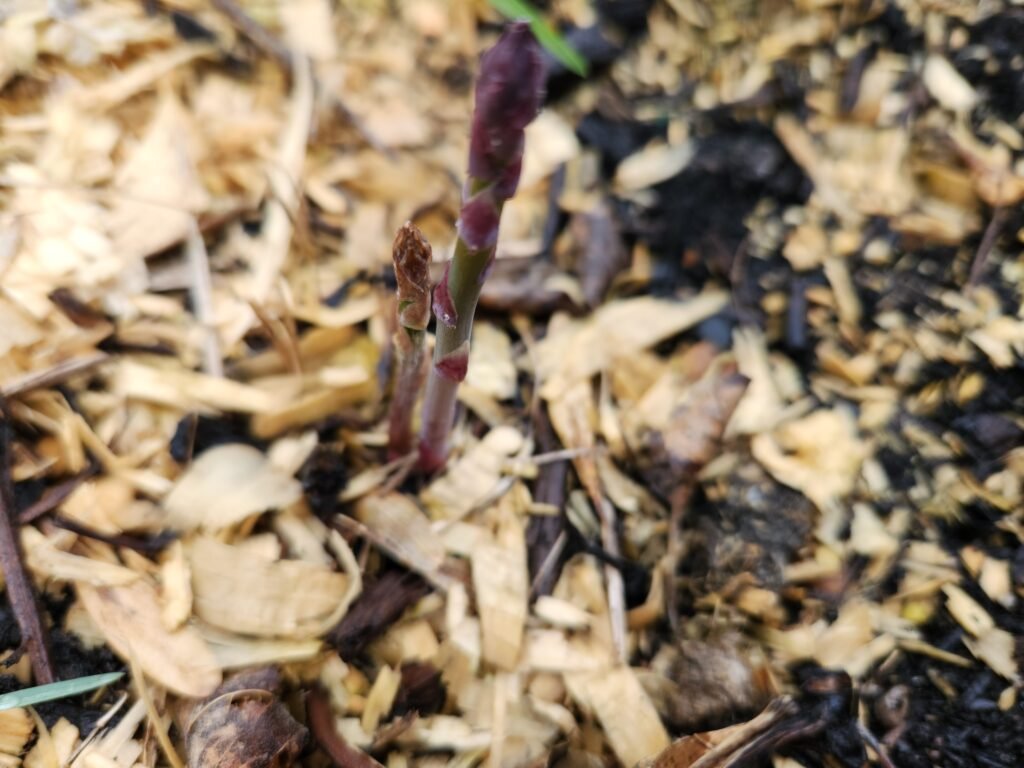
- Thinning: As your seedlings grow, thin them to allow proper airflow and space. Aim for a final spacing of about 6-8 inches apart. Thinning helps prevent overcrowding, which can lead to disease and weak growth.
- Watering: Asparagus plants do not like to sit in waterlogged soil, but they need consistent moisture to establish themselves. Ensure the soil remains moist but not soaked. If growing indoors, check regularly for soil dryness, and if growing outdoors, be prepared to water during dry spells.
- Light: Asparagus seedlings need plenty of light to grow strong. If you’re growing them indoors, place them near a sunny window or provide supplemental lighting with grow lights.
6. Preparing the Soil for Asparagus Transplanting
Once your seedlings are 6-8 inches tall and have begun to develop fern-like growth, they are ready to be transplanted outdoors. Asparagus requires specific soil conditions to thrive:
- Soil Type: Asparagus prefers well-draining, sandy-loam soil that is rich in organic material. Before transplanting, amend the soil with compost or well-rotted manure to improve soil structure and provide essential nutrients.
- pH Level: Asparagus grows best in slightly acidic to neutral soils, with a pH between 6.5 and 7.0. If you’re unsure about the pH level of your soil, consider using a soil testing kit to check and adjust the pH accordingly. We use this soil tester to make sure our pH levels are where they need to be.
- Sunlight and Space: Choose a location that receives full sun, as asparagus plants need at least 8 hours of direct sunlight per day. Additionally, make sure to space the asparagus plants properly, as they can grow large and spread out over time.
Asparagus is a long-term perennial, which is why many gardeners choose to grow it in raised garden beds, where soil depth, drainage, and spacing can be better controlled for decades of growth.
7. Transplanting Asparagus Seedlings
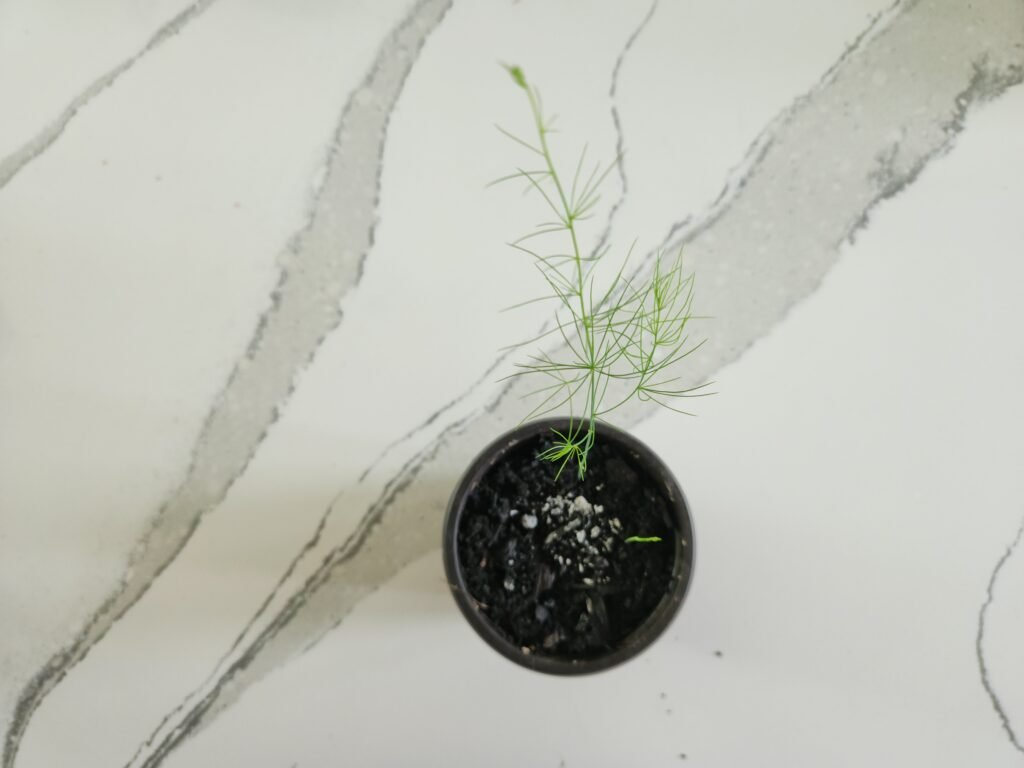
When transplanting asparagus seedlings, be sure to handle the young plants gently. They have delicate roots, and any damage can affect their growth. Here’s how to transplant your asparagus seedlings:
- Covering the Seedlings: Once the seedlings are in place, fill the trench with soil, covering the roots completely. Water the plants well after transplanting.
- Digging the Trench: Dig a small trench about 6-8 inches deep in your garden bed. The trench should be long enough to accommodate several seedlings.
- Placing the Seedlings: Gently spread the roots of each seedling in the trench, making sure that the roots are not tangled or crowded. Space the seedlings about 12-18 inches apart.
8. Caring for Transplanted Asparagus
Once transplanted, asparagus plants need consistent care. Here are some key tips for maintaining healthy plants:
- Watering: Asparagus needs regular watering to establish its root system. Ensure that the soil stays moist, especially during dry periods.
- Fertilizing: Fertilize asparagus plants with a balanced fertilizer in the spring and fall. Avoid using too much nitrogen, as this can promote excessive fern growth at the expense of root development.
- Mulching: Apply a thick layer of mulch around the asparagus bed to retain moisture and suppress weeds. Mulching also helps protect the roots from freezing in the winter.
9. Maintaining the Asparagus Bed Over Time
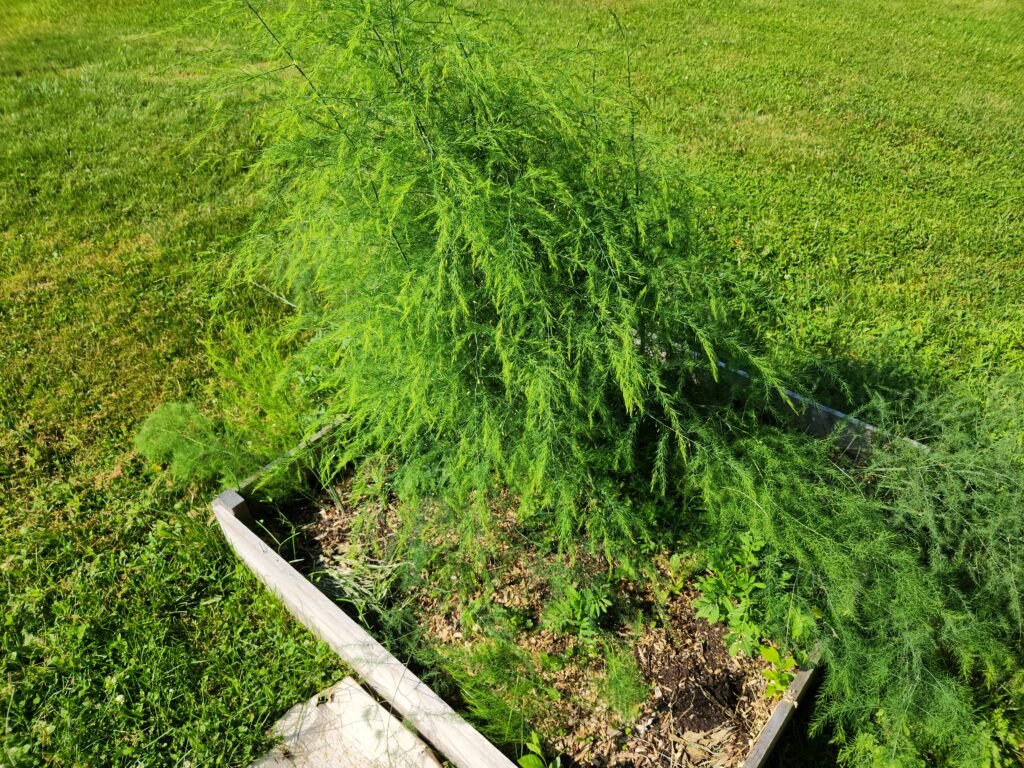
Asparagus is a perennial vegetable, and it requires long-term care to keep it productive.
- Winter Care: In colder climates, it’s important to protect the asparagus bed during the winter. Apply mulch in the fall to insulate the roots from extreme cold.
- Let the Plants Fern Out: During the growing season, allow the asparagus plants to grow into large ferns. This process is essential because it helps the plants store energy in their roots for future years of production.
- Pruning: At the end of the growing season, once the ferns have turned brown, cut them back to soil level. This helps prevent disease and keeps the garden tidy.
Frequently Asked Questions About Growing Asparagus From Seed
Yes, asparagus can be grown from seed, though it requires more patience than planting crowns. Starting from seed allows you to grow more plants at a lower cost and adapt them to your local conditions.
Asparagus grown from seed typically takes 3 years before harvesting. The first two years are focused on root and crown development.
Soaking asparagus seeds in warm water for 24–48 hours helps soften the seed coat and can significantly improve germination speed and success.
Yes, asparagus seeds can be direct sown outdoors, but germination is slower and less predictable than starting seeds indoors. Direct sowing works best in warm soil with consistent moisture.
Asparagus seeds should be planted about ½ inch deep in well-draining soil.
Asparagus seeds are best started indoors in late winter to early spring, or direct sown outdoors after the risk of frost has passed.
Asparagus seeds typically germinate in 2–8 weeks, depending on temperature, moisture, and seed freshness.
Yes. Allowing asparagus plants to fern out and go to seed helps them store energy in their roots, which leads to stronger plants and better harvests in future years.
Conclusion:
Growing asparagus from seed is a slow but highly rewarding process. While it requires patience and attention to detail, the long-term payoff is well worth it. Asparagus can provide a fresh, perennial harvest for up to 20 years, offering an abundant and delicious crop each spring. By following the steps outlined in this guide, from seed selection to transplanting and ongoing care. You can enjoy a thriving asparagus bed for years to come.
We hope you enjoyed this growing guide. If you did make sure you check out the other growing guides, seed saving guides and our recipes. We are growing our website with more articles all the time, and we invite you to grow with us. Whether you’re a seasoned gardener or just starting out, growing asparagus from seed can be an enriching experience. If you have any questions or want to share your asparagus-growing journey, feel free to leave a comment below. Happy gardening!

Can a person plant the seeds in the fall?
Yes you can, but it is not recommended. The seeds take a long time to germinate and would need to overwinter in your garden. The chance of something happening to them would be much higher than planting in the spring. If you’re going to do planting in the fall it is better to start with bare root Asparagus crowns. Planted from seed is better in the spring time when you can nurture the plants and give them time to grow.