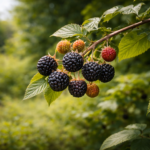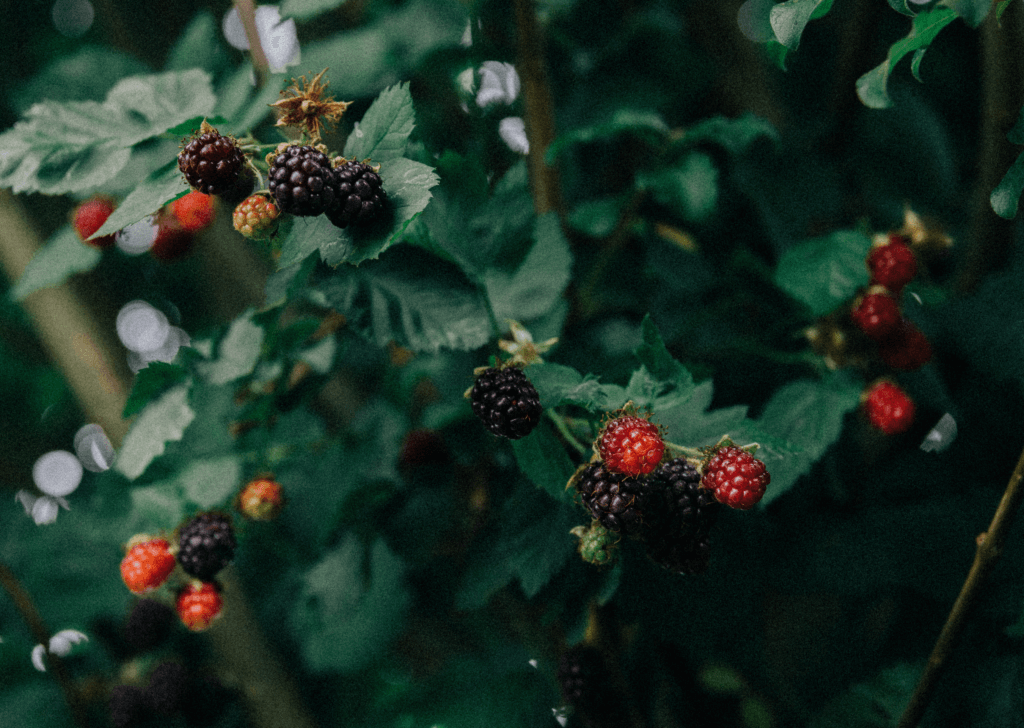
Black raspberries have a deeper flavor, a wilder aroma, and a completely different growth habit compared to red raspberries. If you’ve grown red varieties before, expect a learning curve. If you’re new to berry gardening, this guide will walk you through every step so you can feel confident planting black raspberries and keeping them productive for years.
I grow black raspberries on my own homestead, and they’ve become one of my family’s favorite summer treats. They take a little shaping and a little patience, but once you understand how they grow, they’re incredibly rewarding.
This post contains affiliate links. If you use these links to buy something we may earn a commission. Thanks.
What Makes Black Raspberries Different From Red Raspberries?
Before you plant black raspberries, it helps to know why they need their own set of instructions. They’re not simply “dark red raspberries.” They behave more like a hybrid between raspberries and blackberries.
Different Cane Behavior
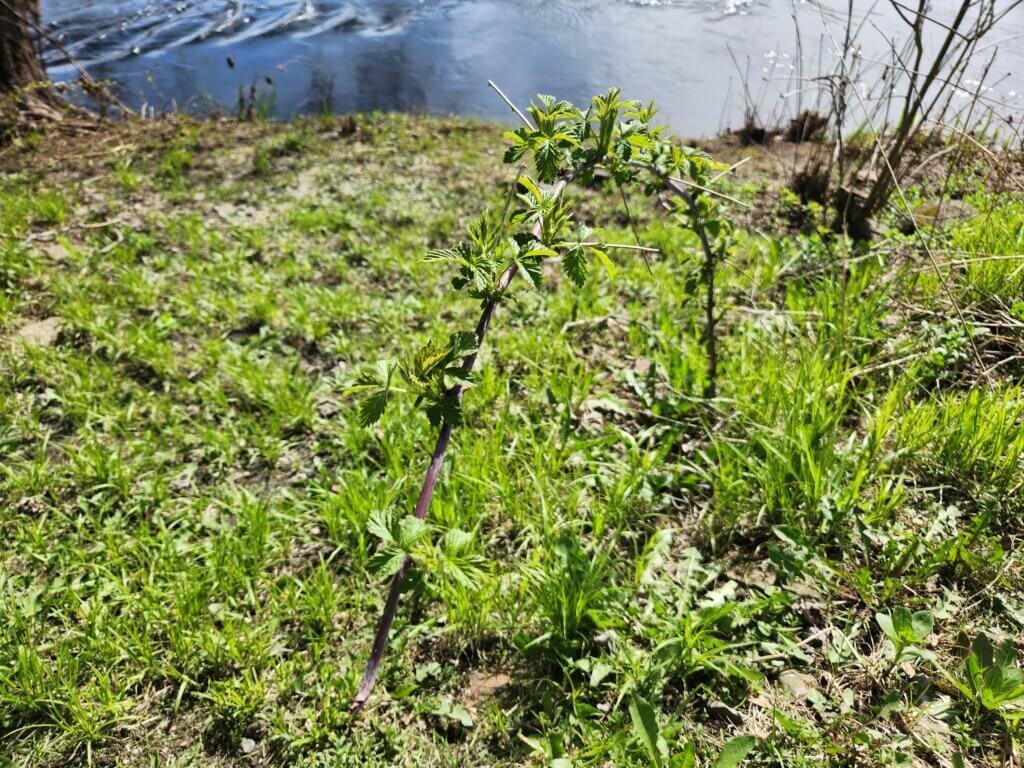
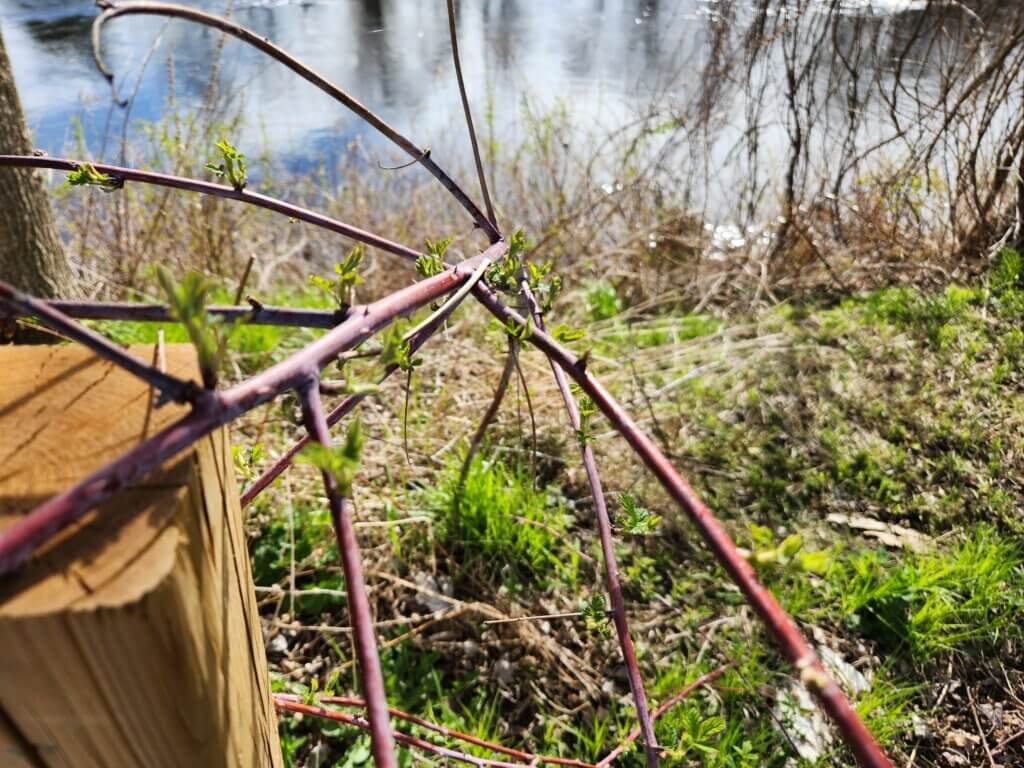
Black raspberries send up tall, arching canes that naturally bend toward the ground. Instead of running aggressively through the soil like red raspberries, they grow in graceful arcs.
Different Pruning Requirements
Black raspberries require tip-pruning in summer to trigger strong side branches. Without this step, the plant stays tall and floppy, and yields stay low.
Different Disease Risks
They’re more susceptible to certain fungal diseases, especially anthracnose. This is why gardeners keep black raspberries away from red raspberries and wild brambles.
Yield Differences
Black raspberries tend to produce smaller, richer berries. The harvest is shorter and more concentrated, usually around early-mid July in Zone 5.
How to Plant Black Raspberries
This section covers everything you need to get right when planting black raspberries for the first time.
Best Location
Growing black raspberries is easy, they require full sun (6-8 hours per day), lots of natural airflow. But most importantly, keep them far from red raspberries an wild blackberries to reduce disease spread.
Soil and Amendments
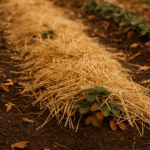
Black raspberries need soil that drains quickly. Work in compost or manure to improve structure, and aim for a slightly acidic to neutral pH. It’s also important to mulch around the plant to keep moisture available especially in mid-summer when they are producing fruit and need water.
Spacing and Trellis
- Space plants about 3 to 4 feet apart
- Keep rows 8 to 10 feet apart
- Install a simple wire trellis or T-post system
- Their arching canes need support, especially once loaded with fruit.
Being honest, I don’t trellis ours because of the beautiful arch and it hasn’t been a problem – yet. It’s a best practice I know – but do better than me.
Raised Bed Options
Raised beds help with drainage and airflow. They also make it easier to contain the long arching canes and keep the planting area tidy. I’d highly recommend this route if you can, just makes it easier to manage and maintain.
Seasonal Care for Black Raspberries
Watering Needs
Black raspberries stress more quickly in heat than reds. Water deeply once or twice a week, especially during the height of summer.
Fertilizing
Give them a balanced 20 20 20 fertilizer in early spring. Too much nitrogen encourages excess cane growth and weakens yields.
Mulching
Mulch keeps moisture steady and prevents soil splash on the stem, which helps lower the risk of fungal disease.
Disease Prevention
- Anthracnose is the top threat when growing black raspberries
- Always prune for airflow (more important to focus on this than high yields)
- Don’t work with plants when leaves are wet!!!!
- Remove wild brambles or brush nearby to avoid contagion
Pruning Black Raspberries (The Step Most Gardeners Do Wrong)
Pruning determines whether you get a few handfuls of berries or overflowing bowls. This part makes or breaks your harvest.
Summer Tip-Pruning
This step shapes the plant and sets next year’s fruit.
- Once primocanes reach 24 to 36 inches tall, snip off the top inch
- This triggers strong lateral branches
- Side branches form the bulk of your next-season fruit
Skip this step and your plants will become tall, thorny arcs with very low yields.
Fall Pruning
After the summer harvest, remove all the canes that fruited (these are the floricanes). Thin the remaining new canes so each plant keeps a manageable shape (not needed, but if you want tidy gardens do it, but thinning can also reduce yield to some capacity).
How Many Canes to Keep
Aim for 6 to 8 healthy primocanes per plant. This keeps the bed open and reduces disease.
Trellis Maintenance
Tie canes loosely as they grow. Keeping them upright prevents cane breakage, improves airflow, and helps berries stay clean.
Harvesting Black Raspberries
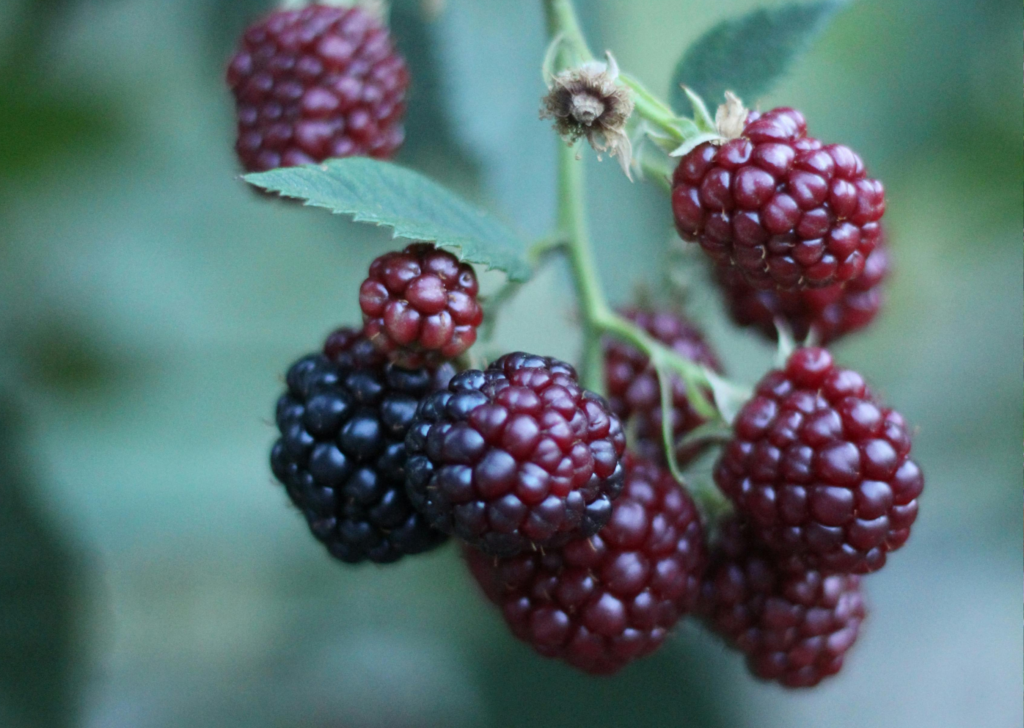
The berries are smaller and softer than reds but packed with intense flavor. They make excellent jam, syrup, and pies.
- Harvest window: typically early July
- Ripe berries detach easily with a hollow center
- Pick every day to stay ahead of birds
- Freeze on a baking sheet first for best texture

Growing Black Raspberry FAQ
Yes you can, but you need to meet a few conditions, including using a large pot, adding rich-well draining soil, watering frequently and a trellis.
No. Black raspberries have a hollow center when picked, while blackberries keep their core. Black raspberries also have a matte, dusty look and a unique arching growth habit that needs specific pruning.
They fruit on second-year canes. You’ll see primocane growth the first year, and then get your harvest the next summer from those canes once they become floricanes.
Common causes: Not enough water during berry development, Poor soil fertility, Old & unproductive canes, Lack of pruning, Too much shade.
Technically yes, but it’s not practical. Black raspberry seeds need a long cold stratification period and germinate slowly and unpredictably. Even if they sprout, they won’t grow true to the parent plant. Most gardeners propagate from a grown plant, buy the plant from the nursery or a dormant bare-root plant.
Raspberry Articles
Want to learn more about raspberries? Here’s all our related content:
- How to Grow Red Raspberries (Summer Bearing & Fall Bearing)
- Wild Black Raspberry Plant: How to Grow, Cultivate, and Prune Them Successfully
- What’s the Difference Between Wild Black and Black Raspberries?
- Pruning Raspberries: Step-by-Step for Each Variety
- Are Raspberries Invasive? The Answer Might Surprise You
- Raspberries or Strawberries – Which Is the Better Fruit to Grow?
- Raspberry Leaf Tea Benefits: A Complete Herbal Guide
Final Thoughts on Growing Raspberries
Black raspberries offer a beautiful mix of flavor and nostalgia. With the right pruning and airflow, they become one of the easiest specialty berries to grow at home.
If you’re growing berries at home, you can explore all of our hands-on advice in our Berry Growing Guides, based on what actually works here on our homestead.
We are growing our website with more articles all the time, and we invite you to grow with us. If you have any questions about raspberries or would like to share some of your knowledge with us please leave a comment below. Happy Gardening!