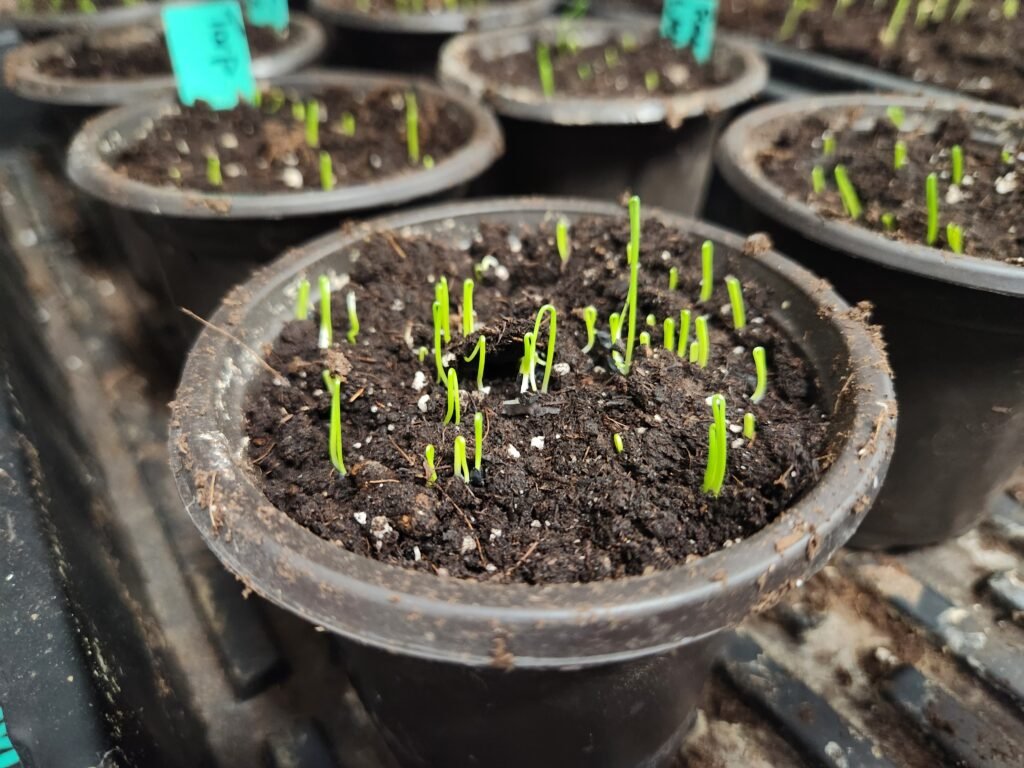
If you’re feeling behind on seed starting, you’re not alone. Every spring we hear from gardeners who look at the calendar and wonder if they’ve already missed their chance.
The truth is, timing matters, but being “late” doesn’t mean you’re out of options. Some crops simply must be started indoors, even if you’re getting a later start than planned.
This post contains affiliate links. If you use these links to buy something we may earn a commission. Thanks.
In this article, I’ll walk you through four seeds you still need to start indoors if you want any meaningful harvest this season. These are long-season crops that struggle or fail entirely when direct sown outdoors.
If you’re reading this earlier in the season and want to plan ahead, we also put together a full guide on seeds to start in February in Zone 5, which covers ideal timing from the very beginning.
But if you’re already behind, keep reading. There’s still time to avoid a disappointing season.
Start Onion Seeds:
Onions are a must plant now seed because they need to be started a minimum of 8-10 before you last frost date. Our last frost date is mid May so we needed to get our onions started by the middle of March.
On top of that most onion varieties require close to 100 growing days before harvesting. Those 100 days are AFTER transplanting.
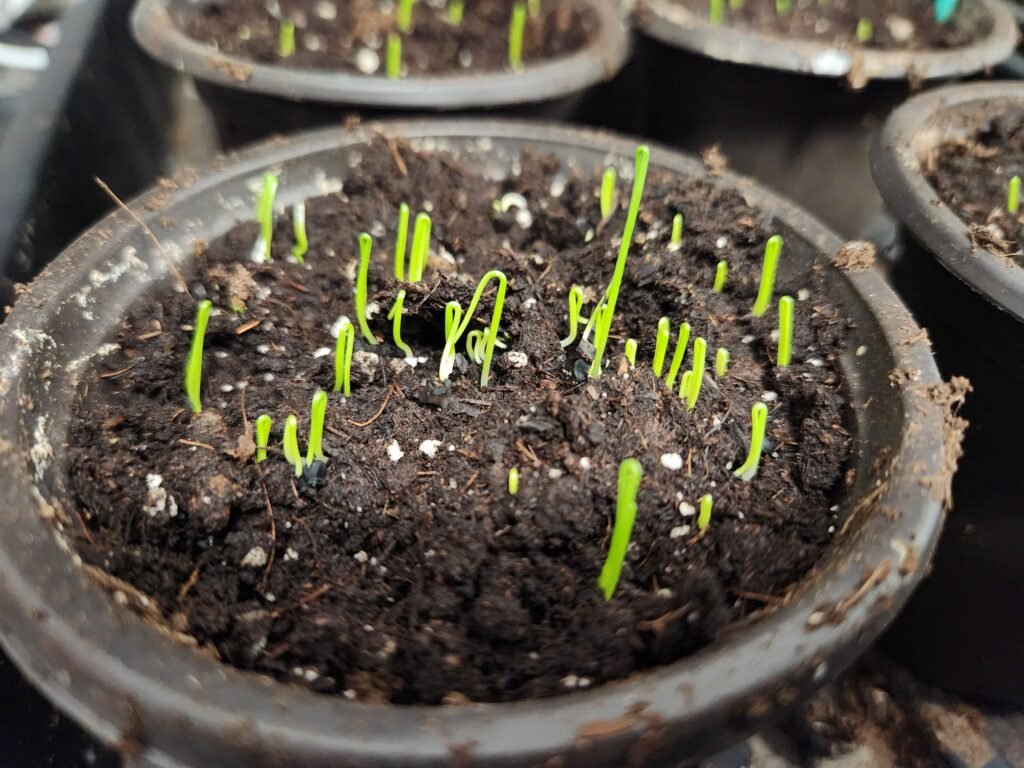
It can be misleading when reading seed packets. They give you the seed starting timeline and the days to harvest. But it never mentions that the days to harvest started after the seedlings have been transplanted in the ground.
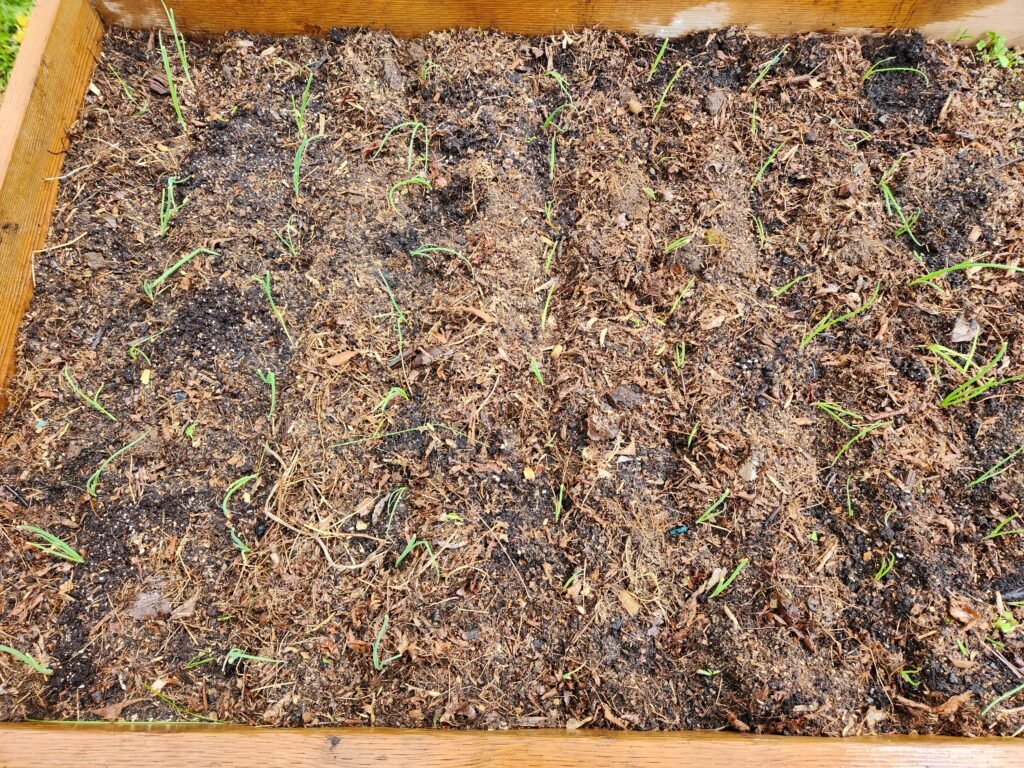
Onions are a little better than the rest of the vegetables we will talk about later because they can be transplanted before the last frost date. Onions grow better when they are still small when transplanted and while the days are still cool.
If onions are planted too late they could prematurely bolt (flower) if the days are too long and hot. Onions are photo period-sensitive, meaning they need enough time to mature before longer summer days signal flowering instead of bulbing. Another side affect of late planting could be smaller bulb on your onions or a completely failed harvest all together.
In Zone 5B that means we can transplant them in early May and they’ll be ready to harvest by September. This is basically the end of our outdoor growing season so starting onion seeds on time is paramount.
If you live in a growing zone that is warmer than ours you’ll have a later last frost date. So you could still start onion seeds in April and have enough growing season left to get a solid harvest.
Recap Of Why To Start Onion Seeds Indoors Now:
- Onions require 8-10 weeks of growth before being transplanted outside.
- Once transplanted, onions need a long growing season. About 100 days of growth after transplanting before harvesting.
- Cool temperature help early growth of young onion seedlings.
- Daylight hours affect bulb formation.
- Late planting leads to smaller onions or no harvest.
If You’re Starting Onion Seeds Late
If you’re starting onion seeds later than recommended, expect smaller bulbs — but not necessarily a failed crop. Choose faster-maturing varieties, keep seedlings trimmed, and transplant as soon as your soil can be worked.
As a backup, onion sets can help fill gaps if seedlings don’t size up in time.
Start Pepper Seeds:
If you want a bountiful harvest of sweet or spicy peppers this summer, now is the time to start your seeds!
Why You Need to Start Your Pepper Seeds Right Now
Pepper plants (also known as capsicum annuum) are slow growers, often taking 8-12 weeks to reach a strong transplant size. Because they thrive in warm weather and need a long growing season to produce fully mature fruits, starting them indoors early ensures they have enough time to develop before being moved outdoors after the last frost.
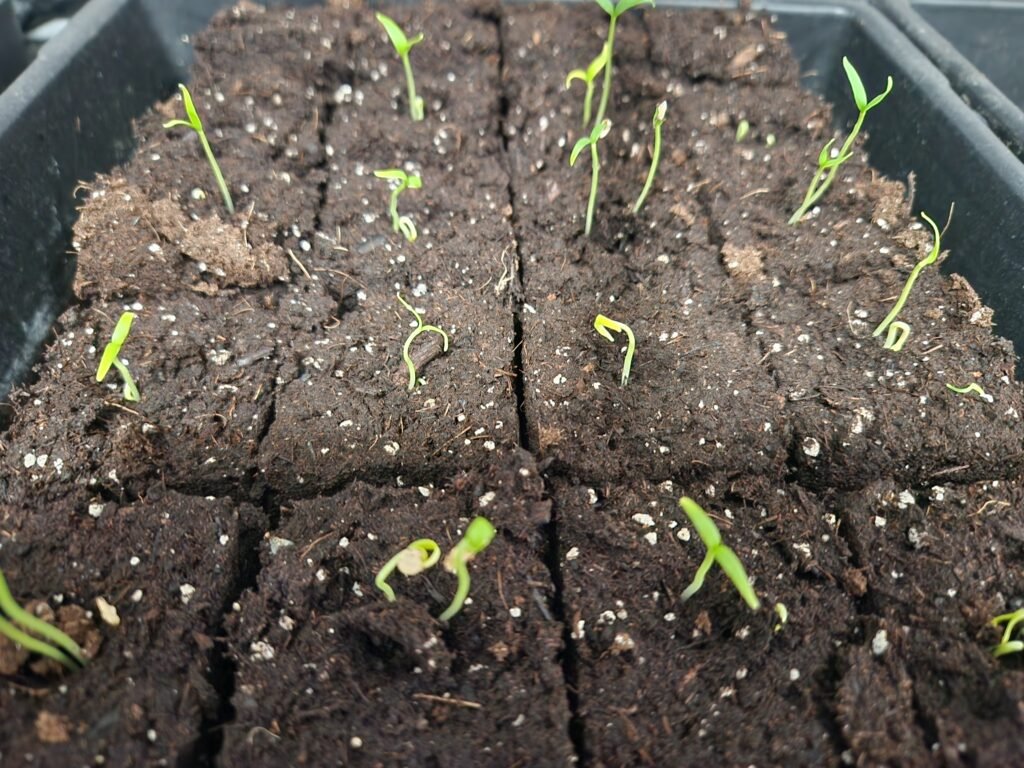
Waiting too long to start pepper seeds can result in stunted plants, delayed harvests, and lower yields. We transplant our peppers two weeks after our last frost date of mid May and we started our pepper seeds on March 23rd this year.
Unlike fast-germinating vegetables, peppers take their time to sprout. Some varieties can take up to two weeks just to emerge from the soil. They also require warm temperatures (around 75-85°F) for successful germination.
Starting them early indoors under controlled conditions allows them to establish strong roots. This translates into healthier plants and bigger harvests later. If you delay planting, your peppers may not have enough time to produce ripe fruit before the cooler fall weather sets in, cutting your harvest short.
Additionally, early seed starting gives you a head start on growing a wider variety of peppers. Many unique heirloom and specialty varieties are only available as seeds, not as nursery seedlings.
By starting early, you can grow your own diverse selection and ensure your peppers reach peak production during the warmest months of summer. Get those seeds planted now, and you’ll be rewarded with vibrant, flavorful peppers all season long!
We have a complete pepper growing guide to help.
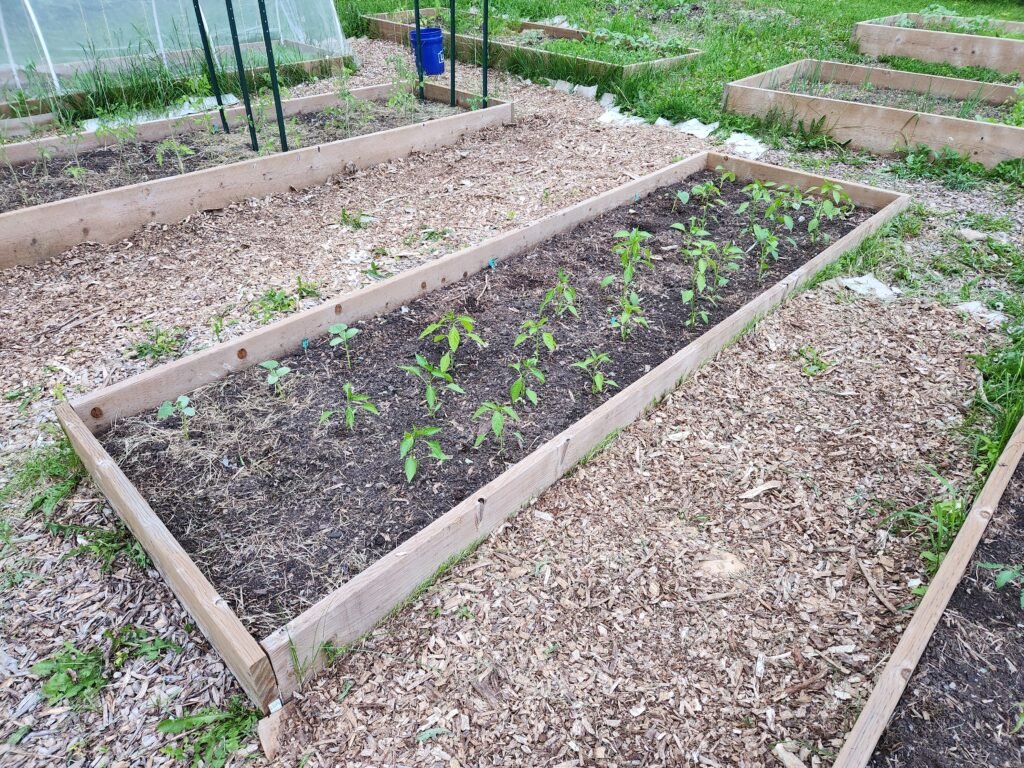
Recap Of Why To Start Pepper Seeds Indoors Now:
- Peppers need a long growing season.
- Slow germination of pepper seeds means they require a head start.
- Peppers love hot weather and need it to germinate which is easy to do indoor with a heat mat.
- Late planting will delay your harvest. Which will also reduce the yield of your harvest.
If You’re Starting Pepper Seeds Late
Late-started peppers can still produce, but harvests will likely come later in the summer. Focus on early-maturing varieties, provide consistent heat during germination, and avoid letting seedlings stall indoors.
Warm soil, strong light, and patience become even more important when starting peppers behind schedule.
Start Celery Seeds:
Celery is one of the slowest-growing vegetables in the garden, often taking 10-12 weeks to reach transplant size. That’s why starting your celery seeds early is essential if you want to enjoy a productive harvest later in the season.
We are attempting to grow celery for the first time this year and we started our celery seeds on March 5th. That is over 2 months before our last frost date.
Unlike fast-growing crops like lettuce or radishes, celery requires a long, cool growing period before it matures. If you wait too long to plant, your celery won’t have enough time to develop thick, flavorful stalks before summer heat or fall frosts arrive.
Another reason to start celery seeds now is their notoriously slow and tricky germination. Celery seeds can take up to three weeks to sprout, and they require consistent warmth (70-75°F) and moisture to germinate successfully.
By starting them early indoors, and using a heat mat along with humidity domes, you can control their environment and ensure they have the best possible start. Delaying seed starting could mean you run out of time for them to mature before the growing season ends, leaving you with thin, underdeveloped stalks.
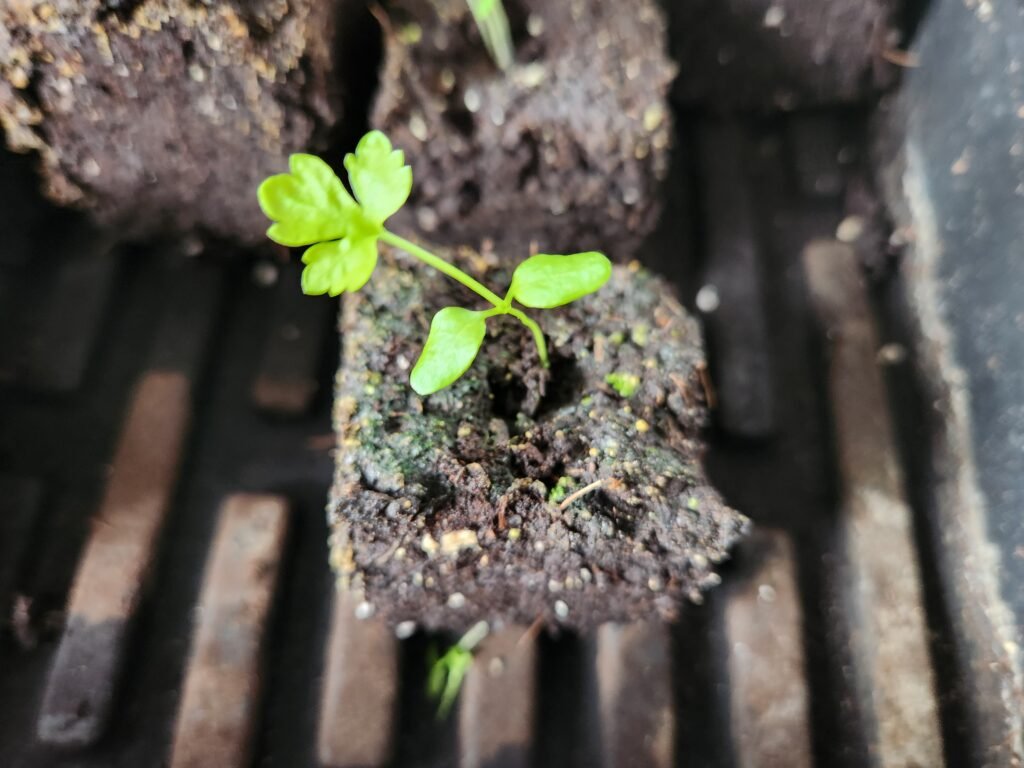
Starting celery early also allows for better succession planting. Since celery grows best in cooler temperatures, having strong seedlings ready to transplant as soon as the weather allows ensures they get a good start before summer heat slows their growth.
If you wait too long, your celery may struggle in warm conditions, leading to bitterness or bolting (going to seed prematurely). By getting your seeds started now, you set yourself up for a steady, high-quality harvest when you need it most.
Recap Of Why To Start Celery Seeds Indoors Now:
- Celery is a slow grower.
- Germinating celery takes a long time.
- Celery needs a long cool growing period.
- Late planting leads to poor growth.
- Early start allows for succession planting.
If You’re Starting Celery Seeds Late
Celery started late may produce thinner stalks, but it can still be worth growing. Prioritize steady moisture, cooler growing conditions, and transplant as early as weather allows.
Even a smaller celery harvest is better than none, and homegrown celery still outperforms store-bought in flavor.
Start Rosemary Seeds:
Rosemary is a notoriously slow grower, often taking several weeks just to germinate. If you want robust, fragrant rosemary plants for your herb garden this season, you need to start your seeds as early as possible.
Some gardeners have it lucky with rosemary and it is a perennial plant for them. In order for rosemary to be a perennial though, you need to live in zone 7 or higher. We are in zone 5B so rosemary is an annual plant for us.
If started too late, young rosemary plants may not have enough time to develop resilience before being exposed to fluctuating spring temperatures. Early seed starting allows you to grow sturdy plants that can be transplanted successfully and thrive throughout the summer and beyond.
Unlike fast-growing herbs like basil or cilantro, rosemary requires patience. It can take 14 to 28 days for seeds to sprout under the right conditions. By starting early, you ensure your plants have enough time to establish strong roots and develop into healthy, productive herbs before the growing season is in full swing.
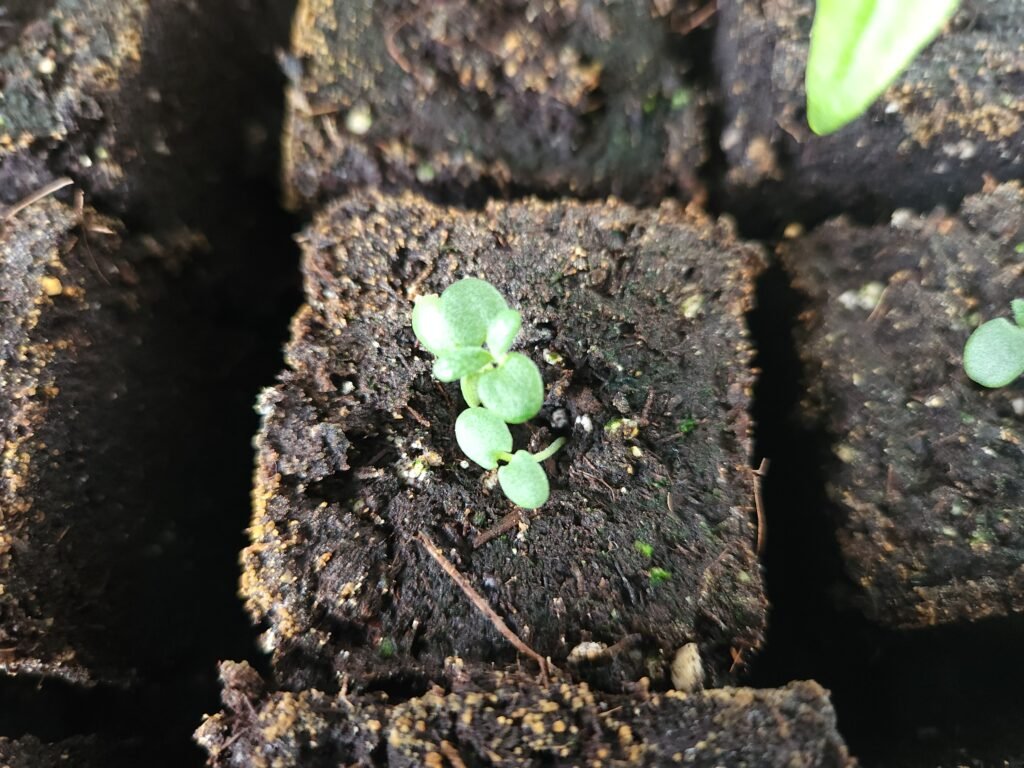
While rosemary can also be propagated from cuttings, starting from seed ensures strong, disease-free plants right from the beginning. Since rosemary is a perennial in many climates, getting an early start means your plants will be well-established for future growing seasons, providing you with fresh rosemary for years to come.
Recap Of Why To Start Rosemary Seeds Indoors Now:
- Rosemary is a slow grower.
- Germination takes a long time.
- Rosemary needs to be mature before transplanting.
- Well established plants can last for years.
If You’re Starting Rosemary Seeds Late
Rosemary started late will grow slowly and may not reach full size its first year, especially in colder climates. If you’re behind, consider starting fewer plants and focusing on keeping them healthy rather than pushing growth.
In some cases, starting rosemary from cuttings can be a faster alternative.
Frequently Asked Questions
Not necessarily. While starting seeds earlier gives the best results, some slow-growing crops still need an indoor start even if you’re behind. Starting late is often better than not starting at all.
Late-started plants may produce smaller harvests or mature later in the season, but many will still grow successfully with proper care, warmth, and light.
For long-season crops like onions, peppers, celery, and rosemary, direct sowing often leads to poor results. Even late indoor starting usually gives better outcomes than planting directly outdoors.
Yes. Garden centre transplants can be a good backup if you’re very late, but starting from seed still gives you more variety and control over plant health.
Yes, especially for crops that require a long growing season. Even a partial harvest is often better than skipping them entirely.
Don’t Wait: Start These Seeds Now!
If you’re already behind on seed starting, don’t panic, but don’t wait either. These slow-growing crops still need to be started indoors if you want a worthwhile harvest this season.
Starting onions, peppers, celery, and rosemary now gives them the best possible chance to mature before fall, even if your timeline isn’t perfect.
We hope you enjoyed this guide on late-start seed starting. If you did, be sure to check out our other growing guides, seed saving guides, recipes, and medicinal plant articles, where we share practical, real-life experience from our garden.
We’re growing our website with new content all the time, and we invite you to grow with us. Whether you’re a seasoned gardener or just getting started, understanding how to adjust timing can make the difference between success and disappointment.
If you have questions or want to share how your seed starting season is going, even if you’re behind, feel free to leave a comment below.
Happy gardening!