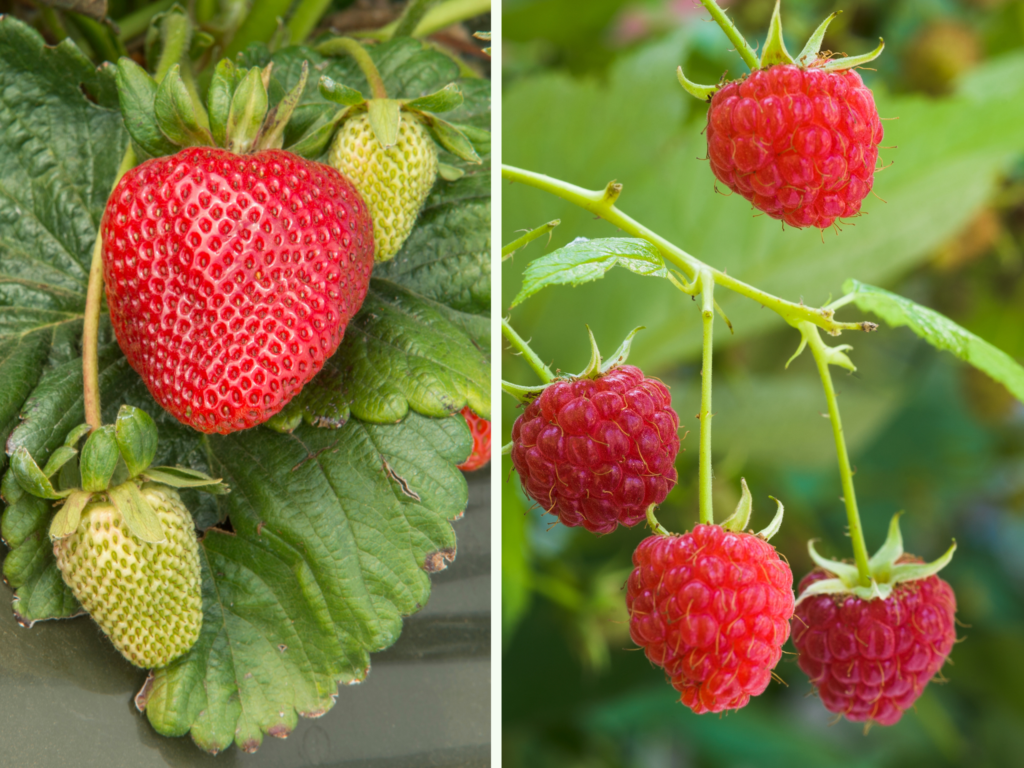
My friend asked me, “which fruit it better to grow, raspberries or strawberries?”. They are just starting their gardening journey, so I thought this would be a great opportunity to write a quick article explaining what I said.
Which is better? Well, that depends on your needs and wants really!
We grow both types of fruit on purpose, and we even have some wild raspberries growing on the outskirts of our property. After a few summers of growing both, I can clearly outline the pros and cons of each and which to grow based on your needs!
This post contains affiliate links. If you use these links to buy something we may earn a commission. Thanks.
Strawberries
Delicious and beloved by all animals.
Types of Strawberries
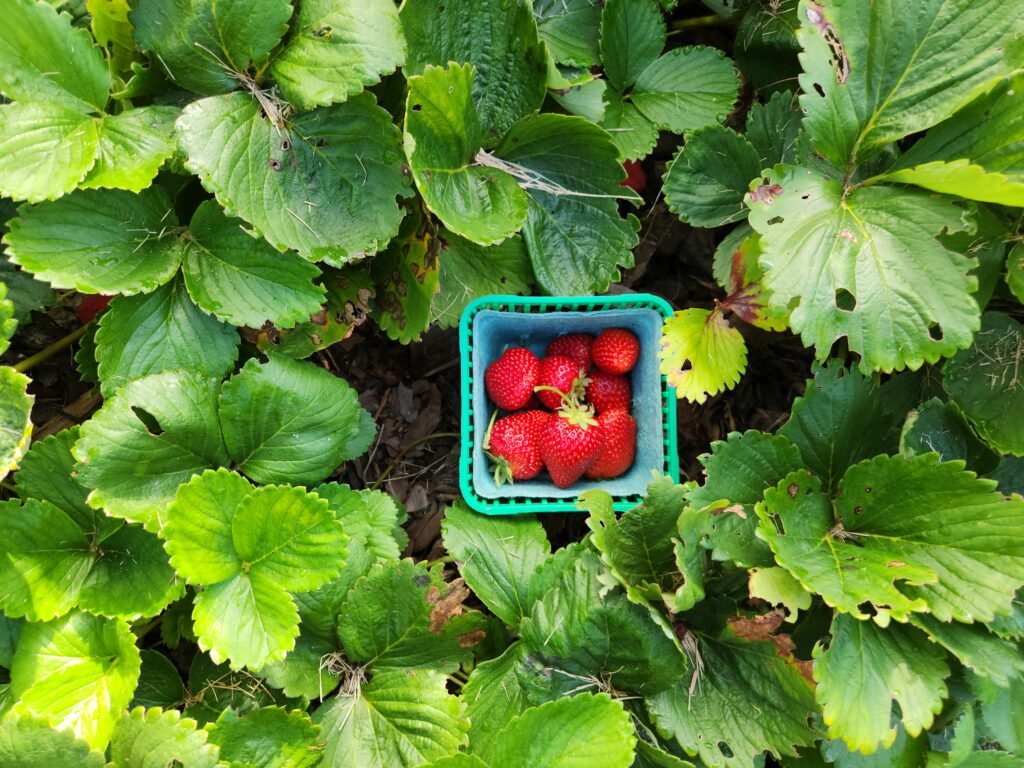
There are two main types of strawberries, June-bearing and ever-bearing.
- June-bearing means it bares fruit in June only, and produces lots and lots of fruit.
- Ever-bearing means it will continue to produce fruit all summer long.
Strawberry Runners
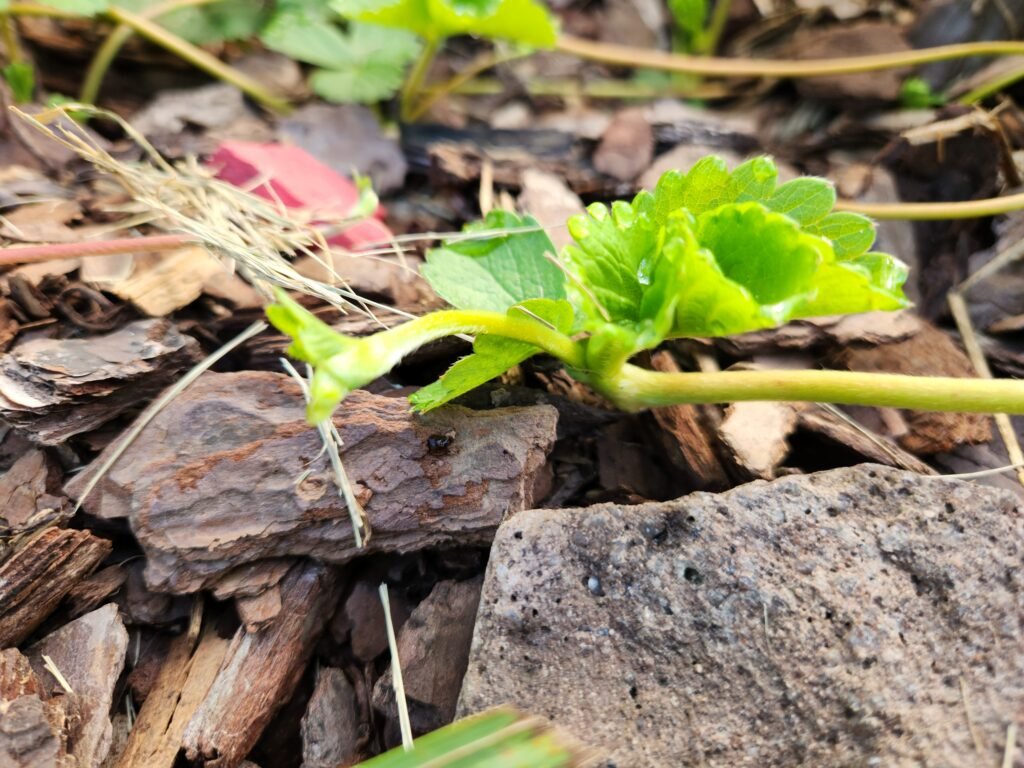
Strawberries grow quickly via runners they produce; each runner grows its own leaves and fruit heads and produces another runner. Before you know it, the garden bed will be covered in runners and maybe not too much fruit. The more the plant focuses on producing runners, the less berries it will produce since it’s devoting it’s energy into expanding.
To increase the amount of fruit from ever-bearing strawberries, you need to cut the runners off the plant.
For the everyday gardener or beginner gardener, I would recommend getting the ever-bearing strawberry variety. There’s nothing better than fruit all season long.
If one day you want to sell strawberries or have a PYO strawberry farm, then June-bearing is the way to go.
Strawberry Soil
Strawberries are not picky about the soil they’re in, they thrive in a variety of soil pH and hardness levels.
Right now, ours share a bed with blueberry plants that require very acidic soil. Strawberry roots are also very shallow and sometimes aren’t even IN the dirt when the runners grow berries!
The best thing to do is to provide them with the most optimal soil – that includes good compost and soft workable soil.
Strawberry Growth
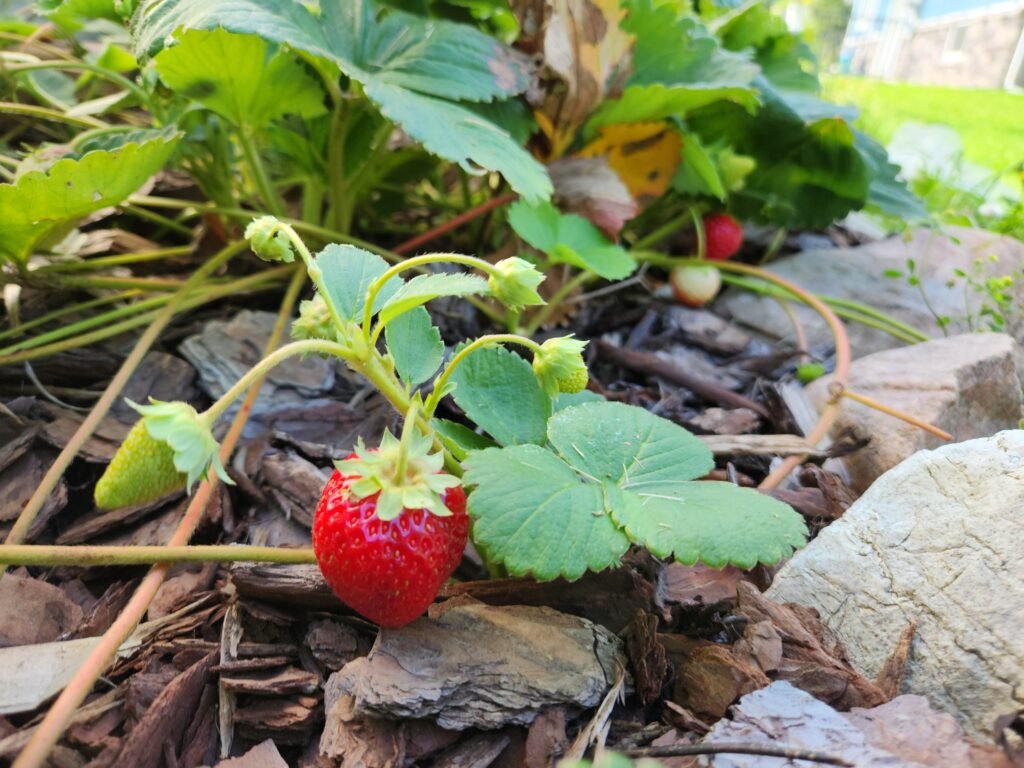
Additionally, strawberries can be grown vertically or horizontally (on the ground). Growing them in a Vertical Planter that cascades down with spaces for runners is a very popular way to grow strawberries right now.
Vertical gardening is on the rage and while I haven’t tried this one personally, I haven’t heard a bad thing about it.
Some Issues With Growing Strawberries
1. Strawberries are ‘invasive’
I put that in quotations because I believe that ‘invasive’ is thrown around only when it’s referred to a species that ‘someone’ doesn’t like. Weeds are called invasive because they grow where you don’t want them to grow.
But most plants, in some way, are invasive. If strawberry runners are not maintained, they will grow more and more and more runners until the bed is overrun. Be sure to maintain the runners!
- Are Raspberries Invasive? The Answer Might Surprise You
- Tomatoes: A Weed or Invasive Species?
- Is Mint Invasive or a Powerful Medicinal and Culinary Herb?
2. Strawberries are loved by all and get eaten by all
This is in reference to organic gardening, (which I truly hope you are doing!). When you have organic strawberries that aren’t protected properly from your native wildlife, you will have to pay a hefty nature tax.
We’ve been working on the perfect protection for our bed at this property. It took us most of the 2023 growing season to figure it out, but we got there eventually so next summer our bed will be perfect!
Protect Strawberries By:
- Cover with netting mesh to protect from birds and other small animals
- Painting large (roughly palm sized) rocks red at the beginning of the season
- When an animal tries to eat it, they’ll realize that red does not mean food.
- Growing in a raised bed with over 6” of space between the top of the soil and the top of the bed.
- This way when the strawberry plants grow the green tops will be a natural cover and the birds and animals won’t notice or look for the strawberries hidden beneath
3. Early strawberries tend not to get pollinated
Hand pollination in the early spring is key. We found that out here when our strawberries first started to flower, almost all the flowers turned black and we didn’t get anything. We started to hand pollinate and it really helped with production.
As the season got warmer and more flowers bloomed, we found that the strawberries were finally getting naturally pollinated by insects and bees.
As a side note, having lots of early spring flowers (like poppies, daffodils and tulips) could help with natural insect pollination of those early berries! We have a video on how to hand pollinate your strawberry flowers here.
Raspberries
These wonderful berries are very delicious and beloved by all, raspberries are an interesting crop and a bit more complicated that strawberries.
I’ll be trying to keep this article high-level. There are two types of raspberry plants, ever-bearing (sometimes called autumn-bearing) and summer-bearing. This refers to when the plant fruits.
Now there’s also another difference in raspberry plants and it’s based on their cane growth, having floricanes (grow in year 1 and fruit in year 2) and primocanes (grow and fruit in year 1).
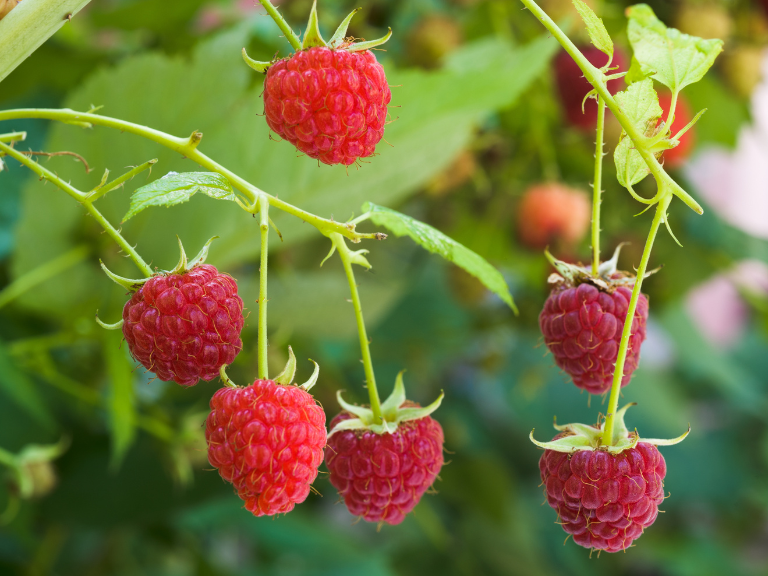
Types of Raspberries
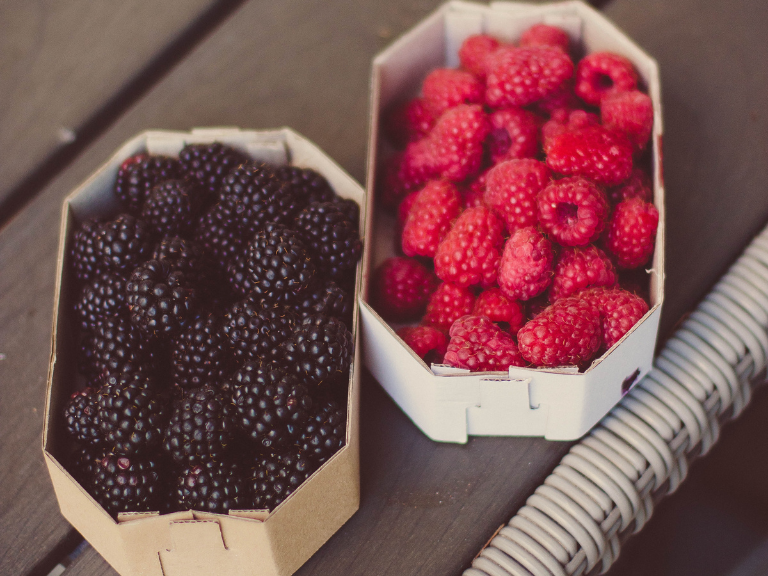
There are two main varieties of raspberries, red and black raspberries. And specific varieties, like wild red raspberries will be ever-bearing on a primocane, but my nursery purchases red raspberry plant is a floricane and summer-bearing.
Lots of nuances, but it’s most commonly a floricane (grow in year 1 and fruit in year 2) variety you will get from a nursery.
- How to Grow Red Raspberries (Summer-Bearing and Fall-Bearing)
- How to Grow Black Raspberries (Complete Care & Pruning Guide)
- Wild Black Raspberry Plant: How to Grow, Cultivate, and Prune Them Successfully
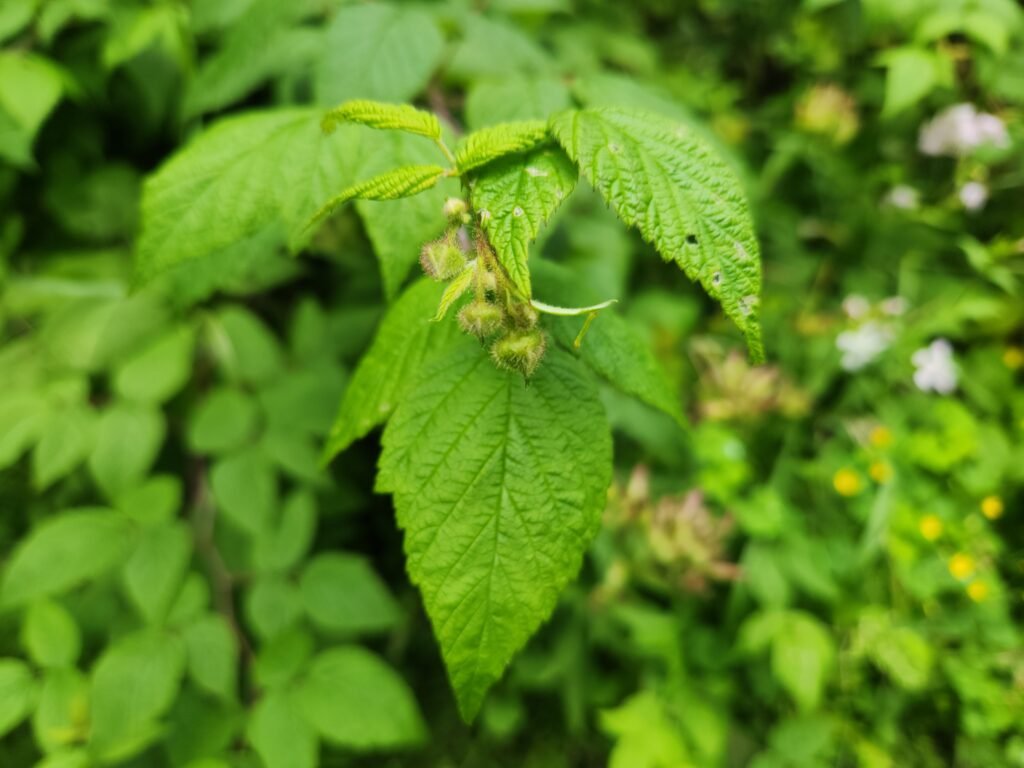
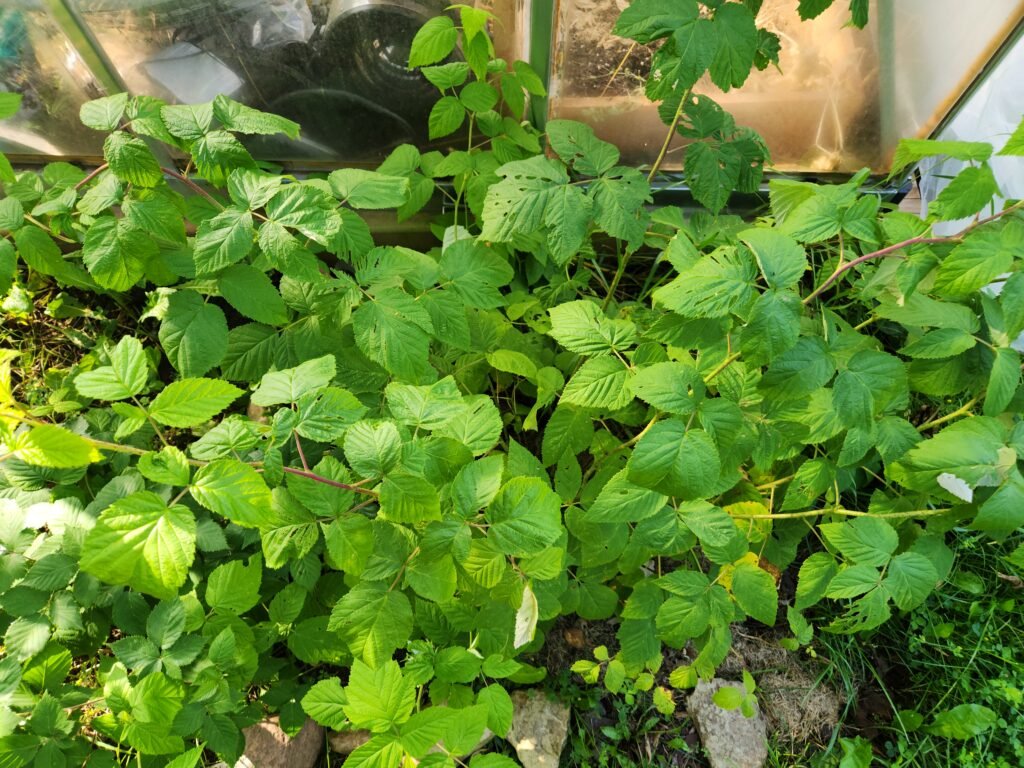
We have three types of raspberries on our property and I truly love both types of plants. Additionally, you also have countless varieties of raspberries, what we have and what majority of people will see, are black raspberries or red raspberries.
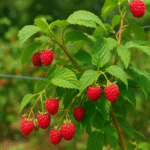
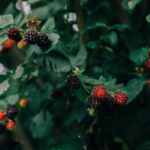
Black raspberries start off as red and turn into a black/purple colour in it’s final formation. Whereas red raspberries just turn into that brilliant, traditional red we are all used to seeing.
Raspberry Soil
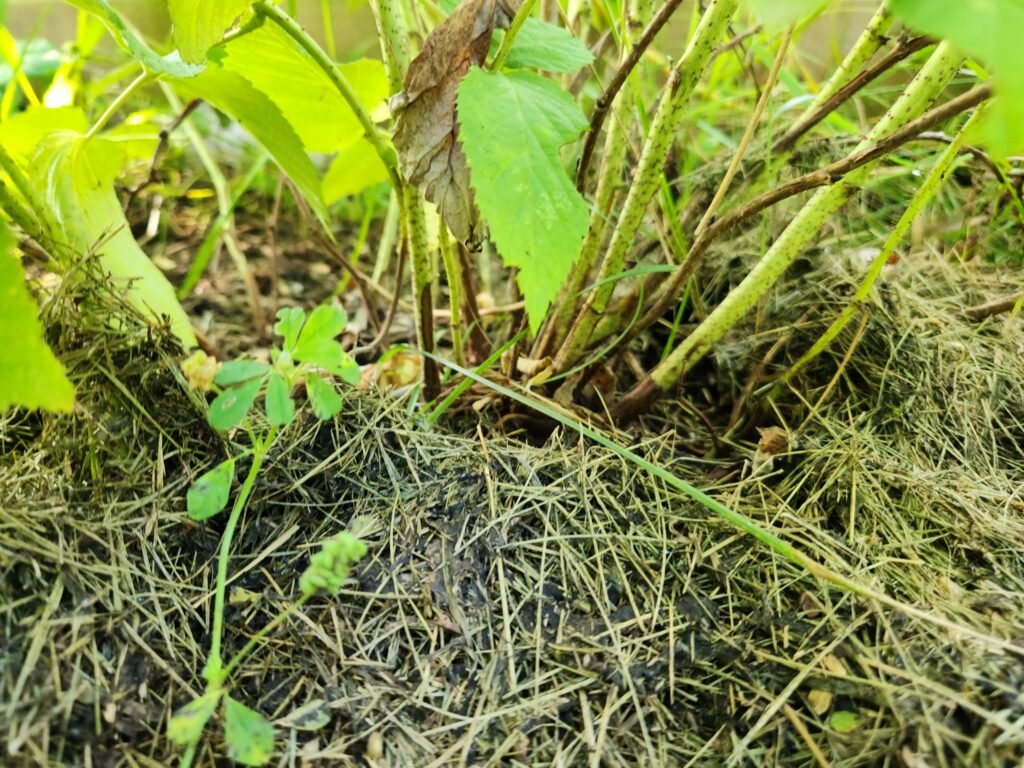
When it comes to soil, raspberries are a little picker than strawberries. They like well draining clay-type soil and my property has lots of that – hence the reason we have so many growing wildly.
They also prefer their soil a bit more acidic, which tends to be a common fairly thing for fruit and citrus plants.
Raspberries can grow to be big plants, unlike strawberries, they can’t really be grown vertically so space is required for them to flourish.
Some Issues Growing Raspberries
1. Need a lot of Space
Each year they get bigger and longer and produce more and more fruit. If you are looking for a small space saving fruit variety long-term, raspberries are not the way to go.
2. Eaten by All
However, they tend to be eaten less savagely compared to strawberries. In our experience, once covered with a netting mesh cover, the raspberries are safe.
3. Shorter Growing Season
Raspberry season tends to run for the month of July, give or take a few weeks. Our first raspberry was in June and our last was end of July. The ever-bearing raspberry is just starting to form flower buds in mid-August.
Which Fruit is Better: Raspberries or Strawberries?
That is truly up to you and your family’s gardening dreams. I will continue to grow both because we can. Each passing year you gain more practical knowledge and learn which is better for you.
If you’re in a small condo or town-home, ever-bearing strawberries would probably be the better plant to grow because it can grow in the vertical planter, they aren’t picky with soil and they bear fruit all year.
If you’re in a suburban yard, a raspberry bush would be great along fencing or on the edge of the property, similar to the popular suburban Hosta plants.
We love raspberries during the season, we get handfuls to eat at a time and one day perhaps we’ll be able to have enough to freeze dry or make some fruit leather with it.
We also really love our ever-bearing strawberry patch, we are getting 4-8 strawberries a day in August and it’s a perfect stream of fruit for us.
More Raspberry Articles
Want to learn more about raspberries? Here’s all our related content:
- How to Grow Red Raspberries (Summer Bearing & Fall Bearing)
- How to Grow Black Raspberries (Complete Care & Pruning Guide)
- Wild Black Raspberry Plant: How to Grow, Cultivate, and Prune Them Successfully
- Pruning Raspberries: Step-by-Step for Each Variety
- Are Raspberries Invasive? The Answer Might Surprise You
- What is the Difference Between Wild Black and Black Raspberries?
- Raspberry Leaf Tea Benefits: A Complete Herbal Guide
So… Which Fruit is Better?
That is truly up to you and your family’s gardening dreams. I will continue to grow both because we can. Each passing year you gain more practical knowledge and learn which is better for you.
Small Condo/Apartment: ever-bearing strawberries would probably be the better plant to grow because it can grow in the vertical planter, they aren’t picky with soil and they bear fruit all year.
Suburban Yard: a raspberry bush would be great along fencing or on the edge of the property, similar to the popular suburban Hosta plants.
We love raspberries during the season, we get handfuls to eat at a time and one day perhaps we’ll be able to have enough to freeze dry or make some fruit leather with it. We also really love our ever-bearing strawberry patch, we are getting dozens of strawberries per day and it’s a perfect stream of fruit for us.
Hopefully this article helped shed some light for you to discover what fruit would be best for you and your home.
If you’re growing berries at home, you can explore all of our hands-on advice in our Berry Growing Guides, based on what actually works here on our homestead.
We are growing our website with more articles all the time, and we invite you to grow with us. If you have any questions about raspberries or would like to share some of your knowledge with us please leave a comment below. Happy Gardening!