I love medicinal remedies because it’s a simple way to see how connected humans are to nature. I truly believe all ailments could be solved using the proper natural remedies – we just don’t know what they all are yet.
When I was pregnant I started digging into raspberry leaf tea benefits and discovered just how powerful this plant truly is – even if you’re not pregnant. In this article I’ll go over everything about raspberry leaf tea: including what it is, it’s benefits and how to use it.
This post may contain affiliate links. If you use these links to buy something we may earn a commission. Thanks.
What Is Raspberry Leaf Tea?
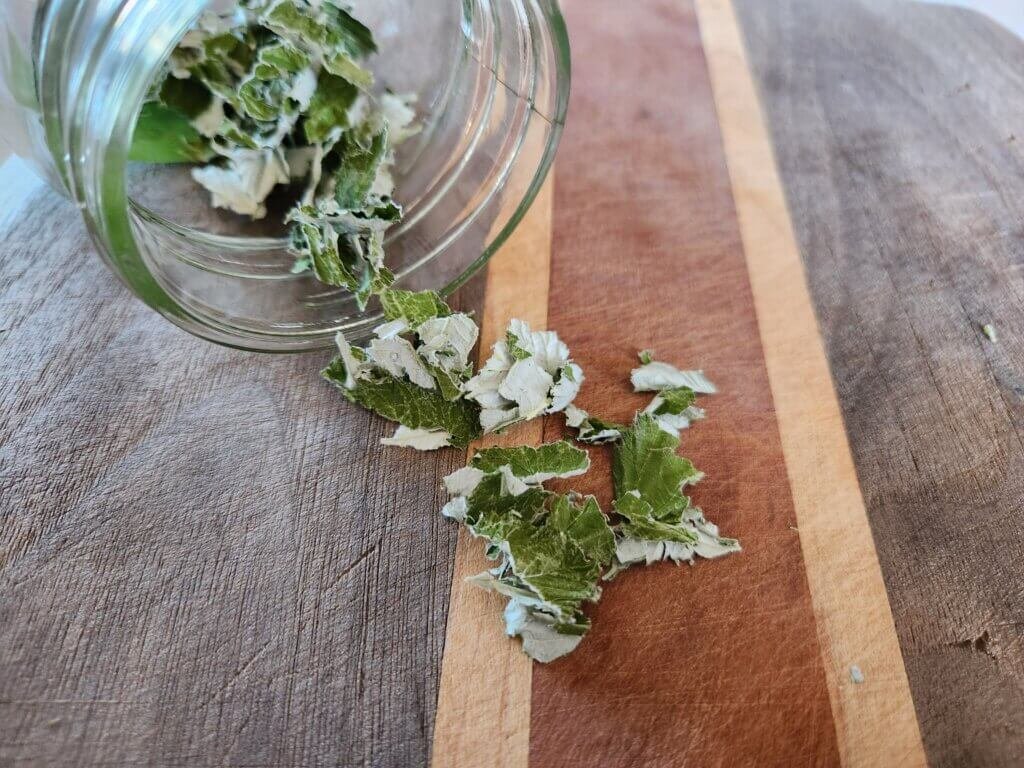
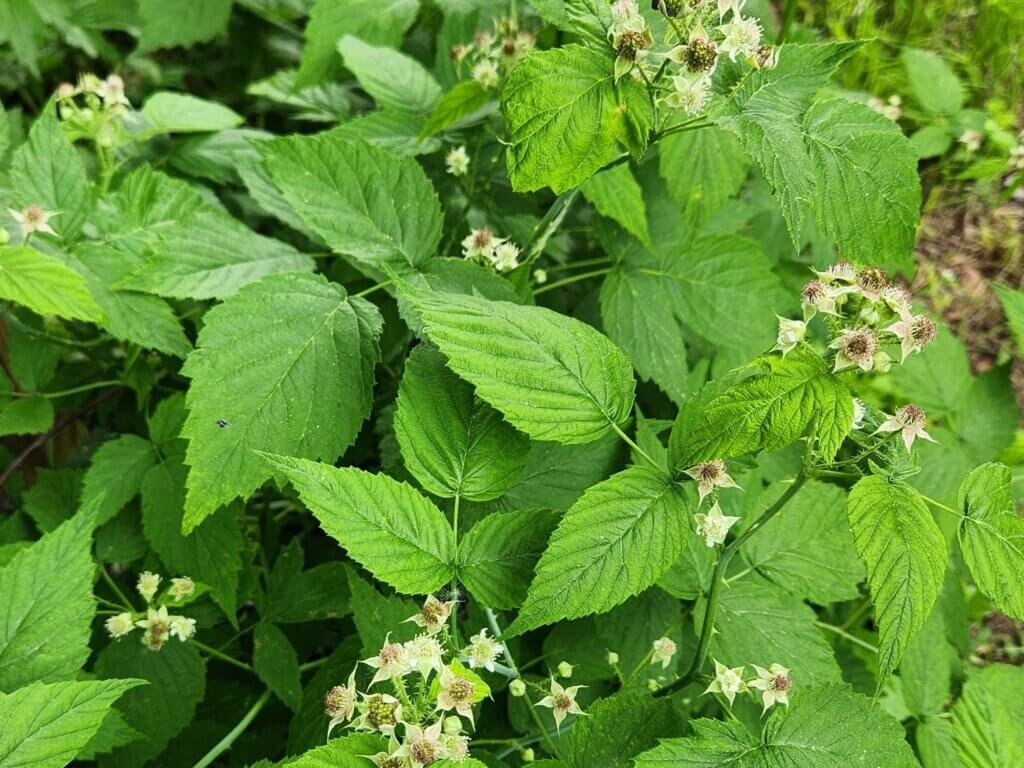
Raspberry leaf tea is made from the leaves of the red raspberry plant. The flavor is mild, earthy, and a little bit grassy with a subtle fruitiness. It’s not a “fruit tea,” even though it comes from a fruiting shrub. The leaves themselves are where the minerals and tannins live (more in the FAQ block on tannins), and that’s what makes this tea special in herbal medicine.
Herbalists have used raspberry leaves for generations, especially for women’s health, pregnancy support, and general wellness. It’s gentle enough for daily use and easy to make whether you have fresh leaves or dried ones.
Yes. Whether the plant has thorns or is thorn-less it doesn’t matter. Using your finger or a gardening glove, gently rub off the thorns from the leaves.

Raspberry Leaf Tea Benefits
There’s so many powerful benefits to raspberry leaf tea and here’s a list of some key benefits of the leaf and why you should add it to your tea cabinet.
Supports the Uterus and Reproductive Health
Raspberry leaves contain a compound called fragarine (in FAQ block below), which is known for helping tone the muscles of the uterus and pelvic region. This is why raspberry leaf tea is commonly recommended during the last trimester of pregnancy.
Many women also drink it to help with mild cramping, cycle regularity, or general reproductive support.
A Natural Source of Vitamins and Minerals
The leaves are surprisingly nutrient-dense. They contain:
- Magnesium
- Iron
- Calcium
- Potassium
- Vitamin C
- Antioxidants
When steeped in a hot-infusion (tea), these help support energy levels, reduce fatigue, and give a nice boost during times when your body needs extra minerals.
Anti-Inflammatory Properties
Raspberry leaves have natural anti-inflammatory benefits thanks to their antioxidants and tannins. They may help ease headaches, muscle tension, and general aches. I often reach for a cup of raspberry leaf tea on long when everything feels a little tight and sore.
Hormone Balance Support
While it isn’t a magic fix, raspberry leaf tea may gently support hormone balance because of its tannins, minerals, and plant compounds. It’s often used to help encourage more comfortable menstrual cycles.
Digestive Support
The tannins in raspberry leaves help tighten and tone tissues. This can be soothing if you’re dealing with loose stools or digestive irritation. It’s a gentle herb, so it won’t upset the stomach.
Antioxidant Protection
Plants in the berry family are known for their antioxidant content. The leaves have many of those same compounds. Antioxidants help your body handle everyday stress and free radicals and support overall wellness.
Raspberry Leaf Tea Benefits During Pregnancy
This tea is most famous for its use during pregnancy. It’s typically recommended in the third trimester, but every body is different, and it should always be used with your provider’s guidance.
First Trimester
Most midwives suggest avoiding raspberry leaf tea early on unless specifically recommended, because it tones the uterus and the extra stimulation might not be the best during early pregnancy.
Second Trimester
Some women start with a small amount here, but usually it’s still introduced slowly.
Third Trimester
This is the most common time to drink it, and usually in the last few weeks. Raspberry leaf tea may help prepare the uterus for labor because of fragarine’s toning effect.
How Much Raspberry Leaf Tea To Drink
A simple and safe guideline is:
- Start with 1 cup per day
- Increase to 2–3 cups only if your body tolerates it well
Safety Notes
Avoid if you have:
- A history of early labor
- Hormone-sensitive conditions
- A known sensitivity to tannins
- Blood thinner use (check with your provider)

How to Make Raspberry Leaf Tea
You can use fresh or dried raspberry leaves. Both work well.
Using Dried Leaves
This is the easiest and most consistent method.
- 1 tablespoon dried raspberry leaves, place in a loose left tea infuser
- 8–10 oz hot water
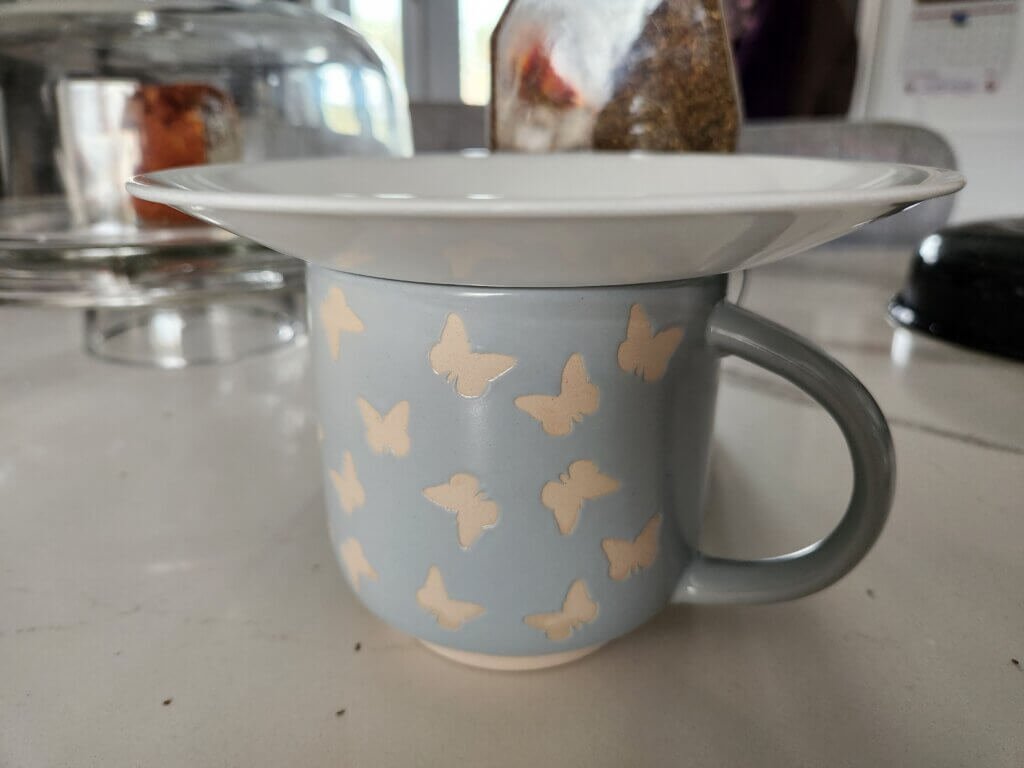
- Steep for 10–15 minutes (cover mug with a lid)
- Sweeten with honey if you like
Using Fresh Leaves
Fresh leaves have a slightly brighter flavor.
- 2–3 fresh raspberry leaves
- Lightly crush the leaves to release their oils
- Place in a loose left tea infuser
- Steep for 10 minutes (cover mug with a lid)
How To Make a Strong Infusion
Herbalists often make “infusions” when they want more medicinal strength. This long steep gives you maximum minerals.
- 1/4 cup dried raspberry leaves
- 1 quart boiling water
- Steep 4–8 hours
- Strain and sip throughout the day
How to Harvest and Dry Raspberry Leaves
If you grow raspberries, making your own tea is easy and very convenient. Once I realized that the ‘red raspberry leaf tea’ I bought during pregnancy was literally just the leaves of a raspberry plant – I never looked back. Since then I started gifting homemade teabags of raspberry leaf tea to my pregnant friends.
When to Harvest
The best time is spring through early summer, before the plant puts most of its energy into fruiting. Choose healthy, vibrant green leaves without any spots or damage.
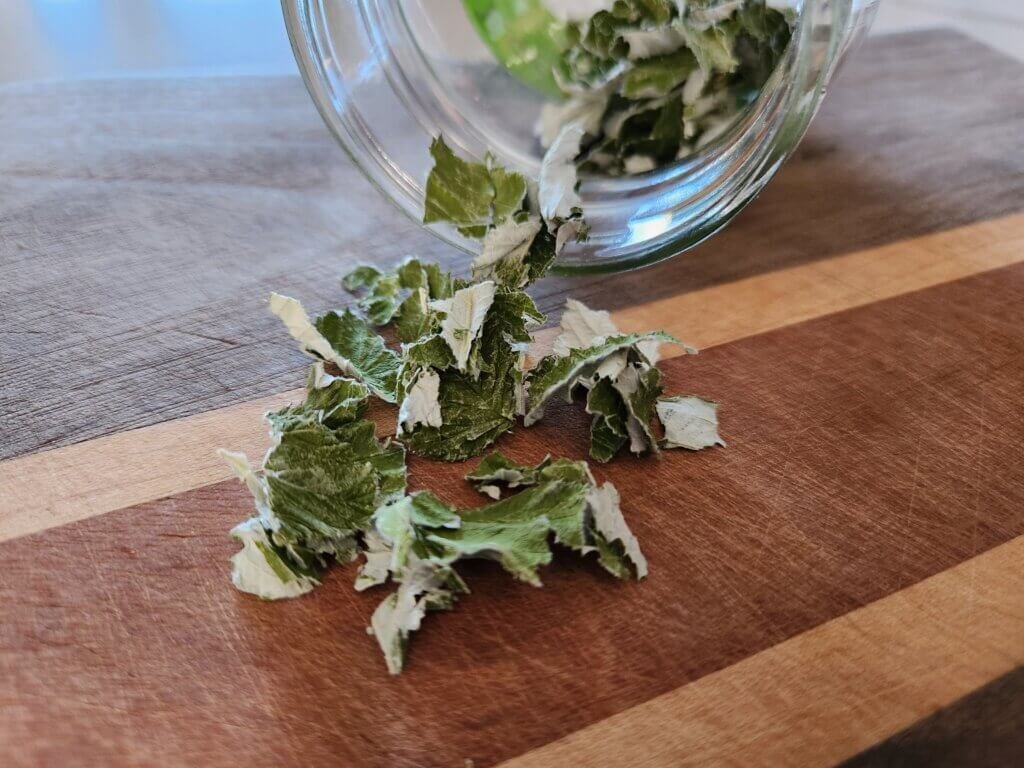
How to Dry The Raspberry Leaves
- Rinse gently
- Pat dry
- Lay in a single layer on a clean towel or drying rack
- Let them air-dry for several days
- OR use a dehydrator on a low setting of 95 – 105oF until dry. Approximately 48-72 hours.
- Store in a jar away from light and moisture
I love the feeling of filling one big jar with leaves and knowing it will last all winter. If you want better harvests next year, you might like my guides on how to prune raspberry plants step-by-step for each variety.
Who Should Avoid Raspberry Leaf Tea
While raspberry leaf tea is gentle, it’s not for everyone. Avoid or talk to your provider first if you:
- Are in your first trimester
- Have a history of early labor or complications
- Take blood thinners
- Have hormone-sensitive health conditions
- Have allergies to raspberry plants
Raspberry Leaf Tea FAQs
It’s a natural plant compound found in many leaves, roots and fruits that help to ‘tighten and tone’ tissues. In raspberry leaf tea, tannins contribute to soothing the gut, firming tissues, and offering gentle anti-inflammatory support.
Fragarine is a compound found in raspberry leaves – it helps tone and strengthen the muscles of the uterus and pelvic region. Fragarine is also thought to play a role in: easing mild menstrual cramps, encouraging more comfortable cycles and supporting overall pelvic muscle function.
Uterine support, minerals, anti-inflammatory properties, hormone support, digestive soothing, and general wellness.
Yes, most people can, but start slowly and listen to your body.
It does not induce labor. It may help tone the uterus but won’t start contractions.
Yes. The minerals and antioxidants benefit everyone.
No. Raspberry flavored tea is usually made from fruits or extracts. Raspberry leaf tea uses the actual leaves.
More Raspberry Articles
Want to learn more about raspberries? Here’s all our related content:
- How to Grow Red Raspberries (Summer Bearing & Fall Bearing)
- How to Grow Black Raspberries (Complete Care & Pruning Guide)
- Wild Black Raspberry Plant: How to Grow, Cultivate, and Prune Them Successfully
- Pruning Raspberries: Step-by-Step for Each Variety
- Are Raspberries Invasive? The Answer Might Surprise You
- Raspberries or Strawberries – Which Is the Better Fruit to Grow?
- What is the Difference Between Black Raspberries and Wild Black Raspberries?
Final Thoughts: A Simple Herbal Tea Worth Keeping in Your Kitchen
Raspberry leaf tea is one of those forgotten herbal remedies that feels like it should’ve never gone out of style. If you already grow raspberries, you have everything you need right in your backyard. If not, the dried leaves are easy to find and just as nourishing.
This gentle tea has supported women for generations, and it’s one of the easiest ways to bring a little herbal healing into your daily routine.
If you’re growing berries at home, you can explore all of our hands-on advice in our Berry Growing Guides, based on what actually works here on our homestead.
We are growing our website with more articles all the time, and we invite you to grow with us. If you have any questions about raspberries or would like to share some of your knowledge with us please leave a comment below. Happy Gardening!