
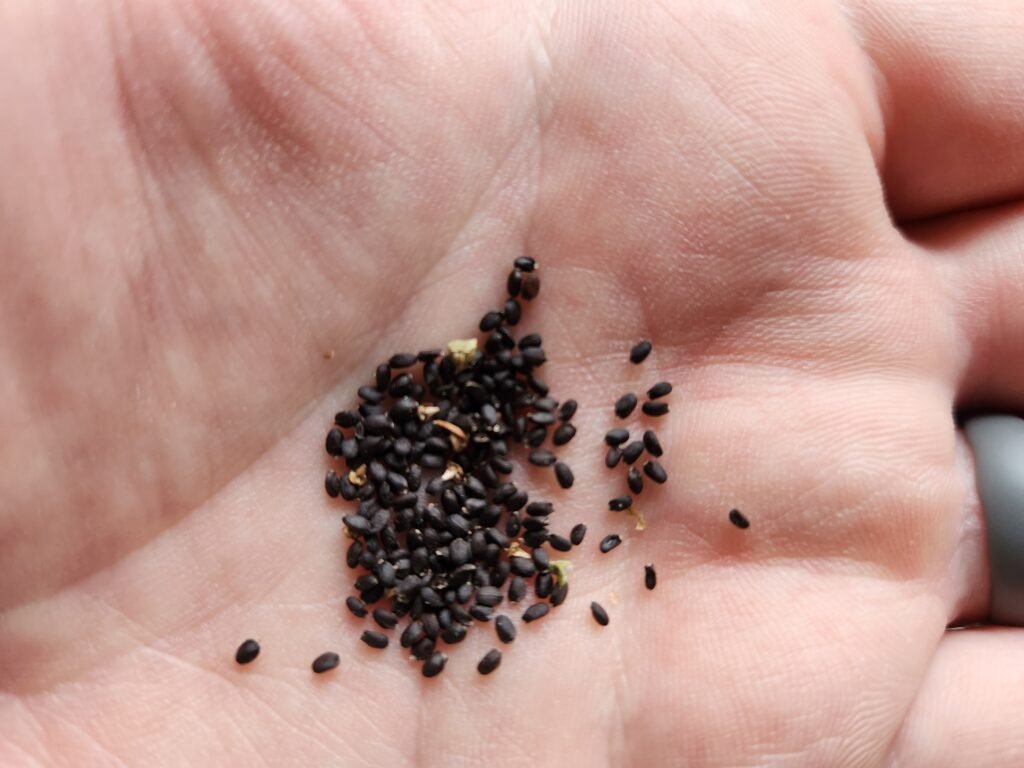
At DBS Farm Wilson, we believe every garden holds a story. One meant to be shared, preserved, and passed down through generations. Seed saving isn’t just about sustainability. It’s about self-reliance, biodiversity, and learning how to work with your garden instead of starting from scratch every year.
This page is your complete seed-saving hub. Whether you’re just getting started or refining your techniques, you’ll find beginner guides, crop-specific tutorials, storage tips, and seasonal advice, all in one place.
Why Save Seeds?
Saving seeds is more than just a gardening practice; it’s a step toward food security and independence. Here’s why you should start saving seeds today:
- Cost-Effective – No need to buy new seeds every season!
- Stronger, Adapted Crops – Seeds saved from your garden adapt to your soil and climate, making them more resilient.
- Preserving Heirlooms – Keep rare and heritage varieties alive for future generations.
- Self-Sufficiency – Take control of your food supply and reduce reliance on commercial seed companies.
Seed saving is one of the most empowering skills a home gardener can learn, and it starts with choosing the right crops and methods.
We’ve been saving seeds on our Ontario homestead for years, focusing on reliable, open-pollinated varieties that thrive in short growing seasons.
New to Seed Saving? Start Here
If you’re new to seed saving, start with easy, forgiving plants that don’t require isolation or complex techniques. These guides will help you build confidence quickly and avoid common beginner mistakes.
- 5 Seeds Every Home Gardener Should Be Saving in 2026
- A Simple Way to Save Tomato Seeds
- How to Collect Basil Seeds for an Endless Harvest
- How to Save Pepper Seeds for Next Year’s Garden
Which Seeds Should You Save?
Not all seeds are created equal. For the best results, focus on:
- Heirloom & Open-Pollinated Seeds – These will produce true-to-type plants. Heirloom seeds to save include tomato and basil seeds.
- Non-GMO Varieties – Ensure the purity of your garden’s genetics.
- Easy-to-Save Crops – Start with these: Save pea seeds, Save radish seeds, Save spinach seeds.
Once you’ve mastered these basics, you can move on to more advanced crops and long-term seed storage techniques.
How to Save Seeds Like a Pro
1️⃣ Choose the Best Plants – Select the healthiest, most productive plants to save seeds from.
2️⃣ Harvest at the Right Time – Seeds should be fully mature before harvesting. For fruits and vegetables, let them over-ripen on the plant before collecting. This is important when saving biennial crops like carrot seeds, or when saving pepper seeds from fully ripe fruit.
3️⃣ Clean and Dry Properly – Remove debris, dry seeds thoroughly, and store them in a cool, dark place.
4️⃣ Label Everything! – Keep track of seed variety, harvest date, and any special growing notes.
Storage Tips for Maximum Viability
🔹 Keep seeds in airtight containers or envelopes.
🔹 Store them in a cool, dry place, like a pantry or even the fridge.
🔹 Use silica gel packets to reduce moisture and prolong shelf life.
🔹 Always test germination rates before planting old seeds!
For long-term success, proper drying and storage matter just as much as harvesting at the right time.
Latest Seed Saving Guides
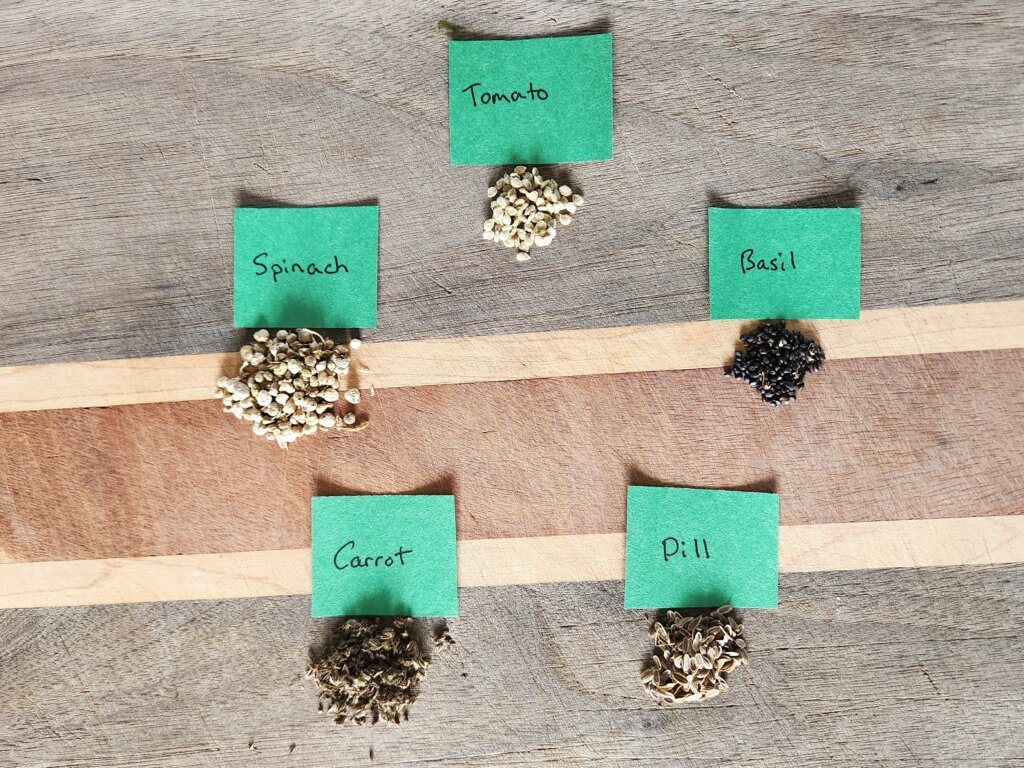
5 Seeds Every Home Gardener Should Be Saving In 2026
When we first started gardening, one of the things that grabbed our curiosity was saving our own seeds. At the time it felt like something only old-time gardeners or seasoned homesteaders knew how to do. But that curiosity nudged us…
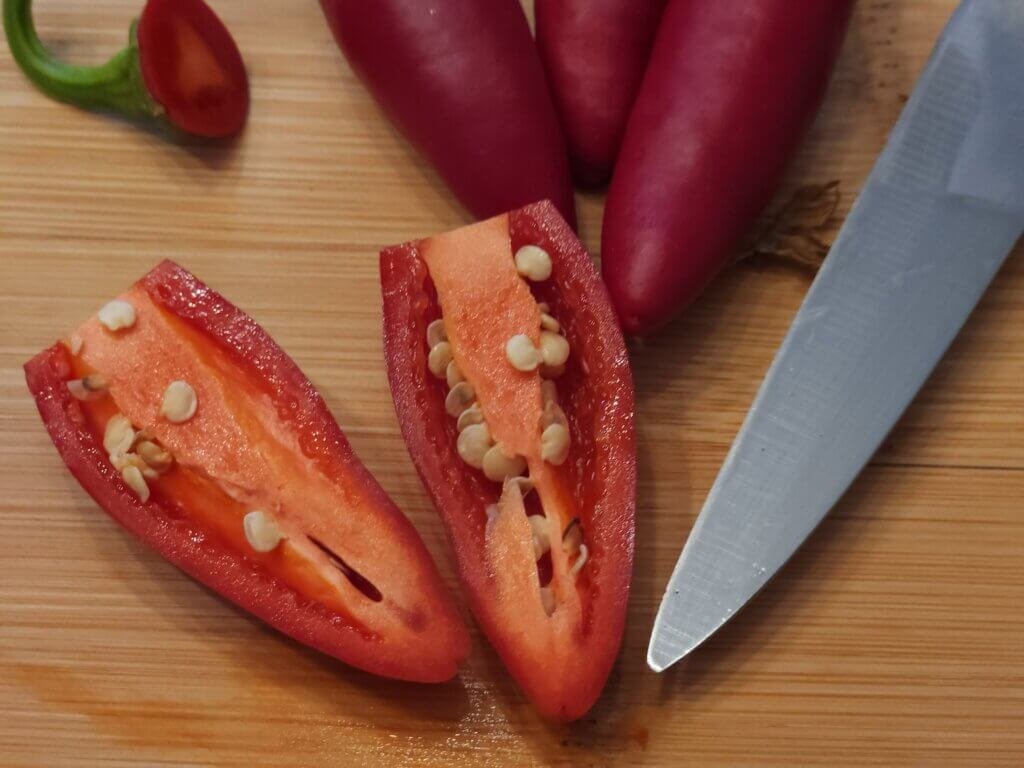
How To Save Pepper Seeds for Next Year’s Garden
If you’ve ever grown a pepper variety you just can’t get enough of, maybe that sweet bell that produced all summer, or a spicy jalapeño that had the perfect heat, it’s absolutely worth saving seeds from it. Learning how to…
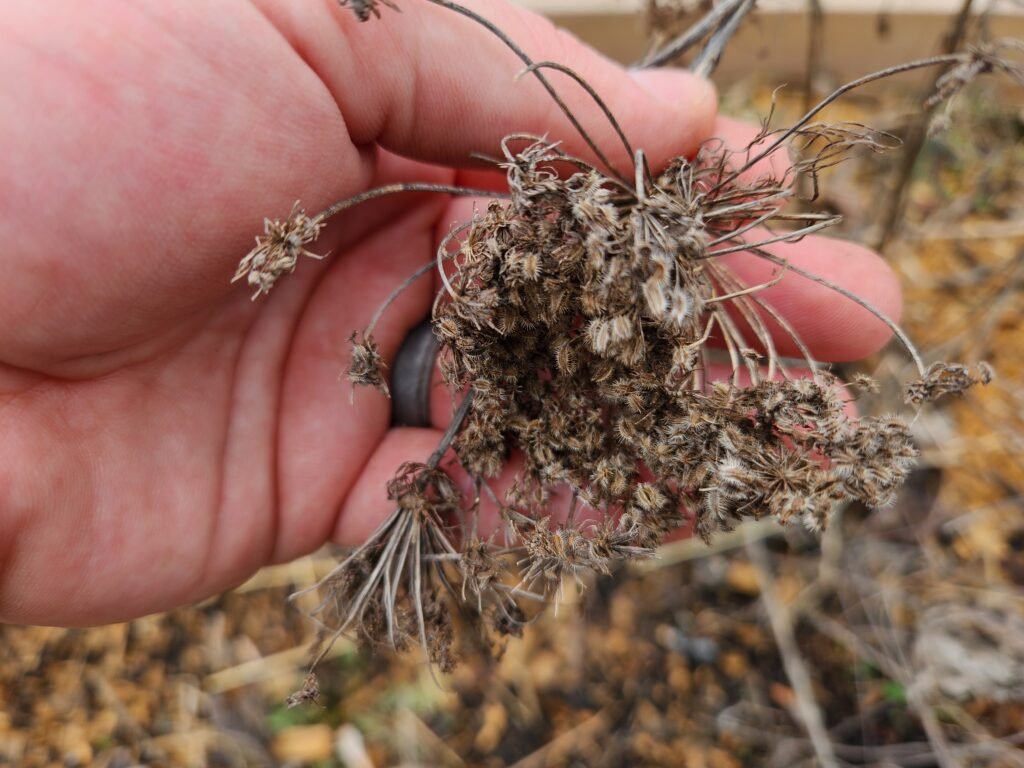
How to Save Carrot Seeds (Where Do Carrot Seeds Come From)
Growing carrots in your garden is rewarding, but have you ever thought about saving their seeds for future planting? Carrots are biennial plants, and in their second year, they produce flowers where carrot seeds come from. Learning how to save…
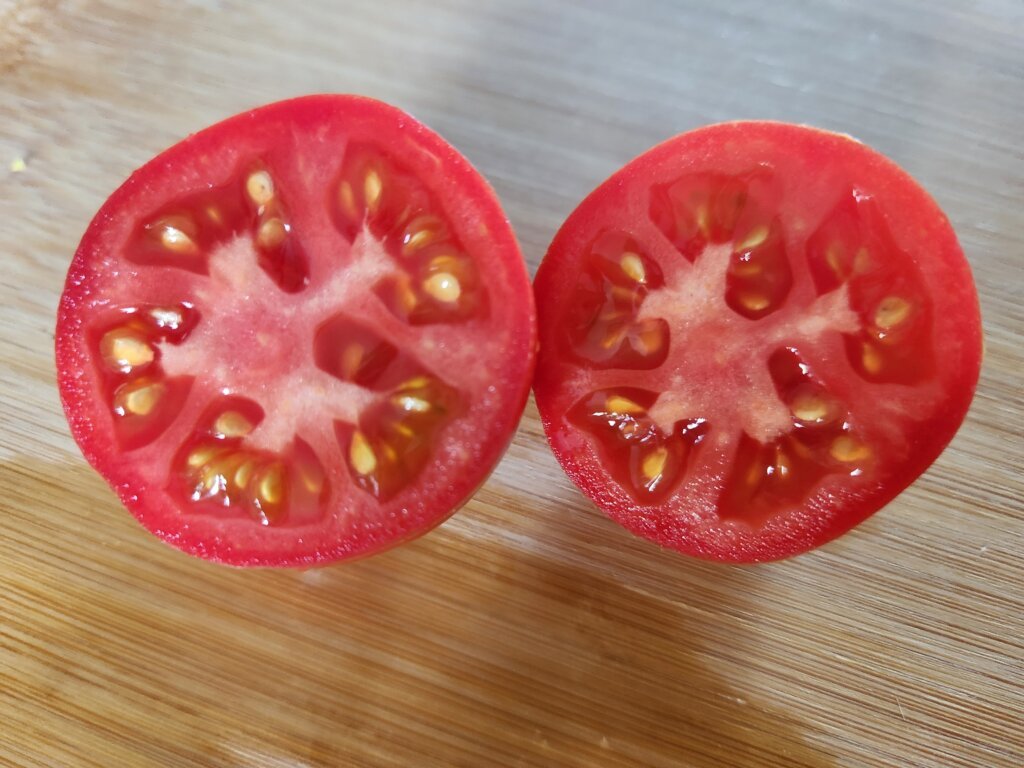
A Simple Way To Save Tomato Seeds
Love homegrown tomatoes? Saving tomato seeds is the best way to keep your favorite varieties thriving year after year. Once you taste that perfect tomato, you’ll want to make sure you can grow it again—and it’s easier than you think!…
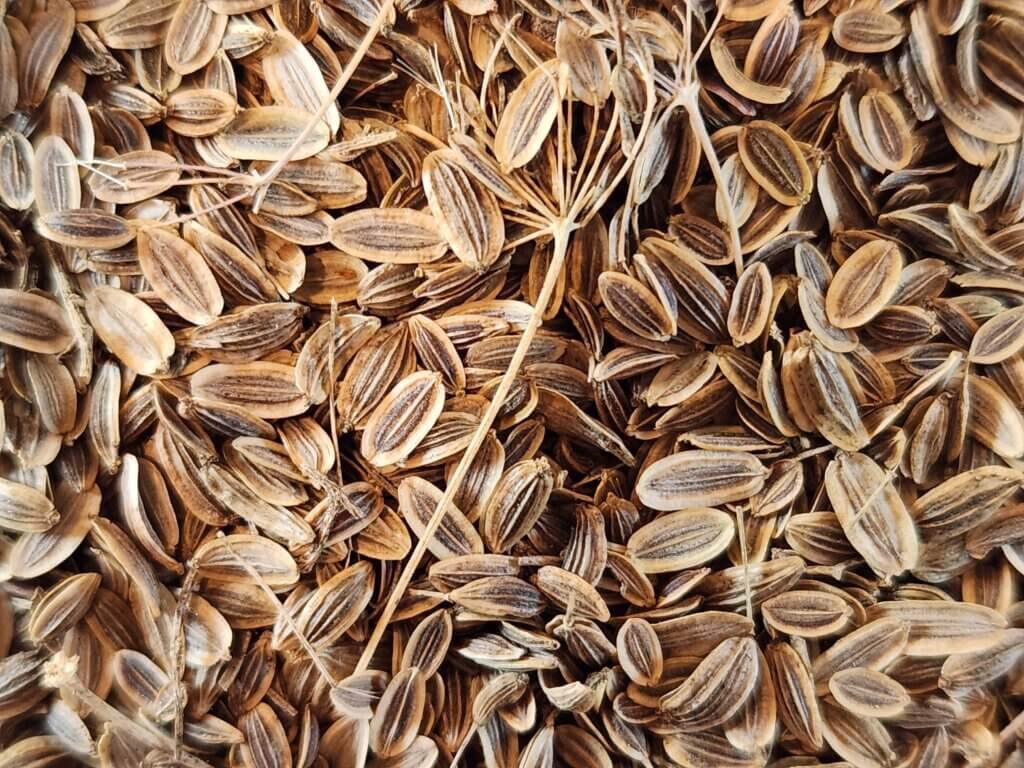
How To Save Dill Seeds To Plant Again Next Year
Dill is one of those versatile herbs that belongs in every garden. Not only does it add a fresh, tangy flavor to pickles, salads, and fish dishes, but dill also attracts pollinators and repels certain pests in the garden. If…
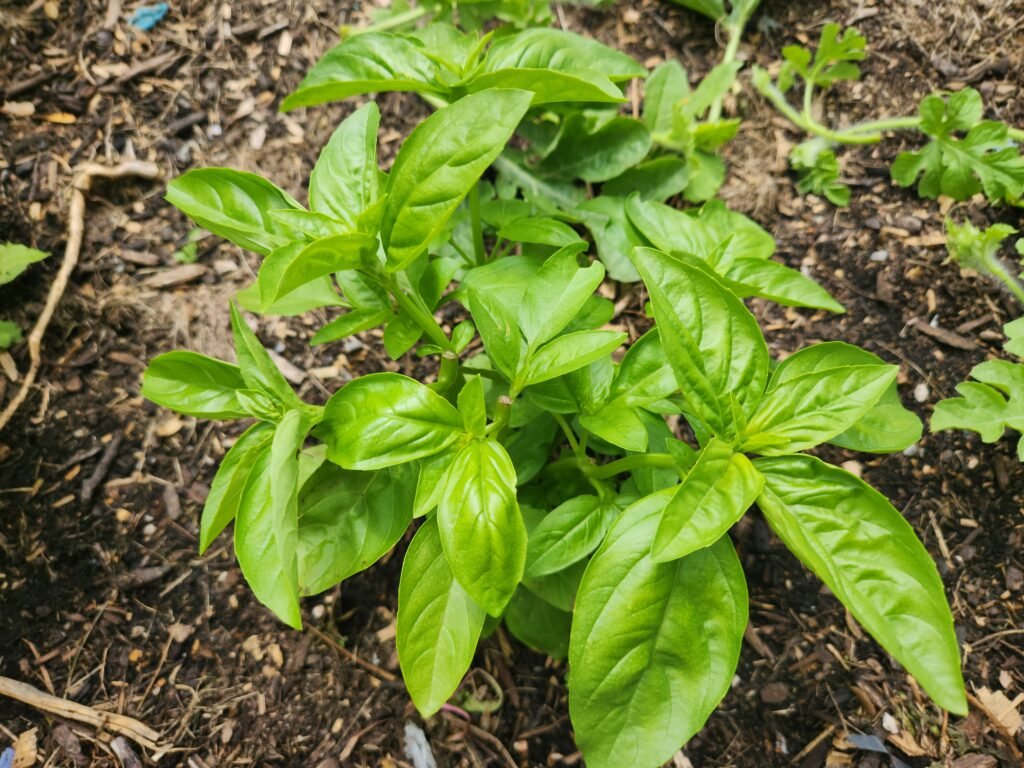
How To Collect Basil Seeds For An Endless Harvest
Basil is one of those herbs you can never have enough of in the garden. Whether it’s tossed fresh into a salad, layered into pasta sauce, or blended into pesto, basil adds that unmistakable burst of flavor. While propagating basil…
Start Your Seed-Saving Journey Today!
Seed saving is a skill that grows with you. Start small, stay curious, and let your garden teach you as much as you teach it.
If you’re ready to go deeper, explore the guides above, or share your seed-saving experience with us. We love learning from fellow gardeners.
🌱 Happy Gardening & Happy Saving! 🌱