If you garden in Zone 5 like us, February is when the gardening season truly begins. Even if there’s still snow on the ground. While the rest of the world thinks winter means “no gardening,” we know better. February is the month that sets your entire garden up for success.
Many vegetables and herbs need a long head start indoors to grow to full maturity before fall frost arrives. If you wait until April or May, you’ve already missed your window. So today, I’m breaking down exactly what to start in February if you live in Zone 5. This includes onions, peppers, leeks, celery, and your cold-hardy herbs.
These early seedlings will give you a stronger, earlier, and more productive garden all season long. If you also have the benefit of having a greenhouse, our greenhouse gardening tips will help you expand on this list of vegetables and start even more.
This post may contain affiliate links. If you use these links to buy something we may earn a commission. Thanks.
Why Start Seeds Indoors in February (Zone 5)?
Gardening in Zone 5 means dealing with a shorter growing season, especially for slow-growing crops. Starting seeds indoors now helps you:
- Get a jump on long-season vegetables
- Grow stronger, healthier seedlings
- Save money compared to nursery plants
- Enjoy varieties you’ll never find at local greenhouses
- Maximize harvest time before your first fall frost
Most of the crops below need 8–12 weeks before they’re big enough to transplant. That puts February right at the perfect starting point if you want a strong, reliable harvest this year.
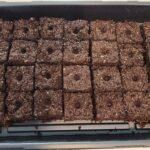
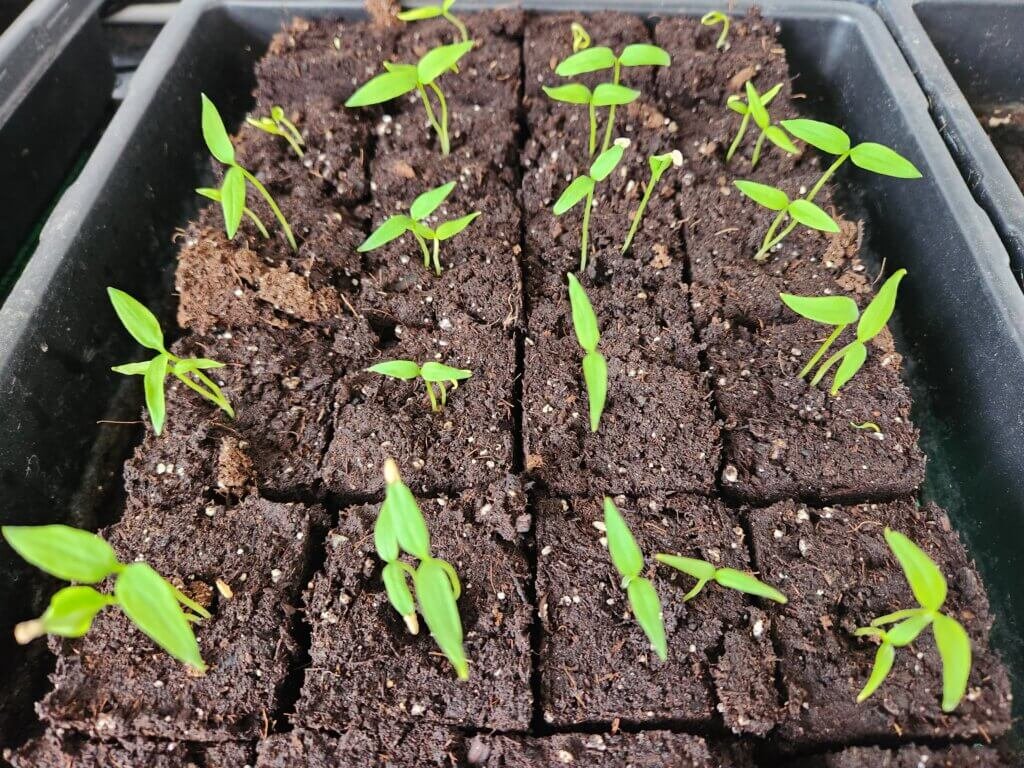
Our favorite way to start seeds indoors is using soil blocks. Check out our Soil Blocking for Seed Starting: Why It’s Better for You and Your Plants article for all your soil blocking needs.
Onions: A February Must-Start for Zone 5
If you only start one thing in February, make it onions. We learned the hard was the first year we tried to grow onions. We started them in April and they never had time to grow to their full potential.
Onions need 10–12 weeks indoors, plus a long growing season (about 100 days after transplanting). If you wait too long, you’ll end up with small bulbs or no bulbs at all.
Why onions need a February start:
- They’re extremely slow growers
- They require long-daylight varieties in northern zones
- They can be transplanted outdoors early, even before your last frost
- Late planting can cause bolting and tiny bulbs
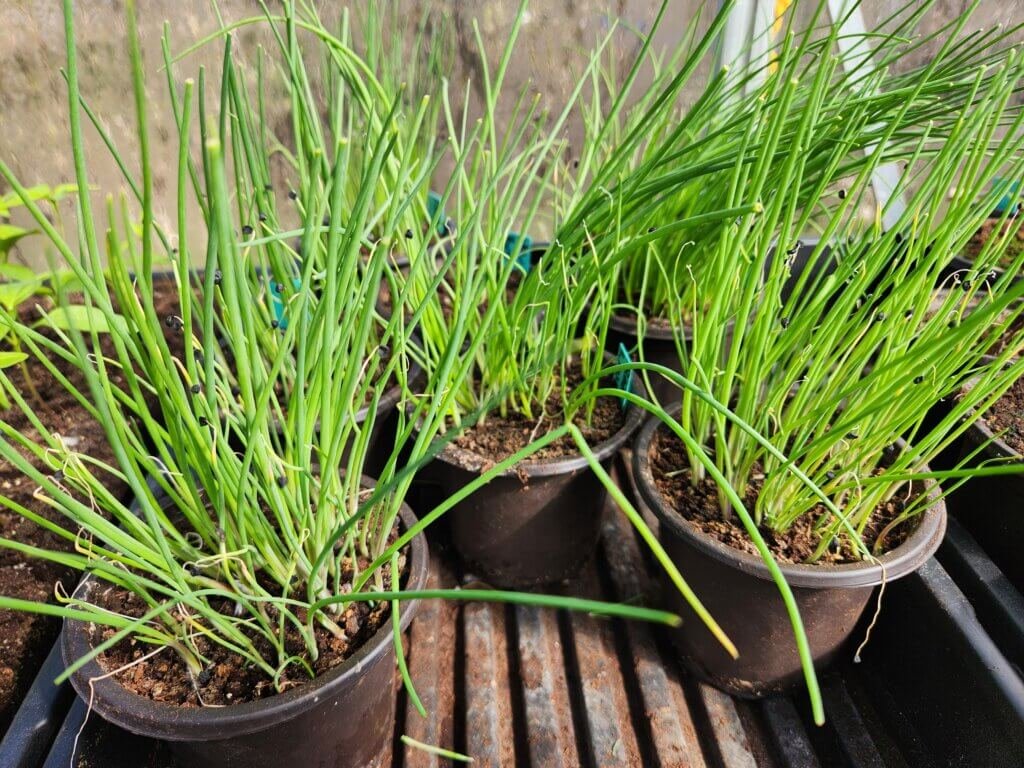
Tips for success:
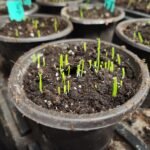
- Sow seeds thickly and “haircut” them to keep them sturdy
- Give them bright light to prevent stretching
- Plant outdoors in late April–early May in Zone 5
A little extra care now will reward you with full-sized bulbs by late summer.
Peppers: Slow Growers That Need a Long Head Start
Peppers love heat and take their sweet time getting started. If you want a good harvest of bell peppers, jalapeños, or hot peppers, February is the perfect time to get them under lights.
Peppers generally need 8–12 weeks indoors before they’re strong enough to go outside.
Why peppers need a February start:
- They’re slow to germinate (often 10–14 days)
- They need warm soil (80–85°F) to sprout. Consider using a heat mat to help.
- They require a long warm season to produce well
- Late starts = late harvests = fewer ripe peppers
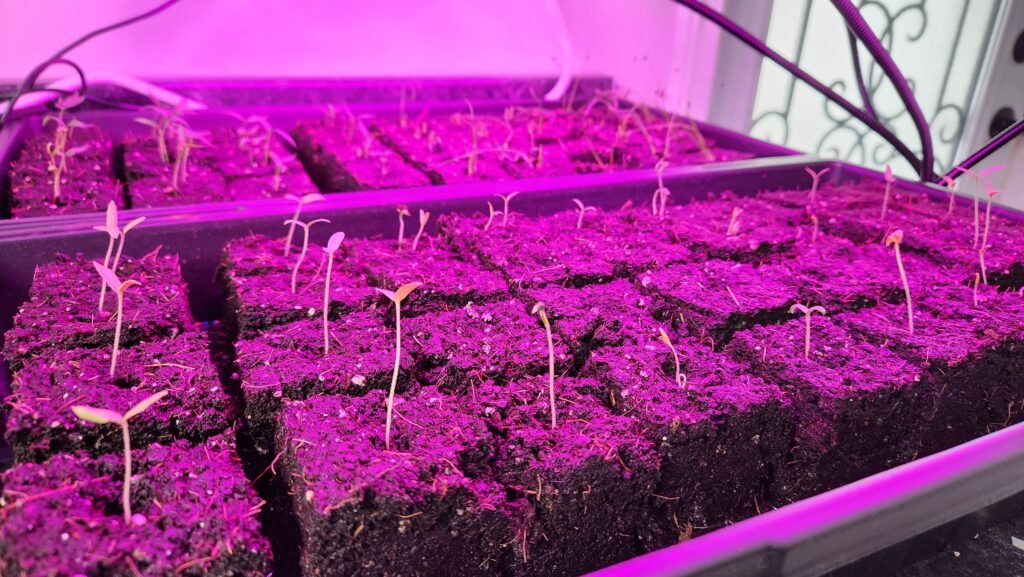
Tips for success:
- Use a heat mat for even germination
- Keep soil lightly moist, not soggy
- Provide bright, close grow lights to keep seedlings compact
Peppers can’t go outside until late May or early June, so getting them started now is key for strong plants and a big summer harvest. If you’re growing peppers this year, don’t miss our complete Pepper Growing Guide For Zone 5 for transplant tips and troubleshooting.
Leeks: One of the Earliest Seeds to Start
Leeks behave much like onions: slow growers with a long season ahead of them. Starting them indoors now gives them plenty of time to size up before transplanting.
Why leeks belong in your February lineup:
- They need 10–12 weeks indoors
- They grow slowly but steadily
- They can handle being transplanted before your last frost
Tips for success:
- Sow seeds thickly and trim tops just like onions
- Keep the seedlings under strong light
- Begin transplanting in mid–late April once the soil is workable
Leeks are extremely hardy and forgiving, a perfect February project.
Celery: One of the Slowest-Growing Vegetables You’ll Ever Plant
Celery is a famously slow starter and can take up to three weeks just to germinate. Starting it in February is the only way to guarantee a full harvest before fall.
Why celery must be started early:
- It needs 10–12 weeks indoors
- Prefers cool weather once transplanted
- Slow germination requires patience
- Late starts = thin, bitter, or stunted stalks

Tips for success:
- Keep soil warm (70–75°F) during germination
- Use a humidity dome to keep moisture levels steady
- Provide plenty of indoor light once seedlings emerge
If you want those thick, crunchy celery stalks, don’t wait.
Herbs to Start Indoors in February (Zone 5)
Many herbs grow slowly from seed, especially woody or perennial types. Starting them early gives you a lush herb garden by summer.
Here are the ones that thrive with a February start:
Oregano
A hardy, flavorful herb that grows slowly at first.
Tips:
- Seeds are tiny, press into soil surface, don’t cover
- Mist gently to avoid washing seeds away
- Provide bright light to avoid leggy growth
Sage
Sage grows into a beautiful, productive perennial, but it needs time.
Tips:
- Germinates slowly, often 2+ weeks
- Likes warm soil and good airflow
- Start early for full summer-size plants
Chives
A cold-hardy, easy beginner herb, but still benefits from a February start.
Tips:
- Can be sown thickly
- Trim tops to encourage fuller growth
- Transplants well once soil warms
Thyme
Another slow-growing herb that rewards early planting.
Tips:
- Seeds need light to germinate
- Keep soil moist but not wet
- Thyme grows slowly, be patient
Rosemary
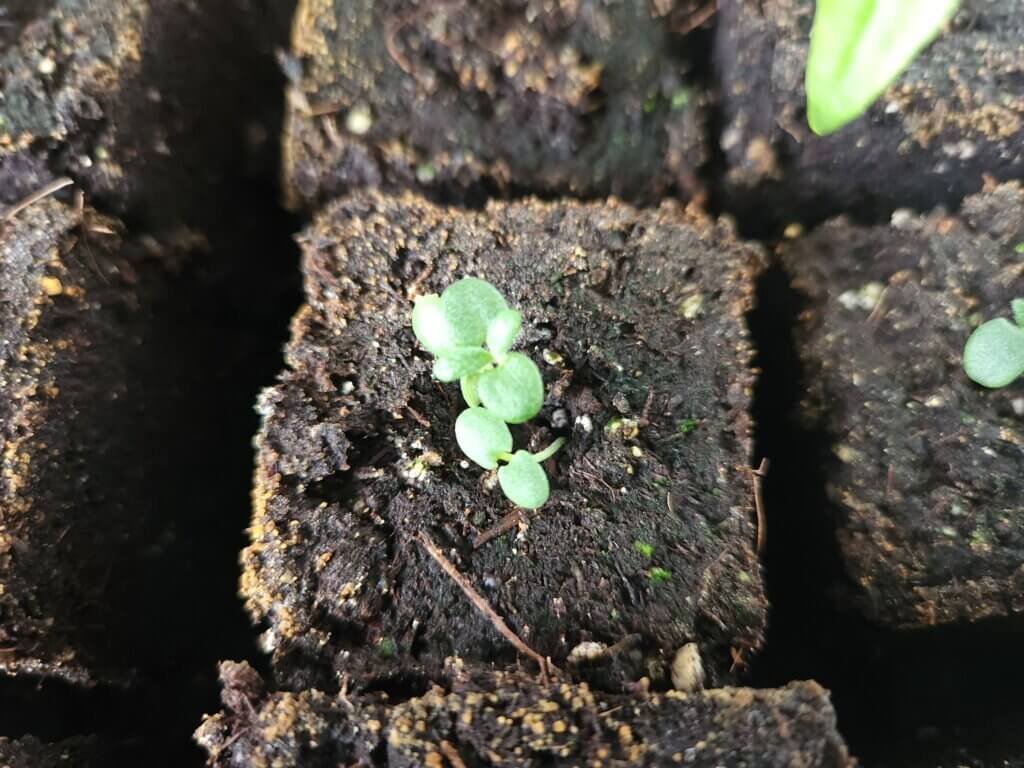
The king of slow-germinating herbs. Rosemary seedlings grow much slower than herbs like oregano, thyme, or chives, which is why an early February start is so important.
Tips:
- Can take 14–28 days to sprout
- Needs bottom heat to germinate well
- Keep seedlings lightly moist
- Start as early as possible for strong plants
What NOT to Start in February (Zone 5)
Fast-growing crops started too early will become leggy, floppy, and unhappy indoors. Avoid starting these in February:
- Tomatoes
- Lettuce
- Cucumbers
- Zucchini
- Squash
- Pumpkins
- Melons
Save these for March, April or May depending on the crop.
Final Tips for Successful February Seed Starting
A strong February seed start leads to a successful summer harvest. Set yourself up for success with:
- Strong grow lights, the #1 tool for healthy seedlings
- Heat mats for peppers, celery, and rosemary
- Bottom watering to prevent damping-off
- Good air circulation to strengthen stems
- Seed-starting mix, not potting soil
Start slow growers now, and your garden will thank you in June.
Frequently Asked Questions
Onions should be started 10–12 weeks before your last frost, which is why February is ideal for Zone 5. This gives them enough time to bulb properly before fall.
You can germinate peppers without a heat mat, but you’ll get slower, uneven sprouting. Using bottom heat (80–85°F) increases germination rates dramatically and produces stronger seedlings.
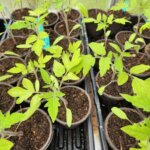
Not recommended. Tomatoes grow quickly and will become tall, leggy, and stressed too early. Wait until late March or early April for tomatoes. Only exception to this is if the tomatoes will be moving into a greenhouse and not outdoors.
Herbs that benefit from a long head start include oregano, sage, chives, thyme, and rosemary. These germinate slowly and grow gradually, so early planting makes a big difference.
Yes! Onions, leeks, and chives can handle cool spring weather and can be transplanted outdoors earlier than peppers and herbs. Always harden off seedlings first.
You don’t need anything fancy, a simple LED shop light works well. The key is keeping lights 2–4 inches above the seedlings and on for 14–16 hours per day.
Celery can take up to 21 days to germinate. Keep soil warm, consistently moist, and be patient. This crop naturally starts slow.
Ready to Grow? Start Your Seeds Now!
February may still feel like winter outside, but inside your garden season is already well underway. Starting onions, peppers, leeks, celery, and slow-growing herbs now gives them the time they need to thrive once spring finally arrives in Zone 5.
If you want step-by-step guidance on seed starting, check out:
- How To Start Seeds Indoors: A Step-By-Step Guide
- Soil Blocking for Seed Starting: Why It’s Better for You and Your Plants
- 15 Seed Starting Mistakes That Are Killing Your Plants (And How to Fix Them!)
Conclusion:
We hope you enjoyed this growing guide on seeds to start in February. If you did, be sure to check out our other growing guides, seed saving guides, recipes, and medicinal plant articles, where we share practical, real-life experience from our garden.
We’re growing our website with new content all the time, and we invite you to grow with us. Whether you’re a seasoned gardener or just getting started, starting seeds on time can help you build a healthier, more productive garden.
If you have any questions or want to share your experience with seed starting in February, feel free to leave a comment below, your insight might help another gardener.
Happy gardening!