The words plant, flower, and herb are often used interchangeably. And while they’re closely related, they don’t actually mean the same thing.
Understanding the difference between a flower, plant, and herb can help you make better choices in your garden, understand seed catalogs and plant labels, and feel more confident when reading growing guides or herbal resources.
There are both differences and similarities between these three green things. Let’s break them down simply.
What Is a Plant?
A plant is a living organism in the kingdom Plantae. This is the broadest category and includes everything from vegetables and flowers to trees, grasses, and mosses.
Most plants have a few basic parts:
- Roots – Absorb water and nutrients from the soil
- Stems – Support the plant and transport water and nutrients
- Leaves – Carry out photosynthesis (turn sunlight into energy)
- Reproductive structures – Flowers, cones, or spores
Plants can be divided into two major groups:
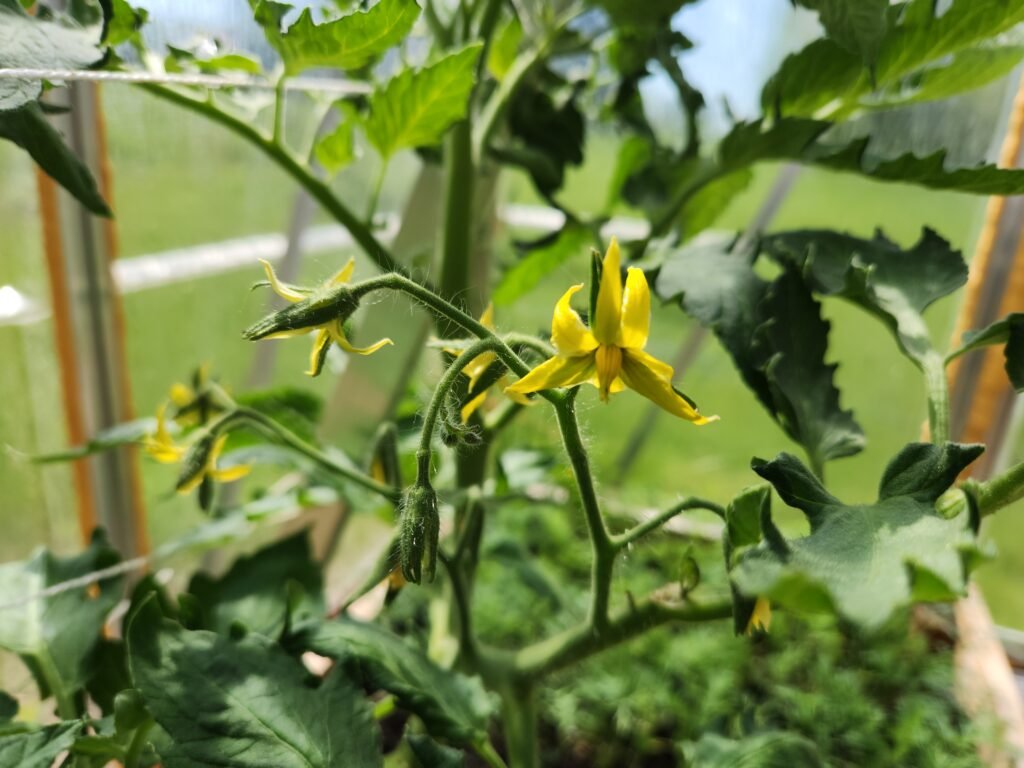
Flowering Plants (Angiosperms)
These plants produce flowers and form seeds after pollination.
Examples: tomatoes, roses, sunflowers, squash.
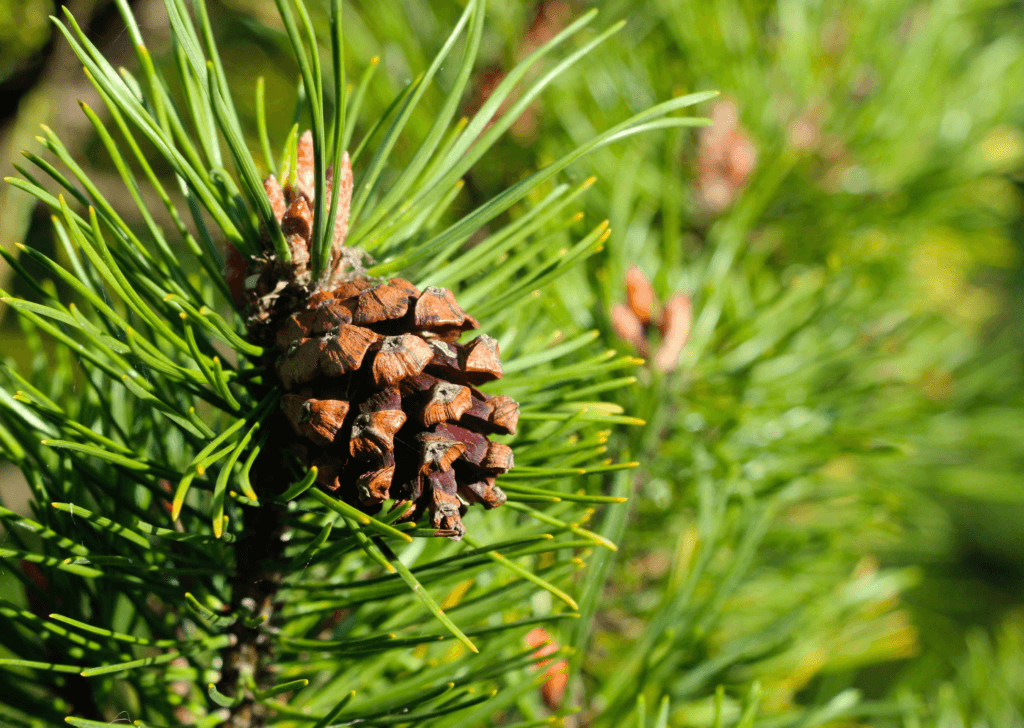
Non-Flowering Plants
These plants reproduce through spores or cones rather than flowers.
Examples: ferns, mosses, pine trees.
Key Takeaway: Plant is the umbrella term. Flowers and herbs are types or parts of plants.
What Is a Flower?
A flower is the reproductive structure of flowering plants. Its main job is to help the plant reproduce by allowing pollination and seed production.
Most flowers contain:
- Petals – Often colorful to attract pollinators
- Sepals – Protect the flower bud before it opens
- Stamens – Male parts that produce pollen
- Pistil/Carpel – Female part where fertilization occurs
- Nectar – A sugary substance that attracts insects and birds
After pollination, many flowers develop into fruits or seed heads.
Example: A sunflower is a flower. Once pollinated, it produces seeds inside the flower head.
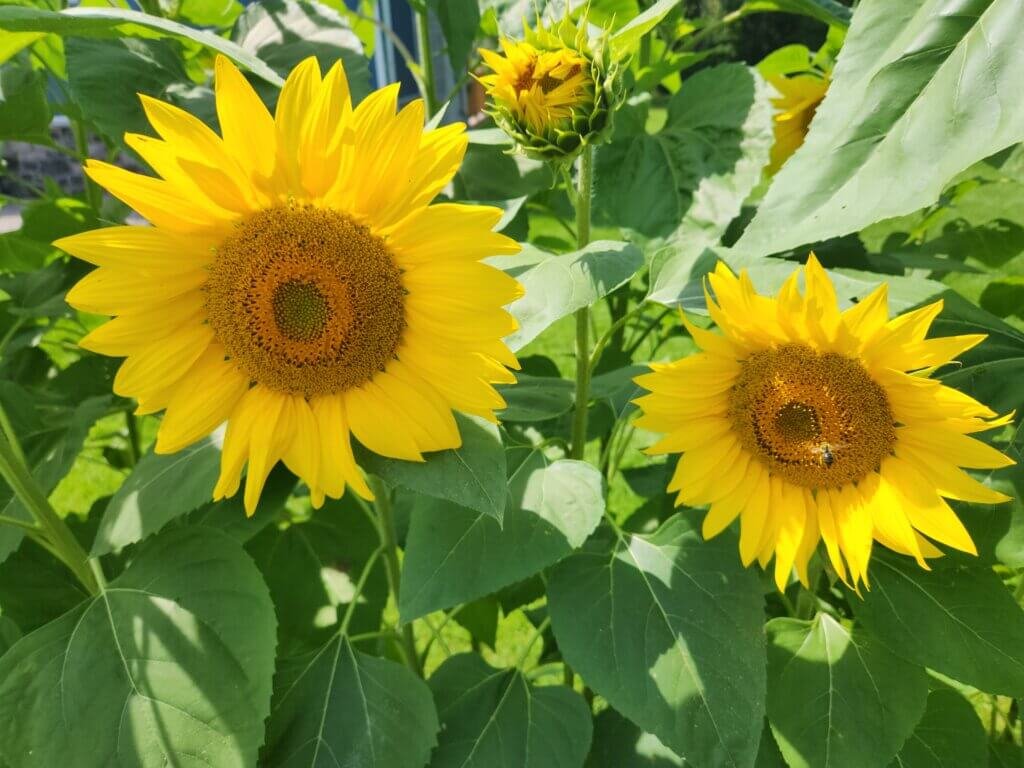
Important distinction: A flower is not a whole plant. It is one part of a plant. All flowers are part of plants, but not all plants produce flowers.
What Is an Herb?
An herb is a type of plant that is valued for its culinary, medicinal, aromatic, or traditional uses.
Unlike “plant” or “flower,” the word herb is not a strict botanical category. It describes how people use the plant rather than what the plant is biologically.
Herbs may be grown and harvested for:
- Leaves (basil, mint, sage)
- Flowers (chamomile, lavender, calendula)
- Seeds (fennel, coriander)
- Roots (valerian, ginger)
Common herb categories include:
Culinary Herbs
These are herbs you cook with, think: basil, parsley, cilantro, thyme, oregano, etc.
- Basil Propagation: Everything You Need To Know
- Is Mint Invasive or a Powerful Medicinal and Culinary Herb?
- How to Grow Thyme (Complete Growing Guide)
Medicinal Herbs
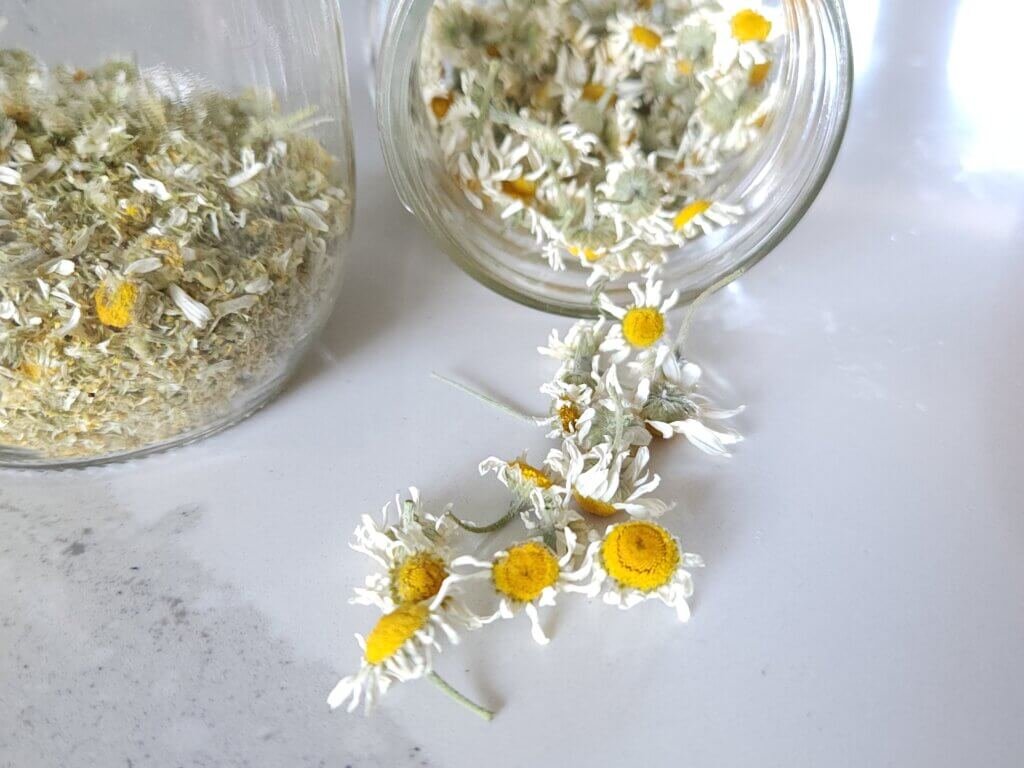
Medicinal herbs are plants that have medicinal benefits when used properly, think of chamomile, echinacea, mullein, lemon balm, etc. When it comes to herbs, there is also a large overlap between these categories.
Almost all herbs have medicinal benefits, but they might primarily be used for culinary or aromatic purposes (Example: Basil for culinary, yet it has mild pain relieving effects).
If you’re interested in learning about medicinal herbs and remedies, check out our medicinal herbs hub page.
Aromatic Herbs
These herbs contain high concentrations of essential oils and are used for the intense scents and flavours in cooking, medicine and aromatherapy. These are plants like, lavender, rosemary, sage, peppermint, etc.
Again, this often overlaps with the other categories.
Key takeaway: Herb describes purpose and use. It does not describe plant structure.
How Flowers, Plants, and Herbs Overlap
This is where confusion usually happens.
- All herbs are plants
- All flowers are part of plants
- Not all plants produce flowers
- Not all flowers are herbs
Some plants fall into more than one category depending on how they’re viewed. There are lots of examples of this:
- Lavender: A plant that produces flowers and is used as an herb for cooking, medicine and aromatherapy.
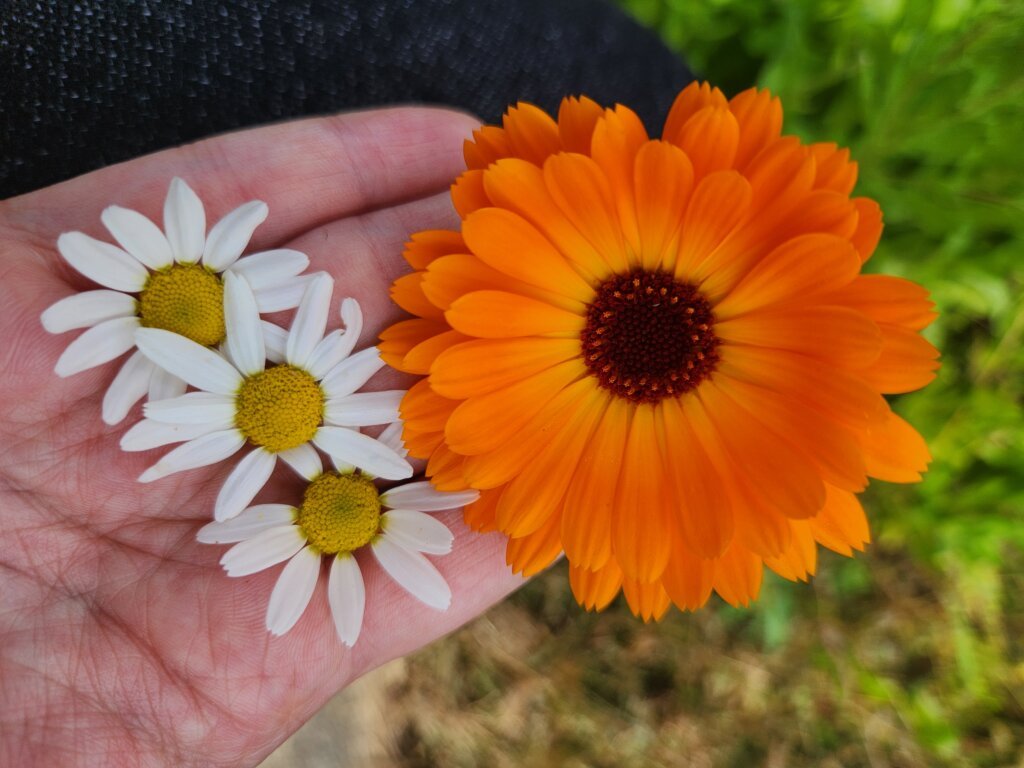
- Chamomile: A plant that produces daisy-like flowers. The flowers themselves are used medicinally.
- Calendula: A flowering plant whose petals are used as an herb and medicinally.
These plants can correctly be called plants, flowers, and herbs depending on the context.
Flower vs Plant vs Herb (Simple Comparison)
| Term | What It Means | What It Refers To |
|---|---|---|
| Plant | Living organism in the plant kingdom | The whole organism |
| Flower | Reproductive structure of some plants | A plant part |
| Herb | Plant grown for human use | A purpose-based category |
Why Knowing the Difference Matters
Understanding these terms will help you in reading seed catalogs and plant labels more clearly. Choosing plants based on your goals (food, medicine, beauty), knowing what part of a plant you’ll be harvesting, and for planning your garden with intention.
Now you may:
- You grow basil for its leaves.
- You grow sunflowers mainly for blooms or seeds.
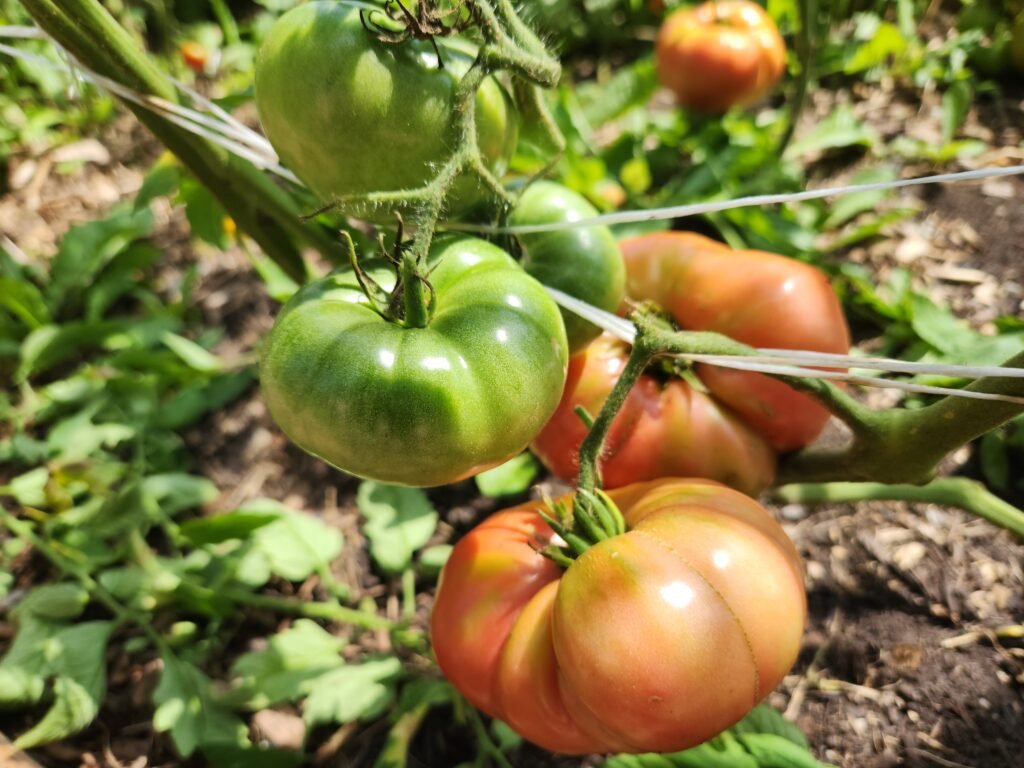
- You grow tomatoes for fruit, even though flowers come first.
Different goals in the same plant kingdom.
An Easy Way to Remember
Think of this in layers – once you see it this way, the terms stop competing with each other and start fitting together naturally.
Plant = what it is
Flower = a part of some plants
Herb = how people use certain plants
FAQ About Plants, Herbs and Flowers
A flower is a part of a plant. It is the plant’s reproductive structure.
Yes. All herbs are plants.
Yes. Plants like lavender and chamomile fit both categories.
Most herbs do, though the flowers may be small or short-lived.
No. Vegetables are plants grown for edible parts, but they aren’t classified as herbs.
Both. Basil is a plant, and it’s considered an herb because of how it’s used.
No, many flowers are ornamental only.
Not exactly. A flower is only one part of a plant.
Related Guides You May Like
- What is the Difference Between Black Raspberries and Wild Black Raspberries?
- Raspberries vs Strawberries: Which Is Better for Your Garden?
- Tomatoes: A Weed or Invasive Species?
- Are Raspberries Invasive? The Answer Might Surprise You
- How Chickens Help You Succeed in Corporate America
Final Thoughts on Plants, Flowers & Herbs
In the end, everything is a plant. Not all plants flower, not all plants are herbs, not all herbs flower and not all flowers are herbs.
If you’re growing herbs at home, you can explore all of our hands-on advice in our Herb Growing Guides, based on what actually works here on our homestead.
We are growing our website with more articles all the time, and we invite you to grow with us. If you have any questions about plants or would like to share some of your knowledge with us please leave a comment below. Happy Gardening!