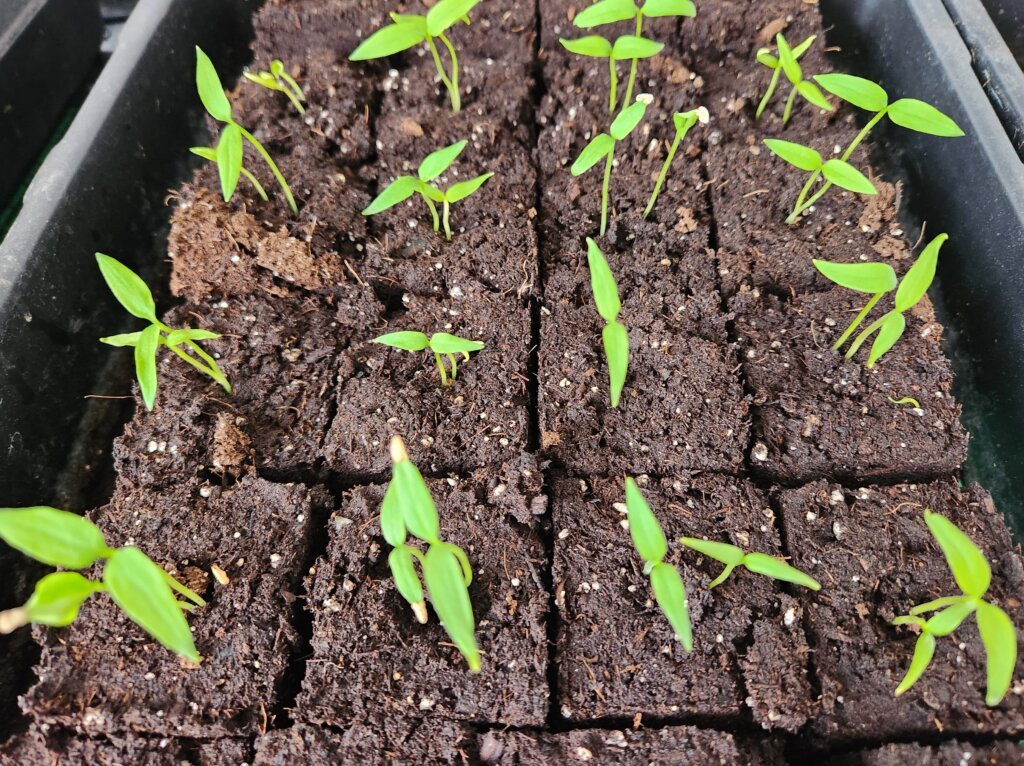
Peppers love heat. These plants thrive in long, warm summers where the soil warms quickly and nighttime temperatures stay comfortable. In cooler climates like Zone 5b, gardeners have to be a little more strategic. Knowing when to plant peppers makes a big difference between a strong harvest and plants that struggle all season.
This post may contain affiliate links. If you use these links to buy something we may earn a commission. Thanks.
If you’re new to growing peppers, our full guide on how to grow peppers in Zone 5 walks through everything from seed starting to harvest.
Because peppers need a long growing season, most Zone 5 gardeners must start their seeds indoors several weeks before spring arrives. This head start allows the plants to grow strong enough to produce fruit once they are moved outside. Without starting seeds indoors, peppers often run out of time before fall frost arrives.
Timing also matters once it is time to transplant. Planting peppers too early can expose them to cold soil and chilly nights, which often leads to stunted growth that the plant never fully recovers from. On the other hand, planting too late shortens the growing season and reduces the amount of fruit the plant has time to produce.
In this guide, we’ll walk through exactly when to plant peppers in Zone 5b, including when to start seeds indoors, when it is safe to transplant outside, and how to avoid the common timing mistakes that can slow down your harvest.
Quick Pepper Planting Guide For Zone 5b
In Zone 5b, pepper seeds are typically started indoors in late March to early April. Pepper plants are transplanted outside after the last frost, usually at the end of May, once soil temperatures reach at least 65°F (18°C).
Typical Zone 5b pepper planting timeline
- Start pepper seeds indoors: late March to early April
- Transplant peppers outside: end of May to early June
- Minimum soil temperature: 65–70°F (18–21°C)
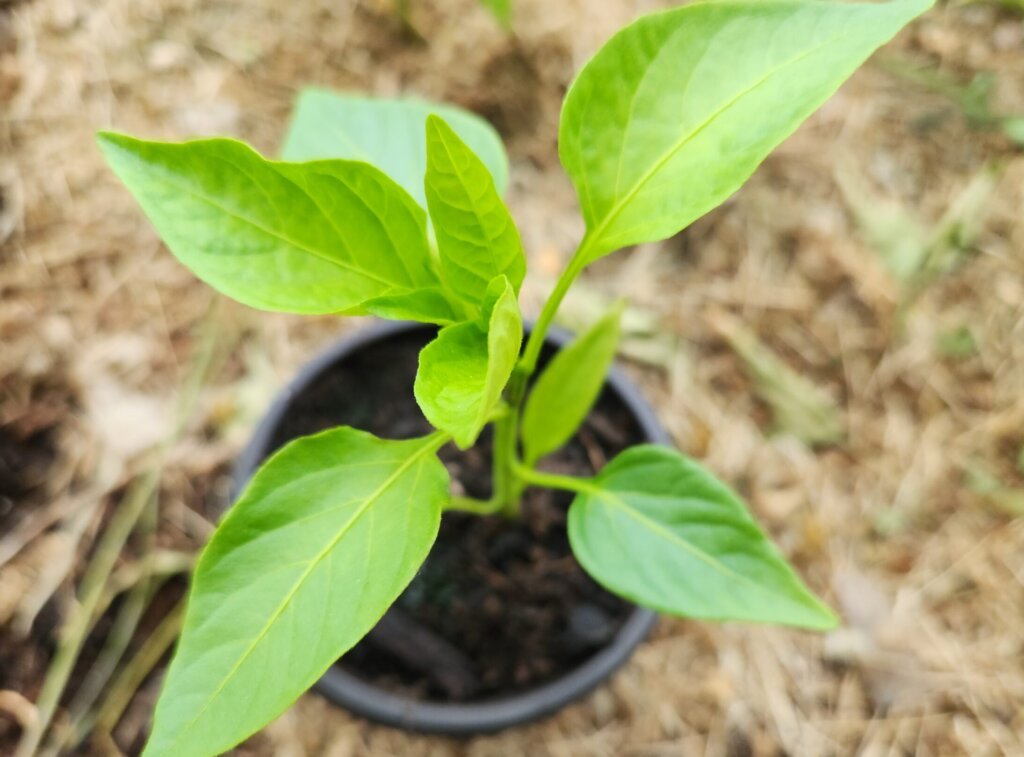
Peppers are warm-season plants, so planting them too early in Zone 5b can stunt their growth or kill them. In this guide we’ll walk through exactly when to start seeds, when to transplant, and how to avoid late spring frost.
Best Time To Plant Peppers In Zone 5b
The best time to plant peppers in Zone 5b comes down to one thing: avoiding cold weather. Peppers are not frost tolerant, and even cool temperatures can slow them down.
In most Zone 5b areas, the average last frost date falls between May 10 and May 20. But if you garden in Ontario, you’ve probably noticed that this date can vary quite a bit depending on your location.
Rural areas often stay colder longer, while urban areas warm up a little faster. Low spots in your yard can also hold cold air, which increases the risk of frost. Because of this, many gardeners wait until late May or even early June before planting peppers outside.
In our garden, we usually wait about two weeks after the projected last frost date. It may feel late, but it gives the soil time to warm up and reduces the risk of cold damage.
It’s also important to understand the difference between a growing zone and a growing season. Zone 5b tells you how cold your winters get, but it doesn’t tell you exactly when your last frost will happen each year. That’s why watching your local weather matters just as much as knowing your zone.
If you want a full step-by-step growing guide, read our complete guide on how to grow peppers in Zone 5, where we walk through seed starting, transplanting, care, and harvesting.
When To Start Pepper Seeds Indoors In Zone 5b
Because peppers need a long growing season, they should be started indoors 6–8 weeks before your last frost date. In some cases, you can even go up to 10 weeks, especially if you want larger transplants.
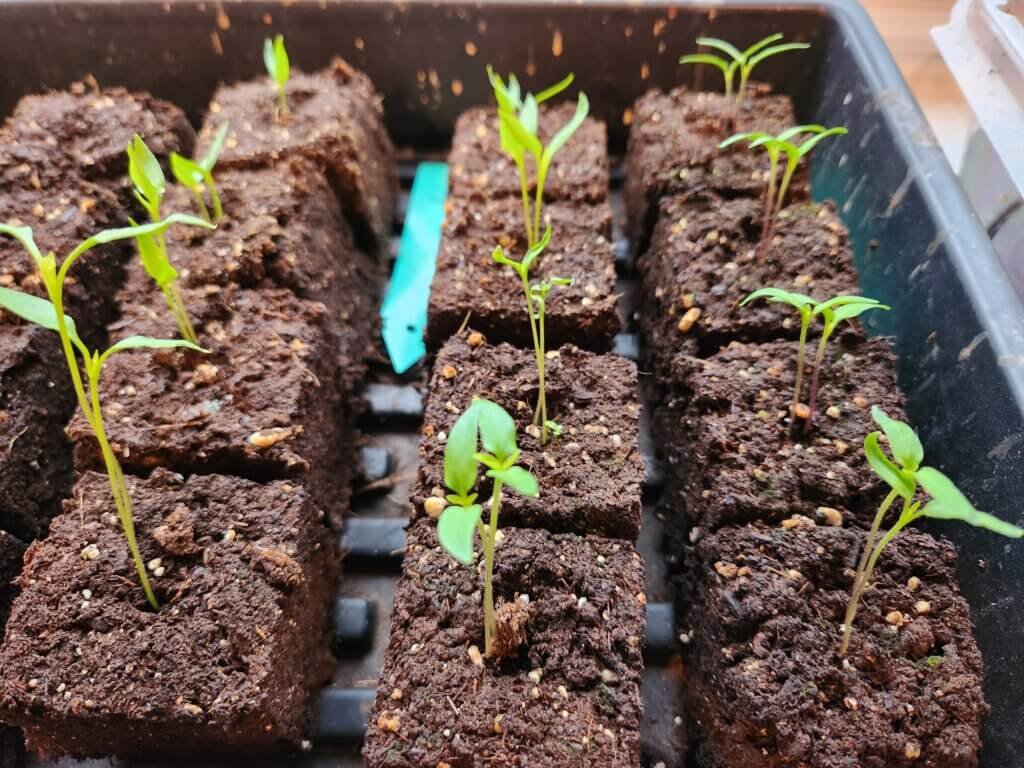
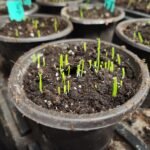
Peppers are slow to get going. The seeds can take 1–2 weeks to germinate, and once they sprout, they grow slowly compared to other garden plants.
This is why peppers are usually started earlier than crops like tomatoes. Tomatoes grow quickly once they germinate, but peppers take their time. Giving them a head start indoors makes a big difference later in the season.
Start your seeds in a warm location, and try to keep the soil temperature between 75–85°F (24–29°C) for good germination. Using a heat mat and humidity domes can help with this. Once they sprout, make sure they get plenty of light, either with a south facing window or use a grow light, so they don’t become leggy.
If you’re starting peppers from your own plants, it’s worth learning how to save pepper seeds for next year’s garden so you can replant your best varieties.
When To Transplant Pepper Plants Outside In Zone 5b
Transplanting peppers is all about waiting for the right conditions.
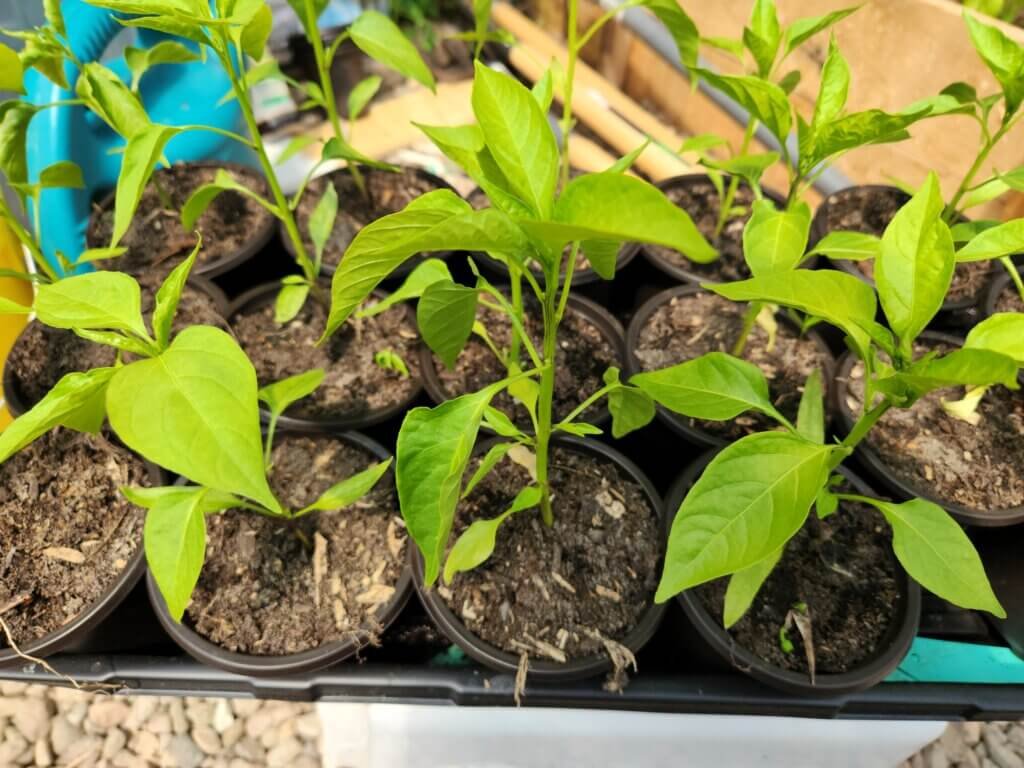
Even if the risk of frost has passed, peppers still need warm soil and warm nights to grow well. Ideally, nighttime temperatures should stay above 10–12°C (50–55°F), and the soil should feel warm to the touch.
In most Zone 5b gardens, this means transplanting peppers at the end of May or into early June.
It can be tempting to plant early when the weather starts to warm up, but peppers don’t respond well to cold soil. Planting too soon can cause them to stall out and struggle for weeks.
In most cases, it’s better to wait an extra week or two than to rush it.
If you’re planning your full garden, our Zone 5b planting schedule for vegetables shows how peppers fit alongside other crops.
How Big Should Pepper Seedlings Be Before Transplanting?
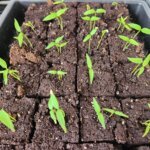
Pepper seedlings are usually ready to transplant when they are about 6–8 inches tall and have several sets of true leaves. If you’re unsure how your plants should look at each stage, our full pepper growing guide for Zone 5 walks through the full process.
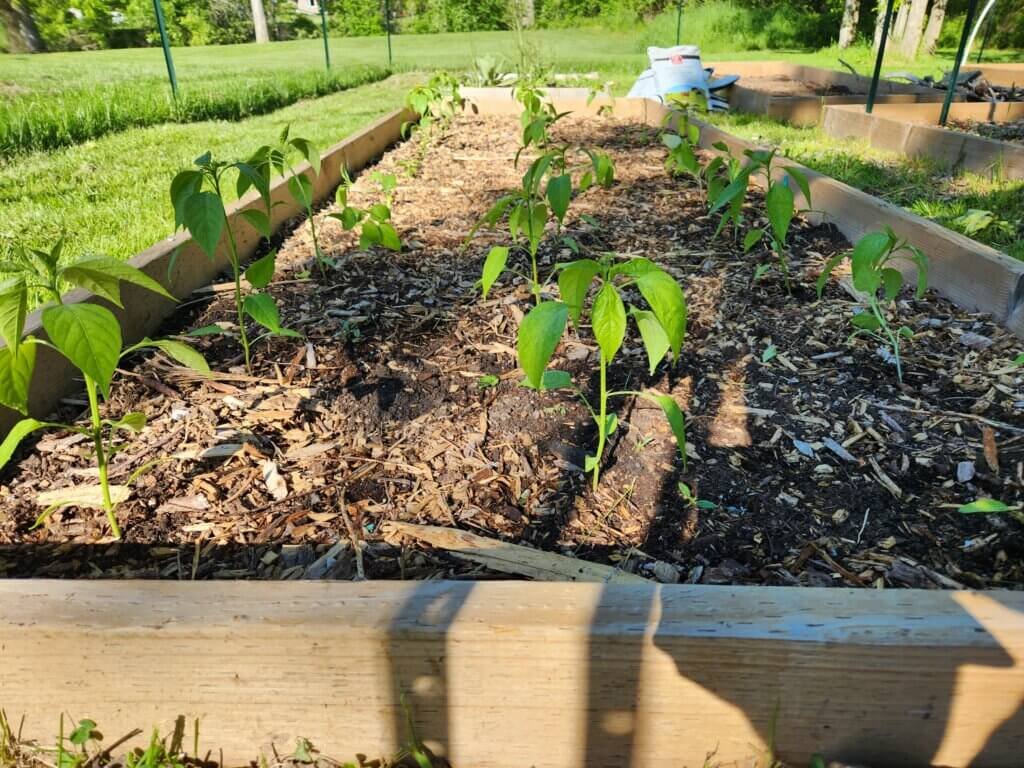
At this stage, the plants are strong enough to handle outdoor conditions and continue growing without too much stress.
Before moving them outside, make sure to harden them off. This means slowly exposing them to outdoor sunlight and temperatures over the course of about a week.
Transplanting seedlings too early can slow their growth, while leaving them in containers too long can cause them to become root bound.
What Soil Temperature Peppers Need Before Planting
Soil temperature is one of the most important factors when planting peppers.
Even if the air feels warm, cold soil can stop peppers from growing. For best results, the soil should be at least 65–70°F (18–21°C) before planting.
Peppers rely on warm soil to develop strong roots. If the soil is too cold, the plants can become stunted and may never fully recover.
You can check your soil temperature using a simple thermometer. Insert it a few inches into the soil and take a reading in the morning. This gives you a good idea of whether your garden is ready.
Waiting for the soil to warm up is one of the easiest ways to improve your pepper harvest.
How To Protect Pepper Plants From Late Frost
Even after the last frost date, unexpected cold nights can still happen. It’s a good idea to have a plan to protect your plants just in case.
Here are a few simple options:
- Row covers help trap heat and protect plants from light frost
- Cloches act like mini greenhouses over individual plants
- Buckets can be placed over plants overnight for quick protection
- Cold frames provide a more stable, enclosed environment
These methods can help protect your peppers during sudden temperature drops and give you a little more confidence when planting.
Can You Direct Sow Peppers In Zone 5b?
In most cases, peppers should not be direct sown in Zone 5b.
Pepper seeds need warm soil to germinate, and they can take up to two weeks or more to sprout. After that, the plants grow slowly and need a long stretch of warm weather to produce fruit.
Because the growing season in Zone 5 is shorter, direct sowing usually doesn’t give peppers enough time to mature before fall frost.
Starting seeds indoors gives peppers the extra time they need to grow, flower, and produce a good harvest.
Common Mistakes When Planting Peppers In Zone 5
Growing peppers in Zone 5 is very doable, but a few common mistakes can slow your plants down.
Planting Too Early
This is the most common mistake. Cold soil and cool nights can shock pepper plants.
When peppers are exposed to cold conditions, they can become stunted, drop flowers, or stop growing altogether. In many cases, they never fully recover.
Soil Too Cold
Even if the air temperature feels warm, cold soil can prevent roots from developing properly.
Always wait until the soil has reached at least 65°F (18°C) before planting.
Not Hardening Off Seedlings
Seedlings that go straight from indoors to full sun can become stressed or damaged.
Hardening off your plants over several days helps them adjust to outdoor conditions.
Overcrowding Plants
Pepper plants need space to grow. Planting them too close together can reduce airflow and limit their growth.
Give each plant enough room so it can develop properly and produce a good harvest, about 1 foot in between plants.
Pepper Growing Timeline in Zone 5 (Full Season Overview)
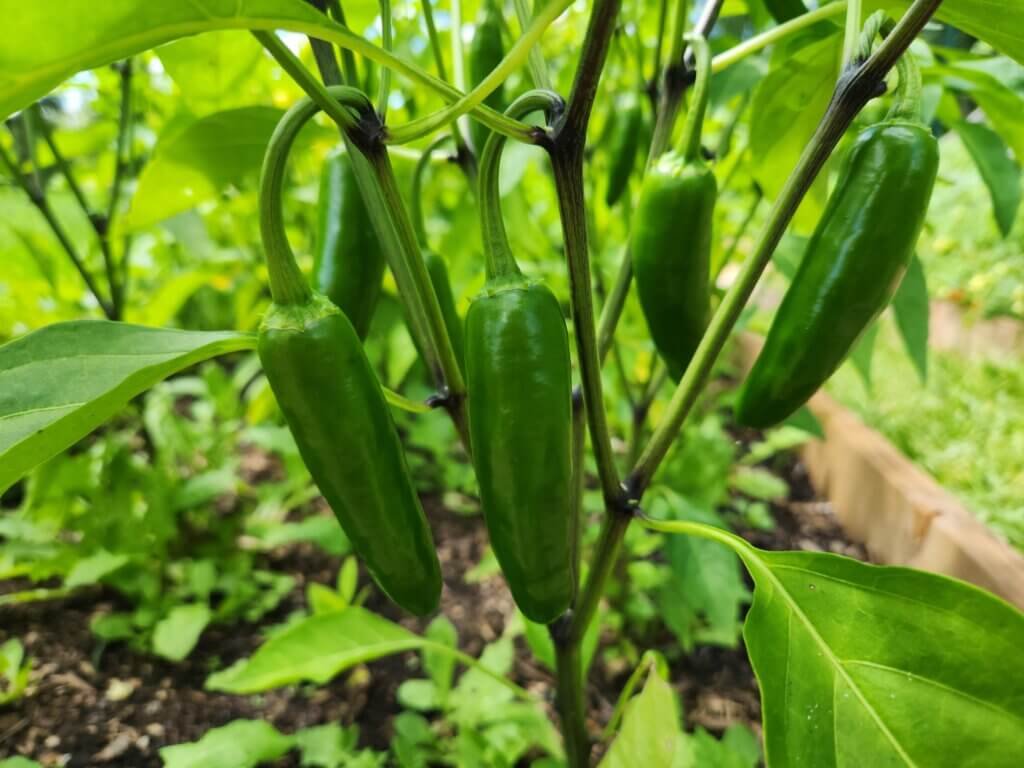
Here’s a simple timeline to help you plan your pepper season:
- March: Start pepper seeds indoors.
- April: Seedlings grow under lights and begin developing strong roots.
- May: Harden off plants and prepare your garden beds.
- Late May to Early June: Transplant peppers outside once soil temperatures are warm.
- July: Plants begin flowering and setting fruit.
- August to September: Harvest peppers as they ripen. This is also when we start using our harvest in recipes like fermented cayenne pepper hot sauce.
This timeline can vary slightly depending on your local weather, but it gives a good general guide for Zone 5 gardeners.
Frequently Asked Questions
No. Peppers are extremely sensitive to frost and will not survive freezing temperatures.
Peppers begin to struggle when temperatures drop below 10°C (50°F). Growth slows down significantly in cooler conditions.
Yes, peppers and tomatoes grow well together. Just keep in mind that peppers prefer slightly warmer soil, so they are often planted a little later.
Pepper seedlings should be about 6–8 inches tall with several sets of true leaves before being transplanted outdoors.
Conclusion
Planting peppers at the right time makes all the difference in a Zone 5b garden. By starting seeds indoors, waiting for warm soil, and avoiding early planting, you give your plants the best chance to grow strong and produce a full harvest.
We hope you enjoyed this pepper growing guide and if you did make sure you check out the others growing guides, seed saving guides and recipes. We are growing our website with more articles all the time, and we invite you to grow with us. Happy gardening!