Black beans are one of the most practical and rewarding crops you can grow in a home garden. They are easy to plant, require minimal care, and produce a reliable harvest of protein-rich beans that store well for long periods of time. Whether your goal is food security, self-sufficiency, or simply growing pantry staples at home, learning how to grow black beans is a skill worth having.
With warm soil, full sun, and a long enough growing season, black beans can be grown successfully in raised beds, in-ground gardens, or even large containers.
This post contains affiliate links. If you use these links to buy something we may earn a commission. Thanks.
Why Grow Black Beans?
Black beans are a staple food in many cultures for good reason. They are affordable, filling, nutritious, and versatile in everyday cooking. I use them almost weekly in my cooking. Growing them yourself gives you full control over how they are grown, harvested, and stored.
Some of the biggest benefits of growing black beans include:
- High protein and fiber content
- Long shelf life when properly dried
- Low maintenance once established
- Excellent nitrogen-fixing ability that improves soil health
- Useful as both a food crop and a soil-building crop
Are Black Beans Easy to Grow?
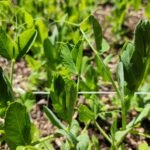
Yes. Black beans are considered one of the easier dry beans to grow, especially for beginner gardeners. Most black bean varieties are bush beans, which means they do not require trellising and stay compact throughout the growing season.
As long as they are planted in warm soil and given full sun, black beans tend to grow quickly and reliably with very few issues.
Black Bean Plant Basics
Understanding how black beans grow helps set expectations before planting.
- Plant type: Warm-season annual
- Growth habit: Bush bean
- Plant height: 12 to 24 inches
- Time to maturity: Approximately 90 to 120 days
- Pollination: Self-pollinating (no work by you required).
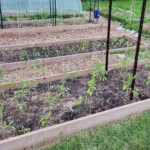
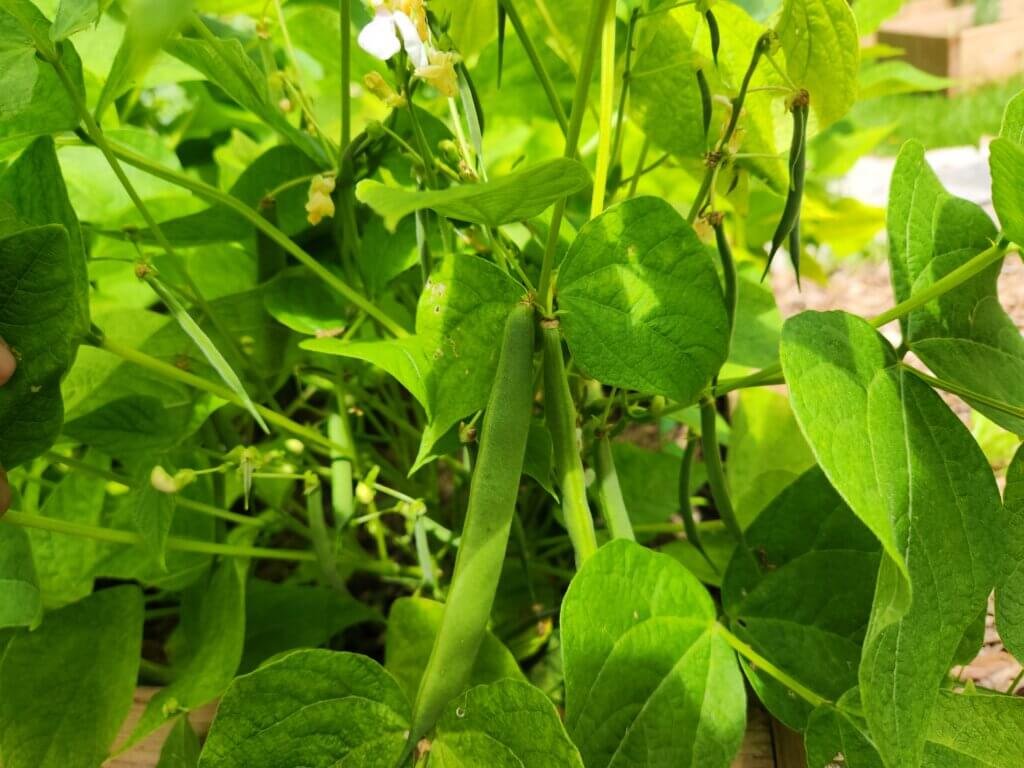
Because black beans are bush-type plants, they work well in smaller garden spaces and raised beds where vertical growing space may be limited.
When to Plant Black Beans
Black beans must be planted after the danger of frost has passed and the soil has fully warmed. If you’re in zone 5, this is sometime in mid-May. Cold soil can cause seeds to rot or delay germination.
- Soil temperature should be at least 60°F, ideally closer to 70°F
- Do not plant until nighttime temperatures remain consistently above freezing
- Black beans thrive in warm, sunny conditions
In cooler climates, planting too early is one of the most common reasons for poor germination. You could start the seeds indoors with heat mat to get a head start on the plant, but I wouldn’t say that’s necessary.
If you’re looking to grow seeds indoors though, I have you covered with a guide for that:
How to Plant Black Beans
Planting black beans is simple and does not require special equipment or amendments.
- Choose a location with full sun and well-draining soil.
- Loosen the soil and remove rocks or debris.
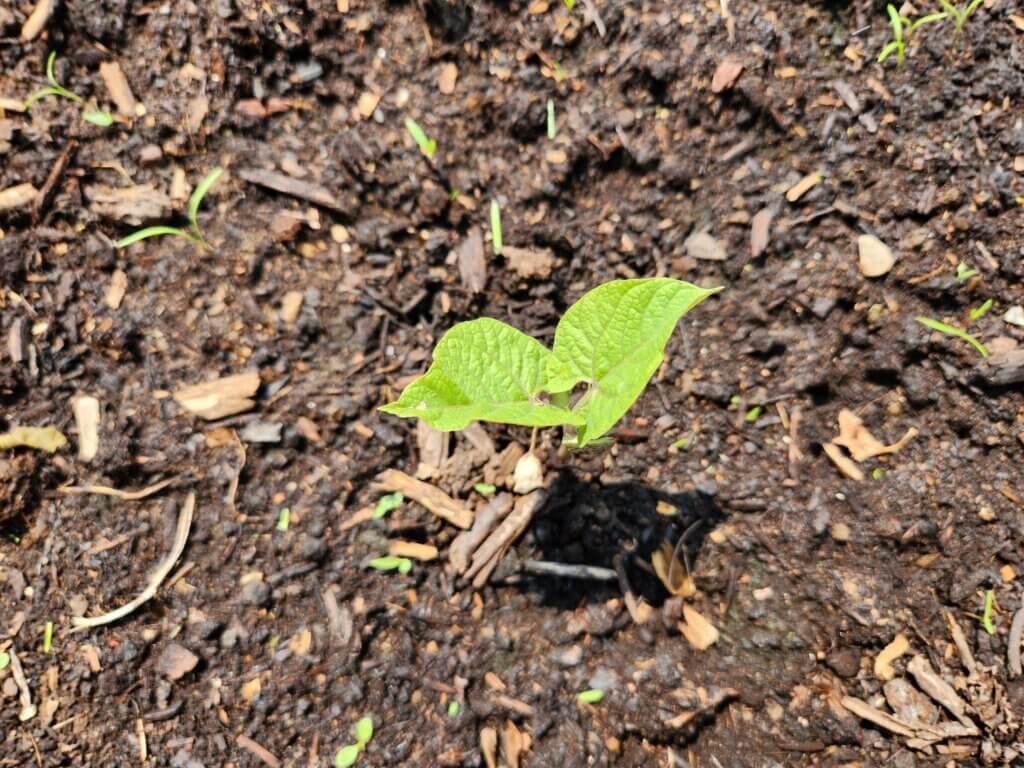
- Plant seeds about 1 inch deep.
- Space seeds 2 to 4 inches apart.
- Space rows 18 to 24 inches apart.
- Water gently after planting to avoid washing seeds away.
Black beans do not need fertilizer at planting time. Too much nitrogen encourages leafy growth instead of bean production.
How to Care for Black Beans
Once established, black beans are relatively low-maintenance.
Watering
- Water regularly, especially during flowering and pod development
- Avoid waterlogged soil, which can lead to root problems
- Mulch helps retain moisture and regulate soil temperature
Fertilizing
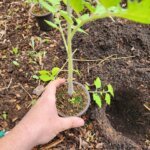
Black beans fix their own nitrogen and usually do not require feeding. But, if you want to fertilize once, do it once they’re a good sized seedling and use a balanced 20 20 20 fertilizer. Excess fertilizer can reduce yields.
Weeding
Keep weeds under control early while plants are small. This prevents takeovers. Once the plants fill in, they shade the soil naturally.
- If you’re unsure, follow: Mulching Garden Beds: Best Practices & Common Mistakes
Common Problems Growing Black Beans
Black beans are hardy, but a few issues can occur.
- Poor Germination: Usually caused by cold or overly wet soil at planting time.
- Excess Rain During Flowering: Heavy rain can cause flowers to drop before pods form.
- Bean Beetles: May chew holes in leaves. Hand-picking and row covers can help in small gardens.
- Mildew or Fungal Issues: More common in humid conditions or when airflow is poor. Proper spacing helps reduce this risk.
When and How to Harvest Black Beans
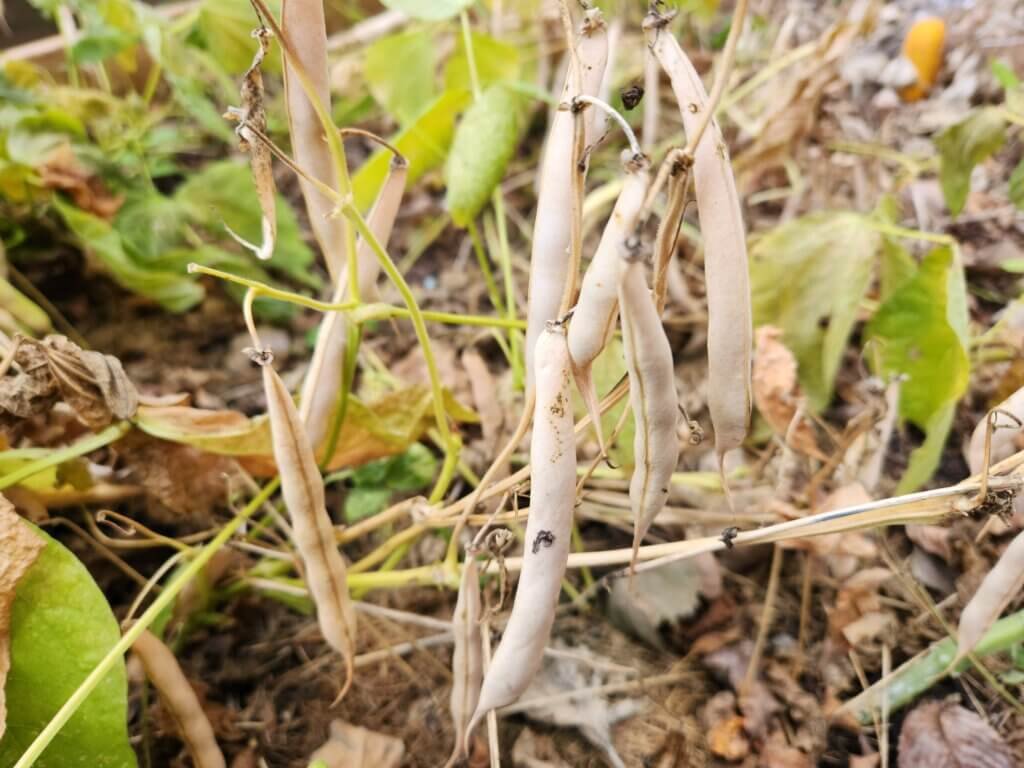
Black beans grown for dry storage should be left on the plant until the pods fully mature and completely dry.
Signs beans are ready to harvest:
- Pods turn brown and papery
- Pods feel dry and brittle
- Seeds rattle inside the pod when shaken
Harvest plants on a dry day. You can either pick individual pods or pull the entire plant and hang it to finish drying if weather turns wet late in the season. You cannot harvest if wet. If you’re unsure whether your bean pods are dry enough, leave out to dry on paper towel on a sheet pan.
How to Dry and Store Black Beans
Once harvested, black beans need to be fully dried before long-term storage.
- Shell beans from dry pods.
- Spread beans out in a single layer in a well-ventilated area.
- Allow beans to dry for 1 to 2 weeks.
- Test dryness by biting a bean. It should be hard, not dented.
Because black beans are smaller than many other dry bean varieties, they tend to dry more quickly. Store dried black beans in airtight containers in a cool, dark place. Properly dried beans can last for years.
Can You Grow Black Beans From Store-Bought Beans?
In many cases, yes. Dry black beans sold for cooking can germinate if they have not been heat-treated or chemically treated.
To test viability:
- Soak a few beans overnight
- Plant them and observe germination
Beans from grocery stores are not guaranteed to sprout, but many gardeners successfully grow black beans this way.
Are Black Beans a Good Staple or Survival Crop?
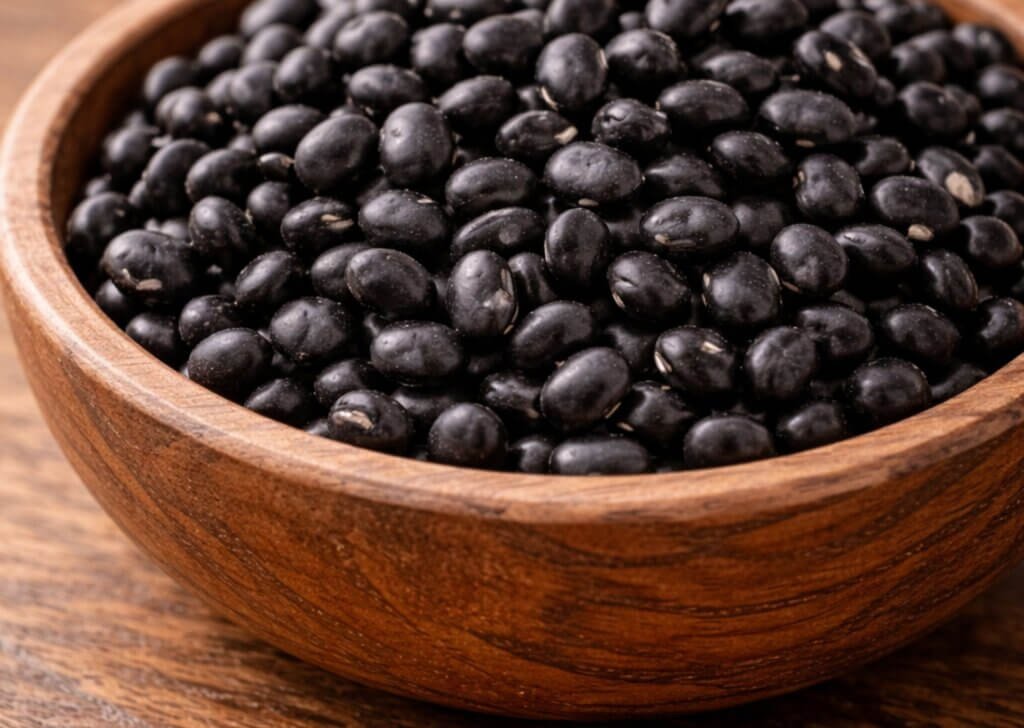
Black beans are an excellent staple crop due to their nutritional value, long storage life, and versatility in meals. Unlike some dry beans that are used mainly in emergency storage, black beans are easy to incorporate into regular cooking, making them practical for everyday use as well as long-term food planning.
They provide protein, fiber, and calories in a compact form and grow well in a wide range of garden setups.
Frequently Asked Questions about Black Beans
Yes! Place all the beans in a burlap sack and beat them with a stick to break them from the shell. Then, winnow them from their shells using using a small fan to remove any loose broken bits of the pod that’s left from the beans until you only have beans.
Black beans have small delicate white flowers – similar to peas and kidney beans.
Other Good Crops to Grow
If you like black beans, here are similar crops to give a try.
- How to Grow Kidney Beans (Planting, Care & Harvest Tips)
- How To Grow Peas In 4 Simple Steps
- How to Grow Radishes From Seed to Harvest (Fast 3–4 Week Guide)
- How To Grow Lettuce From Seed To Harvest
- How To Grow Kale From Seed To Harvest
Final Thoughts on Growing Black Beans
Learning how to grow black beans is a valuable skill for any gardener interested in growing real food that stores well and feeds a family. They are simple to plant, forgiving to grow, and highly productive in a small space.
With warm soil, consistent watering, and patience through the growing season, black beans can become a reliable staple crop in your garden year after year.
If you’re growing vegetables at home, you can explore all of our hands-on advice in our Vegetable Growing Guides, based on what actually works here on our homestead.
We are growing our website with more articles all the time, and we invite you to grow with us. If you have any questions about pickled garlic or would like to share some of your knowledge with us please leave a comment below. Happy Gardening!