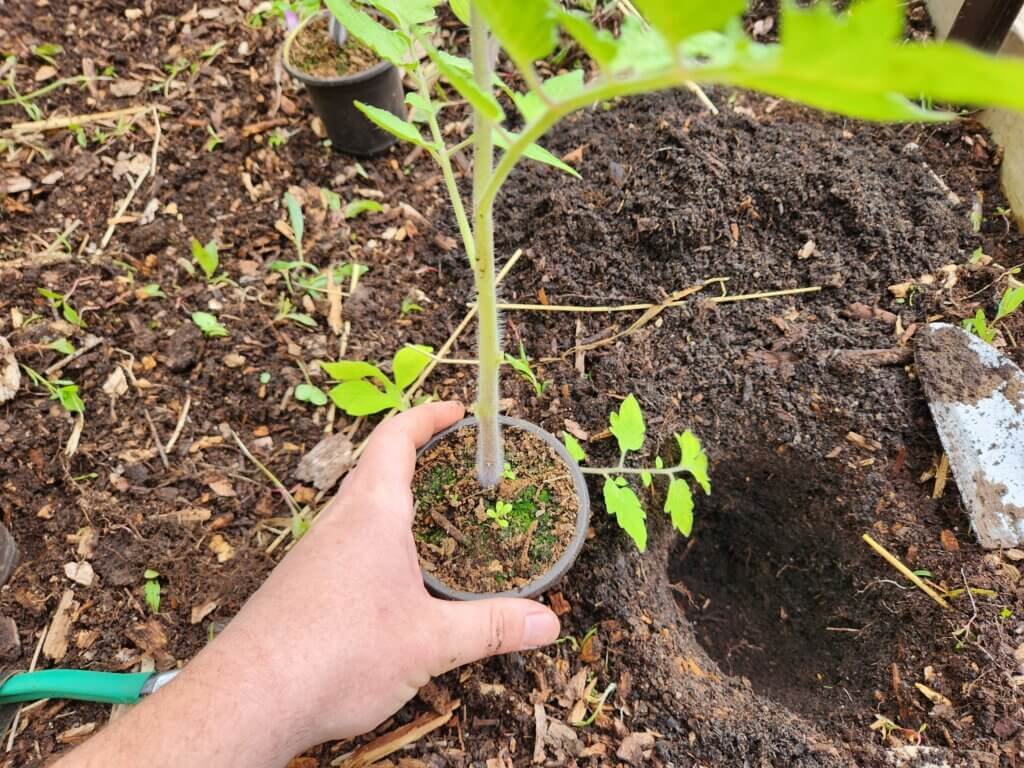
Tomatoes are one of the most rewarding crops to grow, but in Zone 5b, timing when you plant tomatoes can make or break your harvest. If you’re new to growing tomatoes, our guide on how to grow tomatoes from seed to harvest walks you through the entire process from start to finish.
Plant too early and a late frost can wipe everything out overnight. Wait too long and your tomatoes may struggle to fully ripen before fall.
The key is understanding how your local climate works and planting at the right time for your conditions.
In this guide, we’ll walk through exactly when to start seeds, when to transplant, and how to avoid the most common mistakes so you can grow strong, productive tomato plants in Zone 5b. For everything else zone 5 related check out our Zone 5 Gardening Guides: What to Grow and When (Complete Hub).
Best Time To Plant Tomatoes In Zone 5b
In Zone 5b, tomatoes are typically planted outdoors between late May and early June.
While some guides will tell you to plant right after your last frost date, that is not always the safest approach. Last frost for us in southern Ontario is generally around May 10th. Late frosts are not uncommon, and cold soil can slow tomato growth even if frost is no longer a risk.
The better approach is to wait until:
- Nighttime temperatures stay above 10°C (50°F)
- Soil has had time to warm up
- The weather pattern looks stable
Waiting an extra week or two often leads to stronger plants and faster growth.
When To Start Tomatoes Seeds Indoors In Zone 5b
Tomatoes grow quickly. Starting too early is one of the most common mistakes gardeners make. For a full breakdown of seed starting, lighting, and care, see our guide on how to grow tomatoes from seed to harvest.
- Start seeds 4–6 weeks before transplanting
- In Zone 5b, that usually means late March to early April
If you start too soon and your plants become leggy, it is not the end of the world. Tomatoes can be planted deep, and those long stems will grow roots once buried.
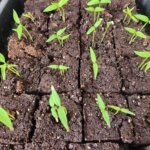
We recommend starting with soil blocks and potting up as needed as the plants grow. This helps prevent root binding and keeps seedlings healthy.
When To Transplant Tomato Plants Outside In Zone 5b
Tomatoes are a warm-weather crop that does not tolerate cold well. If you’re unsure about the transplanting process itself, our guide on when and how to transplant tomatoes covers it step by step.
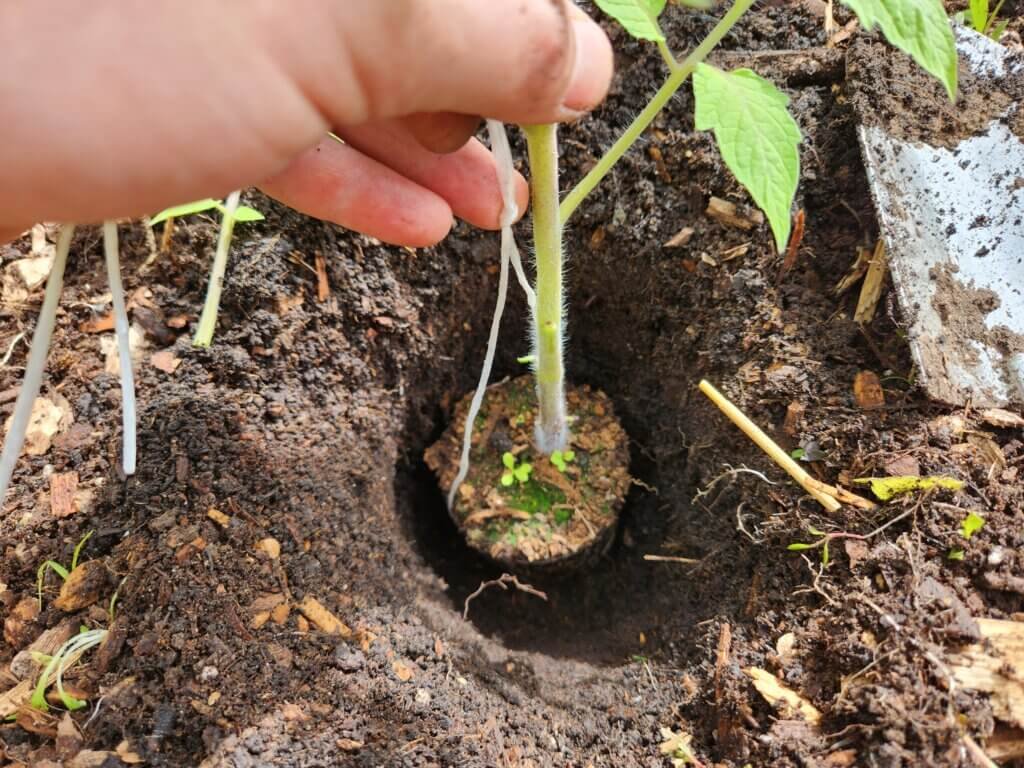
- Frost can kill tomato plants
- Cold soil can stunt growth
Most gardeners in Zone 5b transplant tomatoes around the second half of May, but we recommend waiting 1–2 weeks after your last frost date.
We have had years where we planted after our last frost date and a late frost wiped out all our transplants. This is why we recommend waiting a little longer. It reduces that risk and usually results in better growth overall.
How Big Should Tomato Seedlings Be Before Transplanting?
Tomato seedlings should be about 6–10 inches tall with at least 2–3 sets of true leaves before transplanting.
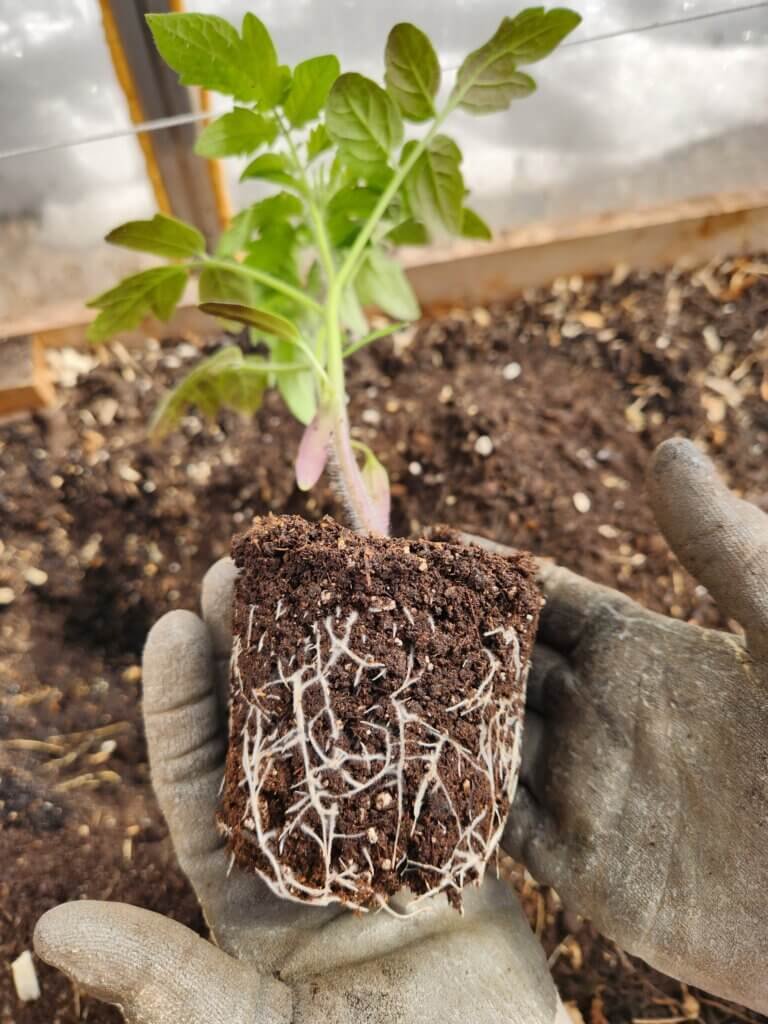
Healthy seedlings should have:
- Thick, sturdy stems
- Deep green leaves
- A well-developed root system
If your plants are smaller but healthy, they can still be transplanted. Tomatoes are forgiving and will continue to grow once conditions are right.
If your plants are tall and leggy, don’t worry. Tomatoes also benefit from being planted deep, which is explained in more detail in our guide on when and how to transplant tomatoes.
What Soil Temperature Tomatoes Need Before Planting
Tomatoes need warm soil to grow properly.
- Minimum soil temperature: 15°C (60°F)
- Ideal soil temperature: 18–21°C (65–70°F)
Cold soil slows root development and can cause plants to stall for weeks.
If you’re unsure, it’s better to wait a few extra days than to plant too early.
How To Tell If Your Soil Is Ready Without A Thermometer
You do not need a soil thermometer to know when your garden is ready for tomatoes. There are a few simple ways to check using what you already have.
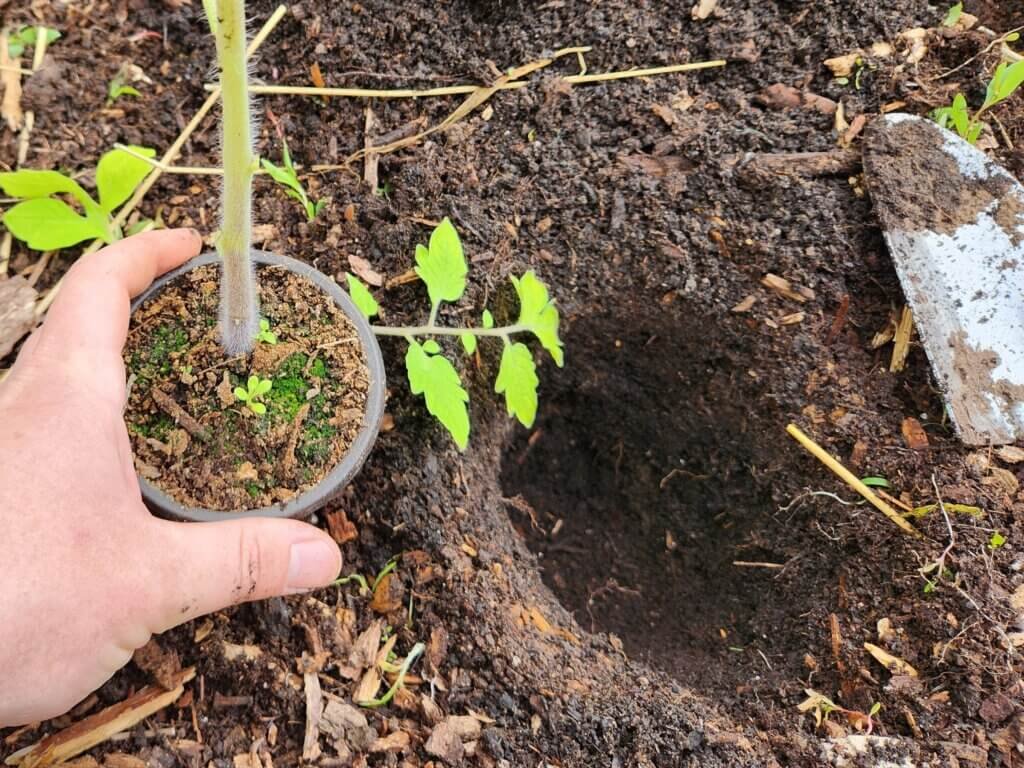
The Hand Test
Stick your hand a few inches into the soil early in the morning.
- If it feels cold and damp, it is still too early
- If it feels cool but not cold, you are getting close
- If it feels slightly warm, your soil is ready
Tomatoes do not like cold roots. If the soil still feels chilly to your hand, it will feel even colder to your plants.
The Barefoot Test
Walk across your garden soil with bare feet during the day.
- Cold and uncomfortable = wait
- Slightly cool but tolerable = almost ready
- Comfortable and warm = good to plant
It sounds simple, but it is surprisingly accurate.
Watch Weed Growth
Nature gives you signals if you pay attention.
- If weeds are barely growing, the soil is still too cold
- If grass and weeds are actively growing, the soil has warmed up
Strong weed growth usually means your soil is ready to support tomatoes.
Look At Nighttime Temperatures
Soil warms slowly and cools slowly.
If your nighttime temperatures are consistently above 10°C (50°F), your soil is likely warm enough for planting.
One warm day does not matter. Consistent warmth is what you are looking for.
Pay Attention To Earthworms
When soil warms up, earthworms become more active near the surface.
If you start seeing worms regularly when you dig, it is a good sign your soil is alive and warming up.
Simple Rule To Follow
If you are unsure, wait a few more days.
In Zone 5b, planting slightly later almost always leads to stronger plants than planting too early.
How To Protect Tomato Plants From Late Frost
Even if you wait until after the last frost, unexpected cold nights can still happen.
Simple ways to protect your plants:
- Cover plants with row covers or frost cloth
- Use buckets or containers overnight
- Water the soil during the day to help retain heat
- Plant near structures that reflect warmth
If a frost is forecast, always cover your tomatoes. It only takes one cold night to lose them.
Cold stress can also lead to long-term plant issues, which we cover in our guide on common tomato diseases and how to fix them.
Can You Direct Sow Tomatoes In Zone 5b?
Direct sowing tomatoes in Zone 5b is not recommended.
Tomatoes need a long, warm growing season, and the soil does not warm up early enough to support direct seeding outdoors. If you’ve ever wondered whether tomatoes can spread on their own, our article Tomatoes: A Weed or Invasive Species takes a closer look at how they behave in the garden.
Starting seeds indoors gives your plants a strong head start and is the best way to ensure a full harvest before fall. If you want to save your own seeds for next season, our guide on how to save tomato seeds walks you through the process.
Common Mistakes When Planting Tomatoes In Zone 5
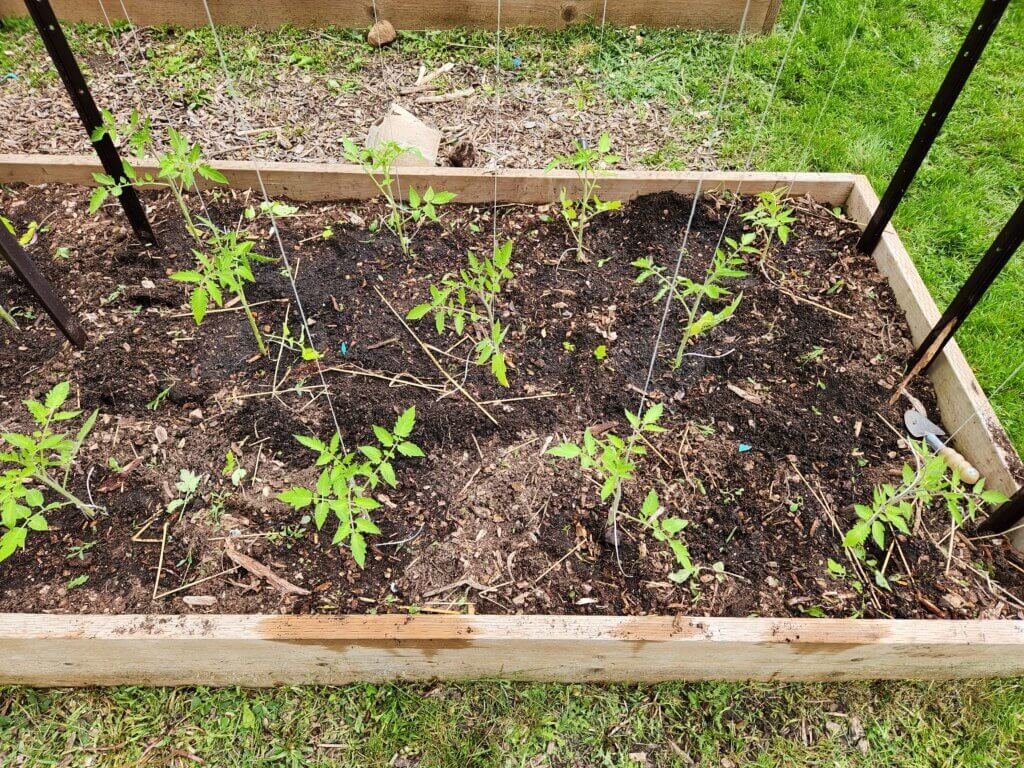
Planting Too Early
This is the biggest mistake. Early planting often leads to slow, stressed plants rather than a head start.
Soil Too Cold
Even without frost, cold soil can delay growth significantly.
Not Hardening Off Seedlings
Moving plants straight from indoors to full sun can shock them.
Overcrowding Plants
Tomatoes need space for airflow and healthy growth. Proper spacing also helps prevent disease problems, which are covered in our guide on common tomato diseases and how to fix them.
Tomato Growing Timeline in Zone 5 (Full Season Overview)
- Late March – Early April: Start seeds indoors
- April – May: Grow seedlings and pot up as needed
- Mid–Late May: Begin hardening off plants
- Late May – Early June: Transplant outdoors
- July – September: Harvest season
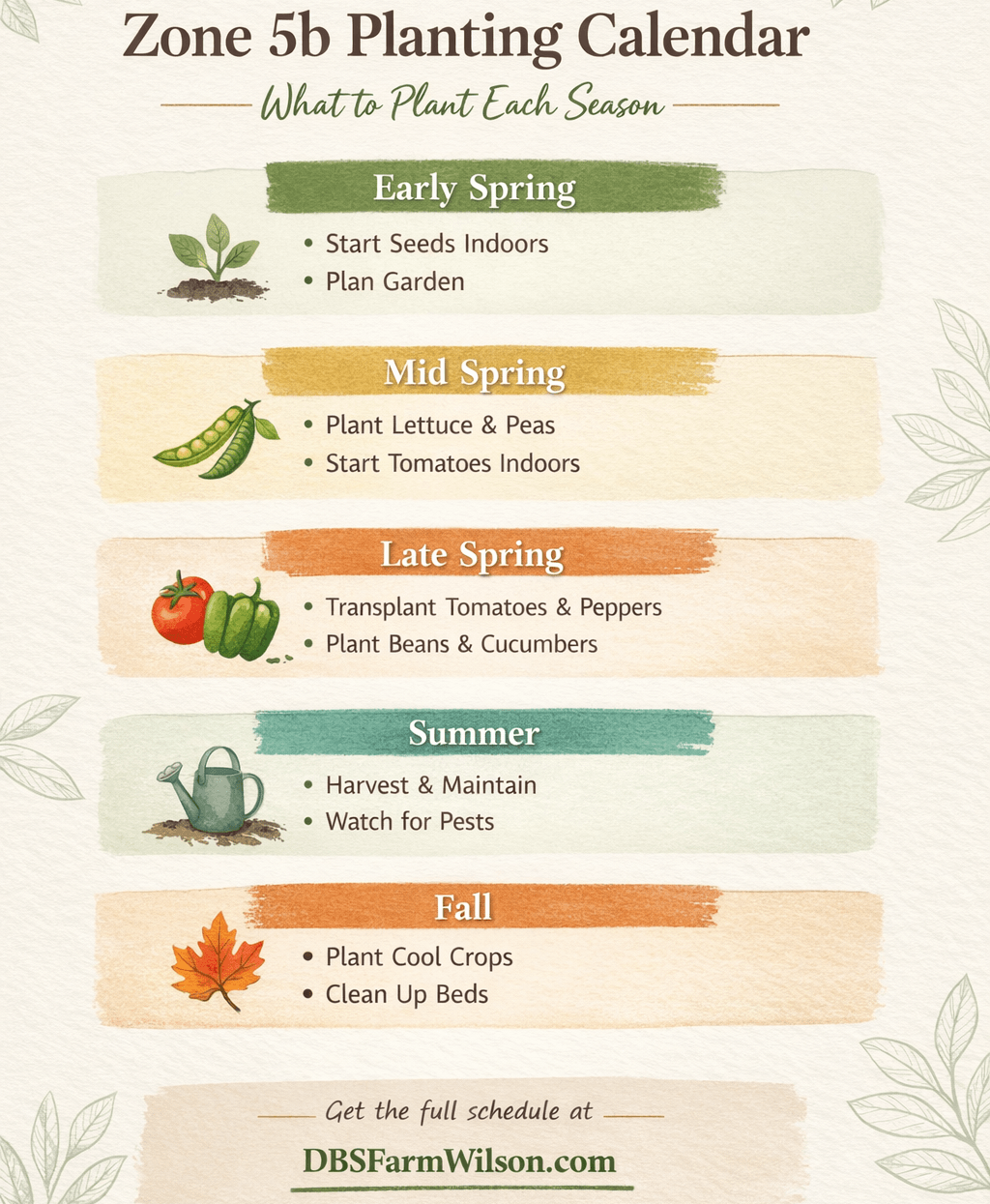
This simple timeline helps you stay on track and avoid rushing the process. For more resources on growing timelines in zone 5 read Zone 5b Planting Calendar What to Plant Each Season
Frequently Asked Questions
Most gardeners should transplant tomatoes outdoors between late May and early June, after the risk of frost has passed and the soil has warmed.
It can be. While the average last frost is around mid-May, waiting an extra 1–2 weeks is usually safer.
Start seeds 4–6 weeks before your last frost date, typically in late March or early April.
Tomatoes struggle when temperatures drop below 10°C (50°F) and can be damaged or killed by frost.
Yes. Raised beds warm up faster in spring, which can help tomatoes establish sooner.
Conclusion
Planting tomatoes in Zone 5b is less about hitting a specific date and more about watching the conditions.
If you wait for warm soil, stable temperatures, and take the time to harden off your plants properly, your tomatoes will grow faster and produce more. Rushing the process rarely leads to better results. Choosing the right companion plants can also improve growth and reduce pests. Learn more in our guide on the 3 best companion plants for tomatoes.
Once you dial in your timing, tomatoes become one of the most reliable and rewarding crops in your garden.
If you want to go deeper, you can also learn how to grow tomatoes from seed to harvest, how to save tomato seeds, and how to deal with common tomato diseases so your plants stay healthy all season.