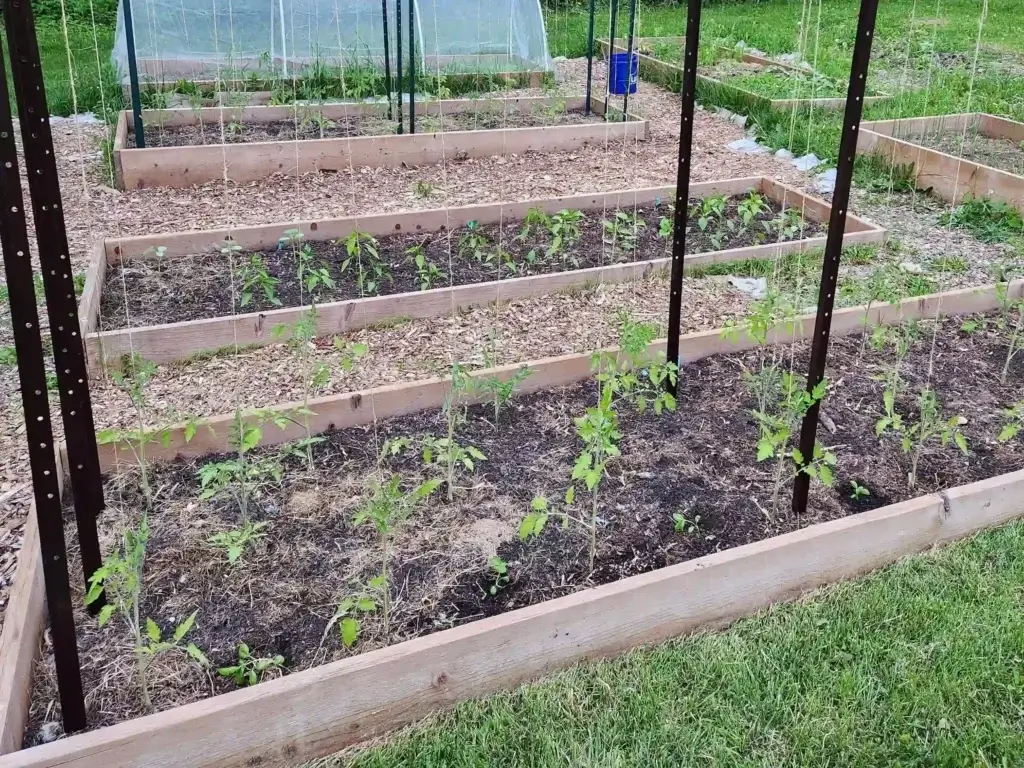
If you garden in Zone 5, you’ve probably run into the same problem we did. Most gardening advice just doesn’t apply here.
It’s written for warmer climates where growing seasons are longer, soil warms faster, and frost isn’t always waiting to ruin your plans.
We’ve followed that advice before. It didn’t work.
Planting too early, losing crops to late frost, trying to follow timelines that didn’t match our reality. It all adds up fast in a shorter growing season.
Zone 5 gardening isn’t harder. It’s just different.
Once you understand the timing, when to start seeds, what can handle the cold, and when it’s actually safe to plant. Everything starts to fall into place.
This page brings it all together. Bookmark it, come back and we’ll keep updating it as we grow too.
Quick Answer
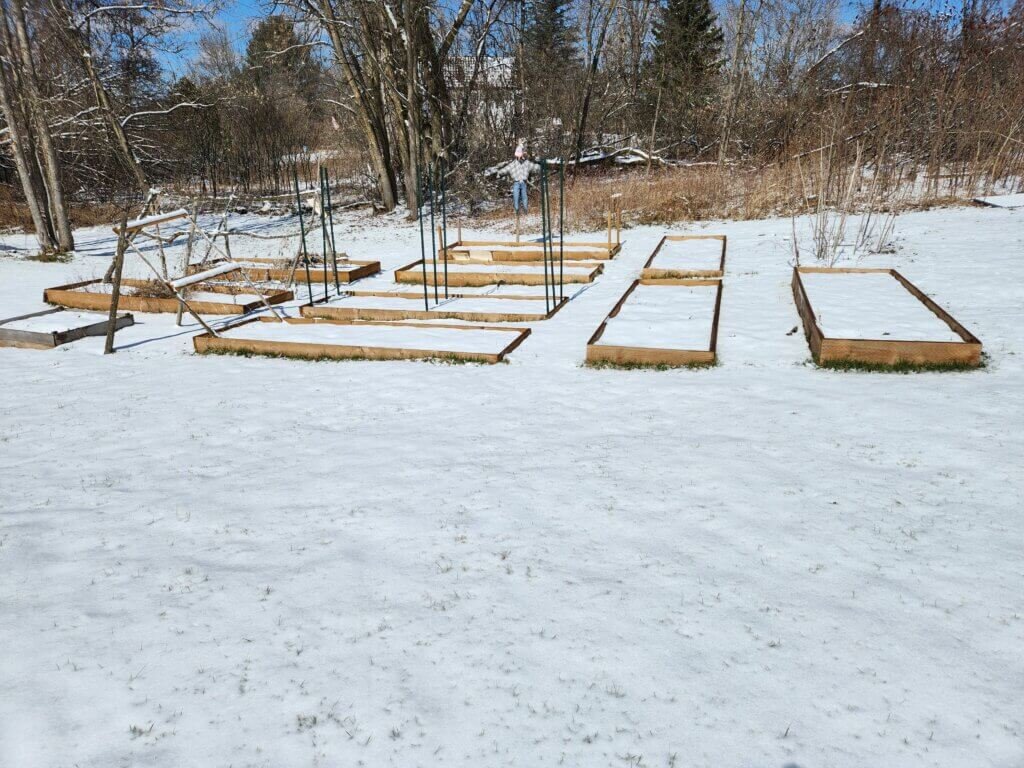
Zone 5 gardening is all about timing. With a last frost around mid-May and a shorter growing season, success comes from starting seeds indoors, planting cold-hardy crops early, and waiting to transplant heat-loving plants until the soil is warm. This guide pulls together everything you need to grow successfully in Zone 5.
Warm Season Crops (Plant After Frost)
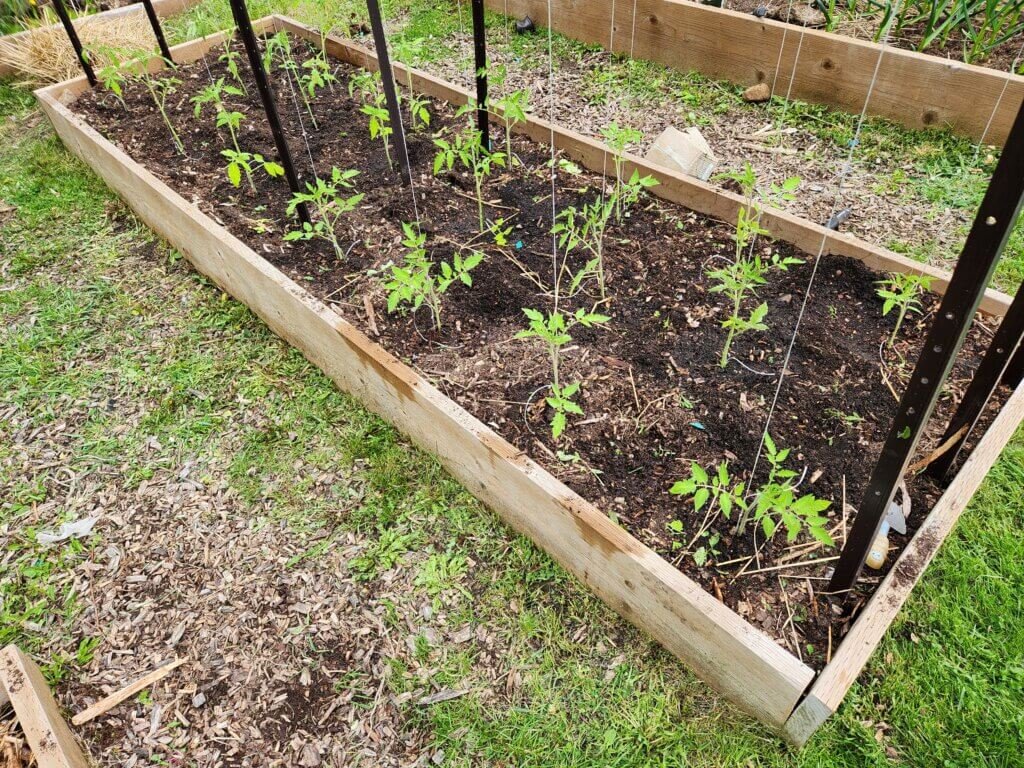
These are the crops that need heat to grow well. If you plant them too early, they stall or die.
In Zone 5, these typically go outside late May to early June, after the risk of frost is gone and the soil has warmed up.
Tomatoes
Learn exactly when to start seeds indoors, when to transplant, and how to avoid cold shock in spring.
When to Plant Tomatoes in Zone 5b
When and How to Transplant Tomato Seedlings
How To Grow Tomatoes From Seed To Harvest.
Peppers
Peppers need even more heat than tomatoes. Timing and early growth stages matter more than most people realize.
When to Plant Peppers in Zone 5b
How to Grow Peppers in Zone 5 (and Other Cool Climates)
Beans
A fast-growing, warm-season crop that thrives once soil temperatures rise.
How to Grow Beans in Zone 5
Butternut Squash
Butternut squash needs a long, warm growing season, which can make timing tricky in Zone 5. Starting seeds indoors and waiting for warm soil before transplanting gives the plants enough time to mature before fall frost.
How To Grow Butternut Squash In Zone 5
Cold Hardy Crops (Start Early or Grow Late)
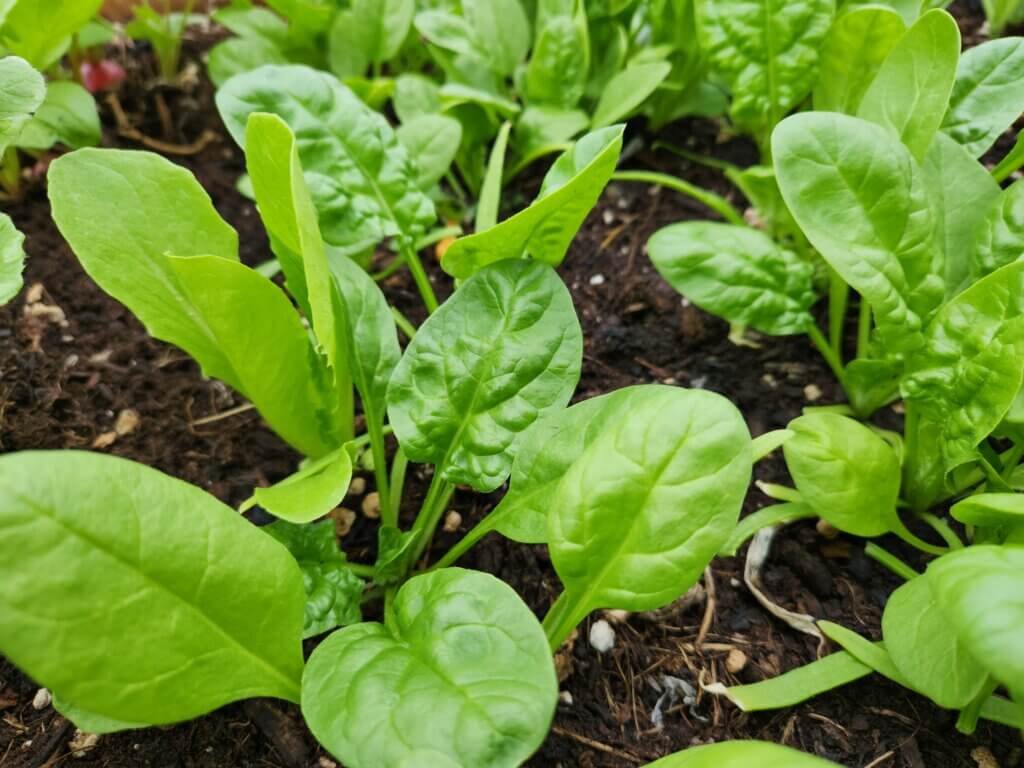
These crops can handle cooler temperatures and should be planted well before summer heat arrives.
Some can even go in the ground as soon as the soil is workable.
Garlic
Garlic timing is one of the most misunderstood parts of Zone 5 gardening.
How to Grow Garlic in zone 5 Step-by-Step
Spinach
One of the earliest crops you can grow. Thrives in cool weather and bolts quickly in heat.
How to Grow Spinach in Zone 5
Peas
Perfect for early spring planting. The sooner they’re in, the better they perform.
How to Grow Peas in Zone 5
Carrots
Carrots grow well in the cool temperatures of spring and fall and can be direct sown before many warm-season vegetables are ready to go outside.
How to Grow Carrots in Zone 5
Radishes
One of the fastest vegetables you can grow in Zone 5. Plant them in early spring or again in late summer when temperatures begin to cool.
How to Grow Radishes in Zone 5
Strawberries
We recommend get strawberries by ordering bare root plants or getting a few seedlings from a garden center. They will multiply in no time! Maintaining the strawberry bed is the most important.
How To Prep Your Strawberry Patch for Winter (Zone 5-6)
Raspberries
Raspberries are one of the most productive perennial fruits you can grow in Zone 5. Once established, a raspberry patch can provide fresh berries for 10-15 years or more with proper pruning and maintenance. Whether you’re growing red raspberries, black raspberries, or wild black raspberries, understanding how their canes grow is the key to long-term success.
How To Grow Raspberries In Zone 5: The Complete Growing Guide
Zone 5 Planting Schedules and Timing
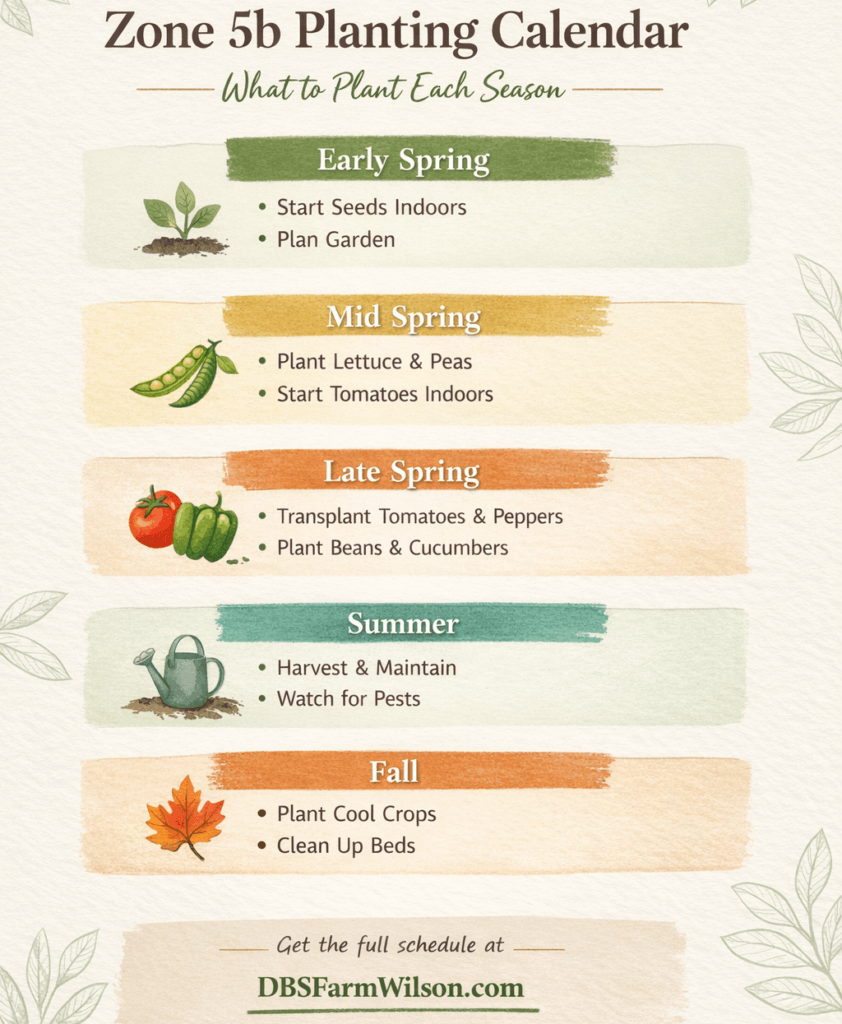
If there’s one thing that makes or breaks a Zone 5 garden, it’s timing.
These guides break it down so you’re not guessing what to plant and when.
Full Season Planting Guide
A complete breakdown of what to plant from early spring through fall.
Zone 5b Planting Schedule: What to Plant Each Month
Monthly Planting Guides
Focused guides to help you stay on track during the busiest parts of the season.
Seeds to Start in February (Zone 5): Your Essential Early-Season Planting Guide
What To Direct Sow In March In Zone 5b
What to Plant in April in Zone 5b
What to Plant in May in Zone 5b
What To Plant In June In Zone 5 (And What’s Too Late)
Late Starting Seeds In Zone 5? These 4 Crops Still Need To Be Started Indoors
Fall Garden Plans: 5 Vegetables To Plant In August In Zone 5
Last Chance Herbs: What to Plant This Fall in Zone 5 (Before Frost!)
Herbs and Medicinal Plants
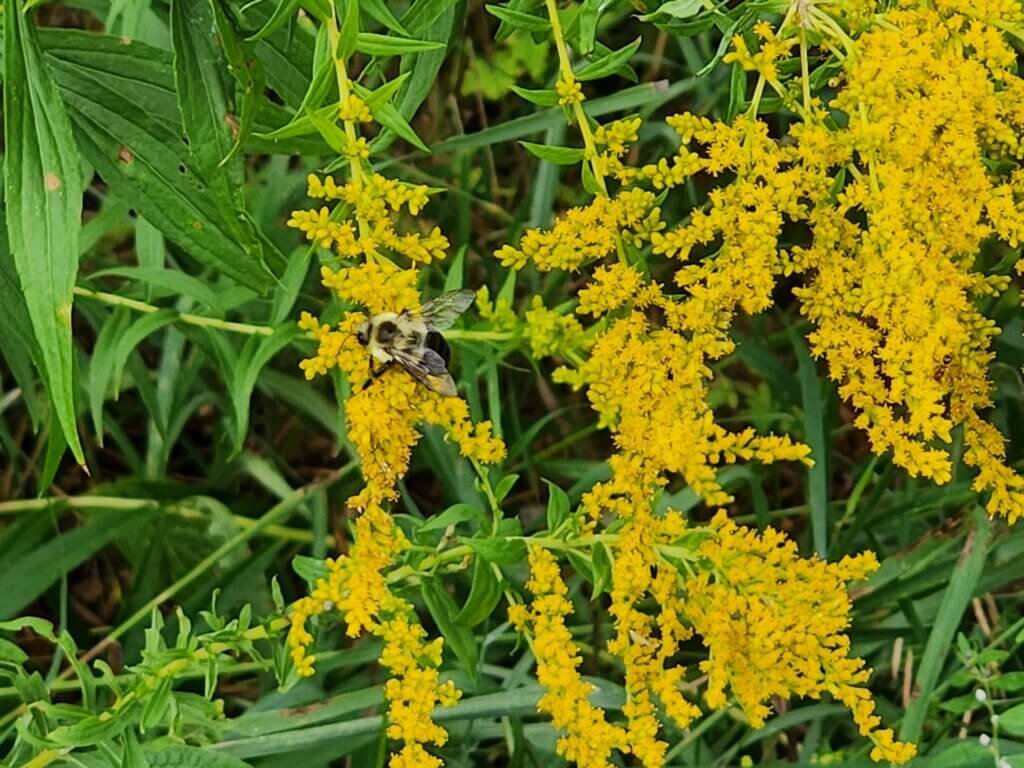
Zone 5 isn’t just for vegetables. Many herbs and medicinal plants grow well here with the right approach.
These guides focus on plants you can grow, harvest, and actually use.
Medicinal Herbs Hub — Growing, Harvesting, and Using Natural Remedies
How to Grow and Use Garlic for Health
Goldenrod Benefits and How to Use It
How To Make Dandelion Root Tincture (Zone 5 Friendly)
How to Use This Page
This isn’t just a list of guides. Use it like a roadmap:
- In early spring → focus on cold-hardy crops
- Mid-spring → start preparing warm-season seedlings
- After frost → transplant and shift to summer crops
- Late season → plan for fall planting and next year
Bookmark this page and come back to it throughout the season.
We update it as we grow, test, and refine what actually works here.
Final Thoughts
Zone 5 gardening doesn’t need guesswork. Once you understand:
- your frost dates
- your planting windows
- and how different crops behave
Everything becomes more predictable. This page is here to simplify that process.
No more trying to translate advice from warmer climates. No more losing plants to bad timing.
Just clear, practical guidance that works in a real Zone 5 garden.
Looking for a specific vegetable?
Visit our Vegetable Growing Guides Hub for step-by-step growing guides for individual crops.