Thyme has become a medicinal herbal stable in my pantry over the last few years. Thyme, (Thymus vulgaris) is both a culinary herb and a traditional medicinal plant, but in my opinion, not widely used enough for its medicinal benefits in modern times.
The medicinal benefits of thyme has a long history in European cultures. It’s active compounds: thymol and carvacrol, are what allows this herb to produce it’s medicinal benefits.
In this article, I’ll cover the medicinal benefits of thyme, thyme’s herbal uses and how you can use it at home (besides as a spice in your dishes!)
What Is Thyme and Why It Has Been Used as Medicine for Centuries
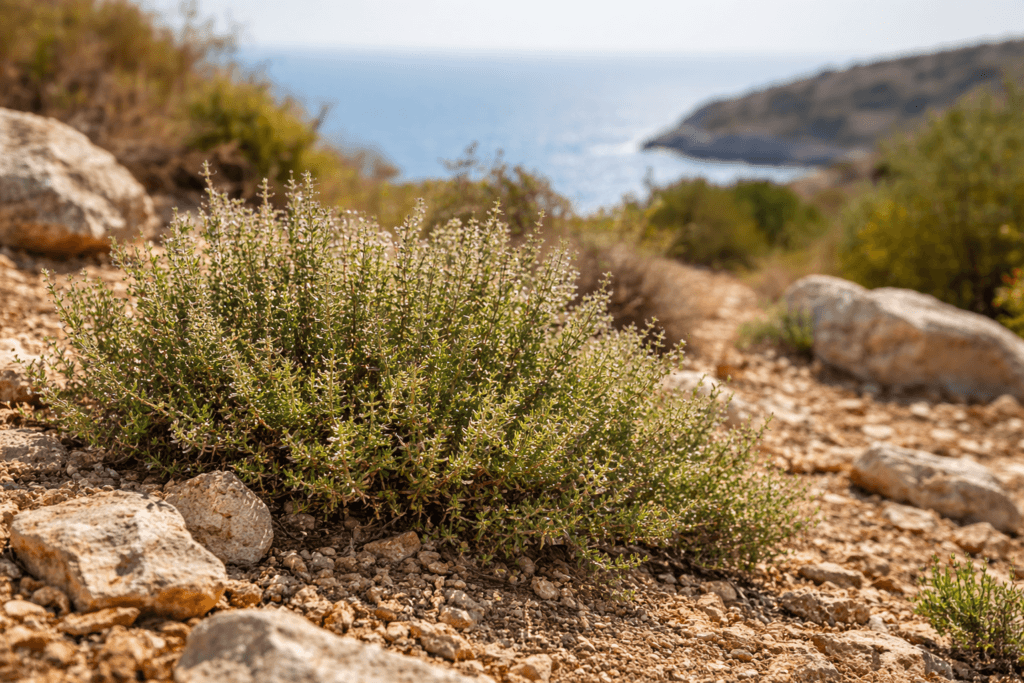
Thyme (thymus vulgaris) is a perennial Mediterranean herb that is cold hardy up to Zone 5. Since it originates in the Mediterranean, it has a long history in Greek, Roman and European medicine.
Over the centuries it’s been used for: coughs, chest congestion, digestion and wound cleansing. [1]
Ancient Greeks used thyme in baths for purification and respiratory health, similar to how in the west, we use eucalyptus or lavender for their aromatic benefits while in the shower.
Today, thyme is one of the most common herbs used in herbal remedies because if it’s potency, hardiness in home gardens and it’s commonality in everyday dishes.
Medicinal Compounds Found in Thyme
Thyme contains powerful volatile oils and phenolic compounds. The most important compounds include:
- Thymol
- Thymol is a natural compound found in thyme essential oil that has strong antimicrobial properties and contributes to thyme’s traditional use for respiratory and digestive support. [2]
- Carvacrol
- Carvacrol is a phenolic compound in thyme and other herbs that has been studied for its antibacterial, anti-fungal, and anti-inflammatory effects [6].
- Rosmarinic acid
- Rosmarinic acid is a plant polyphenol found in herbs such as thyme that acts as a powerful antioxidant and may help reduce inflammation and oxidative stress in the body.
- Flavonoids
- Flavonoids are natural antioxidant compounds present in thyme and many other plants that help protect cells from oxidative damage and may support immune and anti-inflammatory responses. Also found in:
- Goldenrod Benefits, Uses & How to Make Goldenrod Tea
- Dandelions – The Miracle Weed You Should Be Thanking
Together, these compounds are what contributes to thyme’s, antimicrobial effects, antioxidant activity, and anti-inflammatory effects.
But it’s important to know that these compounds varies in the thyme plant depending on harvest timing and growing conditions [2].
Medical Benefits of Thyme
Above, I covered the medicinal compounds of thyme. It’s these compounds that create the medicinal benefits that we all love in our homemade remedies. There are many benefits linked to the essential oil thymol and carvacrol. Expanded in detail below.
Respiratory support
The most common use of thyme for medicinal purposes is for respiratory support, [1]. Thyme has traditionally been utilized for coughs and bronchitis. It’s compounds listed above, help to loosen mucus and support airway function. The easiest way to use the remedy is in teas, steams and cough syrups.
Antimicrobial properties
Like a lot of medicinal plants, thyme can inhibit certain types of bacteria and fungi – due to it’s carvacrol compound. Thyme oil shows activity against pathogens such as: E. coli, Staphylococcus aureus [3]. Thyme has often been studied for natural food preservation and antimicrobial effects [3].
Antioxidant properties
A commonly overlooked benefit of Thyme is it’s antioxidant benefits. It’s compounds help neutralize free radicals [4], and the antioxidant effect can support overall cellular health [4].
Digestive support
Outside of respiratory support, thyme is commonly used for digestive support. It helps bloating, gas, and sluggish digestion. The bitter compounds stimulate these digestive tracks in our system to support us in working through it [4]. If you are using thyme for digestion, it’s best consumed after meals for tea.

Thyme Herbal Uses
Now that we know the benefits of thyme and how it works – how can we actually use it day-to-day. Thyme is one of my favourite and preferred methods of herbal remedies as it’s so abundant and tasty. These are the most common thyme herbal uses:
Thyme tea
Simple and easy, a thyme hot infusion (a.k.a. tea) can be used with fresh or dried thyme leaves. The hot infusion is used for coughs, sore throats and digestion. I often combine my thyme hot infusion with raw honey for the three reasons I listed above. It’s tasty and medicinal.
But my absolute favourite way to have thyme tea is by combining it with other herbs (listed below) – or alone, and make it into my own teabags. This way the tiny leaves don’t escape the stainless steel loose leaf tea balls. My teabags are made with coffee filters, string, and a bit of patience – it’s well worth it though!
- How To Make Homemade Tea Bags with Garden Herbs
- What Is Mullein – The Tall Fuzzy Green Plant
- Raspberry Leaf Tea Benefits: A Complete Herbal Guide
Thyme steam inhalation
Since thyme is known as a decongestant, adding thyme to hot water and inhaling the steam is a common way to help congestion and sinus irritation. Thyme’s compounds we listed above are known to be anti-inflammatory, therefore it may help to open airways. When doing steam inhalation there are a few things to remember:
- If the water is too hot, it will burn your nostrils – add the thyme in the hot water and let it steep, then breath in when tolerable.
- For maximum effect, cover the back of your head with a towel so the steam doesn’t escape.
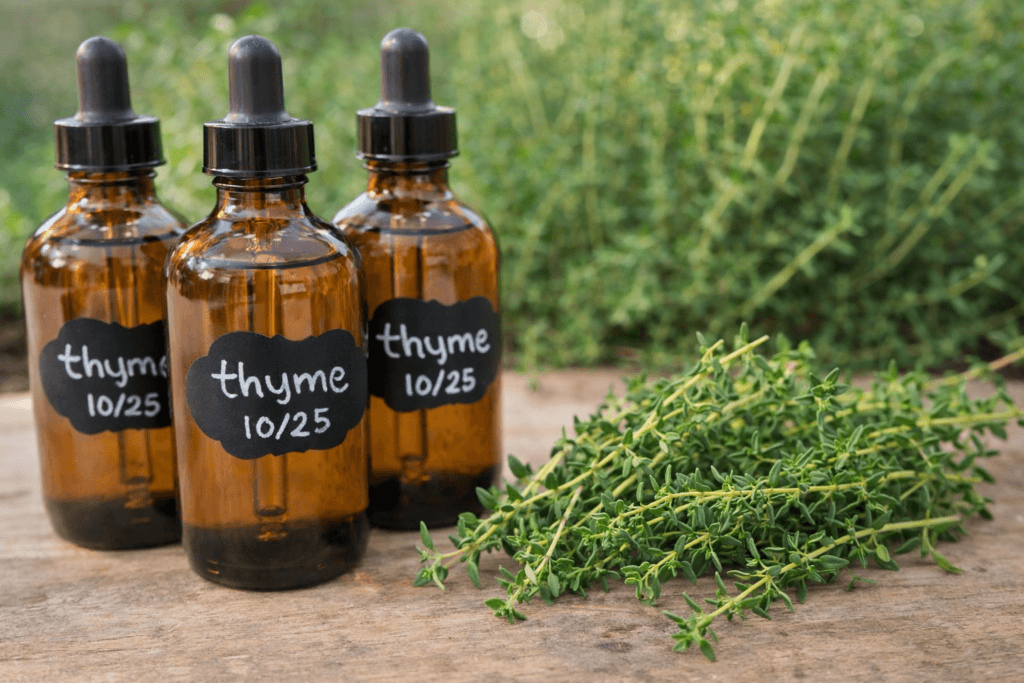
Thyme tincture
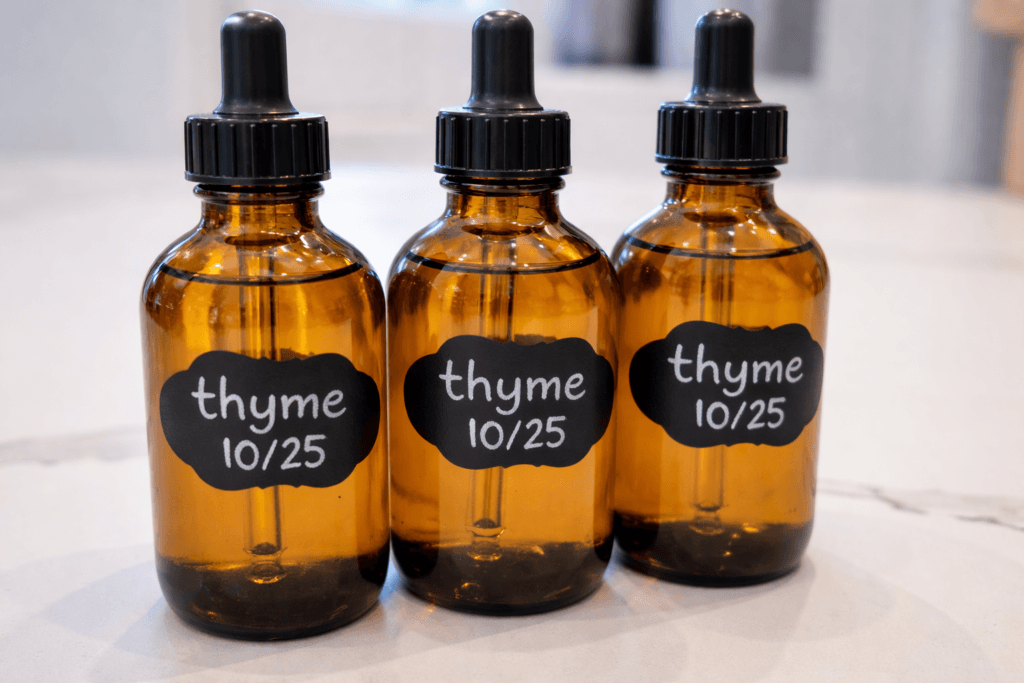
A thyme tincture is my other go-to thyme remedy. Tinctures are an alcohol extraction of a plant’s medicinal compounds. By simply adding thyme and alcohol in a jar for a few weeks, then straining out the plant material, you have a thyme tincture.
I usually add a full dropper to a hot infusion drink I’m making by combining it with other medicinal tinctures for strong natural remedy. My go-to’s are: adding it to hot water with some mullein tincture, goldenrod tincture with honey and lemon. Or adding it to my fire cider wellness shot for some extra immune boosting properties.
- What Is Mullein – The Tall Fuzzy Green Plant
- How to Make Fire Cider Recipe: Immune-Boosting Tonic for Cold and Flu Season
Fresh vs Dried Thyme for Herbal Use
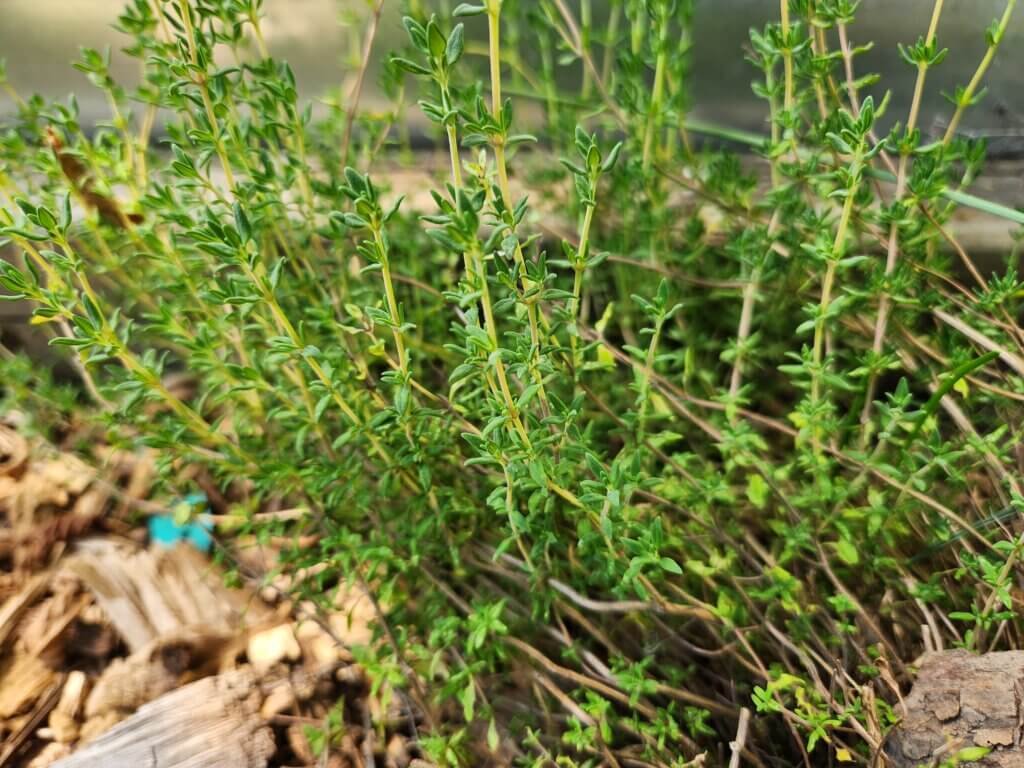
A very common question is whether fresh or dried thyme is better for medicinal herbal use. While both are strong, potenant and will work, fresh thyme is considered better in general. But do not let that stop you from using dried thyme in your herbal remedies!
- Fresh Thyme:
- Has higher volatile oil content – therefore the compounds are stronger medicinally. When making fire cider or a tincture during the thyme growing season, I would recommend using fresh sprigs to create it.
- Has a stronger aroma due to it’s higher oil content being fresh.
- Dried Thyme:
- Is much easier to store and perfectly acceptable to use to make tinctures, teas or steam inhalations. It’s great to have access to the herbs during the winter months – it’s better than nothing.
- Is commonly used for teas and infusions since it’s slightly milder and less bitter.
Safety and Precautions When Using Thyme
Overall, thyme is generally considered safe in normal food amounts. If you’re using thyme in teas or in tinctures, I’m obligated to say that this is not medical advice and to consult a medical practitioner prior to using thyme. Use your own judgement through your own research.
- Possible concerns include [1]:
- allergic reactions in sensitive individuals
- irritation from essential oils (not that anything here included essential oils)
- Pregnant or breastfeeding individuals should consult healthcare professionals. (I used thyme tea and inhalation while pregnant over the medicated options available to me).
Growing Your Own Thyme for Herbal Medicine
I love growing our own thyme. Since it’s a perennial and hardy in Zone 5, we don’t need to grow it yearly. However, we are expanding our medicinal herbal garden, adding thyme to pots and in the ground for more fresh cuts to use in medicine and in cooking.
Growing your own thyme ensures freshness and quality you just cannot get anywhere else. This plant is extremely drought tolerant and easy to grow. Out of the main herbs you can grow – I would recommended thyme alongside oregano and basil.
Thyme can be harvested throughout the growing season, everytime a sprig is cut off, more grow from it’s base. Regular pruning it actually needed. If you choose not to cut some of the sprigs, the little white flowers will attract many pollinators – especially the bees!
FAQ of Medicinal Benefits of Thyme
Yes – thyme is full of medicinal compounds that benefit the human body making it a medicinal plant as well as a culinary herb
Thyme is a perennial up to Zone 5. If extremely well protected during winter, it could be a perennial up to Zone 3.
Related Articles
- How to Grow Thyme (Complete Growing Guide)
- Medicinal Herbs Hub: Growing, Harvesting, and Using Natural Remedies
- What Is Mullein – The Tall Fuzzy Green Plant
- Goldenrod Benefits, Uses & How to Make Goldenrod Tea
- 4 Easy Medicinal Plants To Grow at Home
Final Thoughts on Medicinal Benefits of Thyme
Thyme’s herbal uses are many and well documented throughout human history. If it’s not in your medicinal or culinary cabinet, I would encourage you to start this year – it’s a well documented, delicious herb that will benefit your health.
If you’re growing herbs at home, you can explore all of our hands-on advice in our Herb Growing Guides, based on what actually works here on our homestead.
We are growing our website with more articles all the time, and we invite you to grow with us. If you have any questions about Thyme or would like to share some of your knowledge with us please leave a comment below. Happy Gardening!

Research Sources You Can Reference:
- European Medicines Agency – Herbal monograph: Thymus vulgaris (https://www.ema.europa.eu/en/documents/herbal-monograph/final-community-herbal-monograph-thymus-vulgaris-l-and-thymus-zygis-l-herba-and-primula-veris-l-and-primula-elatior-l-hill-radix_en.pdf)
- BMC Complementary Medicine and Therapies (2023)
Antibacterial properties of thyme essential oil (https://pmc.ncbi.nlm.nih.gov/articles/PMC10207748/) - Borugă et al., 2014
Thymus vulgaris essential oil antimicrobial activity (https://pmc.ncbi.nlm.nih.gov/articles/PMC4391421/) - PubMed reviews on thyme phytochemistry (https://pmc.ncbi.nlm.nih.gov/articles/PMC11666979/)
- N/A
- Caravcrol – A Natural Phenolic Compound with Antimicrobial Properties (https://pmc.ncbi.nlm.nih.gov/articles/PMC10215463/)