Spring is the time of year for dandelions. They are everywhere in abundance. Even if you don’t know their name, you know the recognizable beautiful, yellow ‘weed’ that shows up everywhere all spring long.
But did you know that you should be thanking the dandelion for being here each season? Dandelions are the biggest, misunderstood plant of the 21st century in my opinion. Let’s go over everything you need to know about dandelions and why you should be thanking them.
This post may contain affiliate links. If you use these links to buy something we may earn a commission. Thanks.
What Are Dandelions?
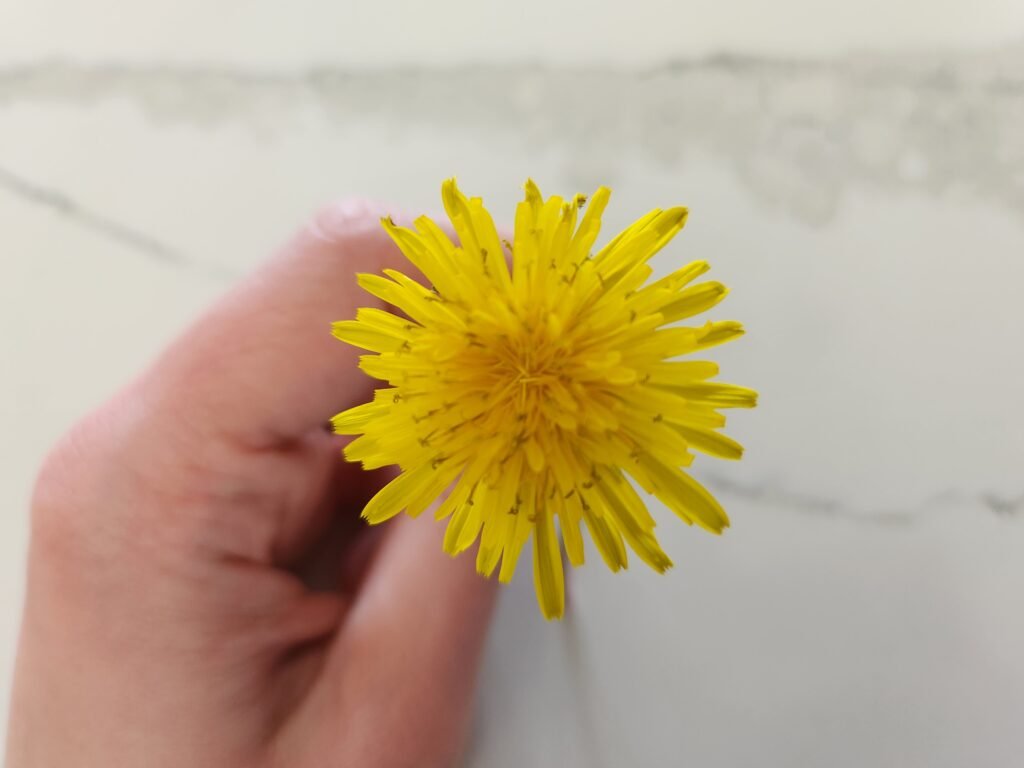
Dandelions are hardy, perennial plants native to Eurasia but now found on nearly every continent. They’re easily recognized by their bright yellow flower heads, jagged green leaves, and puffball seed heads.
Though often dismissed as weeds, dandelions are edible from root to flower and have been used for centuries in herbal medicine and kitchen recipes alike.
Dandelions in Pollinator Conservation
Dandelions are often seen as ‘invasive weeds’. To some people they might be, but they are invaluable to pollinators. Especially during the early spring months when few other flowers are blooming.
Side tangent: invasive just means something that grows proficiently in a spot you don’t want it to grow. Some other ‘invasive weeds’ can be: Mint, Raspberries and even Tomatoes.
An Early Source of Nectar
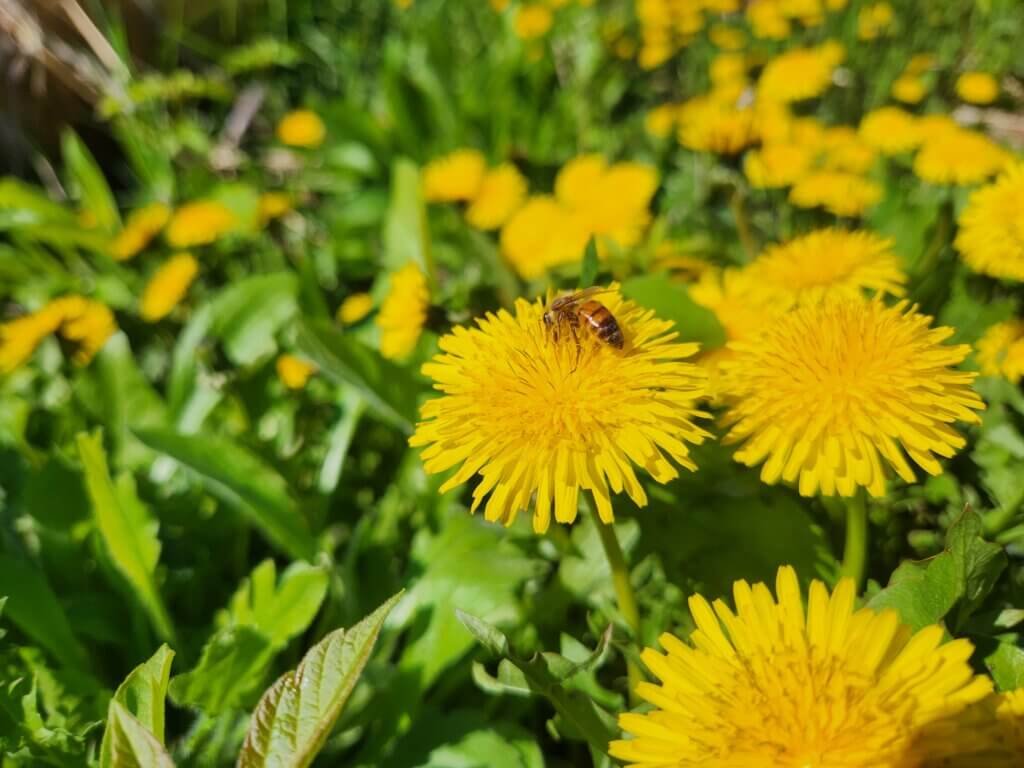
Dandelions bloom in early spring when other flowering plants are scarce. Their bright yellow blooms are rich in nectar, making them a critical early food source for bees, butterflies, and other insects that rely on pollen.
Dandelions attract honeybees because their flowers are abundant and easy to access. The flower heads open up in the morning, and the bees can gather both nectar and pollen, helping to kickstart the colony’s productivity.
Dandelions also serve as an essential early food source for butterflies, hoverflies, and solitary bees, all of which play a role in supporting healthy ecosystems.
Are Dandelions Edible?
You bet they are! Every part of the dandelion is edible, from the roots to the flowers. In fact, dandelions have been used as food for centuries and remain one of the most versatile wild plants available to gardeners and foragers.
Always harvest dandelions from areas free of pesticides, herbicides, or roadside pollution.
Dandelions aren’t the only edible flowers in the garden. You can find more edible flower ideas here.
Leaves
Dandelion leaves are best harvested in early spring when they are young and tender. As the plant matures, the leaves become increasingly bitter.
Young leaves can be eaten fresh in salads, added to sandwiches, blended into pesto, or cooked like other leafy greens such as spinach.
Flowers
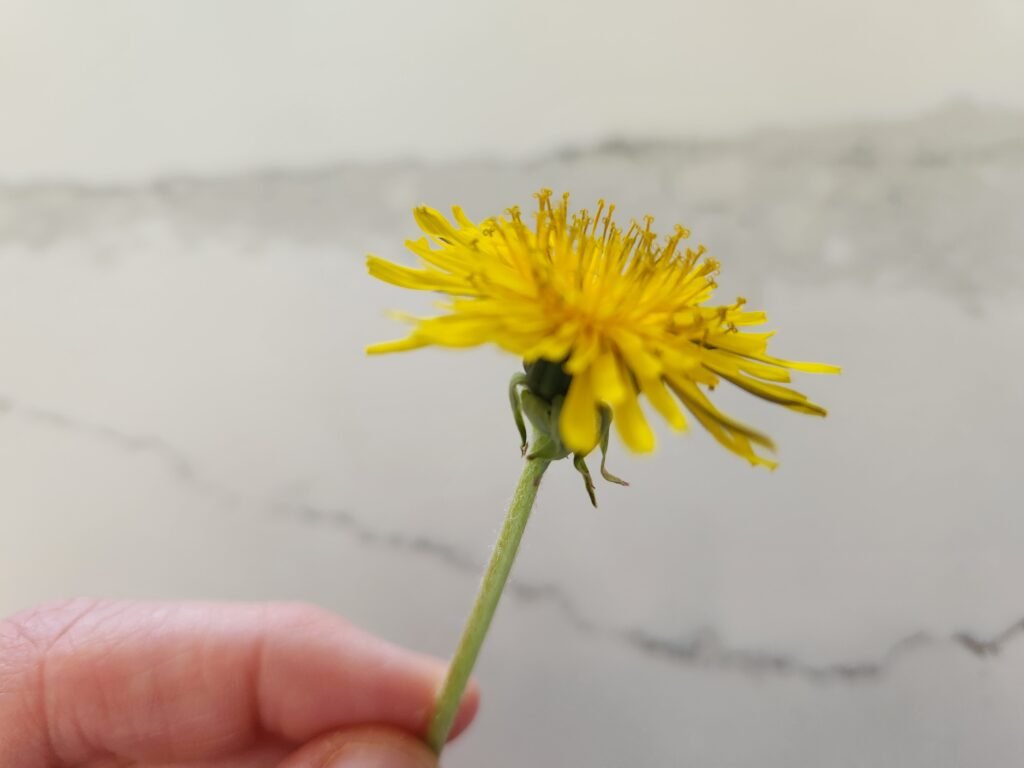
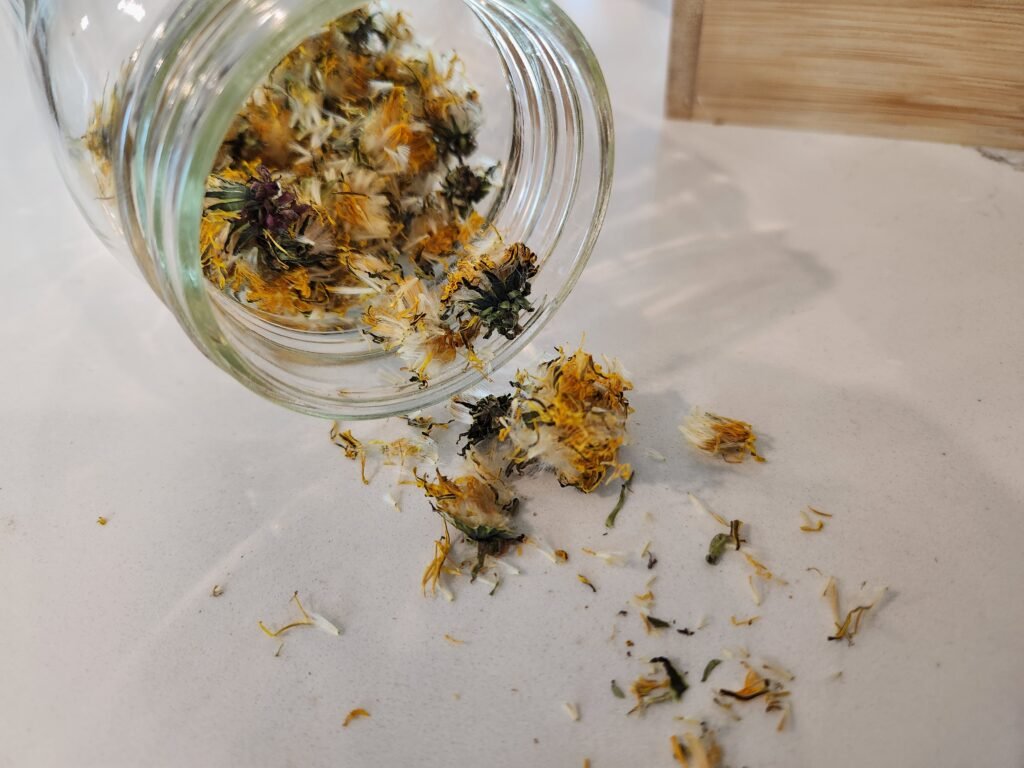
Dandelion flowers have a mild floral flavor and are the sweetest part of the plant. The petals can be eaten fresh, sprinkled over salads, baked into treats, or used to make traditional foods and drinks such as infused honey, tea, jelly, wine, and mead.
Roots
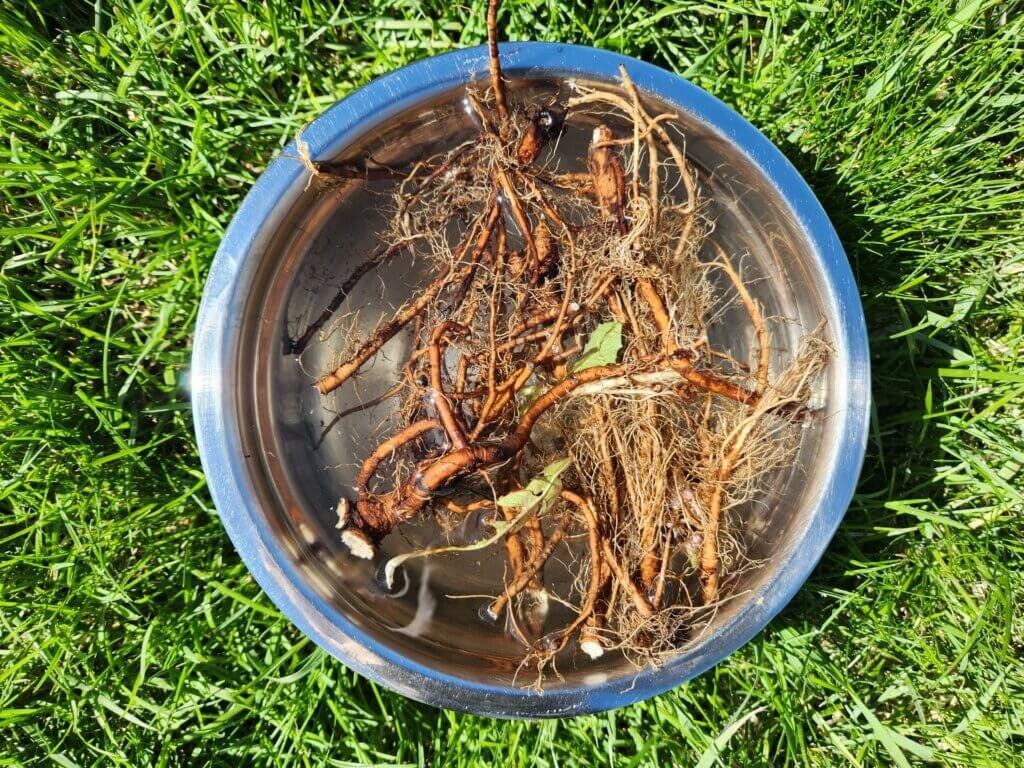
Dandelion roots are commonly harvested in spring or fall when they are largest. They can be dried for later use, roasted as a coffee substitute, brewed into tea, or preserved in herbal preparations.
While the leaves and flowers are often enjoyed as food, the roots are traditionally the part most commonly used in herbal remedies.
Medicinal Dandelion Benefits
Dandelions have been used in traditional herbal practices for generations. What makes them especially interesting is that different parts of the plant are used for different purposes.
Dandelion Root Benefits
Dandelion root is traditionally associated with digestive support, liver health, and fluid balance. It is commonly harvested in spring or fall and used in teas, tinctures, and roasted herbal coffee substitutes.
If you’d like a deeper look at the research, traditional uses, and preparation methods, read our complete guide to Dandelion Root Benefits.
Dandelion Flower Benefits
Dandelion flowers contain naturally occurring antioxidants and have long been used in teas, infused oils, syrups, wines, and other homemade remedies.
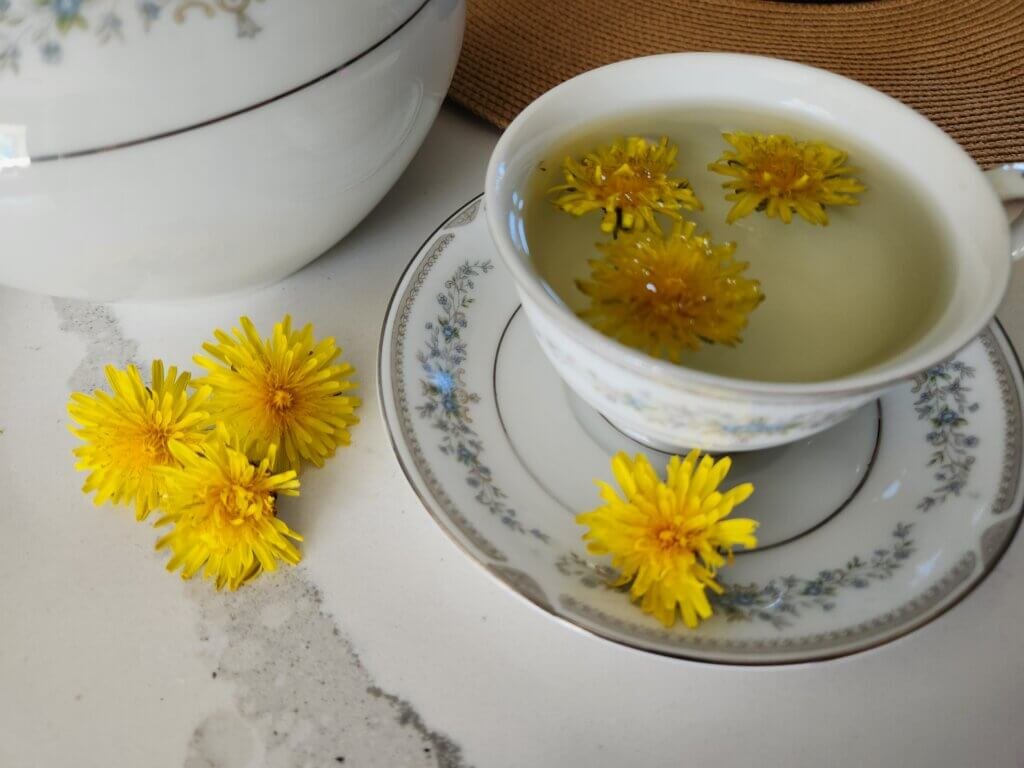
One of the easiest ways to enjoy the flowers is as a simple herbal tea. Learn more in our guide to the Benefits of Dandelion Flower Tea.
Dandelion Leaf Benefits
Dandelion leaves are rich in vitamins A, C, and K as well as important minerals including calcium and potassium.
Young leaves are often enjoyed as a spring green and have traditionally been used as a digestive bitter.
If you enjoy making simple herbal remedies, you might also like my guide on how to make a garlic tincture, another powerful plant-based immune supporter.
5 Simple Ways To Use Dandelions
One of the reasons I appreciate dandelions is that every part of the plant can be used. From teas and tinctures to salads and infused honey, dandelions offer practical ways to turn a common backyard weed into something useful.
Dandelion-Infused Honey
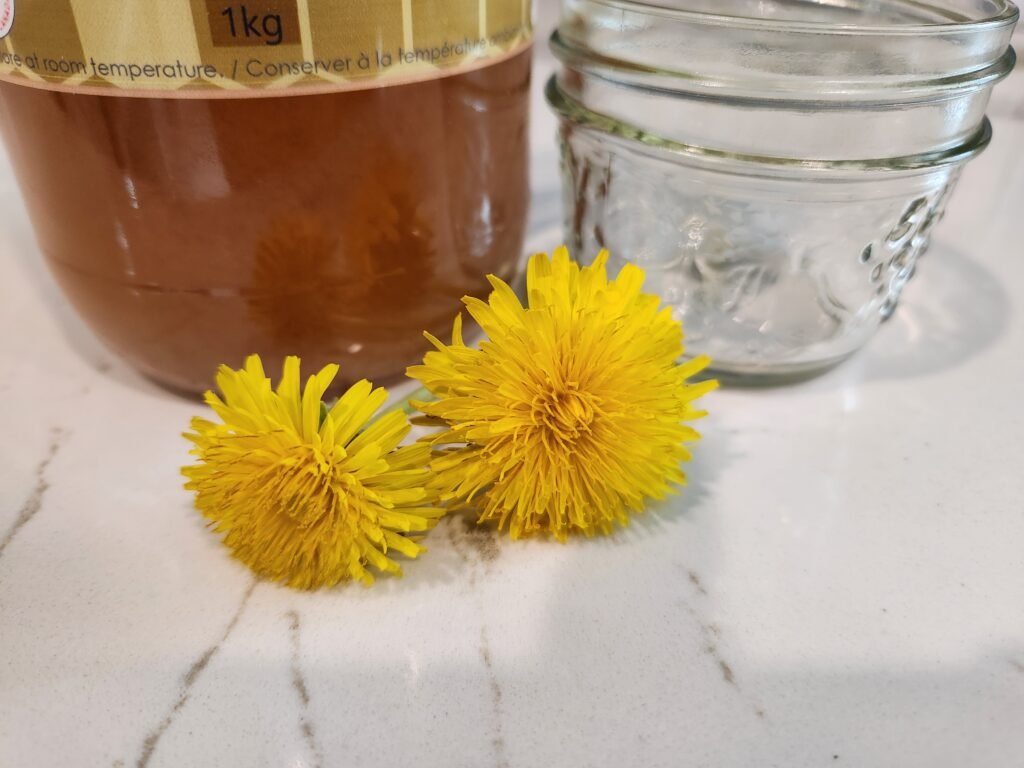
Dandelion-infused honey captures the mild floral flavor of spring dandelions and can be stirred into tea, drizzled over biscuits, or used as a natural sweetener. Many herbalists also enjoy infused honey as a soothing addition to homemade cold and flu remedies.
Roasted Dandelion Root Coffee
Roasted dandelion root has long been used as a caffeine-free coffee substitute. The roots develop a rich, earthy flavor when roasted and brewed. Some people enjoy it simply as an alternative hot beverage, while others use it as part of their herbal wellness routine.
Dandelion root is also commonly used in herbal remedies. Learn more about the traditional uses and Benefits of Dandelion Root here.
If you’d rather preserve your harvest for year-round use, learn how to make a Dandelion Root Tincture.
Fresh Dandelion Greens
Young dandelion leaves can be harvested in spring and added to salads, soups, and sautéed dishes. They are often considered one of the first edible greens available after winter and provide a nutrient-rich addition to seasonal meals.
Dandelion Flower Tea
Dandelion flower tea is one of the easiest ways to use the blossoms. The flowers create a light floral tea that can be enjoyed on its own or blended with herbs like chamomile or lemon balm.
For a deeper look at preparation methods, benefits, and precautions, read our complete guide to Dandelion Flower Tea Benefits.
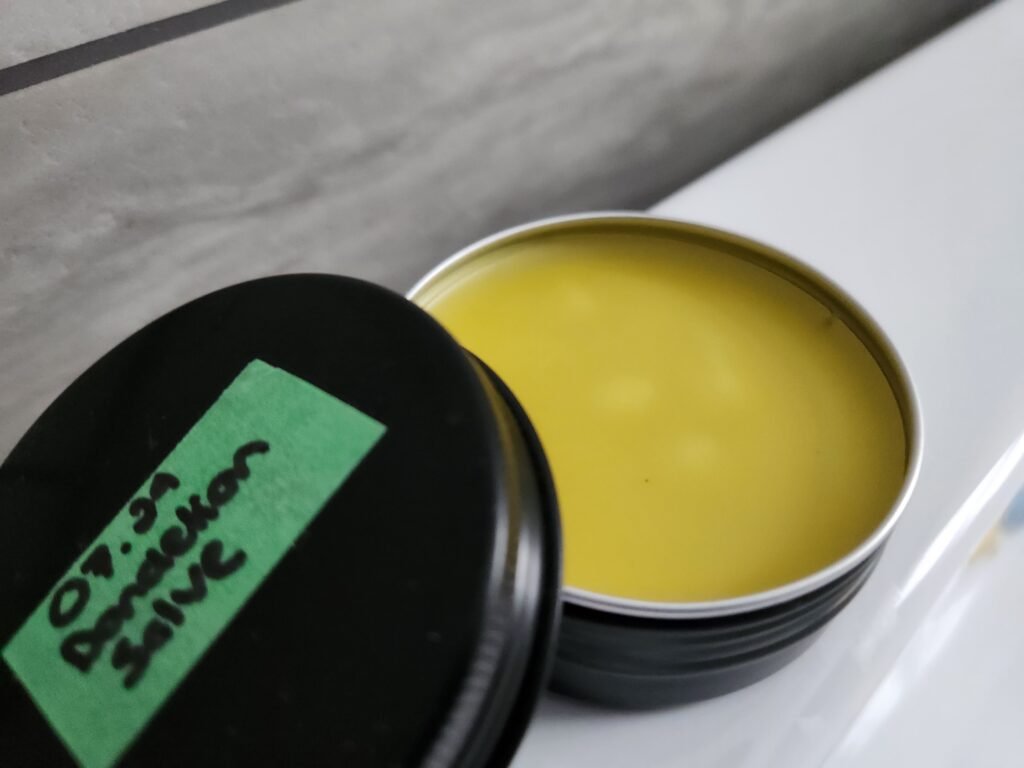
Dandelion Salves and Skincare
Dandelion flowers are commonly infused into oils and used in homemade salves, balms, and skin care products. Many people use these preparations to soothe dry skin and minor irritations while making use of an abundant spring plant.
For another easy, homegrown herbal remedy, try my step-by-step guide on how to make a goldenrod tincture, a fall favorite in our herbal apothecary.
Dandelions in Traditional Foods and Drinks
Beyond teas and herbal remedies, dandelions have been used in homemade foods and beverages for centuries.
Dandelion flowers are commonly used to make infused honey, jellies, syrups, and even fermented drinks such as dandelion wine and mead. Their mild floral flavor makes them a popular ingredient in traditional homestead recipes.
While I’ve experimented with mead making myself and hope to try dandelion mead in the future, these beverages deserve guides of their own. For now, it’s enough to know that generations of gardeners and foragers have found creative ways to turn this common “weed” into something special.
Why You Should Thank Dandelions
For something most people consider a weed, dandelions do a surprising amount of good.
Their deep taproots help break up compacted soil and bring nutrients closer to the surface. Their early flowers provide food for pollinators when little else is blooming. Their leaves, flowers, and roots can be used in food, teas, and herbal preparations. Even our chickens happily devour fresh dandelion greens.
That doesn’t mean I let them grow everywhere.
Every spring I pull plenty of dandelions from my garden beds, especially where I want vegetables to thrive. But I’ve started looking at them differently.
When I pull a dandelion, I don’t see a useless weed. I see a plant that has already contributed something. It fed the bees. It improved the soil. It provided food for my chickens. It served a purpose before I decided it was growing in the wrong place.
A few years ago I started thanking plants before removing them. It sounds a little strange, I know. But gardening has a way of changing how you see the world.
Recently, while clearing dandelions from one of my pepper beds, I thanked each plant as I pulled it and tossed the greens to the chickens. What could have felt like another garden chore instead felt like part of a cycle. The dandelions helped the garden, the chickens enjoyed a fresh treat, and the bed was ready for the season ahead.
Maybe that’s why I’ve come to appreciate dandelions so much. They remind me that even the plants we don’t want can still have value.
The next time you pull a dandelion, take a moment to appreciate what it contributed before it ended up in the compost pile or chicken run. You might find yourself looking at weeds a little differently.
Dandelions and Wishes
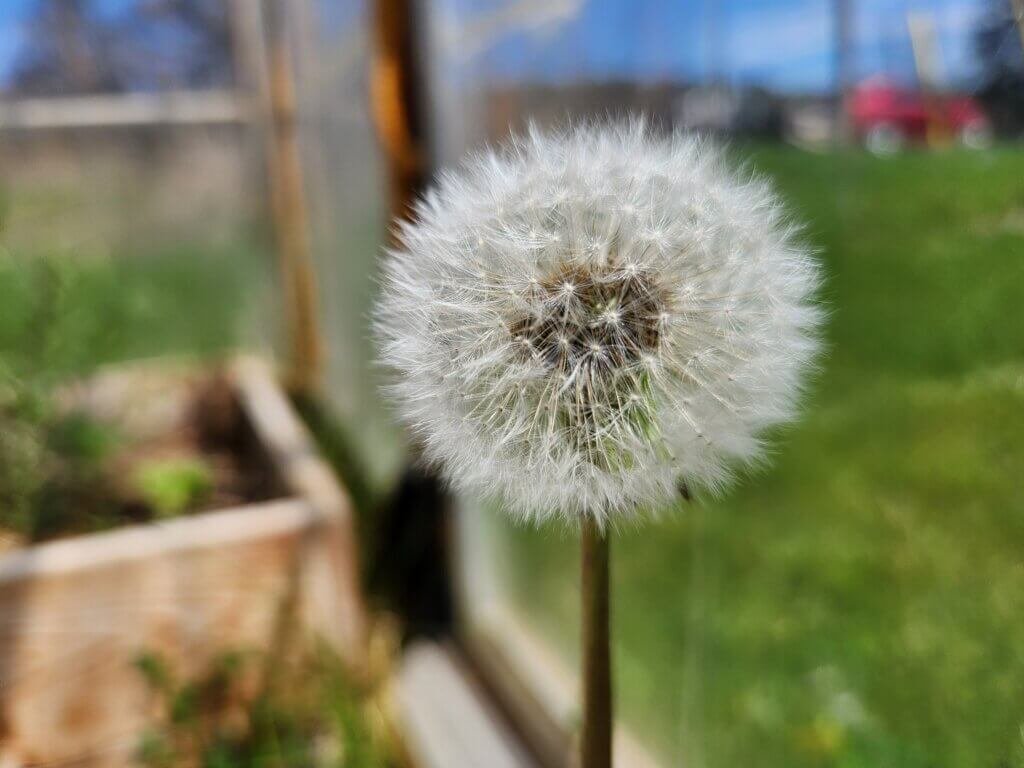
For many of us, our first experience with dandelions wasn’t as a medicinal herb or a garden weed. It was picking up a fluffy seed head, taking a deep breath, and making a wish.
The tradition of blowing on a dandelion puff and sending its seeds into the wind has been passed down through generations and is still taught to children today. Across many cultures, the drifting seeds were believed to carry wishes out into the world.
Whether you believe the wishes come true or not, it’s a reminder that dandelions have been woven into everyday life for centuries. Long before people debated whether they belonged in a lawn, children were making wishes on them and watching their seeds float away on the breeze.
Dandelion Related Articles
- Benefits of Dandelion Flower Tea + Simple Homemade Tea Recipe
- How To Make Dandelion Root Tincture (Zone 5 Friendly)
- Dandelion Root Benefits (Why It’s Been Used for Generations)
Continue Exploring Herbal Remedies
- Never Buy Tea Again: How To Grow And Harvest Chamomile
- Garlic Tinctures 101: How to Make Them, Benefits, and Safe Dosage
- Goldenrod Benefits, Uses & How to Make Goldenrod Tea
- What Is Mullein – The Tall Fuzzy Green Plant
- What Is Red Clover and How Can You Grow and Use It?
Dandelion FAQs
Yes! The leaves, flowers, and even roots can be eaten raw. Leaves are great in salads, while flower petals add a pop of color and mild sweetness.
It has a rich, earthy flavor with hints of bitterness, similar to regular coffee but without the caffeine. Many people enjoy it blended with spices like cinnamon.
Absolutely, as long as you harvest from clean areas free of pesticides, herbicides, and road runoff. Avoid public parks or areas where chemical treatments may have been applied.
Final Thoughts
Dandelions are one of the easiest wild plants to turn into home remedies, kitchen treats, and skin-soothing salves. These simple, time-tested recipes offer a gentle way to reconnect with traditional plant wisdom — and make the most of the cheerful yellow blooms dotting your yard.
If you’re on a medicinal herbal journey at home, you can explore all of our hands-on advice in our Natural Remedy Guides, based on what actually works here on our homestead.
We are growing our website with more articles all the time, and we invite you to grow with us. If you have any questions about dandelions or would like to share some of your knowledge with us please leave a comment below. Happy Gardening!