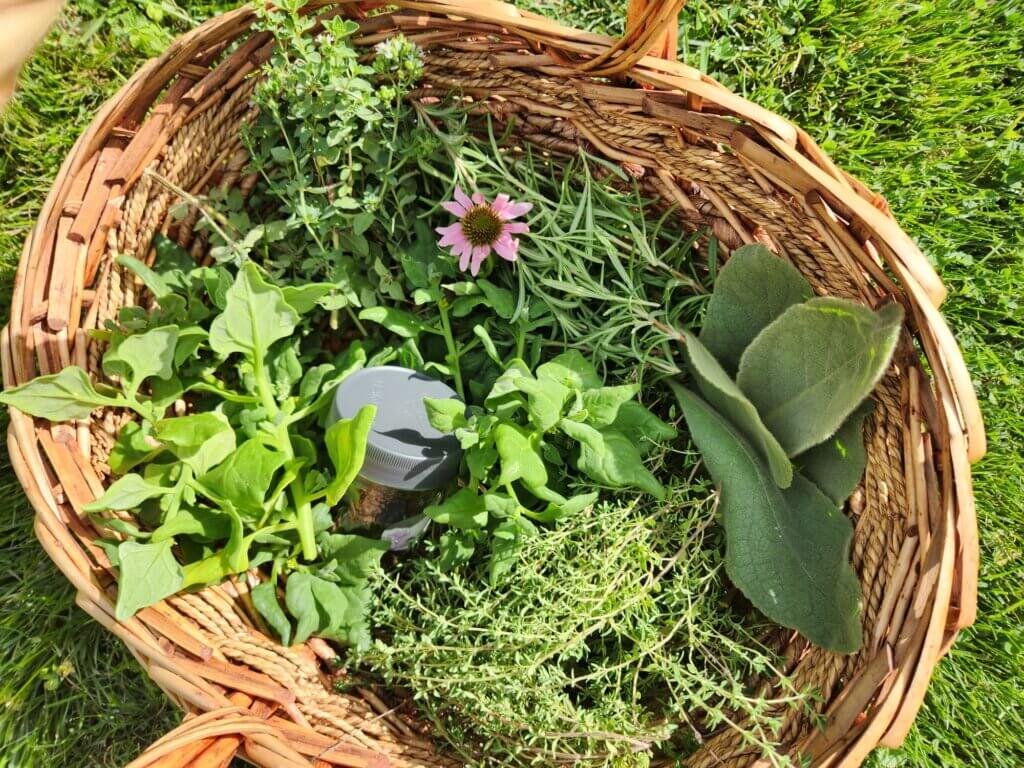
Summer is coming to an end, but that doesn’t mean the gardening season is over in Zone 5!
Depending on what you’re planting, late summer and early fall can still be a good time to add hardy perennial herbs, sow a few cool-season herbs for a final harvest, or plant seeds that will sit through winter and germinate in spring.
If you’re still filling space in the garden, our what to plant in August in Zone 5 guide covers more fall crops you can still get in the ground before the season ends.
But timing matters much more now than it did in May.
If you’re wondering what herbs you can still plant in Zone 5 this fall, the first question is really what do you want the plant to do? Some herbs need enough time to establish roots before winter, some can give you a quick fall harvest, and others are better sown late enough that they won’t germinate until spring.
This post contains affiliate links. If you use these links to buy something we may earn a commission. Thanks.
Quick Answer: What Herbs Can You Plant in Fall in Zone 5?
If you’re planting in late August or early September, hardy perennial herbs such as thyme, chives, mint and sage can still be transplanted while the soil is warm, provided they have time to establish before winter.
Cool-season herbs such as cilantro and parsley can also be planted for a late-season harvest, although how much you harvest will depend on when your first hard freeze arrives.
You can also fall-sow certain perennial and self-seeding herbs for spring germination, and fall is our preferred time to plant garlic here in Zone 5.
Cold Hardy Perennial Herbs to Plant in Zone 5 This Fall
Some perennial herbs can still be transplanted in late summer or early fall because the soil remains warm enough for root growth even while the air temperatures begin to cool.
The key is giving them enough time to establish before the ground freezes. I would much rather plant these in late August or early September than push a new perennial planting late into October.
Chives
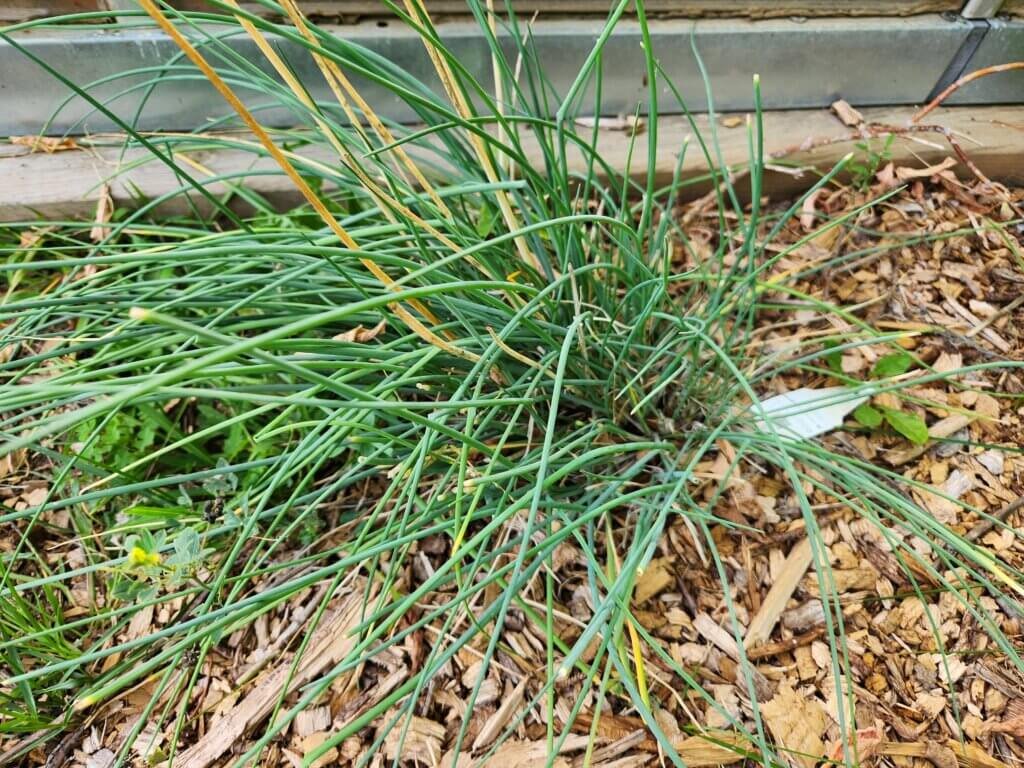
Chives are one of our hardiest perennial herbs. If you have an established plant to divide or a healthy transplant, early fall can be a good opportunity to get it into the garden. The foliage will eventually die back, but an established root system can survive winter and send up new growth early next spring.
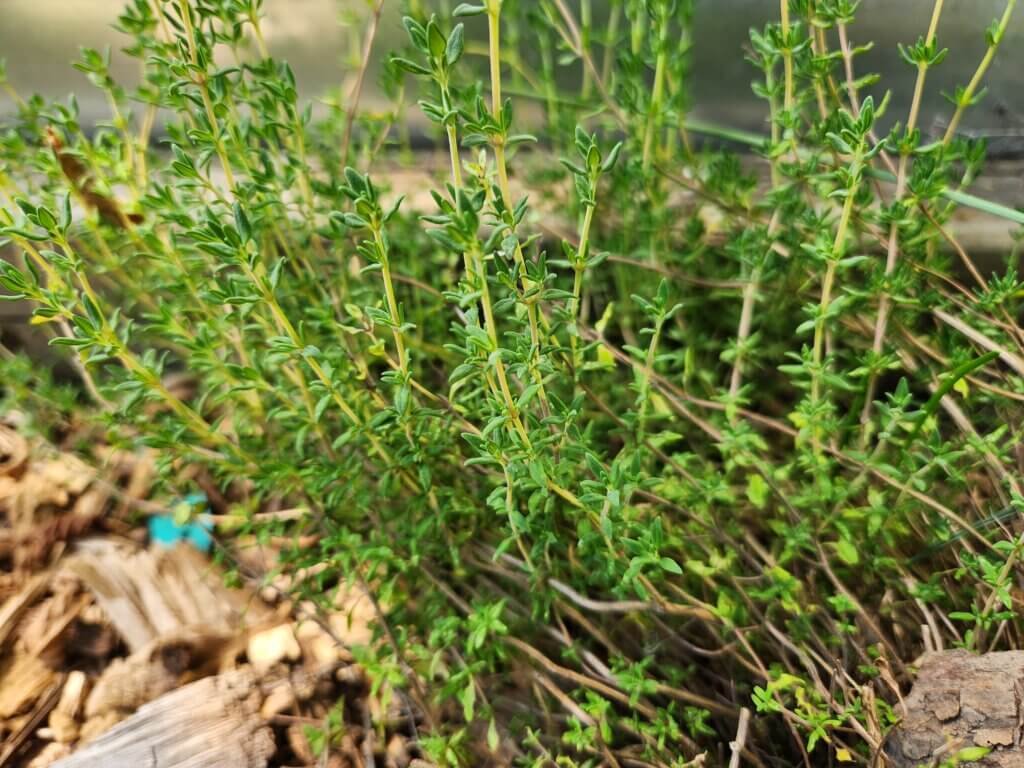
Thyme
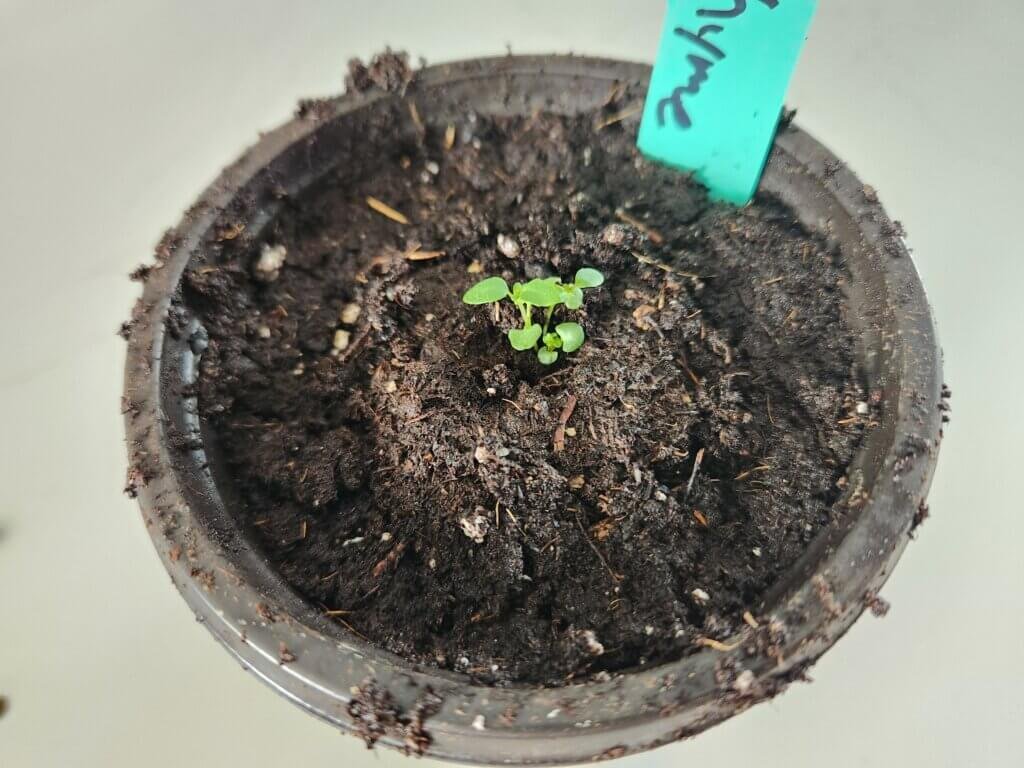
Thyme is a hardy perennial that prefers full sun and, just as importantly, excellent drainage. Wet winter soil can be harder on thyme than cold temperatures themselves.
If you’re planting thyme this fall, give it a well-drained location and enough time to establish before the ground freezes.
We grow thyme as a perennial here, and you can see the full process in our guide to growing thyme.
Oregano
If you’re adding a new oregano plant in fall, plant it early enough to establish and protect it as winter approaches.
Already growing oregano? Our guides on how to harvest oregano and how to dry oregano will help you make the most of your final harvests before winter.
Sage
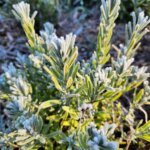
Established culinary sage can be quite hardy, but like thyme it performs best in well-drained soil. If you’re planting a new sage plant in fall, give it enough time to establish and avoid heavily pruning it as winter approaches.
Mint
Mint is extremely hardy, and survival usually isn’t the problem. For some people, containing it is.
We generally recommend planting mint in a container or somewhere you’re genuinely comfortable allowing it to spread. Although, personally, I love a good patch of mint if you have the space for it!
If you’re deciding where yours should go, read our guide on whether mint is invasive.
Cool-Season Herbs to Plant for a Fall Harvest
A few herbs actually prefer cooler growing conditions and can give you another harvest before winter arrives. The later you plant, however, the less time they’ll have to mature before short days and freezing temperatures slow everything down
Parsley
Parsley is a biennial and handles cool temperatures much better than tender herbs like basil. Plant it early enough and you may be able to continue harvesting well into fall.
It can sometimes survive winter with protection and resume growth in spring, but I would consider that a bonus rather than guarantee it for every Zone 5 garden.
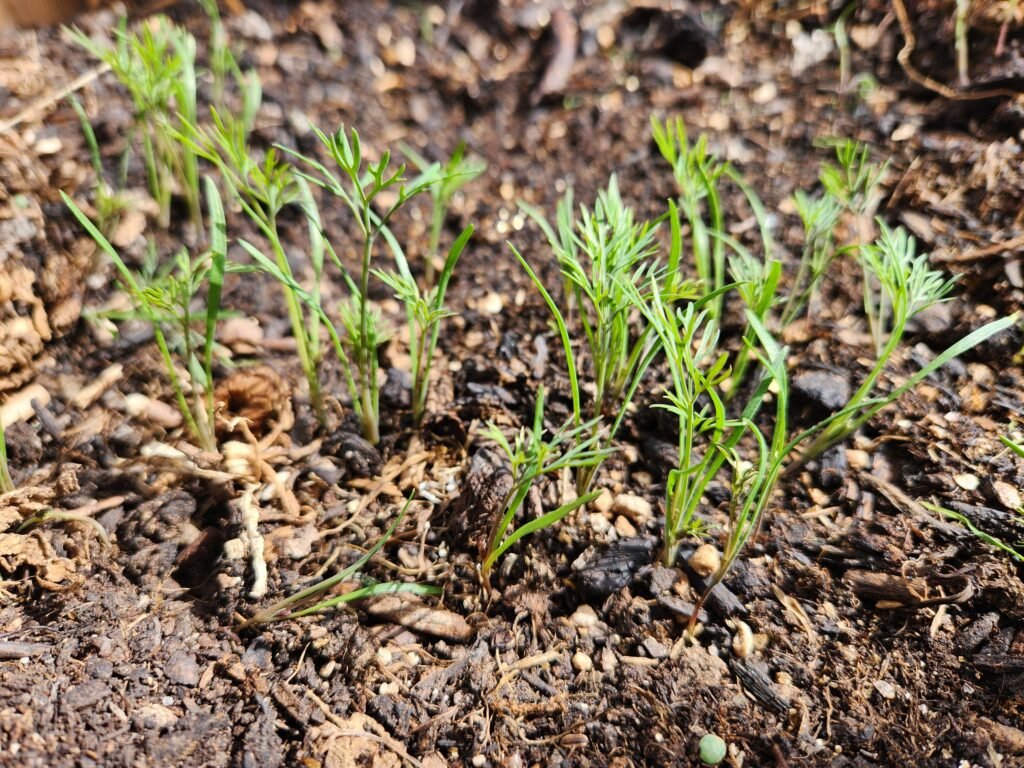
Cilantro
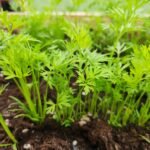
Cilantro is one of my favourite candidates for late-season sowing because it prefers cooler conditions and is much less likely to bolt than it is during summer heat.
The catch is timing. Cilantro still needs enough growing time before hard freezes arrive, so late August is much more promising than sowing it at the end of September.
Dill
Dill also tolerates cooler conditions better than basil, but it’s still an annual. A late sowing may give you tender dill before freezing weather arrives, depending on your timing.
If you’re growing dill from the beginning, see our complete guide to growing dill from seed.
Learning how to harvest dill will help you get through the season, also how to properly dry dill to last you through the winter.
The goal with these herbs isn’t necessarily to get them through winter. It’s to squeeze another harvest out of the garden while conditions are still favourable.
The Best Medicinal Herbs to Sow in Fall
If you’re growing herbs for more than just the kitchen, fall is also a prime time to sow medicinal herbs.
Some perennial and self-seeding plants can be sown in fall so their seeds experience winter conditions naturally and emerge when conditions are right in spring.
- Echinacea (Coneflower) – is a perennial and fall sowing can be a practical way to expose seed to cold winter conditions before spring germination.
- Yarrow – Hardy perennial that thrives when planted in cool soil.
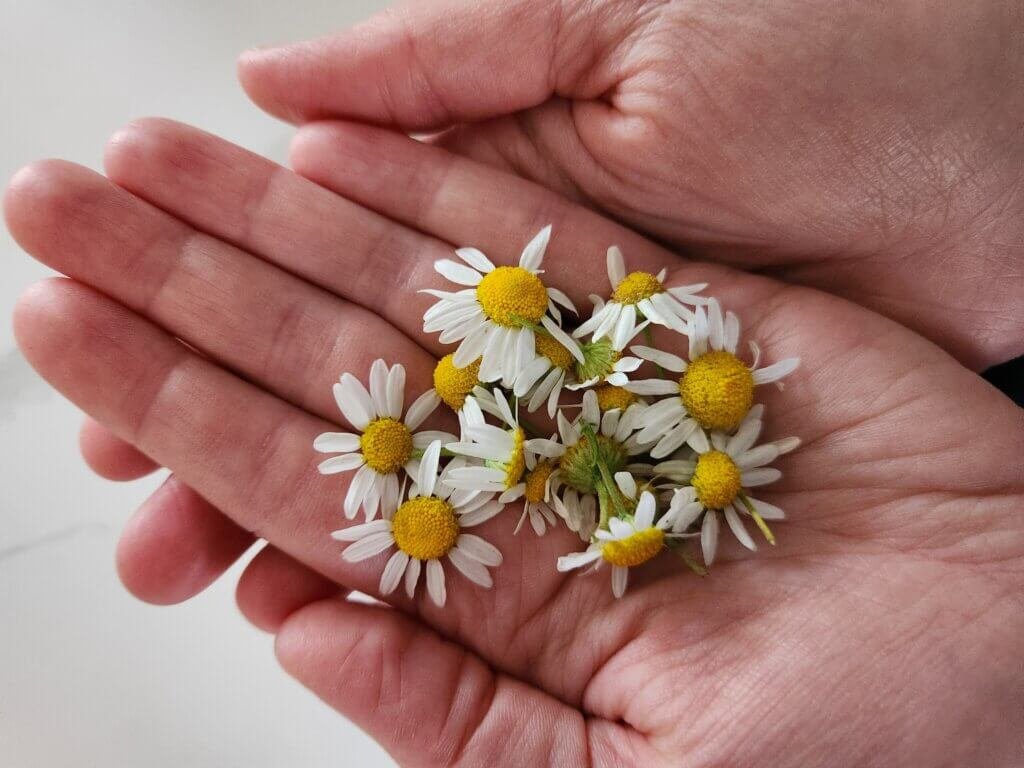
- Chamomile (German) – A cool-season annual that can be sown in fall for an early spring flush of blooms.
These herbs not only survive the cold but benefit from the natural stratification process, leading to stronger growth in spring.
Garlic, Horseradish and Garlic Chives for Fall Planting
Fall isn’t just useful for leafy culinary herbs. There are a few other edible plants that fit naturally into the fall garden.
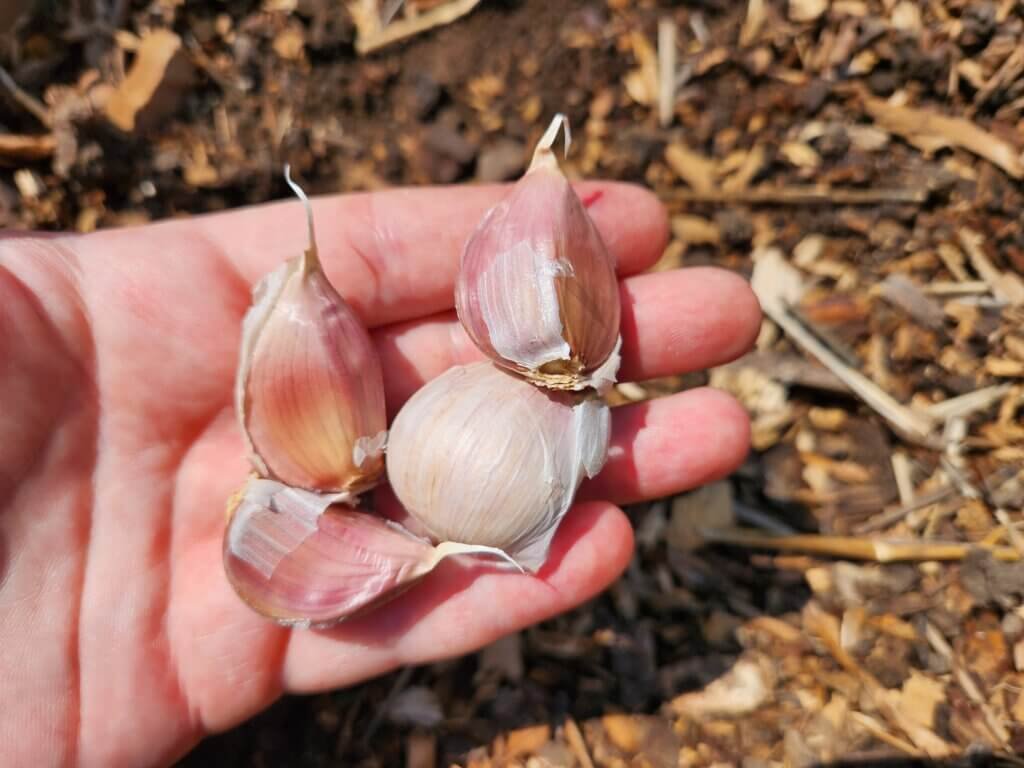
- Garlic – In Zone 5, we’ve mastered fall garlic planting and the best time to plant is around Halloween! You’ll find all the details on our how to plant garlic in Zone 5 guide.
- Horseradish – hardy perennial grown primarily for its roots. Fall can be a suitable planting time while the soil is still workable, but make sure you’re putting it somewhere you’re comfortable leaving it because established horseradish can be difficult to completely remove.
- Garlic Chives – Garlic chives are cold-hardy perennials related to regular chives. Healthy divisions or transplants planted early enough in fall can establish and return the following season.
How-To Prepare Soil for Fall Planting in Zone 5
Healthy soil is key to helping herbs survive our cold Zone 5 winters. Fall offers a perfect window to improve soil conditions while the weather is still dry, warm and the soil is malleable.
- Add compost or aged manure to boost nutrients.
- Ensure good drainage herbs like oregano and thyme hate sitting in soggy soil.
- Test pH levels if possible; most herbs prefer slightly alkaline soil (6.5–7.0).
- Loosen compacted soil through tilling to allow root penetration. While some people say tilling is harmful to garden beds ecosystems, from experience, a light tilling is more beneficial for raised beds then not.
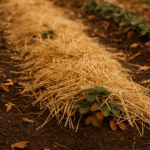
- Cover with mulch, it holds in the warmth overwinter and prevents weeds from taking root.
You can read more about how we mulch our garden.
If you’re finished planting for the year and would rather focus on next season, we also have a complete guide to preparing garden beds for spring.
When to Plant Herbs in Zone 5 in Fall for Best Results
Planting in the fall is new to me too. Living in Zone 5, fall planting is usually unheard of. Yes, you can plant specific herbs and plants in the fall, it’s all about timing.
- Zone 5’s average first frost date falls in early to mid-October.
- Plant herbs 4–6 weeks before frost to give them enough root growth time.
- Tender herbs like basil will not survive frost, but hardy perennials benefit from early fall planting.
For most Zone 5 gardeners, late August through mid-September is the sweet spot. Here’s to hoping each year that we get a warm and mild fall!
Which Herbs Need Frost Protection in Zone 5?
Once you’ve planted your fall herbs, the next question is what happens when frost actually arrives.
The answer depends heavily on the herb.
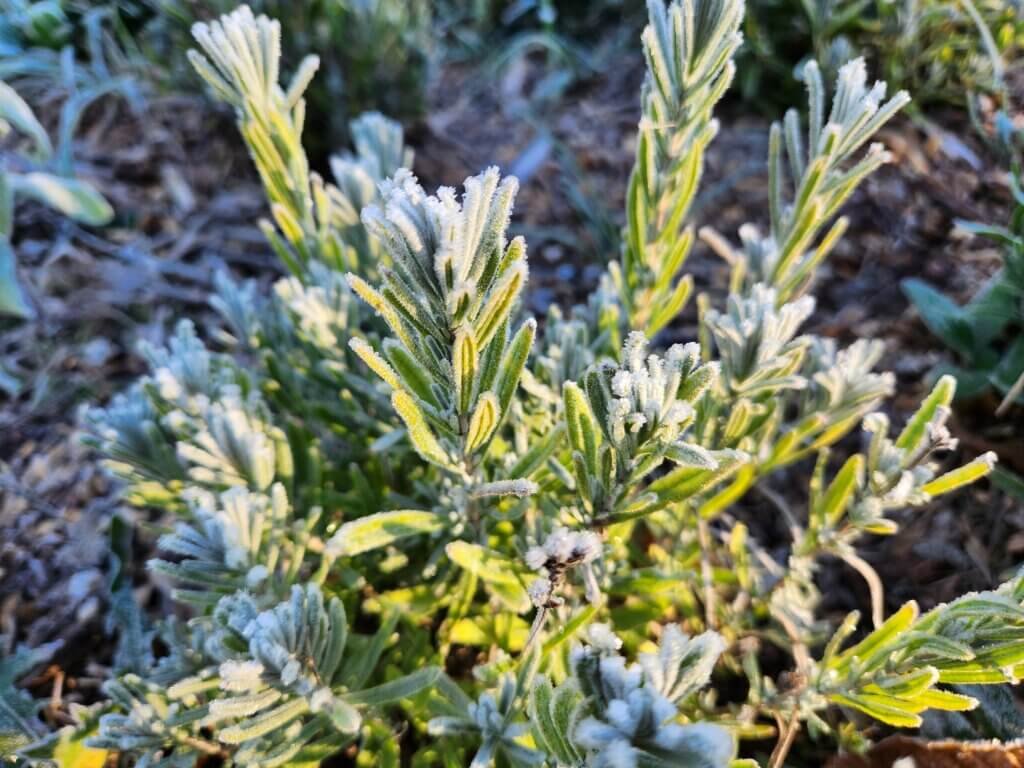
Hardy, established herbs such as chives, mint and many types of thyme can tolerate substantial cold once dormant. Other herbs need more help, and tender perennials such as rosemary generally aren’t reliable outdoor winter survivors here.
Rather than trying to cover all of that again here, see our complete guide on how to protect perennial herbs from frost. It covers mulching, frost covers, watering, potted herbs and which plants we harvest before winter.
How To Grow Herbs Indoors During Winter
If your real goal is fresh herbs all winter rather than getting another outdoor harvest, growing indoors is another option.
Herbs including basil, parsley, rosemary, thyme, oregano, sage, chives and mint can be grown indoors when given enough light, although growth will usually be slower than it is outdoors.
A few things matter:
- Light: A bright south-facing window may work for some herbs, but a grow light gives you much more control during our short winter days.
- Drainage: Always use pots with drainage holes.
- Saucers: Put a saucer or tray beneath pots to protect your surfaces, but empty excess standing water rather than leaving the pot sitting in it.
- Watering: Indoor herbs generally grow more slowly in winter, so check the soil before automatically watering on a schedule.
If you want basil specifically, our complete guide to growing basil from seed is a good place to start. Or if you’re looking for thyme indoors over the winter, we have a complete guide for how to grow thyme.
Common Mistakes When Planting Herbs in Fall
Even experienced gardeners run into issues with fall planting. The biggest thing to remember is to always, always, always watch your current weather patterns.
If you’ve noticed a cooling and see that the next 14 days the temperatures are staying low and or decreasing, then you’ll most likely see your first frost on the average date. The opposite is true if you’re experiencing a warm season and it’s not letting up overnight, you’re first frost date will probably be pushed back that year.
Here’s what to avoid:
- Planting too late: Newly transplanted thyme, sage or oregano needs time to begin establishing before the soil freezes. Don’t wait for the first frost warning to start planting them.
- Treating every herb the same: Cilantro planted for an October harvest, oregano planted to return next spring and garlic planted for next summer all have completely different timelines.
- Skipping mulch: Unprotected roots are vulnerable in freeze-thaw cycles – mulch covering is your best option.
- Overwatering: Cool, wet weather makes herbs more prone to root rot, always test the soil before watering to prevent this. Place a finger an inch or two into the soil and if it feels damp, do not water. If the soil feels dry and no dirt sticks to your finger, then you’re good to water.
- Ignoring microclimates: South-facing walls can extend the season for tender herbs.
FAQs: Herbs to Plant in Fall in Zone 5B
Cold hardy perennials like chives, thyme, oregano, sage, and mint, along with cool-season herbs like parsley, cilantro, and dill.
Yes. Echinacea, yarrow, and German chamomile (annual) all benefit from fall sowing and natural stratification.
Hardy perennial herbs may only need root protection once established, while tender herbs need more attention. Our guide on protecting perennial herbs from frost explains when to mulch, when to use frost cloth and what to do with container herbs before freezing weather arrives.
It can. Parsley is a biennial and is quite cold tolerant. With a protected location, mulch and favourable winter conditions, a plant may survive and resume growth for seeds in spring.
Chives! They die back in winter and regrow vigorously in spring.
Your Fall Planting Window Is Closing – Don’t Miss It
Fall in Zone 5 is far from the end of gardening. With careful selection, soil prep, and frost protection, you can still plant some culinary and medicinal herbs. From hardy perennials to quick-growing biennials, these plants will reward you with fresh harvests now and stronger growth come spring.
So don’t pack away your gardening gloves just yet – your herb garden still has plenty of life left this season.
If you’re on a gardening preserving journey at home, you can explore all of our hands-on advice in our Harvesting & Preserving, based on what actually works here on our homestead.
We are growing our website with more articles all the time, and we invite you to grow with us. If you have any questions about how to dry dill or would like to share some of your knowledge with us please leave a comment below. Happy Gardening!