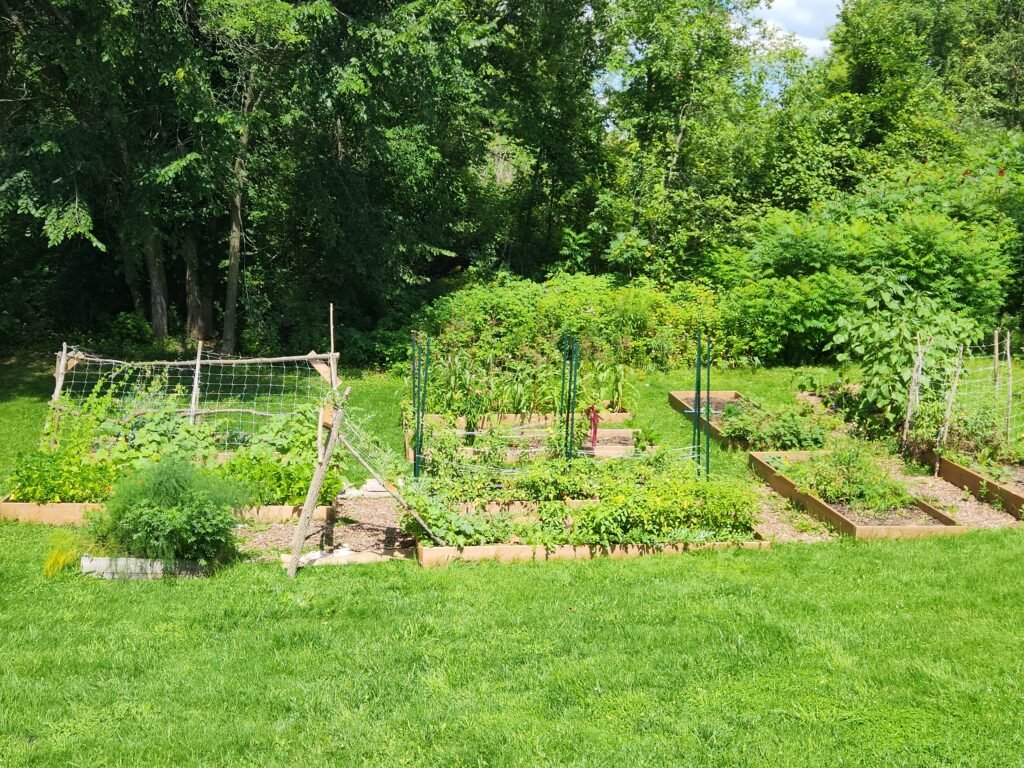
Think the gardening season is winding down? Think again.
August is one of the best months to start a fall garden in Zone 5. As garlic, peas, onions, and early potatoes come out of the garden, new space opens up for cool-season vegetables that actually prefer the cooler temperatures of late summer and early fall.
This post contains affiliate links. If you use these links to buy something we may earn a commission. Thanks.
If you’re gardening in Zone 5, these five vegetables are still worth planting in August.
Not sure what to plant? Here’s a quick overview before we dive into each vegetable in more detail.
| Vegetable | Plant in Zone 5 | Days to Harvest | Frost Tolerance | Best For |
|---|---|---|---|---|
| Lettuce | Early to Mid August | 30-45 | Light Frost | Fresh Salads |
| Spinach | Mid August | 35-45 | Excellent | Fresh & Freezing |
| Carrots | Early August | 70-75 | Excellent | Winter Storage |
| Peas | Early August | 55-65 | Light Frost | Fresh & Freezing |
| Radishes | Mid to Late August | 25-35 | Light Frost | Quick Harvest |
What Is A Fall Garden?
A fall garden is when you plant vegetables to be harvested at the end of the year before winter sets in. What you can plant and when you need to plant it varies greatly depending on what growing zone you are in.
Zone 5 usually experiences its first frost sometime in early to mid October. Count backward from your local frost date using the days to maturity listed on your seed packet to see if you still have time to start your fall garden.
Lets get right into it. The first one is:
Fall Garden Pick #1: Lettuce
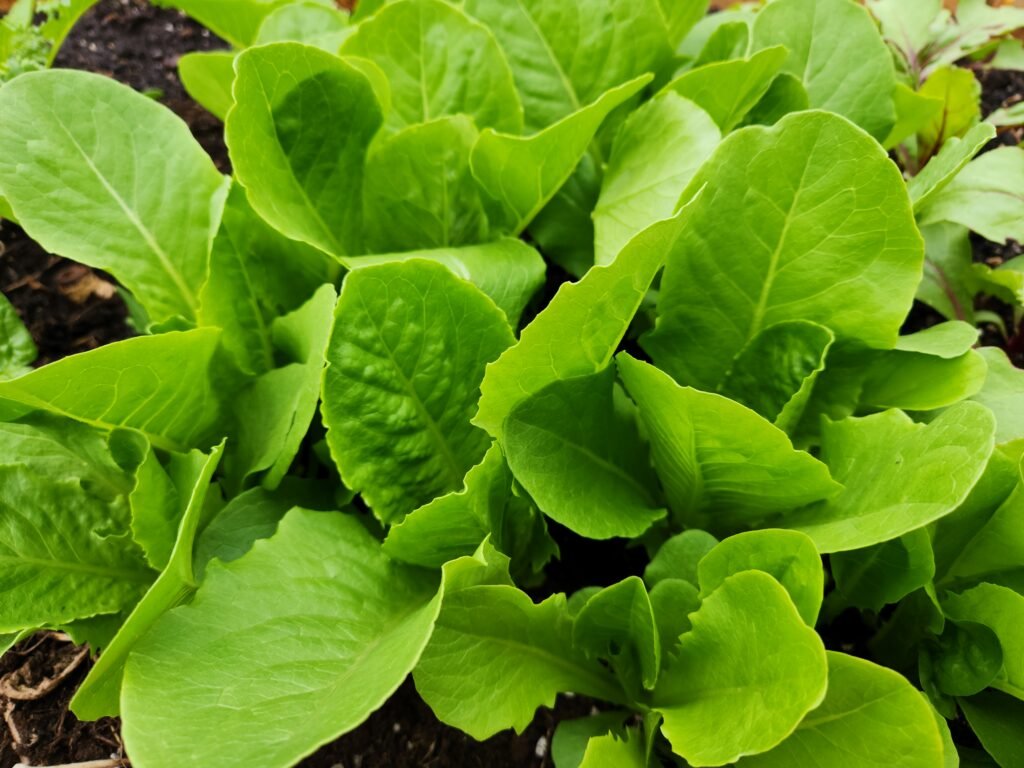
Lettuce is a leafy green that’s easy to grow and is packed with nutrients. Whether you want to add some greens to your salad or make a sandwich, lettuce is a perfect choice. Starting lettuce from seed is a simple process that you can easily do at home.
For us, having lettuce in our fall garden is better than our spring garden. If you plant your lettuce in the middle of August by the middle of September when all your tomatoes and cucumbers are ripe you can make some great salads with everything from your own garden.
When planting lettuce in August, keep soil moist during the heat of August to prevent early bolting and use a shade cloth if needed for added protection against the sun.
Lettuce typically takes 45 days of growth before it can be harvested. It does well in cool temperatures and can withstand some mild frost. Which makes it perfect for your fall garden well into October.
Next on our fall garden list is:
Fall Garden Pick #2: Spinach
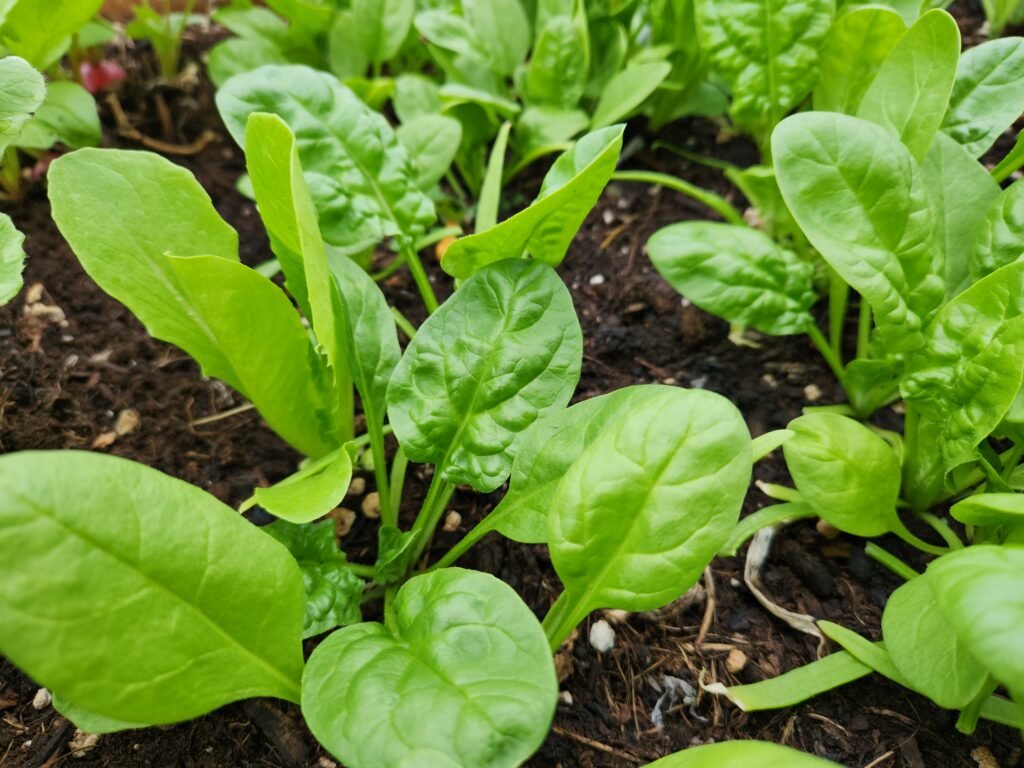
Spinach is one that I always make sure to give plenty of space in my fall garden. It does well in cool weather so I set aside a large portion of my garden to grow spinach in both the spring and the fall. I have found spinach does better during the fall than the spring.
Spinach grows so quickly I can harvest it once or twice a week for all of September and some of October. It will continue to grow through minor frosts but will stop growing after a hard frost. It only takes about 45 days before you can start harvesting it so planting in August give you plenty of time.
Spinach germination can drop if planted in hot soil. Make sure to water the soil before planting and use a shade cloth if needed to keep the soil below 75-80°F (24-26.5°C). Spinach germinates best with soil temperatures between 50-60°F.
What we don’t eat fresh, we like to freeze for use in soups and sauces. We cook it until it wilts, then freeze it in 1/2 cup quantities in a silicon muffin pan. Once frozen we transfer it into freezer bags for storage and use it all winter long.
Up third on our list is another vegetable that we like to grow a lot of to preserve for the winter. And that is:
Fall Garden Pick #3: Carrots
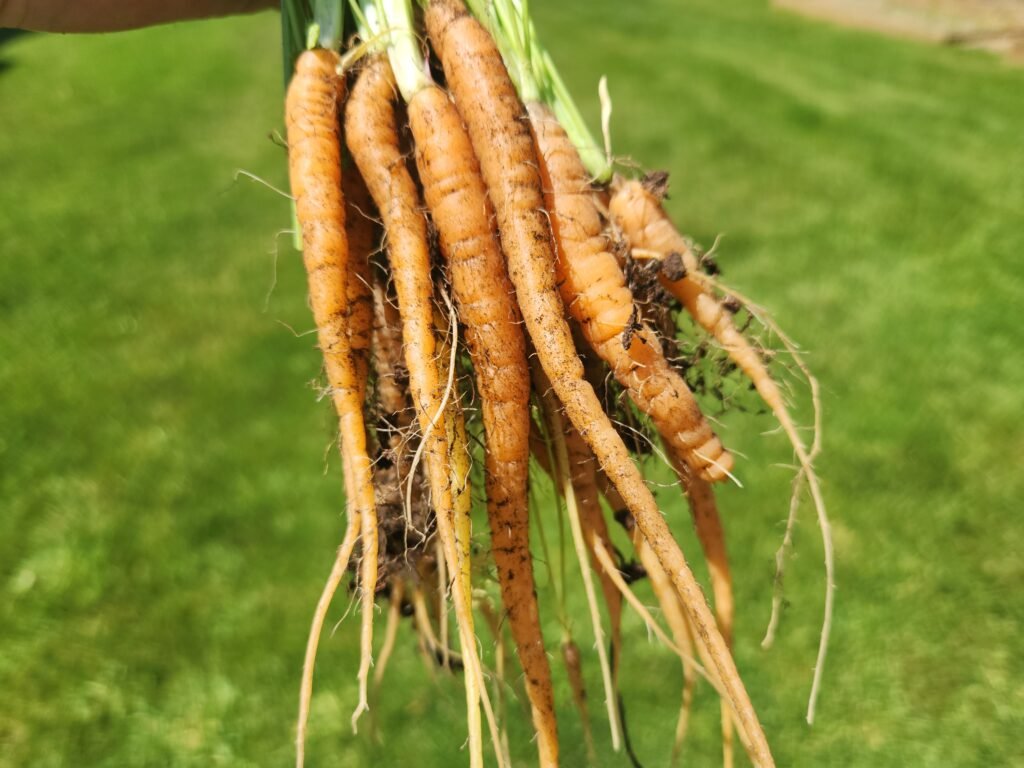
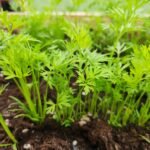
Carrots are the vegetable that takes the longest to grow out of our list here. When you are planning your fall garden you’ll want to make sure these get planted first. Carrots typically are ready to be harvested after about 70 days.
Although they take longer to grow, carrots grow well in cool weather and can withstand frost with ease since they are mostly underground. There are even ways you can keep your carrots in the ground into winter so you can harvest them when you want them.
To germinate carrots, water daily, cover with cardboard or even some plywood to keep the soil moist. Remove coverings once seedlings appear.
With our fall garden carrots we like to harvest all of them before winter comes. We wash and dice them into small cubes. Blanch them and sort them into freezer bags for storage.
Fall Garden Pick #4: Peas
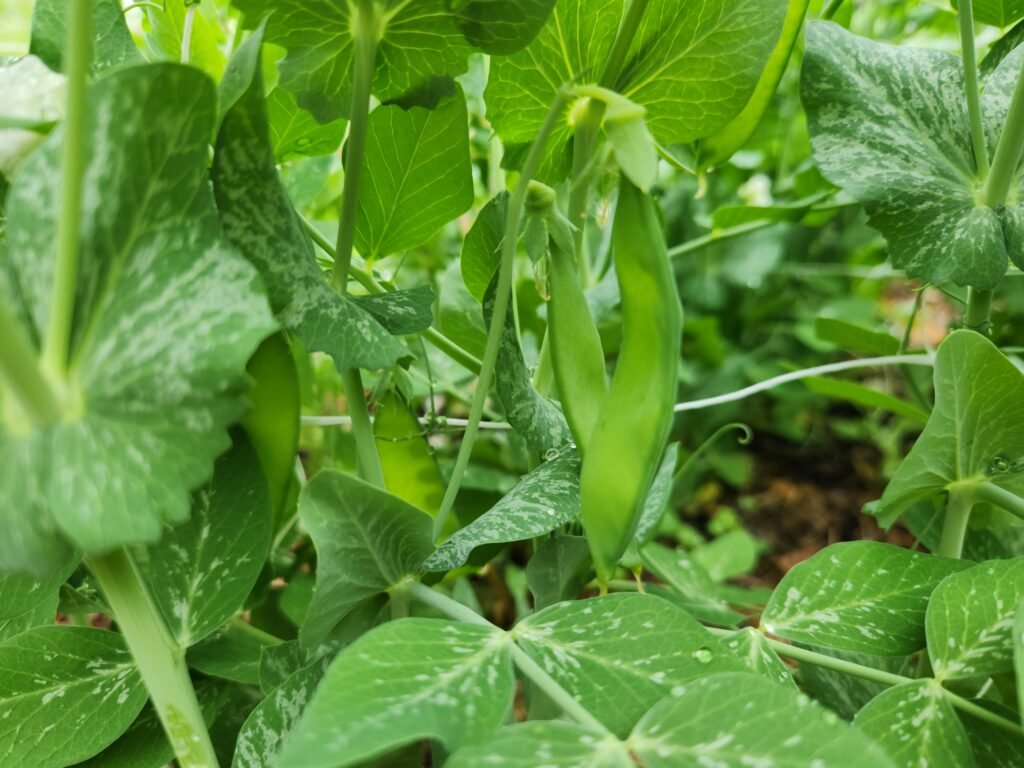
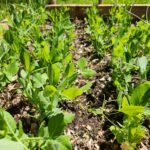
Peas are an easy vegetable to grow for home gardeners. They germinate quickly, grow fast, and have a large harvest. They can be eaten whole or left for the peas to grow and be shucked.
Peas take 60 days before they are ready to be harvested and will grow more peas the more they are harvested. Unlike in the summer you won’t need to worry about it getting to hot and the peas dying. They can withstand light frosts but a hard frost will kill the plant.
We like to harvest peas when they are young and tender and eat the whole pod. Normally we let them grow out and shuck the peas during the spring harvest. The whole pods or just the peas both freeze well and are great added to hardy winter soups and stews, or our favourite, a good shepherds pie.
Fall Garden Pick #5: Radishes
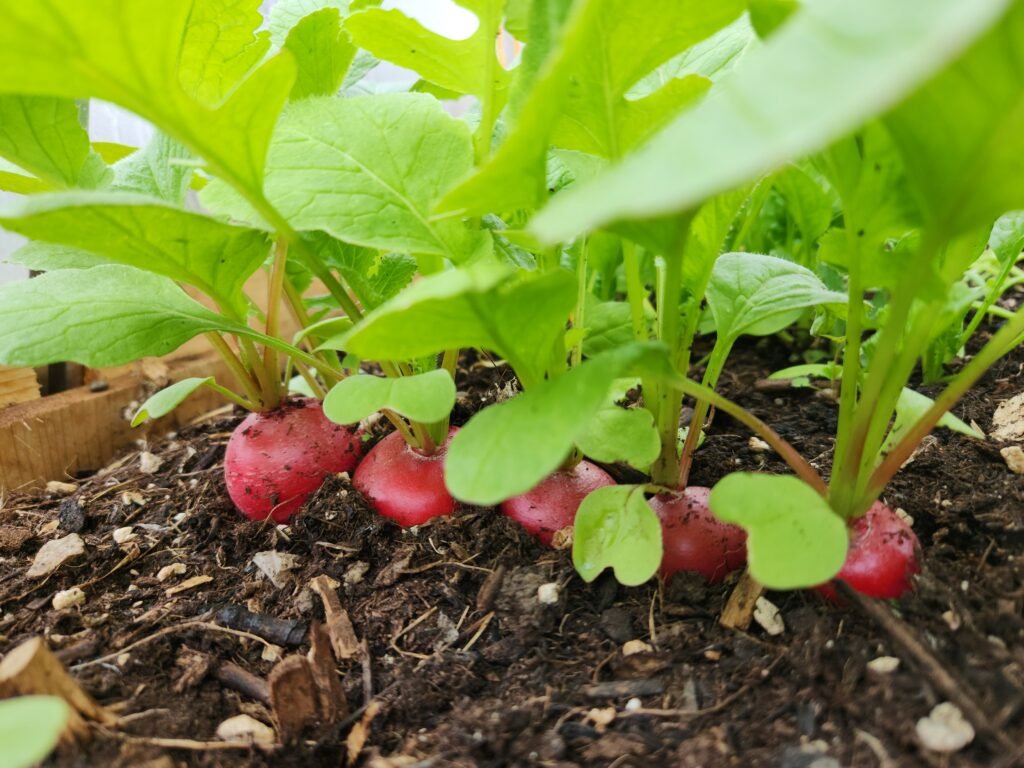
Radishes are one of the fastest vegetables you can grow, making them an excellent choice if you’re starting your fall garden in August. Many varieties are ready to harvest in as little as 25 to 35 days, which means you can often enjoy multiple harvests before your first hard frost.
In my experience, radishes grow far better in the cooler temperatures of late summer and early fall than they do in the heat of midsummer. The cooler weather helps them develop crisp roots with a milder flavour, while hot weather often causes them to become woody or overly spicy.
For the best results, sow radish seeds directly into the garden every week or two throughout August. This succession planting gives you a steady supply instead of having all your radishes ready at once. Keep the soil evenly moist while the seeds germinate, and thin seedlings early so the roots have enough room to develop.
We usually harvest radishes fresh for salads and snacks, but they’re also excellent roasted alongside carrots and potatoes or sliced into soups for a little extra crunch and flavour.
FAQ: Planting a Fall Garden
Some of the easiest and most reliable vegetables for fall gardens include lettuce, spinach, carrots, and peas. These crops thrive in cooler weather and are more frost-tolerant than many summer vegetables.
The best time to plant depends on your growing zone. In Zone 5 or higher, August is ideal for most fall crops. You should always check the maturity dates for the vegetables you’re planting and count backwards from your area’s average first frost date.
For a full breakdown of when to plant throughout the year, our Zone 5b planting schedule explains what to plant and when from early spring through fall.
Yes! Many fall vegetables like carrots, spinach, and peas can tolerate light frosts. In fact, some crops (like carrots) even get sweeter after a few frosts. However, a hard freeze may stop or kill some plants, so plan accordingly.
Not necessarily. Fall vegetables thrive in the same rich, well-drained soil as your spring and summer crops. Just make sure to amend with compost if your summer harvest has depleted nutrients.
Absolutely! Planting a fall garden extends your harvest season, fills in empty space left by early summer crops, and gives you fresh food heading into the colder months. It’s also a great way to preserve extra vegetables for winter storage.
Conclusion
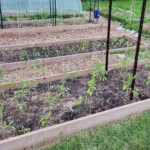
A fall garden doesn’t have to be complicated. Even if you only have one raised bed or a few empty spaces after harvesting garlic, onions, or peas, there’s still plenty of time to grow fresh food before winter arrives.
Start with one or two crops, pay attention to your first frost date, and don’t be afraid to experiment. Every year you’ll learn a little more about what thrives in your own garden, and before long you’ll wonder why you ever stopped gardening in August.
If you’re just beginning, check out our growing guides for step-by-step tips on starting your favorite vegetables. And for those who are thinking ahead, don’t miss our seed saving guides to carry your garden into next year. Gardening is a journey toward self-sufficiency, and a fall garden is a perfect next step.