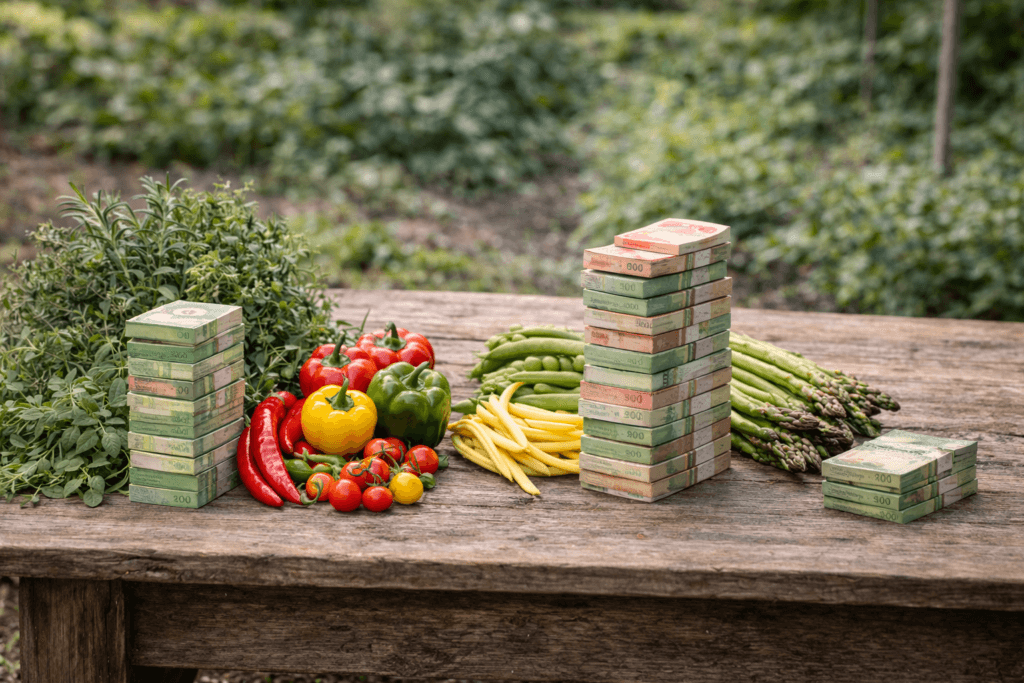
Dollar value per square foot is the main thing I’m focusing on as we head into the 2026 growing season.
Food prices continue to rise every year, and with limited garden space, I want to make sure every square foot of our garden is working as hard as possible. We’ve been gardening for several years now and have had some very productive seasons, but this year, I’m being more intentional. Instead of just growing what we always grow, I’m looking closely at what actually gives us the most return for the space it takes up.
If you’re planning your garden for the season, our Zone 5b planting schedule shows what to plant and when throughout the growing year.
This post may contain affiliate links. If you use these links to buy something we may earn a commission. Thanks.
In this post, I’m breaking down which fruits and vegetables provide the highest and lowest dollar value per square foot, how I figured that out, and how that information is directly changing what we’re growing more of—and what we’re cutting back on—in our own garden this year.
What Plants Produce The Highest Dollar Yield?
To figure this out, I compared common backyard garden crops based on three things:
- How much each item costs in my local area
- How much you can realistically harvest from one plant over a season
- How many plants you can reasonably grow per square foot
From there, I calculated the dollar value per square foot, which makes it much easier to compare crops fairly—especially when space is limited.
These numbers aren’t meant to be perfect or universal. They’re based on realistic home-garden yields, not ideal conditions or commercial farming. The goal isn’t precision—it’s clarity.
Using this approach helped me quickly see which crops make the most sense to prioritize.
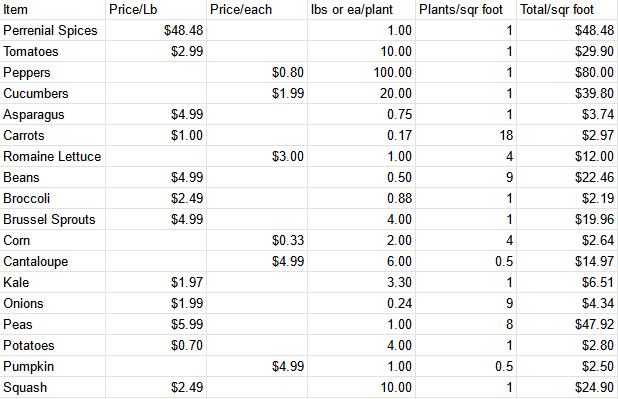
Here’s a breakdown of my calculations for the price of items in my area. For the “lbs or ea/plant” column I used how much you can realistically expect to yield from a single plant over a whole growing season.
Surprising High-Value Crops
One of the biggest surprises for me was Peas, which came in at $47.92 per square foot. I didn’t expect them to rank that high, but when you consider how tightly they can be planted and how much you can harvest from each plant, it starts to make sense.
Peppers came out as the clear #1 crop for dollar value per square foot. For this calculation, I used jalapeño peppers, since that’s what we actually grow. Bell peppers would still rank very high, but I wanted to stick with real examples from our own garden.
The main reason peppers perform so well is the sheer volume you get from a single plant. One healthy pepper plant can produce continuously over a long season, which adds up fast.
What Plants Produce A Low Dollar Value Per Square Foot?
Before running these numbers, I assumed Asparagus would be one of the most valuable crops in our garden. It was one of the first things I ever grew from seed, and there’s nothing better than homegrown asparagus in the spring.
But from a pure dollar-value standpoint, asparagus only comes in at $3.74 per square foot.
That low number doesn’t tell the whole story, though. Asparagus is to grow, is incredibly low maintenance, and once established, it produces food every year for 20+ years. So while it’s not a high-return crop in terms of dollars per square foot, it does earn its place in other ways.
Other crops that ranked low include:
These crops tend to be low value because they’re either cheap to buy, require a lot of space, or both. That doesn’t make them “bad” crops—but it does mean they deserve a second look if space is tight.
What Plants To Expand To Increase The Dollar Value Of Your Garden?
Herbs: Small Space, Huge Return
If there’s one category that almost always makes sense to grow, it’s herbs.
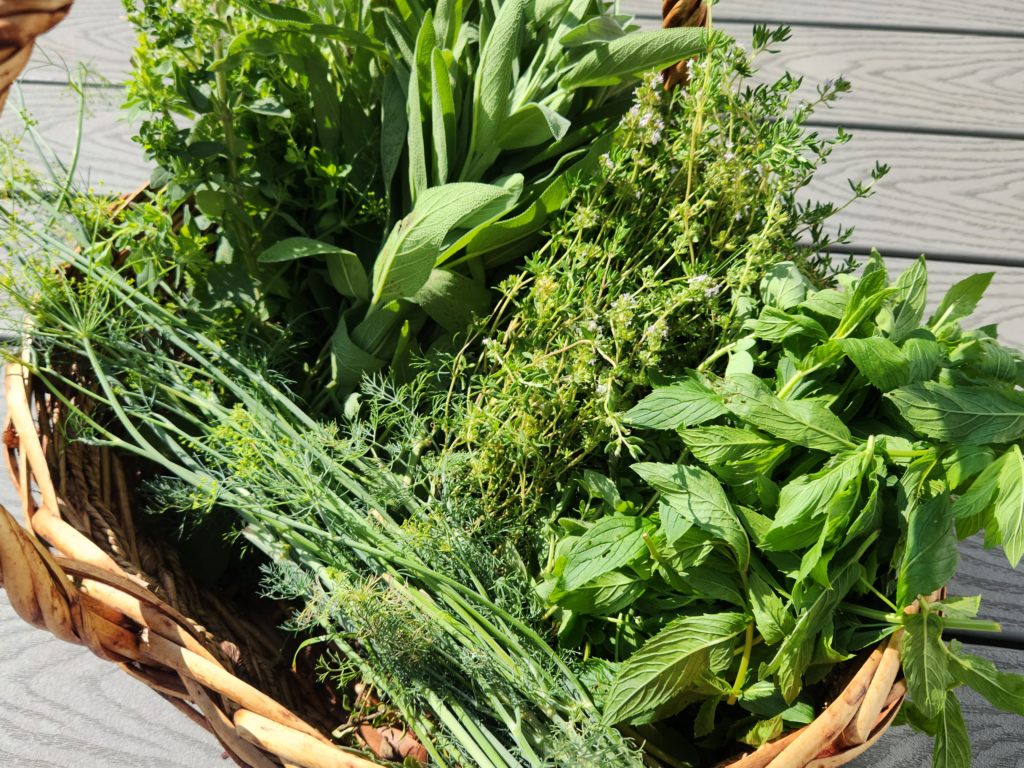
Any herb you regularly use in the kitchen is worth growing. Many herbs are perennials, meaning you plant them once and harvest for years. Even annual herbs like basil and dill are easy to grow and produce far more than most people expect.
Depending on when you’re reading this you might think it’s too late to start growing herbs. But, learn about what herbs to plant in fall for a harvest next year.
At our local grocery store, a 28g package of fresh herbs costs $2.99. From a single oregano plant, you can easily harvest over a pound (454g) of fresh herbs in a season. That’s the equivalent of more than $48 worth of herbs from one plant—and it comes back every year.
We already grow a lot of herbs, but this year we’re expanding even more. Since we cook almost all of our meals at home, a large herb garden just makes sense.
Peppers: High Yield Density
I’ve already mentioned that peppers ranked #1 for dollar value per square foot, so it’s no surprise we’re expanding them.
The reason peppers perform so well is simple: one plant produces a lot, and it keeps producing. This year, we added three new pepper varieties to our garden, both to increase yield and to add variety to what we preserve and cook with.
- How to Grow Peppers in Zone 5 (and Other Cool Regions)
- How To Save Pepper Seeds for Next Year’s Garden
Tomatoes: Volume and Preservation Value
Tomatoes are probably where we get the most overall value from our garden—not just because of dollar calculations, but because of how much we use them.
We usually dedicate two 4’ x 12’ garden beds to just tomatoes. This year, we’re going to add another half-garden bed of tomatoes through companion planting techniques.
- How To Grow Tomatoes From Seed To Harvest.
- When and How to Transplant Tomato Seedlings
- A Simple Way To Save Tomato Seeds
- Common Tomato Diseases And How To Fix Them
- The 3 Best Companion Plants For Tomatoes To Boost Growth
What Plants To Consider Not Growing In Your Garden Anymore?
Increasing the dollar value of your garden isn’t just about growing more of the right things—it’s also about being honest about what might not be worth the space.
Pumpkins
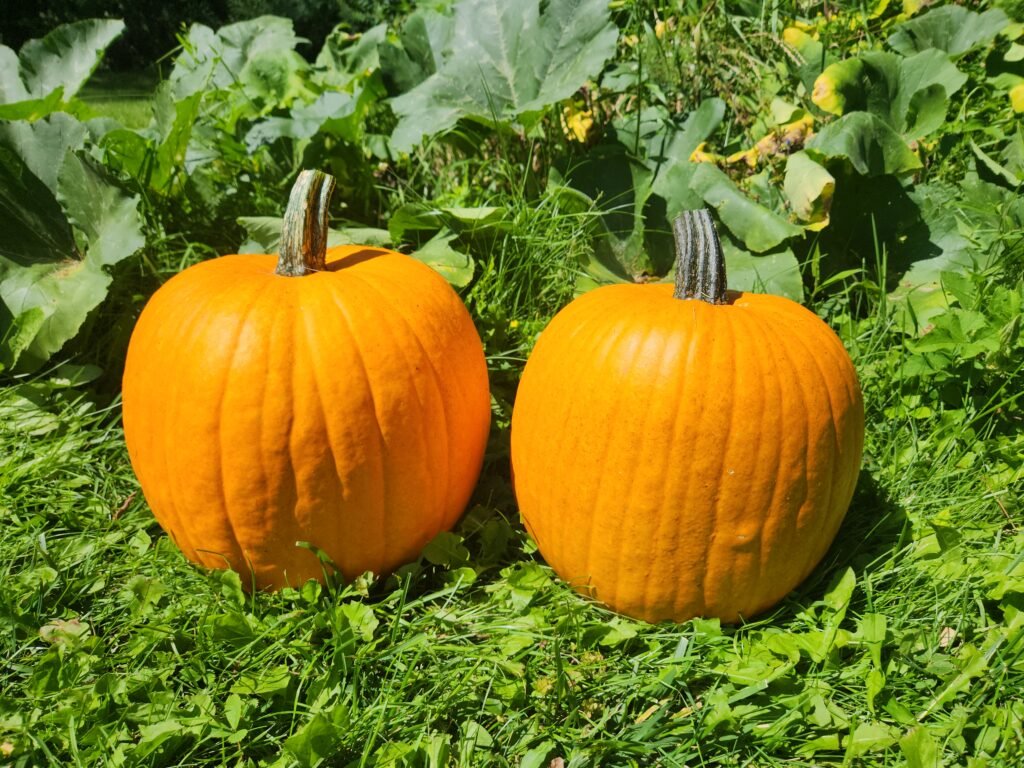
Pumpkins take up an enormous amount of room. A single plant can easily sprawl across 50 square feet and still only produce one or two pumpkins. In our area, we can buy pumpkins for about $5 each, which makes them hard to justify when space is limited. Because of that, we’re removing pumpkins from our garden this year.
Potatoes
Potatoes are another crop we’re pulling out of our garden beds—but not entirely. We’ll still grow them, just in grow bags instead. Potatoes aren’t space hogs, but they’re very cheap to buy locally. Growing them in bags frees up valuable bed space for higher-value crops.
Corn
Corn made the list simply because of how inexpensive it is during harvest season. Each stalk produces only a couple of ears, and it takes about six plants to get a dozen ears. When local farms sell a dozen for under $5, it’s hard to justify the space unless you really love growing it.
But let’s get real for a second – raccoons will tear your corn apart days before they’re ready to harvest. Unless you have a fool-proof plan to keep them protected to, it’ll be a failed crop.
Final Thoughts
These are all suggestions—not rules.
There’s more to garden planning than dollar value alone. If your family doesn’t like peppers, growing a huge pepper patch won’t save you any money. And some low-dollar crops can still earn their place through smart strategies like companion planting, such as the Three Sisters method with corn, beans, and squash.
The most important thing when planning your garden is to start with what you actually eat. Once you know that, you can use my chart above as a tool to decide what’s worth expanding—and what might be worth scaling back.
I hope this post helped you think differently about how you use your garden space. If you’d like to dig deeper, check out the other growing guides, seed saving guides, medicinal herbal remedy hub, and our recipes. We are growing our website with more articles all the time, and we invite you to grow with us. If you have any questions about dollar value per square foot or would like to share some of your knowledge with us please leave a comment below.