Greenhouse gardening is one of the most effective ways to extend your growing season, protect plants from unpredictable weather, and grow healthier crops, especially in cooler climates like ours here in Canada.
But owning a greenhouse doesn’t automatically guarantee success. Without the right setup, heating strategy, and plant choices, a greenhouse can quickly become an expensive shed full of struggling plants.
In this guide, I’m sharing three essential greenhouse gardening tips that have made the biggest difference in our own 8×12 greenhouse. These are practical, beginner-friendly lessons we learned through trial, error, and real-world growing, not theory.
Whether you’re brand new to greenhouse gardening or looking to get more production out of the space you already have, these tips will help you build a greenhouse that actually works.
If you’re planning to grow transplants early, our guide on how to start seeds indoors step by step pairs perfectly with greenhouse gardening.
This post may contain affiliate links. If you use these links to buy something we may earn a commission. Thanks.
Choose the Right Greenhouse for Your Space and Goals
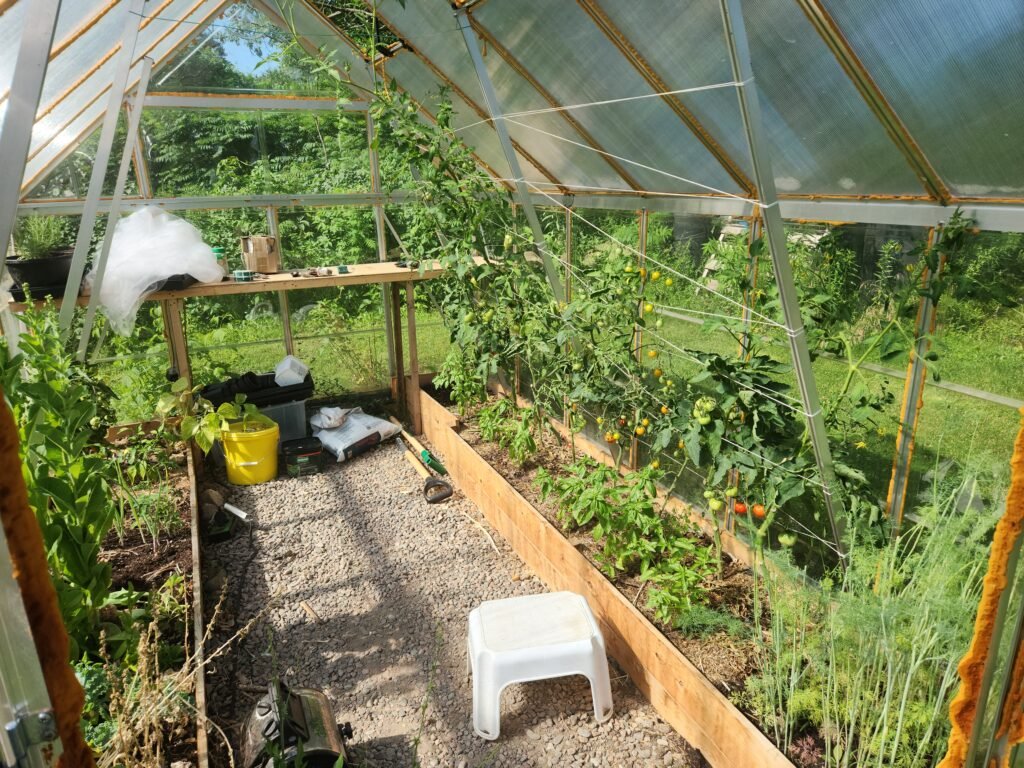
The first step in successful greenhouse gardening is selecting a structure that suits your needs. Consider factors like size, style, material, and location to ensure your greenhouse meets your gardening goals.
How Big Should Your Greenhouse Be?
Your greenhouse size should match the available space and the number of plants you plan to grow. If you’re just starting out, a 6×8-foot or 8×10-foot greenhouse is a great entry-level size. For those looking to grow a variety of crops, a larger structure, like an 8×12-foot greenhouse, allows for multiple raised beds and ample workspace.
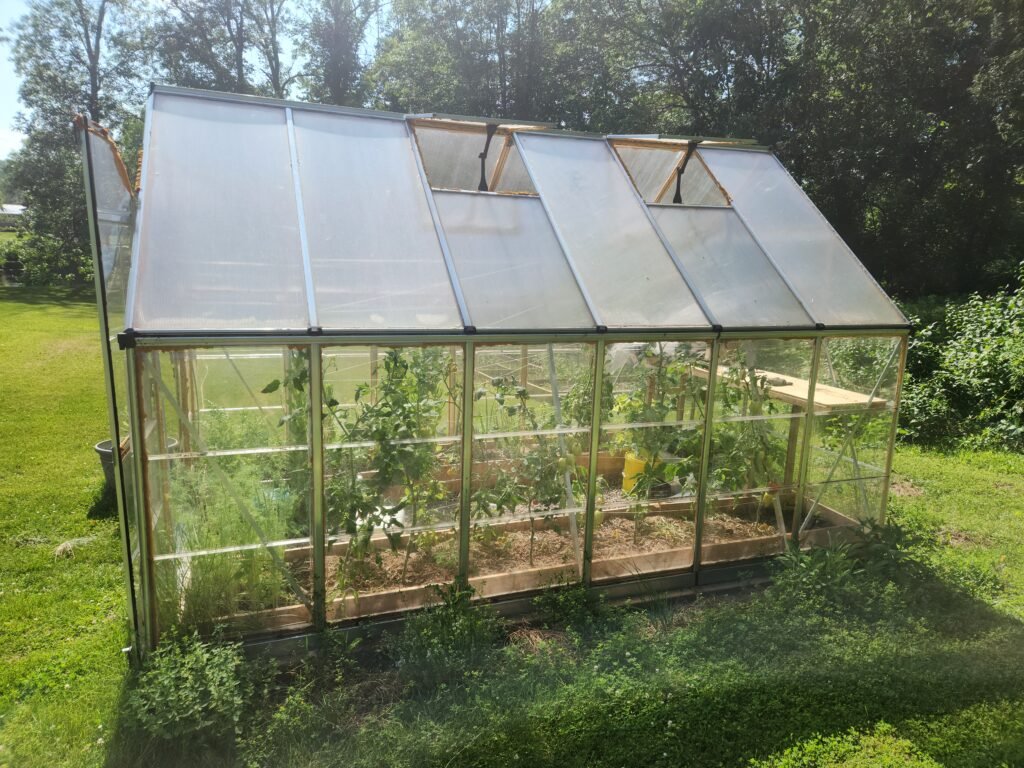
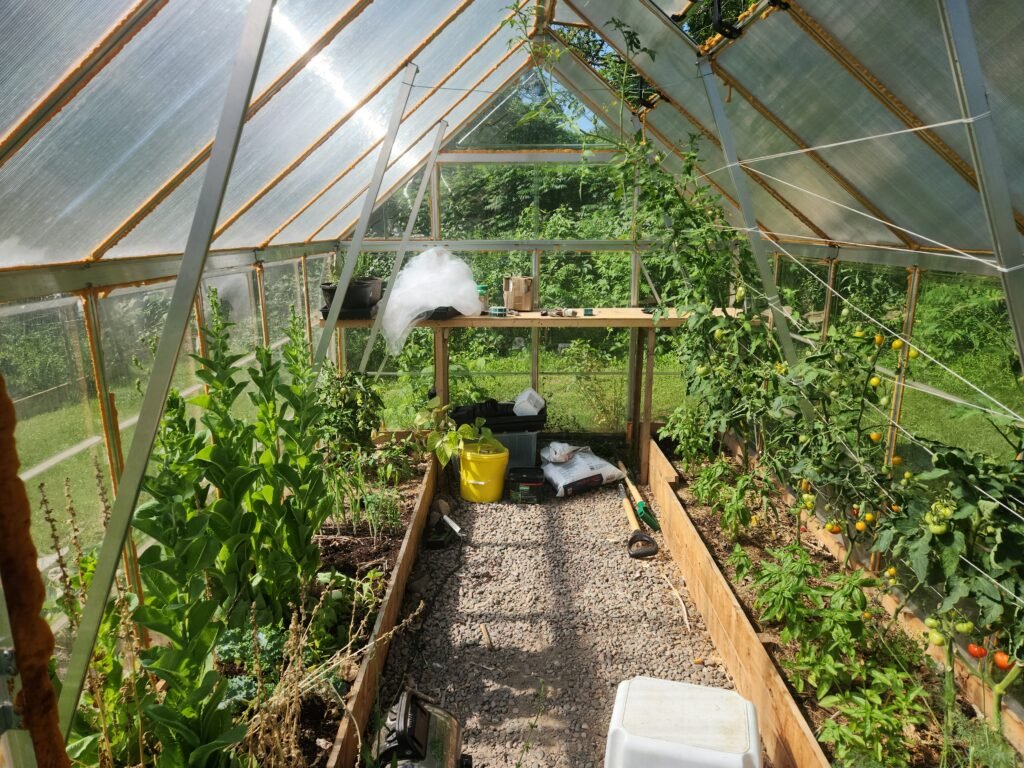
Our greenhouse is 8×12 feet and this enabled us to put two 2×12 foot raised garden beds on either side and still have an ample walkway in the middle.
Choosing the Right Greenhouse Style
Greenhouses come in three primary styles:
- Lean-to: Attaches to an existing structure like a house or garage, saving space and making utilities more accessible.
- Freestanding: A standalone structure offering full sun exposure and more placement flexibility.
- Attached: Connected to a home or another building, offering easy access and shared heating potential.
Freestanding greenhouses are standalone structures and can be placed anywhere on your property. Attached greenhouses are connected to a wall of your house or another building and are ideal for those who want easy access to their greenhouse from indoors.
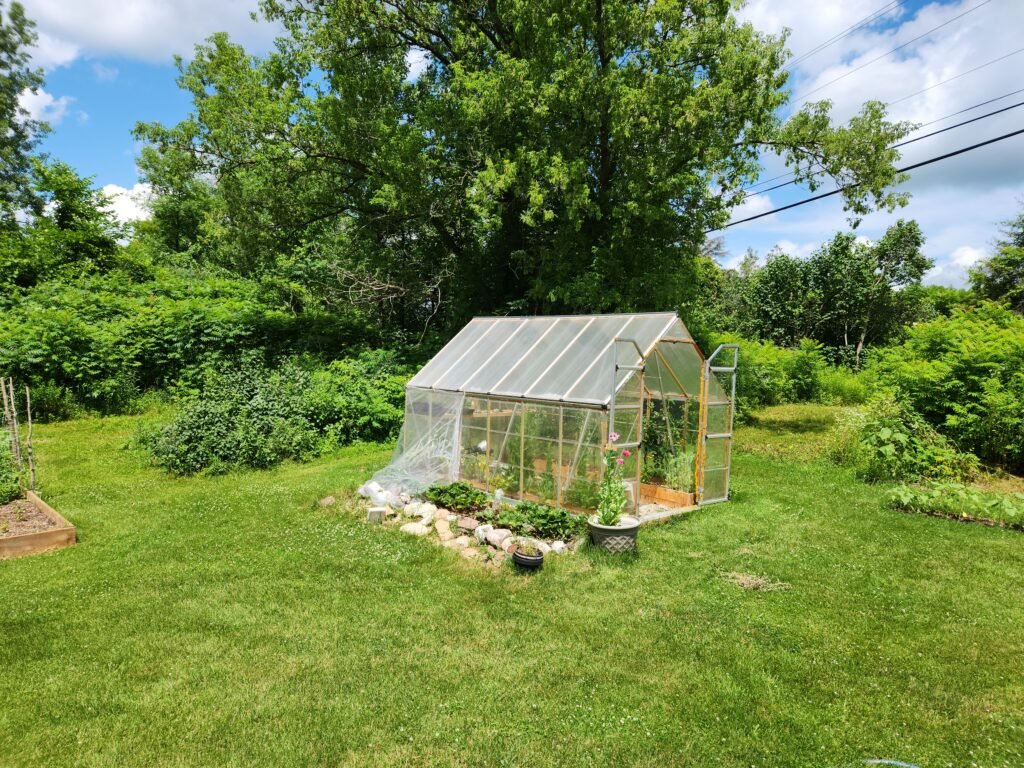
There are pros and cons to each style. This is all personal preference or maybe dependent on your living situation. We would love an attached greenhouse but our house doesn’t lend itself to that, so we have a freestanding greenhouse.
Selecting the Best Greenhouse Material
The material of your greenhouse affects durability, light transmission, and insulation.
- Glass: Traditional, offers excellent light transmission but can be expensive and fragile.
- Polycarbonate: Durable, lightweight, and retains heat better than glass.
- Plastic Film: The most affordable but has a shorter lifespan and requires frequent replacement.
Our recommendation: Polycarbonate panels for their durability and insulation properties.
2. Set Up Your Greenhouse Correctly From Day One
Once you’ve chosen your greenhouse, proper setup is crucial for a productive growing environment.
Where To Locate A Greenhouse?
The location of your greenhouse is crucial for its success. The ideal location for a greenhouse is a spot that receives full sun exposure and is protected from strong winds. You should also consider the proximity to water and electricity sources.
The north side of an open space would be ideal for a greenhouse. It will get both east and west sun in the morning and evenings. It will also get the most sun from the south during the shorter winter months.
How To Prepare For A Greenhouse?
- Level the Ground: It’s important to make sure the ground where you’re placing your greenhouse is level. A level foundation will help ensure that your greenhouse is stable and that water can drain away from the structure.
- Ventilation: Good ventilation is essential for maintaining a healthy growing environment. Make sure your greenhouse has vents that can be opened and closed to regulate temperature and humidity.
- Shading: In the summer months, your greenhouse may need some shading to prevent the plants from overheating. You can use shade cloth or paint the greenhouse with a reflective paint to reduce the amount of sunlight that enters the greenhouse.
- Heating: Depending on your climate, you may need to provide supplemental heat to your greenhouse during the colder months. You can use a variety of heating options, including electric heaters, propane heaters, or even a wood stove.
How to heat a greenhouse?
We already touched on heating briefly but I wanted to go through some options that are commonly talked about and the ones that we’ve tried ourselves.
- Heat a greenhouse with a heat sink: I’m not saying this is not possible, but it is one of the hardest way to heat a greenhouse. You need so much mass in your greenhouse to keep it warm that you won’t have much space for any plants. We tried this our first year with a greenhouse. We filled the 4×12 foot walkway with 6 inches of gravel and placed two 55 gallon water barrels at the back of the greenhouse. Fill the barrels with water and painted them black. All of that made basically zero difference.
- Heated water tanks: We came across some videos showing people using heated water tanks to keep their greenhouse warm. We figured we already had 110 gallons of water in there we might as well try it. We used a submersible water heater that kept the water around 80°F (27°C) but it still wasn’t enough to make any meaningful difference. At night when the temperature would drop below freezing the hot water would only keep the greenhouse about 2 degrees above the outside temperature.
- Electric Greenhouse Heater: This is our recommendation for a consistent reliable heat source. There is some up front cost but with this running, we could see temperatures as low as 17°F (-8°C) and the greenhouse would stay above freezing by a few degrees and our plants would survive. Our Greenhouse Heater has let us extend our gardening season by 6 weeks on both the start and the end, giving us 3 months more growing time.
3. Grow the Right Plants for a Greenhouse Environment
Choosing the right plants for your greenhouse will determine how successful your garden is. Consider climate, space, and plant requirements before planting. Many of the crops we grow in our greenhouse are also covered in our detailed vegetable growing guides, which walk you through each plant from seed to harvest.
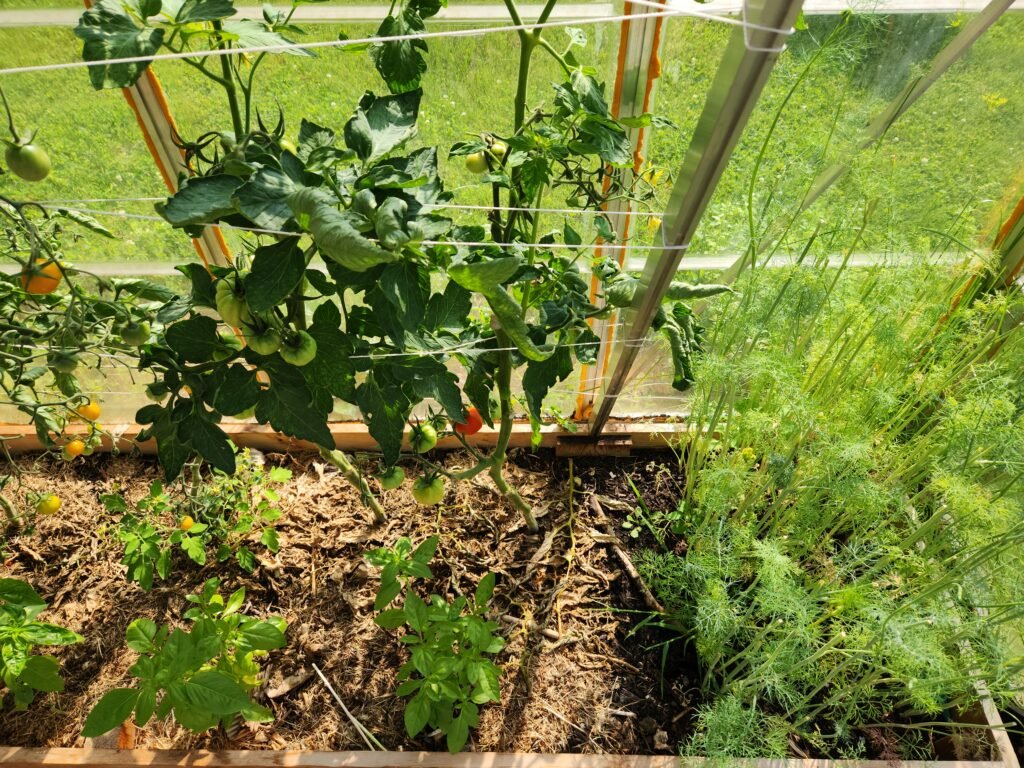
- Consider Your Climate: Greenhouses provide a controlled environment, but you still need to choose plants that are suitable. If you live in a cold climate, you may want to choose plants that are hardy and can withstand colder temperatures. We use our greenhouse to get a jump start on our Carrots, Kale, Lettuce, and Beets earlier in the year.
- Choose Plants that Thrive in a Greenhouse Environment: Certain plants, such as tomatoes, and peppers, thrive in a greenhouse environment. These plants require warm temperatures and plenty of light to grow. Cucumbers come to mind when thinking of greenhouses as well but they require insects for pollination. Insects will avoid greenhouses due to the high heat and therefore you might not get a good yield.
- Think About Space: We have two 2×12 foot raised beds in our greenhouse and that’s what we plan for when doing our garden layout. Before you install a greenhouse think of what and how much of it you want to grow before selecting a size. You wouldn’t want to plant a pumpkin plant and have it take over the entire greenhouse.
Frequently Asked Questions About Greenhouse Gardening
Yes, especially in colder climates. A greenhouse allows you to start crops earlier in spring, extend your harvest into fall, and protect plants from frost, wind, and heavy rain. For us, it added nearly three extra months to our growing season.
It depends on your climate and heating setup. In milder regions, cold-hardy crops can grow through winter. In colder areas, a greenhouse without heat is typically used for season extension rather than true year-round production.
Leafy greens like lettuce, spinach, kale, and herbs are some of the easiest greenhouse crops. Tomatoes and peppers also thrive in greenhouses once temperatures are warm enough.
Absolutely. Ventilation prevents overheating, reduces humidity-related disease, and keeps plants healthy. Roof vents, side vents, or automatic vent openers are highly recommended.
Most plants begin to suffer when temperatures drop below freezing. Even keeping a greenhouse just a few degrees above 32°F (0°C) can make the difference between plant survival and total loss.
Some crops, like tomatoes, can self-pollinate with airflow or light shaking. Others, like cucumbers and squash, rely on insects and may need hand pollination if grown in a closed greenhouse.
Conclusion
A greenhouse is one of the most valuable tools a home gardener can invest in, but only when it’s set up and used correctly. By choosing the right greenhouse, setting it up with intention, and growing plants that thrive in a protected environment, you can dramatically increase your success and extend your growing season.
If you enjoyed this guide, be sure to explore our other growing guides, seed saving articles, and homestead recipes as we continue to build resources for gardeners at every stage. We’re growing our website with new content all the time, and we invite you to grow along with us.
If you have questions about greenhouse gardening, or want to share what’s working in your own greenhouse, leave a comment below. Happy gardening!