Dandelions are more than ‘pesty weeds‘, their benefits – specifically the root, has been used in traditional herbal practices for generations.
The dandelion root benefits are commonly consumed through teas, tinctures, and other herbal preparations and people use it for digestion, detoxing and seasonal wellness support.
Not to mention, dandelions are beloved by chickens – they will eat the entire plant in under a minute.
In this article, we’ll go over the dandelion root benefits and how you can use it medicinally too.
This post may contain affiliate links. If you use these links to buy something we may earn a commission. Thanks.
Dandelion Root Benefits (Quick Answer)
Dandelion root is traditionally used to support digestion, liver function, and fluid balance. It’s commonly prepared as a tea, tincture, or roasted herbal coffee substitute.
What Is Dandelion Root?
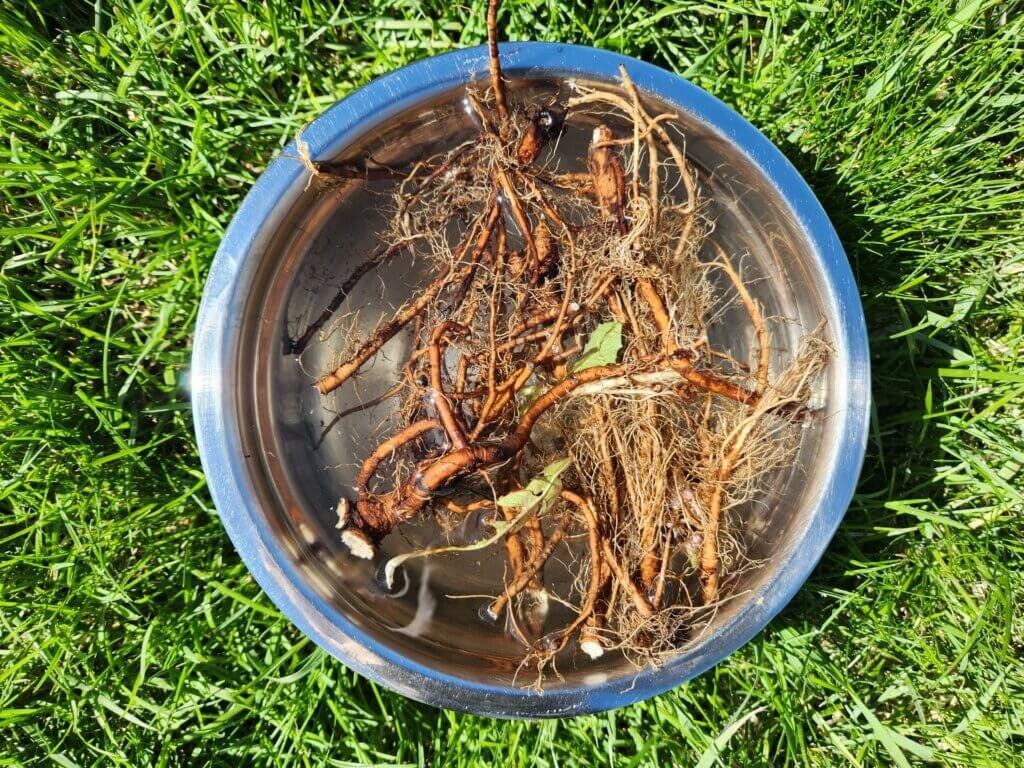
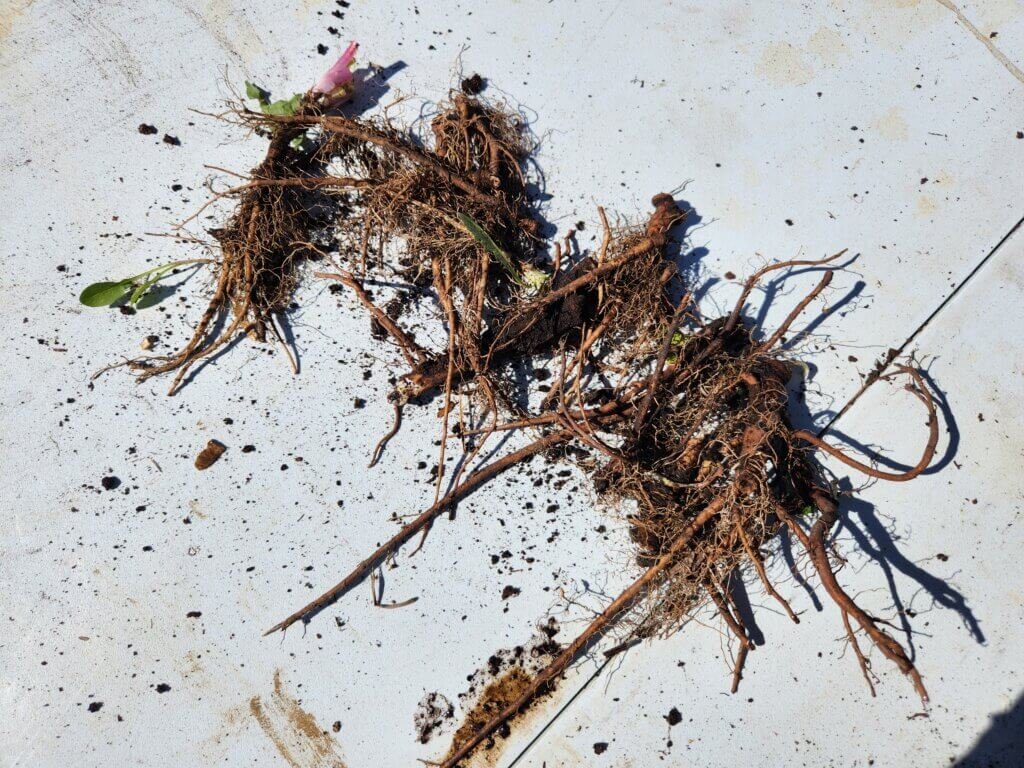
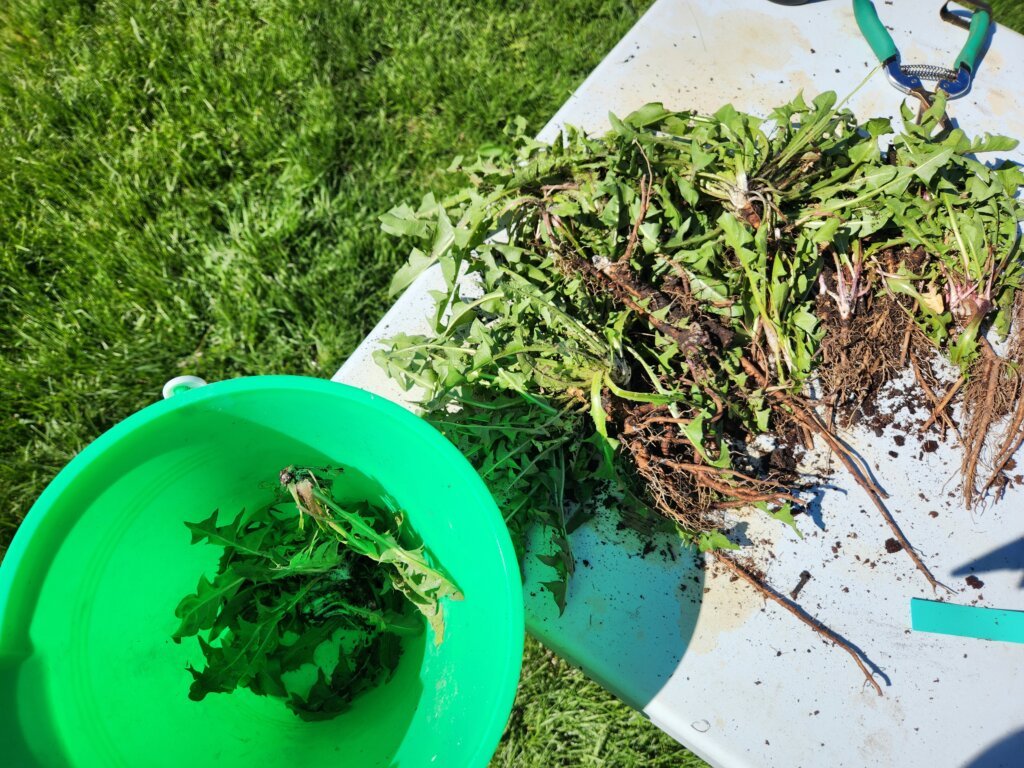
Dandelion root is the root of the dandelion (taraxacum officinale) plant. In the spring, before the plant flowers and in the fall, when the plants start to die back, the main energy and nutrients live in the roots. That’s the ideal time to harvest to get the most medicinal part of the plant.
The dandelion as a whole has medicinal benefits in every part, from the flowers to the leaves to the roots.
While this guide focuses on the root, the flowers are commonly used in herbal teas. Learn more in our guide to the Benefits of Dandelion Flower Tea.
| Part | Common Traditional Use |
|---|---|
| Root | digestion, liver support, bitters |
| Leaf | mineral-rich, diuretic |
| Flower | tea, infused oils, salves |

Common Dandelion Root Benefits
Dandelion roots have been used for centuries traditionally for a multitude of reasons. At it’s core, the roots help move things through the system – hence it’s importance regarding detoxing.
If you’re new to dandelions altogether, start with our complete guide: Dandelions – The Miracle Weed You Should Be Thanking.
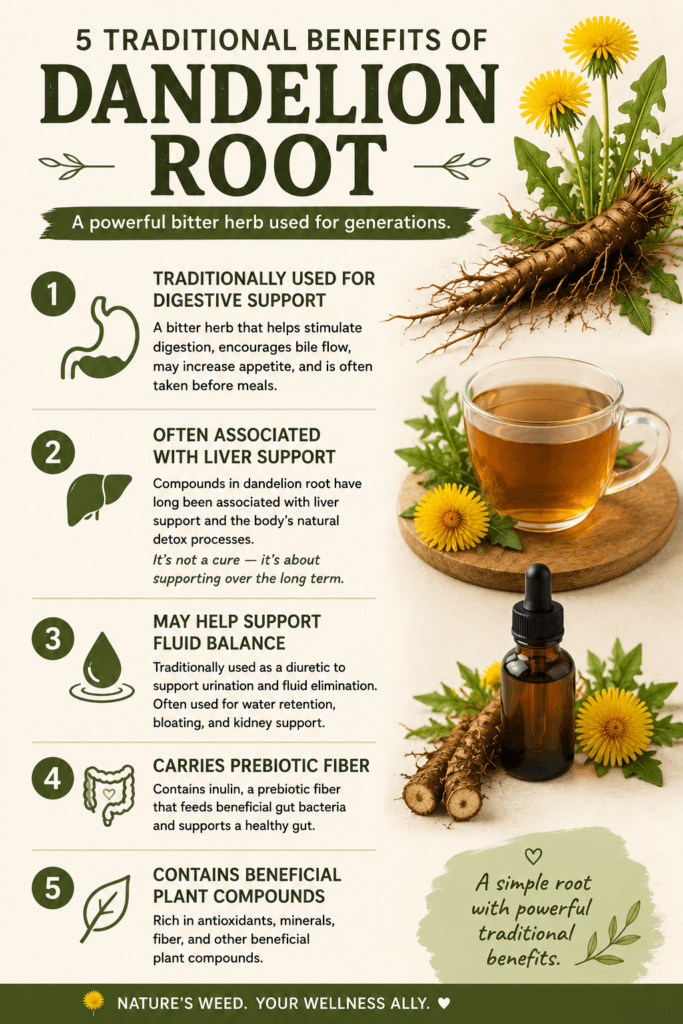
1. Traditionally Used for Digestive Support
Dandelion roots are bitter, many traditional herbal practices use bitter herbs to help stimulate digestion and elimination. The dandelion flowers are also used to help digestion.
Traditionally, bitter herbs stimulate digestion, encourage bile flow, and may increase appetite are often taken before meals.
Together, these elements make up the commonly understood concept of detoxing.
2. Often Associated With Liver Support
The medicinal compounds found in dandelion root has long been associated with liver support. Compounds like antioxidants and anti-inflammatory compounds help to support the liver in it’s detoxing (clearing out the digestive track and promoting elimination and urination).
It’s not a cure for liver issues, that’s important to note. It’s about supporting over a long term.
3. May Help Support Fluid Balance
Dandelion root is also considered a diuretic: meaning it helps with urination and fluid elimination.
It’s traditionally used for, water retention (edema), bloating, and kidney support. As someone who struggled with edema post-partum, this would be something I would try next time.
Historically the root is used for this more than the flowers because more of the energy is stored in there, but the flowers carry the same benefits just a little less.
4. Carries Prebiotic Fiber
Pre and probiotics have been popular for a long time now. Their popularity is only increasing as more and more people become health-aware. Dandelion root contains inulin, a type of prebiotic fiber.
What is a prebiotic? Prebiotics feed beneficial gut bacteria.
Combining this, and all the other benefits we’ve already covered, you can understand why dandelion root benefits are closely related to the terms of ‘detoxing’ and ‘liver support’.
5. Contains Beneficial Plant Compounds
Last, but certainly not least, is that the root itself contains compounds like antioxidants, minerals, fiber and much more.
It’s worth considering adding dandelion root to your medicinal herbal cabinet.
Ways To Use Dandelion Root Benefits
Dandelion root is quiet useful and has a good amount of different uses.
Tea
Some people like to use the root fresh or dried and steep it in hot water to get the benefits of the root.
Tincture
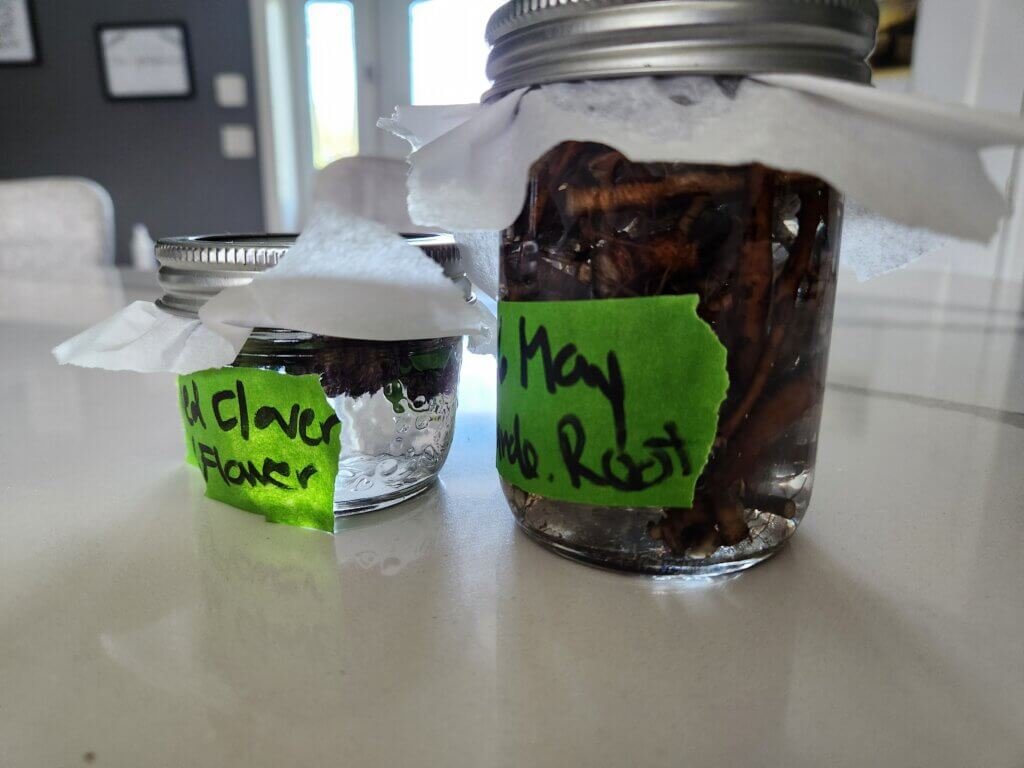
This is one of the two most common uses for dandelion root and the way I personally use it. A few drops from my tincture into my morning coffee or into a tea later in the evening is the way I choose to consume it.
I wrote an entire article dedicated to How I Make My Dandelion Root Tincture here.
Not sure what a tincture is? Read our complete guide to herbal tinctures here.
Roasted Dandelion Root Coffee
The other main way people use dandelion roots is as a caffeine-free coffee substitute. When the roots are cleaned up, you dry them using a dehydrator until they become brittle and dry.
Replace the coffee beans with the blended dried dandelion root and you get a drink that is similar to coffee in taste, but without caffeine.
When to Harvest Dandelion Root
The ideal time to harvest dandelion root is in the early spring (end of April, early May for us in Zone 5), or in the early fall/late summer (end of September, early October in Zone 5).
In theory you could do it at any time of the year, but you want to get the plant before it flowers, and in the early spring the plant’s energy is still in the root. As the season goes on, the plant’s main goal is to flower then go to seed, it happens much faster in the warmer weather.
Once the end of summer hits, the energy of the dandelion plant goes back into it’s roots for the winter.
Who Should Avoid Dandelion Root?
While it’s generally considered safe, those with ragweed allergies, people on certain medicinations related to duiretics, and women who are pregnant should consult and healthcare practicitioner.
Related Articles
- Dandelions – The Miracle Weed You Should Be Thanking
- How to Make a Dandelion Root Tincture
- Goldenrod Benefits, Uses & How to Make Goldenrod Tea
- What Is Mullein – The Tall Fuzzy Green Plant
- What Is Red Clover and How Can You Grow and Use It?
Final Thoughts on Dandelion Root Benefits
Dandelion root is one of the simplest herbs to start experimenting with because it’s accessible, easy to harvest, and incredibly versatile. Once you start using it beyond just seeing it as a lawn weed, you begin looking at the plant very differently.
It’s truly incredible learning about and using plants that you’ve grown or responsbility harvested all around you for your own health. Thank God for this plant and these wonderful plants that can heal us.
If you’re growing your medicinal herbs cabinet at home, you can explore all of our hands-on advice in our Medicinal Herbs Hub, based on what actually works here on our homestead.
We are growing our website with more articles all the time, and we invite you to grow with us. If you have any questions about dandelion root benefits or would like to share some of your knowledge with us please leave a comment below. Happy Gardening!