Herbal tinctures have been used for centuries as a simple way to preserve and use medicinal plants. What is a tincture? At their core, tinctures are concentrated herbal extracts made by soaking herbs in either alcohol, glycerin, or apple cider vinegar to pull out beneficial compounds.
They’re one of the easiest ways to preserve herbs long term, and once you understand the basics, they’re surprisingly simple to make at home.
Over the last couple of years, tinctures have become one of my favorite ways to use the plants growing around our property. From dandelion root and red clover to garlic and mullein, I love knowing I can preserve herbs from the garden into something practical we can use year-round.
If you’re completely new to herbal remedies, tinctures can sound intimidating at first. But they’re really just a simple extraction process that anyone can learn.
Quick Answer: What is a Tincture?
A tincture is a concentrated herbal extract made by soaking herbs in a liquid such as alcohol, vegetable glycerin, or vinegar. The liquid pulls beneficial compounds from the plant material and preserves them for long-term use.
Tinctures are commonly taken in small drops or droppers and are often used to support things like digestion, sleep, stress, immune health, and seasonal wellness depending on the herbs used.
This post may contain affiliate links. If you use these links to buy something we may earn a commission. Thanks.
We All Start Somewhere
If you asked me a decade ago what a tincture was, I would have looked at you completely confused. I didn’t have the slightest idea. If that’s you, that’s a great thing! It means you’re on a journey to learn something completely new – and a bit life changing.
Every year I make the typical tinctures my family uses, but now I’m testing out and trying new combinations that I never would have thought to use before.
Once you start making tinctures – it becomes a bit addictive because it’s so easy!
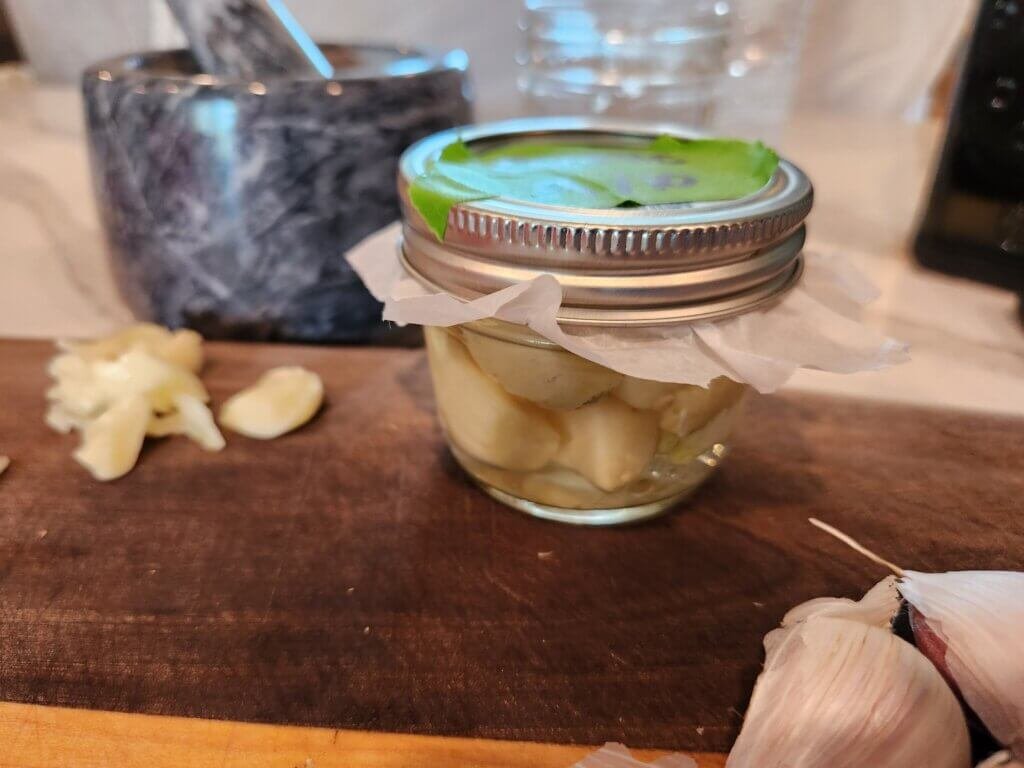
What Is a Herbal Tincture?
A herbal tincture is simply a way of extracting and preserving the natural compounds found in plants.
When herbs sit in alcohol or another solvent for several weeks, the liquid slowly pulls out compounds like:
- flavonoids
- alkaloids
- volatile oils
- bitters
- tannins
- antioxidants
Once strained, the finished liquid becomes a concentrated herbal extract that can last for years when stored properly.
Unlike herbal teas, tinctures are highly concentrated and shelf-stable, which makes them popular for long-term storage and everyday herbal use.
My article, Thyme Medicinal Benefits covers more of these compounds found in thyme.
What Are Tinctures Used For?
Different herbs are traditionally used for different purposes, which means tinctures can vary widely depending on the plant being used. I like to add tinctures to my quick fire cider recipe.
Some common of mine examples include:
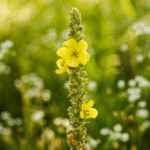
- Thyme and mullein tinctures for seasonal chest support
- Lemon balm tinctures for relaxation and stress support
- Dandelion root tinctures traditionally used for digestion and liver support
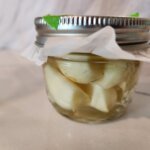
- Garlic tinctures commonly used during cold and flu season
- Chamomile tinctures for calming support
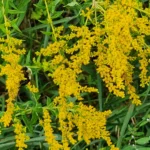
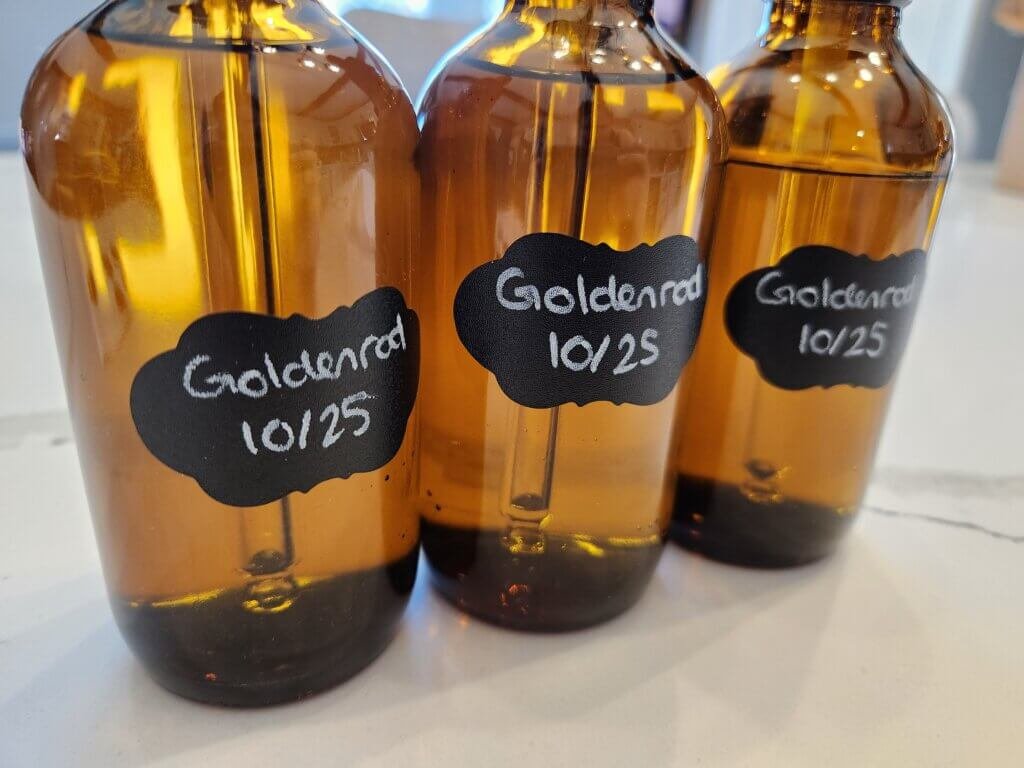
- Goldenrod tinctures for whole body support
The specific benefits always depend on the herb itself, not the tincture process alone.
Why People Like Using Tinctures
One reason tinctures have stayed popular for so long is because they’re practical and easy. A few benefits of tinctures include:
- Long shelf life
- Highly concentrated
- Easy to store
- Simple to take
- Preserves garden herbs for year-round use
- Useful when fresh herbs are out of season
For many people (like me!), tinctures are also easier than making tea multiple times per day.
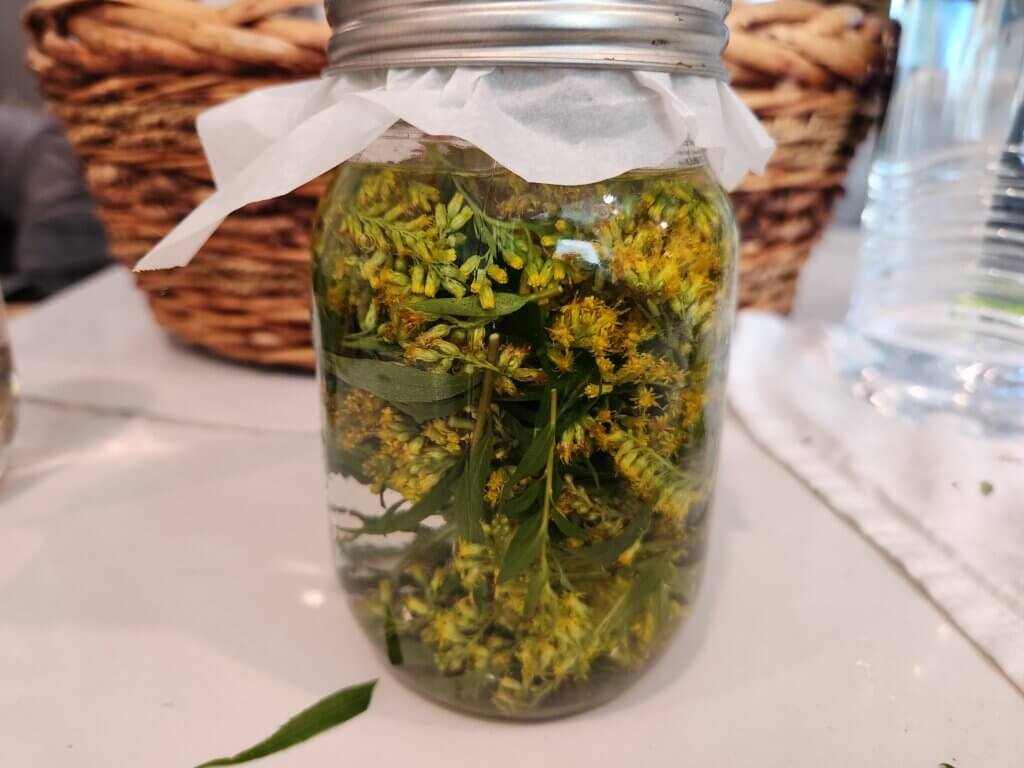
What Is the Best Alcohol for Tinctures?
Vodka is one of the most common alcohols used for homemade tinctures because it has a fairly neutral flavor and works well for many herbs. The alcohol helps extract plant compounds while also preserving the tincture long term.
Most homemade tinctures use alcohol around 40%-50% alcohol content (80-100 proof), the vodka we use is 45%. Common options include:
- Vodka
- Brandy
- Rum
- Grain alcohol
Can You Make Tinctures Without Alcohol?
Yes. While alcohol-based tinctures are the most common, some people prefer alcohol-free alternatives.
Instead of alcohol, you can use:
- Vegetable glycerin
- Apple cider vinegar
These alternatives are often used for children or people avoiding alcohol, although they have a much shorter shelf life than alcohol tinctures. Technically, some herbalists may call these “extracts” rather than true tinctures, but many people still use the term tincture for simplicity.
Tinctures will last for years in your pantry, whereas vegetable glyercin will only last a year and apple cider vinegar, a few months.
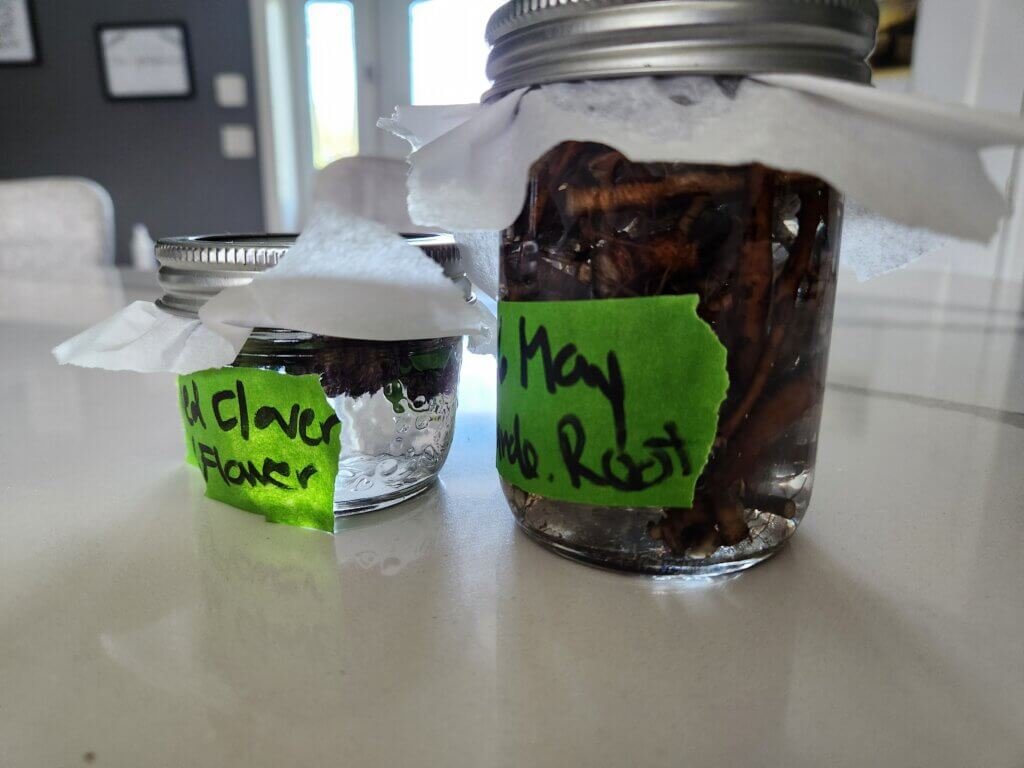
Fresh Herbs vs Dried Herbs for Tinctures
Both fresh and dried herbs can be used to make tinctures.
Fresh herbs are often preferred for plants with delicate aromatic oils, while dried herbs are sometimes easier to work with because the moisture content is more stable.
Many beginner herbalists start with dried herbs because:
- measurements are more consistent
- mold risk is lower
- herbs are available year-round
Both methods can work well depending on the herb being used and your preference. In my experience, I use fresh for most because it saves me the extra steps and time. Then I use dried herbs if the season passed and I have dried herbs available to make my remedy.
How to Make a Simple Herbal Tincture at Home
Making a tincture is much easier than most people think.
Supplies
- Clean glass jar (I like to use a mason jar)
- Fresh or dried herbs
- Vodka or other alcohol
- Cheesecloth, Fine Mesh Strainer, or a coffee filter
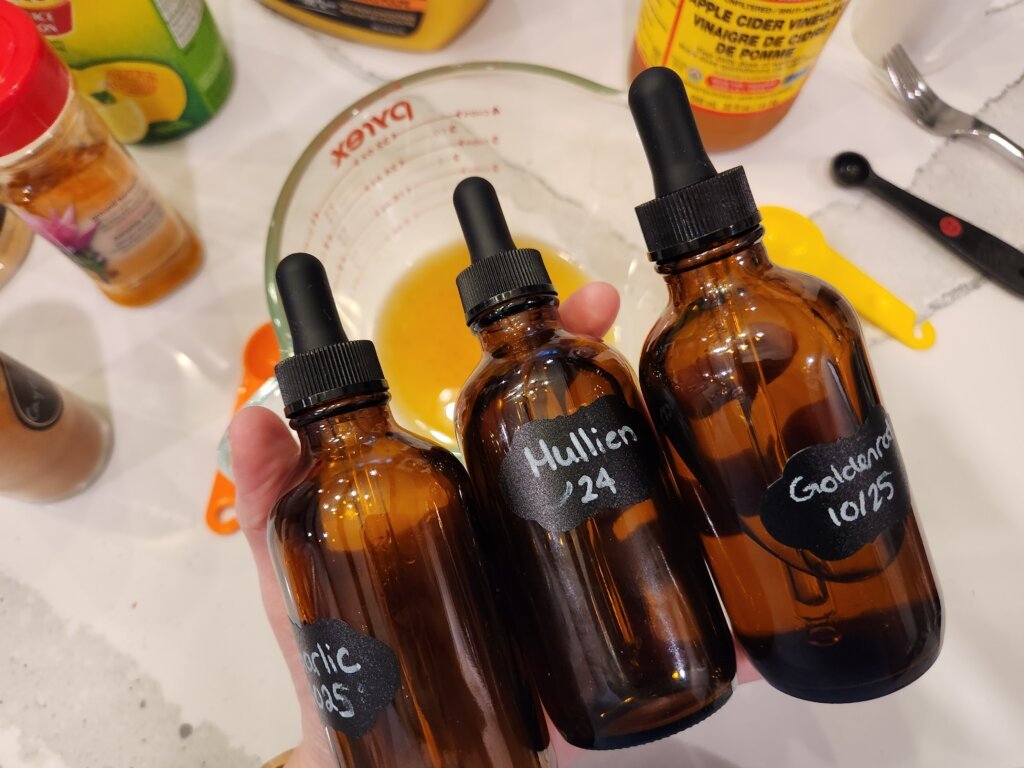
- Amber dropper bottles for storage
Instructions
- Fill a clean jar about halfway with dried herbs or about two-thirds full with fresh herbs.
- Pour alcohol over the herbs until they are completely covered.
- Seal the jar tightly and store it in a cool, dark place.
- Shake the jar every few days.
- Let the herbs steep for 4 to 6 weeks.
- Strain the herbs out using cheesecloth, Fine Mesh Strainer, or a coffee filter.
- Pour the finished tincture into labeled Amber dropper bottles.
That’s it. The process is surprisingly simple once you do it the first time.
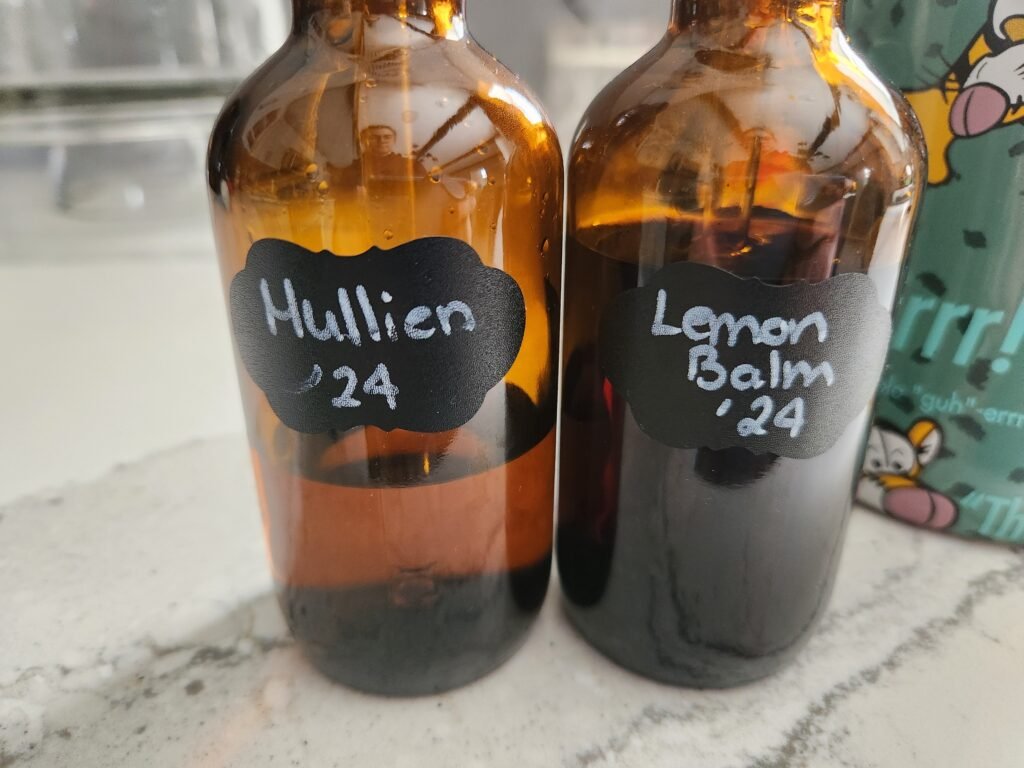
How Long Do Herbal Tinctures Last?
Alcohol-based tinctures can often last several years when stored properly.
To help preserve tinctures:
- Store them in Amber dropper bottles
- Keep them out of direct sunlight
- Avoid excessive heat
- Label jars with the herb and date
Glycerin and vinegar-based tinctures usually have a shorter shelf life.
Common Beginner Mistakes When Making Tinctures
One of the biggest mistakes beginners make is not fully covering the herbs with liquid. Exposed herbs can mold over time.
Other common mistakes include:
- Using wet jars
- Forgetting to label tinctures
- Storing tinctures in sunlight
- Using poor-quality herbs
- Expecting instant results
Herbal remedies often work more gradually than pharmaceuticals, especially when used traditionally for long-term support. They are not a quick cure-all. It typically takes days and weeks of consistent daily usage, sometimes multiple times a day to truly see the changes take place.
Best Herbs for Beginner Tinctures
Some herbs are especially beginner-friendly for homemade tinctures.
A few popular options include:
Starting with common garden herbs is often the easiest and most approachable way to learn.
What Is a Tincture FAQ
Tinctures are generally more concentrated than herbal teas because the extraction process pulls out and preserves plant compounds over several weeks.
The effectiveness depends on the herb being used, the preparation method, and the individual. Many herbs have long histories of traditional use.
Dosages vary depending on the herb and preparation. Always research the specific herb you are using and consult a qualified professional when necessary. Usually its one full dropper a day — that typically what I use if I want a daily tincture dosage. I am not a medicinal doctor, this is just my experience.
Some people prefer glycerin-based herbal extracts for children instead of alcohol-based tinctures. Always research herb safety carefully before use.
Herbal teas are made by steeping herbs in hot water for a short period of time, while tinctures are concentrated extracts made by soaking herbs for weeks in alcohol, glycerin, or vinegar.
Final Thoughts on What is a Tincture
Tinctures may sound complicated at first, but they’re really just a practical way to preserve and use herbs long term.
For many gardeners and homesteaders, they become a natural extension of growing medicinal plants at home. Once you understand the basic process, you can start experimenting with different herbs and creating your own herbal preparations from the plants growing around you.
Whether you’re interested in herbal wellness, preserving your harvest, or simply learning a traditional skill, tinctures are one of the simplest places to start.
If you’re growing your medicinal herbs cabinet at home, you can explore all of our hands-on advice in our Medicinal Herbs Hub, based on what actually works here on our homestead.
We are growing our website with more articles all the time, and we invite you to grow with us. If you have any questions about red clover or would like to share some of your knowledge with us please leave a comment below. Happy Gardening!