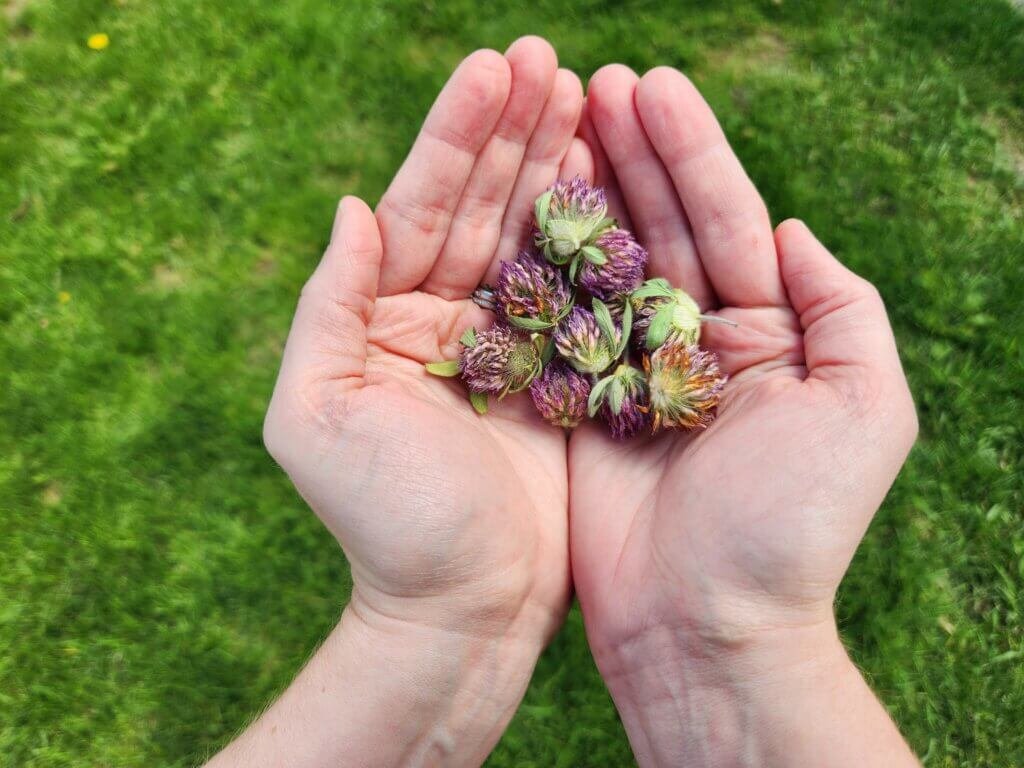
Red clover tea is one of those simple herbal teas that people have been using for a long time. Not because it’s trendy or complicated – but because it’s easy to make, widely available, and has a long history of traditional use.
If you’re interested in learning how to grow red clover, check out our guide: What is Red Clover and How Can You Use It
If you’ve already harvested and dried red clover flowers, this is usually the next step.
And if you haven’t yet, it might change how you look at the clover growing around you. I know it did that for me.
What Are Red Clover Tea Benefits? (Quick Answer)
Red clover tea is traditionally used to support women’s health, especially during menopause, and may help with skin health, circulation, and mild respiratory issues. It contains plant compounds called isoflavones, which can have mild estrogen-like effects in the body.
What Is Red Clover Tea?
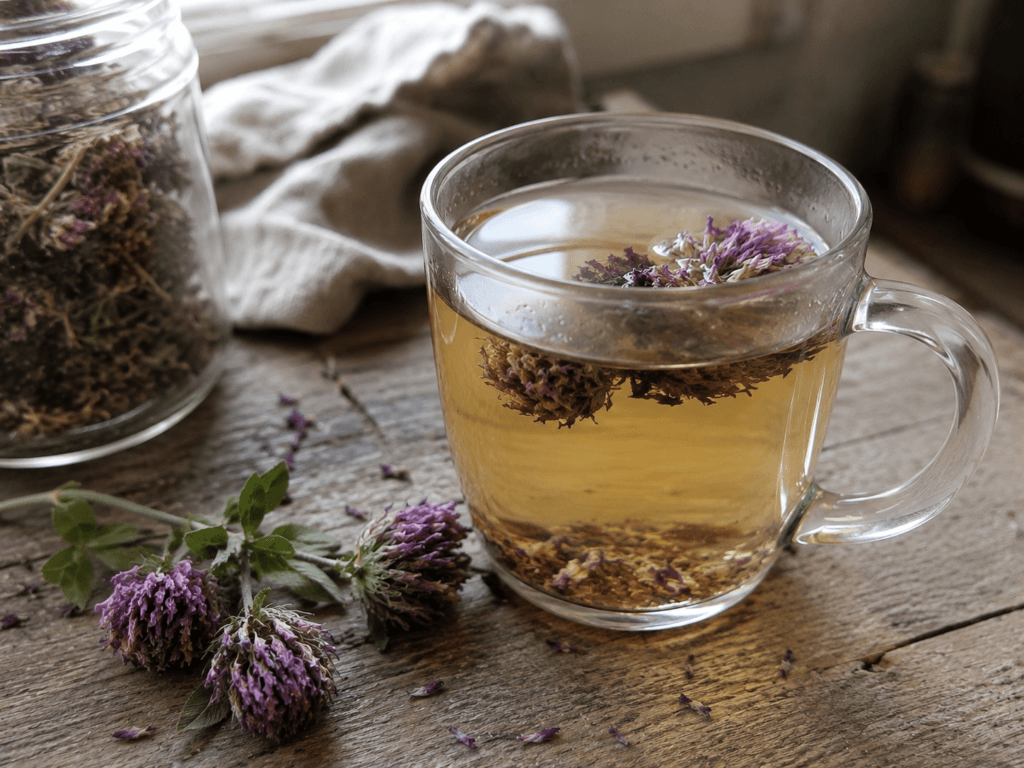
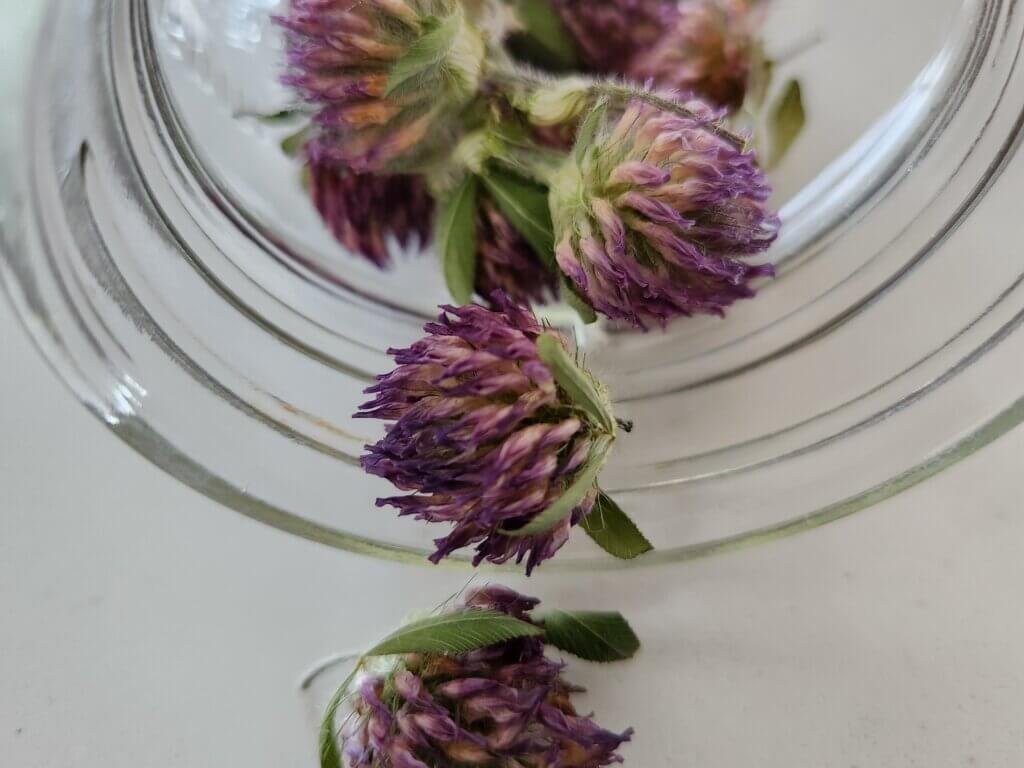
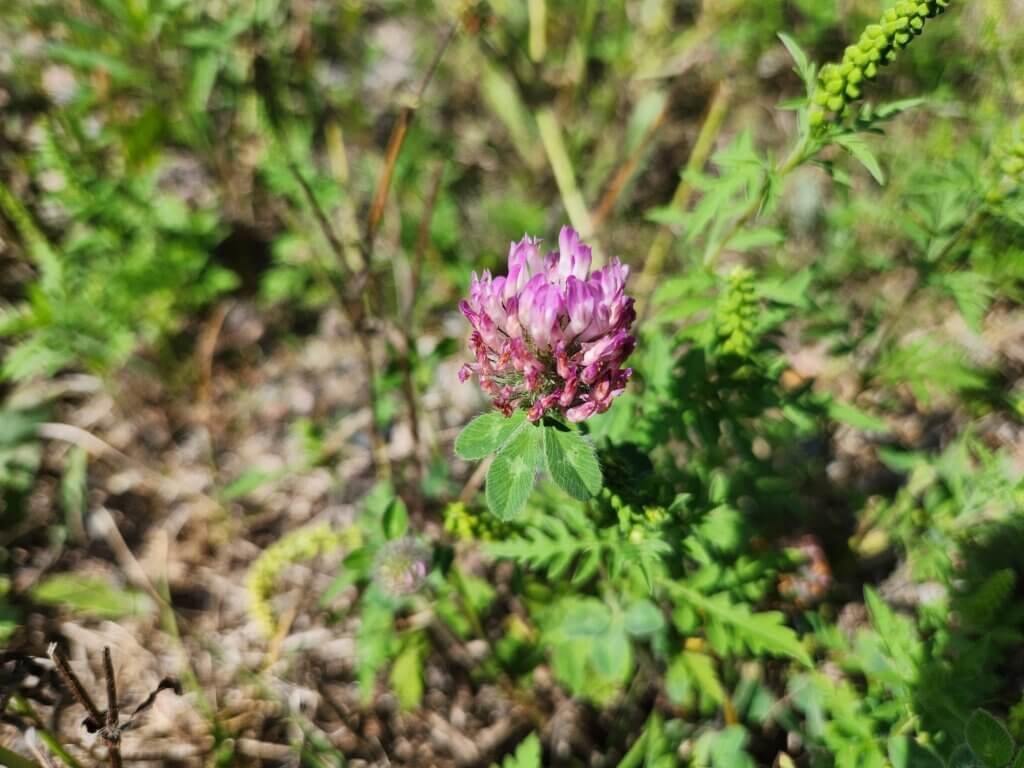
Red clover tea is made from the dried flower heads of red clover (Trifolium pratense). Once dried, the blossoms can be steeped in hot water to create a mild, slightly sweet herbal tea.
It’s often used as a simple, at-home herbal preparation rather than something processed or store-bought.
If you’re harvesting your own, you can follow this guide: How to Harvest and Dry Red Clover Flowers
Key Compounds in Red Clover
What makes red clover interesting isn’t just tradition, but it’s what’s inside the plant.
The flowers contain:
- Isoflavones (plant compounds that can mimic estrogen in the body)
- Flavonoids (antioxidants)
- Vitamins and minerals
These compounds are what most of the commonly talked-about benefits are based on.
Red Clover Tea Benefits
It’s important to say this clearly: Red clover tea is not a cure-all.
But there are a few areas where it’s traditionally used and continues to be studied.
1. May Support Women’s Health (Especially Menopause)
This is the most well-known use. Because of its isoflavones (mimics estrogen in the body), red clover is often used to:
- help manage hot flashes
- support hormonal balance
- ease some menopause-related symptoms
The effect tends to be mild, not dramatic. Natural herbal remedies are rarely quick and dramatic. They usually take persistence and time.
2. May Support Skin Health
Red clover is sometimes used for:
- acne
- eczema
- general skin irritation
This is usually linked to its antioxidant content and potential hormone-balancing effects. Think about how your skin changes in pregnancy due to hormone increases or decreases. Sometimes the extra estrogen helps support skin health.
Some people drink it as tea, while others use it in topical preparations.
3. Traditionally Used for Circulation and “Detox” Support
You’ll often see red clover described as a “blood purifier.” That’s more of a traditional term than a medical one. In practice, it’s been used to:
- support circulation
- gently support the body’s natural detox processes
Keep expectations realistic here. It’s not a quick fix and requires consistency and time.
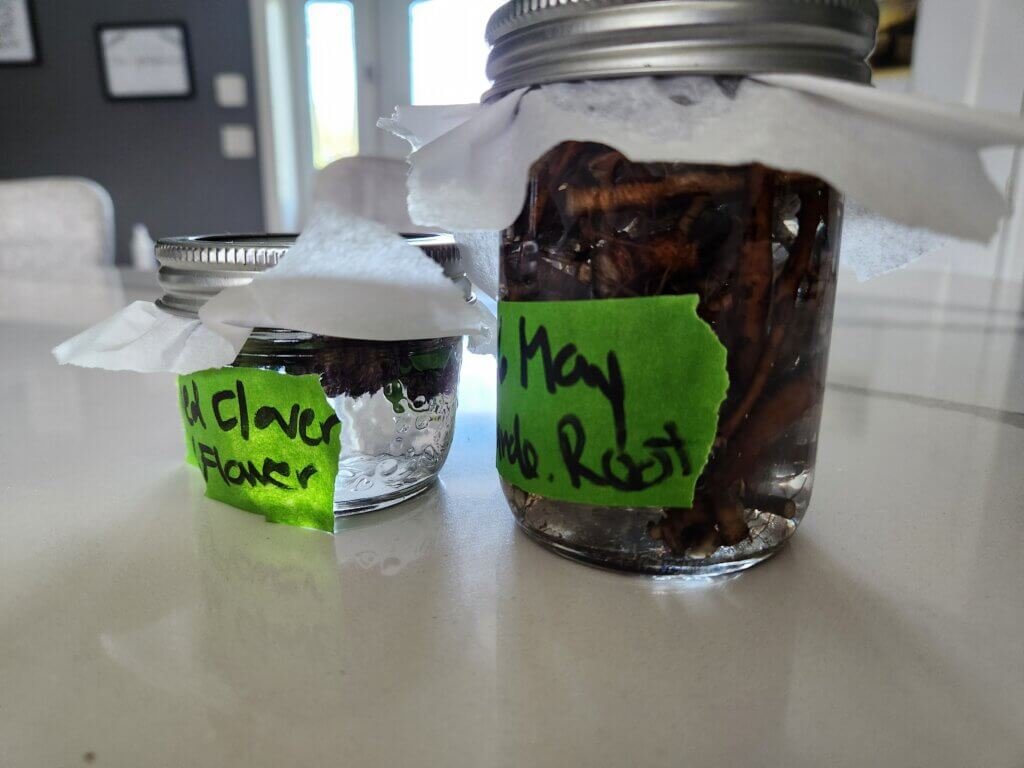
I like to use my red clover flower tincture for detoxing.
4. May Help with Mild Coughs and Congestion
Red clover has also been used as a gentle expectorant. That means it may help:
- loosen mucus
- ease mild respiratory irritation
It’s not a replacement for medical treatment, but it’s one of those traditional uses that’s still around for a reason. I would use this during those milder sinus infections or pair it with stronger expectorants like thyme or mullein.
How Red Clover Tea Is Typically Used
Most people keep it simple.
- 1–2 teaspoons dried flowers
- 1 cup hot water
- steep covered for 10–15 minutes
Some drink it occasionally. Others use it more regularly for specific reasons like menopause support.

Who Should Be Careful Using Red Clover Tea
Red clover is generally considered safe for many people, but not everyone. You should avoid or be cautious if you are pregnant or breastfeeding, have hormone-sensitive conditions or are taking medications that affect hormones or blood clotting. Always consult a medical healthcare practitioner.
What Does Red Clover Tea Taste Like?
It’s mild, slightly sweet, and a little earthy. Nothing strong or overpowering, which is part of why people stick with it.
Is It Worth Trying?
If you already have access to red clover that may be growing around your property, (especially if you’ve harvested it yourself), it’s one of the easiest herbal teas to try.
It doesn’t require much effort, it’s not expensive if you foraged and harvested it yourself. And it fits naturally into a slower, more intentional way of using what’s already around you.
FAQ on Red Clover Tea Benefits
1-3 cups per week, but it depends on your reason for doing it. More often if your looking for the estrogen hormone support.
If used consistency, it may take a few weeks to notice subtle changes.
You could – but it’s better to use it intentionally rather than constantly.
Yes – dried flowers are more commonly used for consistency and storage.
Red Clover Related Articles
- What is Red Clover: How Can You Use It & Grow It
- How to Harvest Red Clover Flower (and Dry It Properly at Home)
Herbal Tea Related Articles
- Raspberry Leaf Tea Benefits: A Complete Herbal Guide
- Goldenrod Benefits, Uses & How to Make Goldenrod Tea
- How To Make Homemade Tea Bags with Garden Herbs
- Never Buy Tea Again: How To Grow And Harvest Chamomile
Final Thoughts
Once I learned about red clover and started using it, I now encourage everyone to dabble in their own red clover journey. It grows abundantly in zone 5 and helps with our hormone regulation, best of all — it grows naturally and can easily be foraged. Not to mention all the benefits of this plant as a cover crop in your garden.
If you’re on a medicinal herbal journey at home, you can explore all of our hands-on advice in our Natural Remedy Guides, based on what actually works here on our homestead.
We are growing our website with more articles all the time, and we invite you to grow with us. If you have any questions about red clover tea or would like to share some of your knowledge with us please leave a comment below. Happy Gardening!