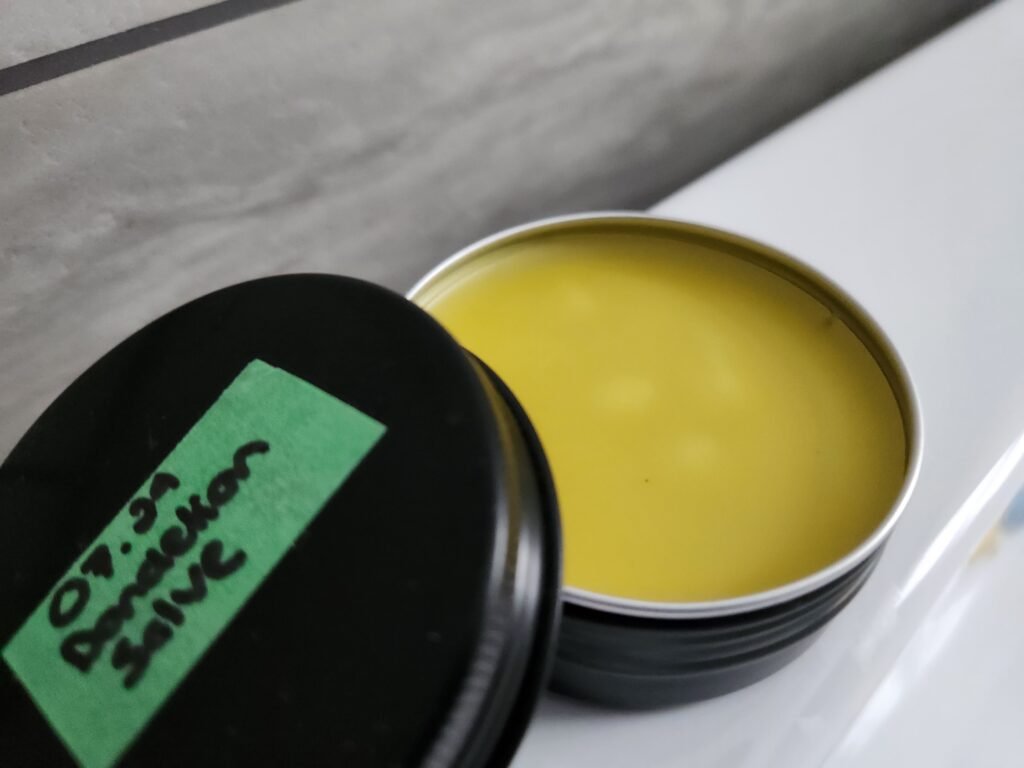
Herbal salves are one of the simplest homemade remedies you can make. They only require a few ingredients, are easy to customize with different herbs, and can be used year-round for dry skin, rough hands, bug bites, and minor skin irritation.
We started making homemade salves years ago as a way to use herbs from our garden and wild plants growing around our property. Once you understand the basic process, you can create endless variations using herbs like calendula, plantain, lavender, and dandelion.
In this guide, we’ll explain exactly what a salve is, how herbal salves work, what ingredients you need, and how to make your own at home.
This post may contain affiliate links. If you use these links to buy something we may earn a commission. Thanks.
Quick Answer: What Is A Salve?
A salve is a semi-solid topical preparation made by combining herbal-infused oil with beeswax. Homemade herbal salves are traditionally used to help soothe dry skin, rough hands, bug bites, scrapes, and minor skin irritation.
What Is a Salve?
A salve is a thick, oil-based preparation that is applied directly to the skin. Most homemade salves are made with just two main ingredients:
- herbal-infused oil
- beeswax
The herbs are first infused into oil over time, allowing the oil to absorb some of the plant’s beneficial compounds. That infused oil is then mixed with melted beeswax to create a smooth, spreadable salve.
Unlike lotions, salves do not contain water. This gives them a thicker texture and usually helps them last longer naturally without preservatives.
Homemade salves have been traditionally used for generations as simple skin remedies and are still popular today because they are easy to make with natural ingredients.
What Is a Herbal Salve Used For?
Different herbs are traditionally used for different purposes, but homemade salves are commonly used to help soothe:
- dry skin, cracked hands, rough elbows
- minor scrapes, bug bites, irritated skin
Many people also use herbal salves as part of their natural skincare routine because they help create a protective barrier on the skin.
Some popular types of homemade salves include:
- calendula salve
- dandelion salve
- plantain salve
- lavender salve
- comfrey salve
Each herb brings slightly different traditional uses and properties to the finished salve.
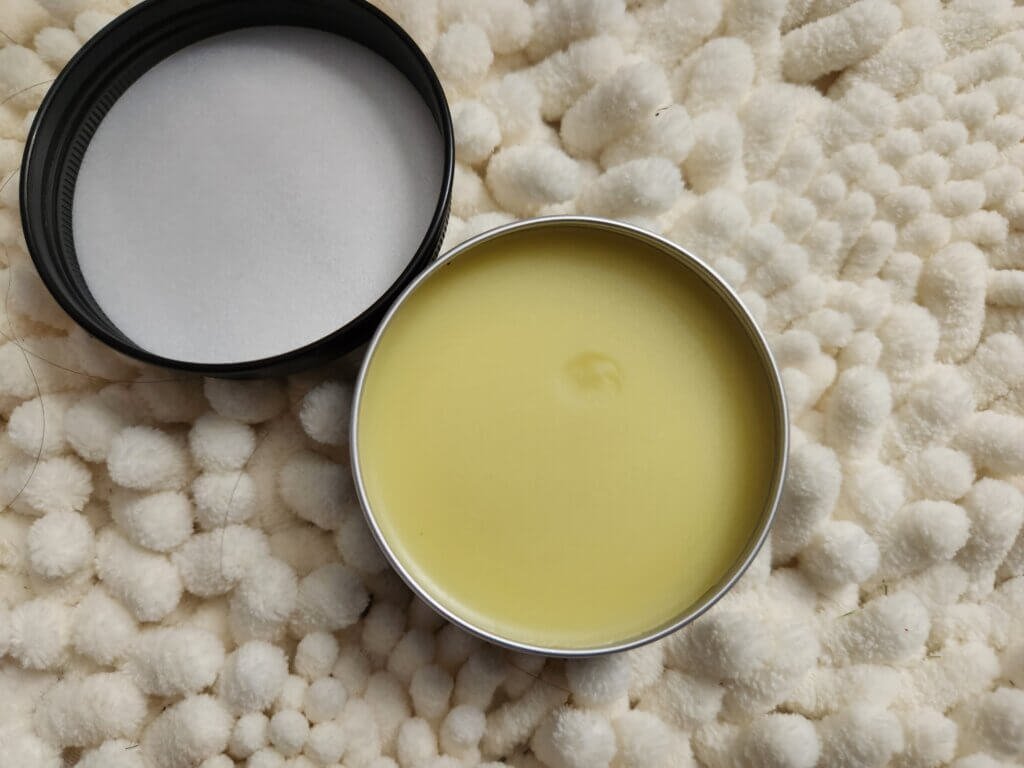
Common Herbs Used In Homemade Salves
One of the best parts about making herbal salves is how customizable they are. Many herbs commonly grown in gardens or found around your property can be infused into oils and turned into salves.
If you already grow medicinal herbs, homemade salves are a great way to preserve and use them throughout the year.
| Herb | Traditionally Used For |
|---|---|
| Calendula | Dry or irritated skin |
| Plantain | Bug bites and skin soothing |
| Dandelion | Dry skin and massage salves |
| Lavender | Calming scent and relaxation |
| Comfrey | Traditionally used in skin salves |
| Chamomile | Gentle skin support |
| Peppermint | Cooling sensation |
What Ingredients Do You Need To Make a Salve?
Most homemade salves only require a few simple ingredients.
Herbal-Infused Oil
This is the base of the salve. The herbs are infused into the oil before making the salve. Common carrier oils include:
- olive oil
- sweet almond oil
- avocado oil
- coconut oil
The process to make herbal-infused oil is very simple:
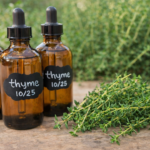
- Gather your fresh or dried herbs (using fresh allows more water into the oil tonic and could potentially lead to spoilage. I’ve used fresh a few times just for the ease of use)
- Add into a glass jar (mason jar)
- Add your carrier oil in the jar and cover until the plant material is fully immersed
- Cover your mason jar with a piece of parchment paper then the jar lid – turn until finger-tip tight
- Let sit for 4-6 weeks in a cool dark location
- Once the time has passed, strain your oil through a cloth, coffee filter to catch the plant material.
Beeswax
Beeswax thickens the oil and gives the salve its solid texture. More beeswax creates a firmer salve. Less beeswax creates a softer salve.
Small Jars or Tins
Small glass mason jars or salve tins work best for storing salves and works great for gifting!
Optional Ingredients
Some people also add:
- vitamin E oil
- essential oils
- shea butter
- tallow (more on that below)
However, simple salves made with only infused oil and beeswax work perfectly well on their own.
Can You Add Tallow to a Homemade Salve?
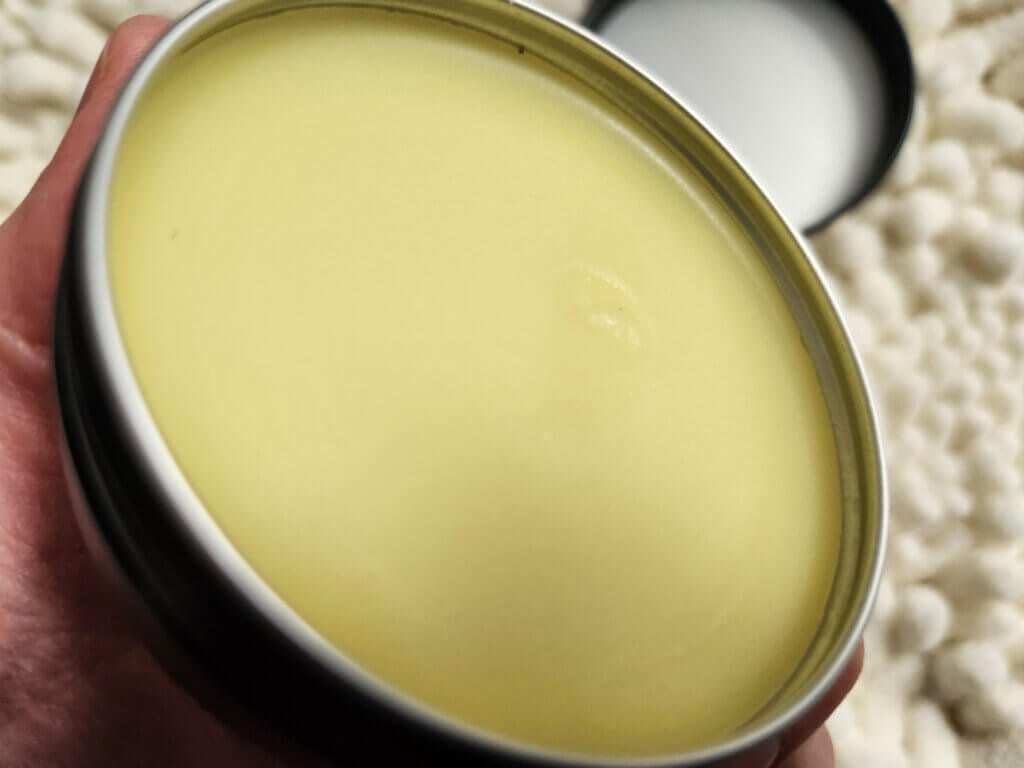
Yes you can! While a basic herbal salve can be made with just an infused oil and beeswax, I actually make many of my salves with a combination of herbal-infused oil, tallow and beeswax. This is my main go-to recipe.
Tallow adds another rich fat to the salve and creates a creamy texture that I really like for topical use. I still use beeswax to help control the firmness because tallow liquefies easily, but the finished salve feels different from one made with oil and beeswax alone.
The basic idea remains the same: oils and fats form the base, while wax is typically used to create the consistency you want.
Just remember, if you choose to add tallow, shea butter or more oils, it will change the ratio so more beeswax will be needed to make the salve more firm.
How To Make Herbal Salves At Home
Making herbal salves is surprisingly simple once you understand the basic process.
Step 1: Make an Herbal Infused Oil
Start by placing dried herbs into a clean jar and covering them fully with oil. Many people use one of these carrier oils:
- olive oil (what I use)
- avocado oil
- sweet almond oil
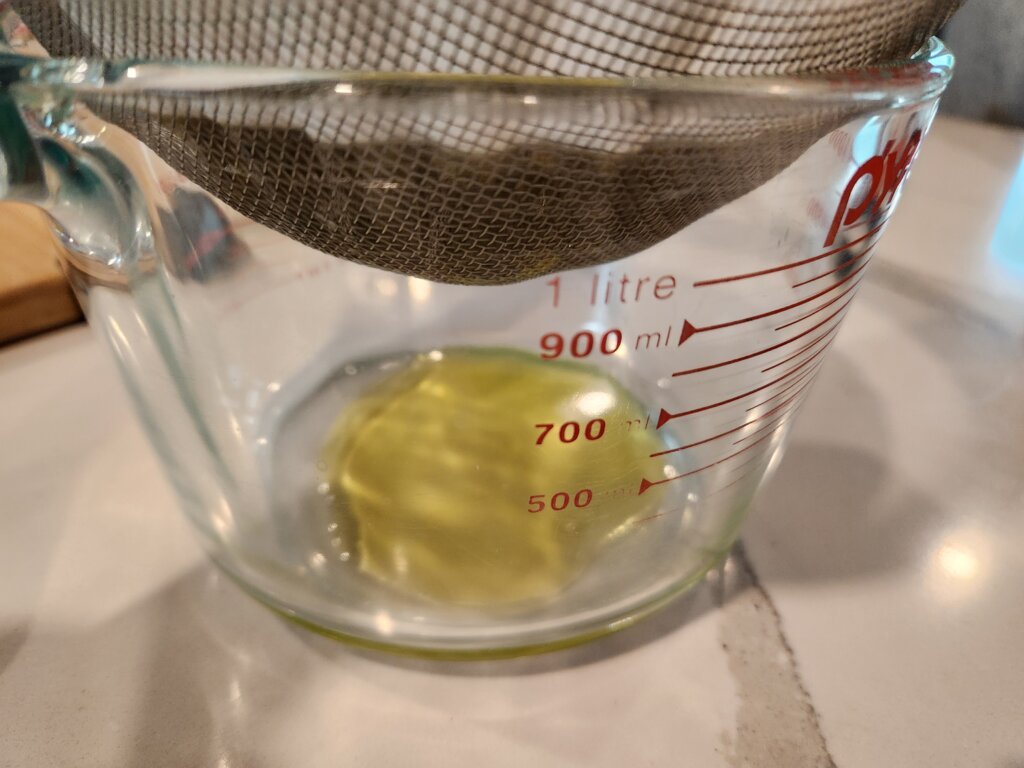
Allow the herbs to infuse for several weeks in a cool, dark place. You can also use a gentle heat infusion method if you want to make the oil faster. Once finished, strain out the herbs using cheesecloth or a fine mesh strainer. You now have herbal-infused oil.
Step 2: Melt Beeswax With the Oil
Add your infused oil and beeswax to a double boiler or heat-safe bowl over simmering water. A common beginner ratio is:
- 1 cup infused oil
- 1 ounce beeswax
Stir until the beeswax fully melts. If you want a firmer salve, add slightly more beeswax. For a softer salve, use less.
A good tip/test is to put a little bit of your salve on a plate or spoon and put in the freezer for a few minutes to solidify. Take it out and test the firmness. If it’s too thick, add more oil, if it’s too soft, add more beeswax.
Step 3: Pour Into Containers
Carefully pour the warm mixture into mason jars or salve tins. Work fairly quickly since salves begin to harden as they cool.
Step 4: Let the Salve Cool
Allow the salve to cool completely at room temperature before placing lids on the containers. Once cooled, the salve is ready to use.
How Long Do Homemade Salves Last?
Most homemade salves last between 6 and 12 months when stored properly. Shelf life depends mostly on:
- the freshness of the oil used
- storage conditions
- keeping water out of the salve
To help homemade salves last longer:
- store them in a cool, dry place
- avoid introducing water into the jar
- use clean hands or a small spoon when applying
If the salve develops an unusual smell or texture, it should be discarded. I’ve had mine for a few years and they are still good to use.
Salve vs Balm: What’s The Difference?
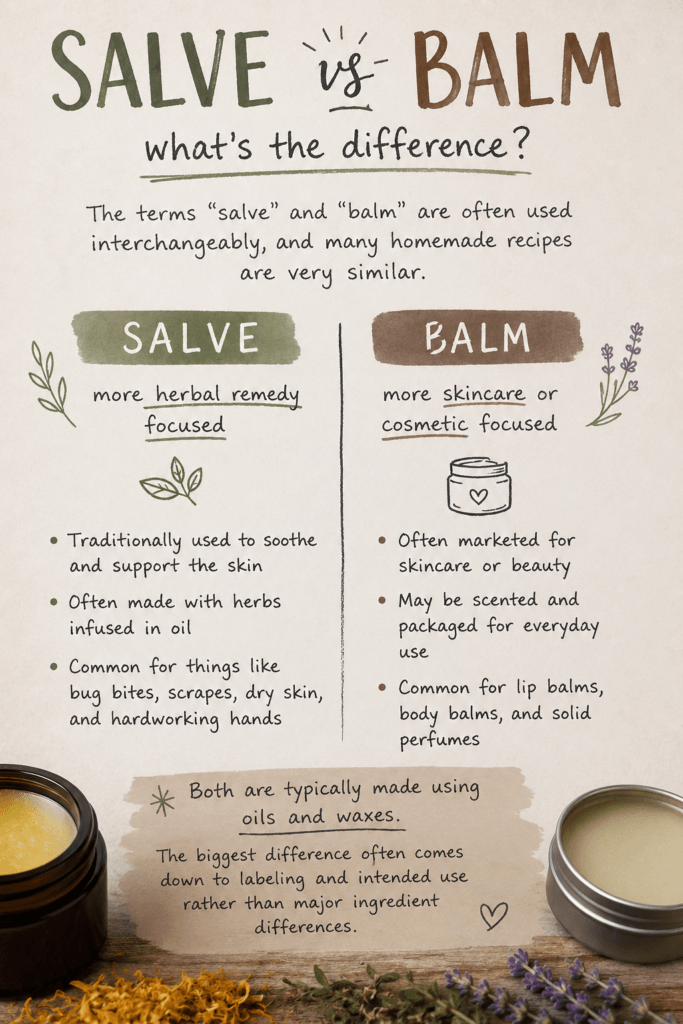
The terms “salve” and “balm” are often used interchangeably, and many homemade recipes are very similar. In general:
- salves are usually more herbal remedy focused
- balms are often marketed more toward skincare or cosmetics
However, both are typically made using oils and waxes. The biggest difference often comes down to labeling and intended use rather than major ingredient differences.
Are Homemade Salves Safe?
Homemade salves are generally simple and gentle, but it’s still important to use common sense. Before using herbal salves:
- test a small amount on your skin first
- avoid using on deep wounds
- discontinue use if irritation occurs
- research herbs carefully before using them
If you are pregnant, breastfeeding, have allergies, or take medications, consult a qualified healthcare professional before using herbal remedies regularly.

Frequently Asked Questions on Salves
A salve creates a protective, moisturizing layer on the skin and is traditionally used to help soothe dry skin, rough hands, bug bites, and minor irritation.
Salves are usually made with herbal-infused oils and waxes, while ointments are more commonly petroleum-based.
Homemade salves are typically made by melting beeswax together with herbal-infused oil and pouring the mixture into jars or tins to cool.
Popular herbs for homemade salves include calendula, plantain, lavender, chamomile and dandelion.
Yes. Coconut oil is commonly used in homemade salves, although it can create a firmer texture in cooler temperatures.
Yes, some people use plant based options like candelilla wax, soy wax or carnauba wax.
Final Thoughts
Learning how to make herbal salves is one of the easiest ways to start using herbs from your garden or local landscape. The process is simple, inexpensive, and highly customizable.
Once you understand the basics, you can experiment with different herbs, oils, and textures to create homemade salves that fit your family’s needs. Like I did with tallow!
Whether you’re making a soothing calendula salve, or a simple dandelion salve, homemade salves are a practical way to preserve herbs and create useful remedies at home.
If you’re into natural homemade remedies, you can explore all of our hands-on advice in our Natural Remedy Guides, based on what actually works here on our homestead.
We are growing our website with more articles all the time, and we invite you to grow with us. If you have any questions about salves or would like to share some of your knowledge with us please leave a comment below. Happy Gardening!