Every fall, I seem to end up with the same problem. Frost is approaching, but there are still plenty of green peppers growing in our garden. This year was no exception.
We grow cayenne peppers every year to make our homemade fermented cayenne pepper hot sauce, so I really didn’t want to lose the remaining harvest to frost.
On October 5, with a fairly hard frost forecast for the following night, I decided to try two different methods of ripening our remaining peppers. I harvested any peppers that had already started changing colour and brought them indoors. The completely green peppers stayed attached to their plants, which I removed from the garden and hung upside down in our greenhouse.
Over the next two weeks, I photographed the peppers regularly to see whether either method would work.
Both methods worked, but the results were quite different depending on how ripe the peppers were when I started. Here’s exactly what I did, how long it took, and what I learned.
Will Peppers Ripen After Picking?
Yes, peppers that have already started changing colour can continue developing their final colour after being harvested. However, completely green peppers are less predictable.
Unlike tomatoes, peppers are generally considered non-climacteric fruit, meaning they don’t respond to ethylene gas in quite the same way. Once a pepper has reached a mature stage and started changing colour, it has a better chance of finishing that colour change after picking.
During my experiment, I found that cayenne peppers showing even a slight hint of orange or red continued turning red after I brought them indoors.
The completely green peppers were a different story.
A couple of fully green cayennes that my kids accidentally harvested stayed green indoors, while many of the green peppers I left attached to the uprooted plants eventually turned red.
This made me realize just how important the stage of maturity is when deciding how to ripen peppers at the end of the season.
How to Tell If a Pepper Is Ready to Ripen
The easiest sign to look for is a change in colour.
With our cayenne peppers, this meant looking for even the smallest hint of orange or red on an otherwise green pepper.
Other things to look for include:
- The pepper has reached its expected full size.
- The skin is firm and healthy.
- The pepper has started changing from green to its mature colour.
- The pepper isn’t damaged, soft, or beginning to rot.
Not every pepper turns red when ripe, so it’s important to know the mature colour of the variety you’re growing.
For this experiment, I used cayenne peppers, which turn bright red when fully ripe.
How to Ripen Peppers After Picking
My Method for Ripening Peppers Indoors
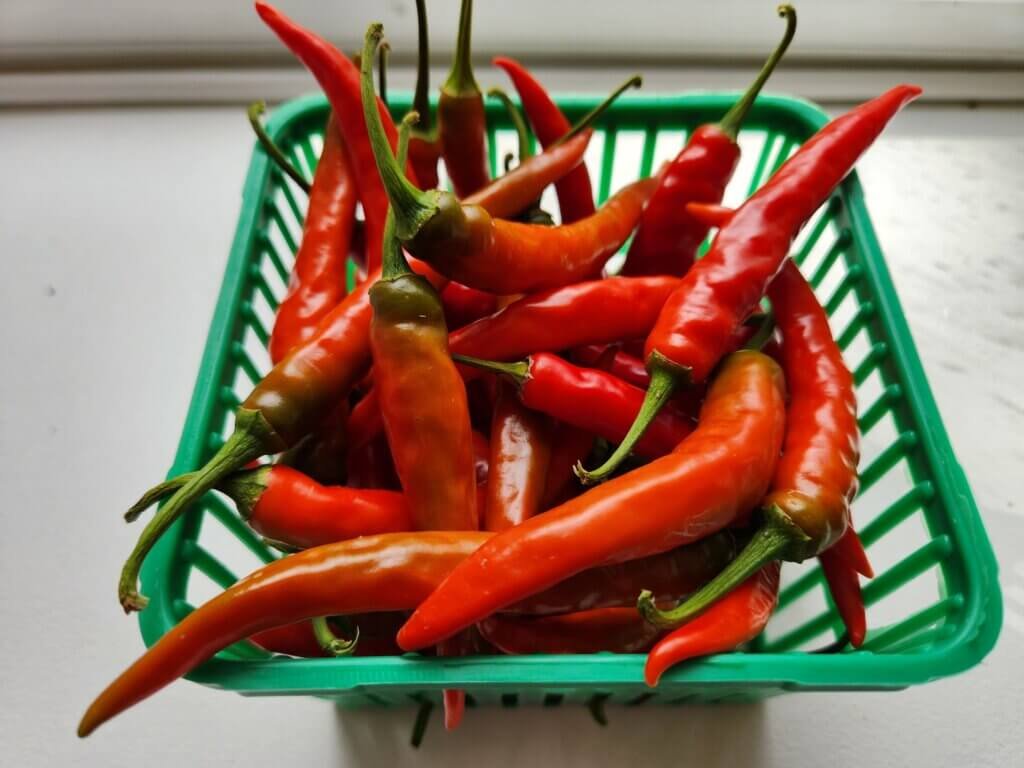
On October 5, I went through our cayenne plants and harvested every pepper that showed even a slight hint of orange or red.
Some were already partially red, while others were almost entirely green with just a tiny bit of colour beginning to develop.
I placed them all in a small basket and set it on a sunny windowsill inside our house, where the temperature stays fairly consistent at around 20–22°C (68–72°F).
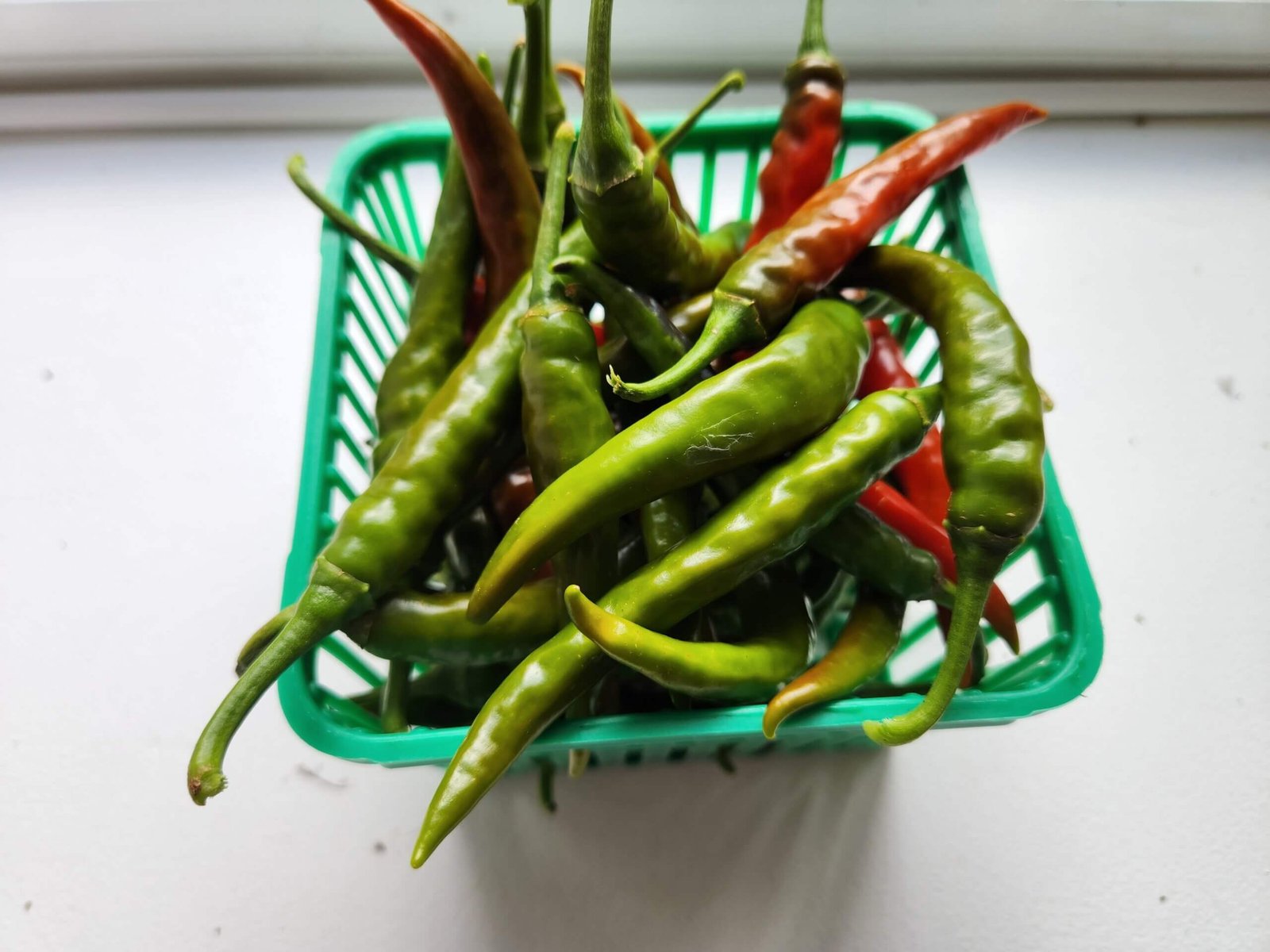
I left the peppers on the windowsill, checking their progress over the following days. No additional heat, covering, or special treatment was needed.
How Long Did My Peppers Take to Ripen Indoors?
I was surprised by how quickly the peppers started changing colour.
By October 8, just three days after harvesting, almost all the peppers in the basket had turned substantially redder. Even peppers that had barely shown any colour when I picked them were now mostly red.
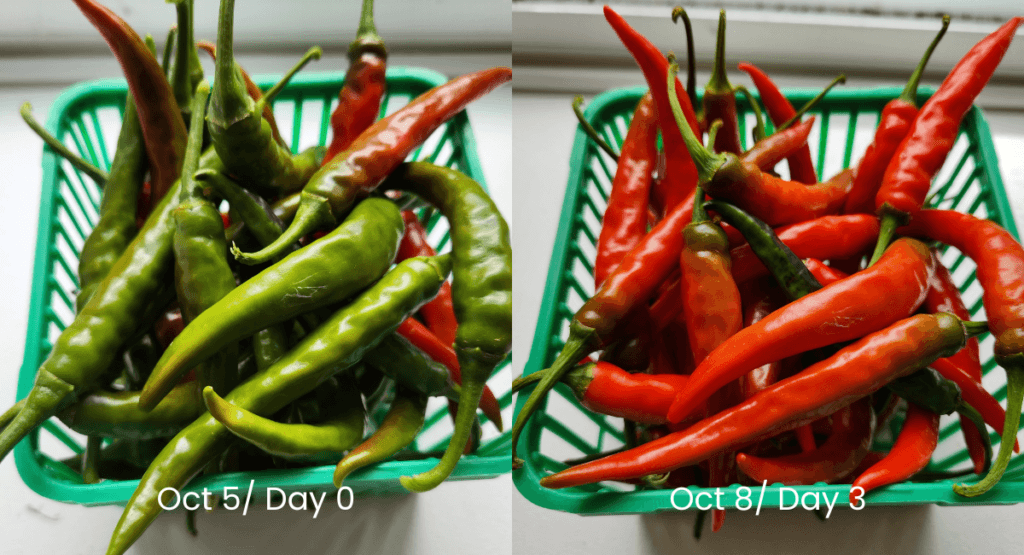
By October 12, seven days after harvesting, the peppers that had already started ripening when picked were completely red and ready to use.
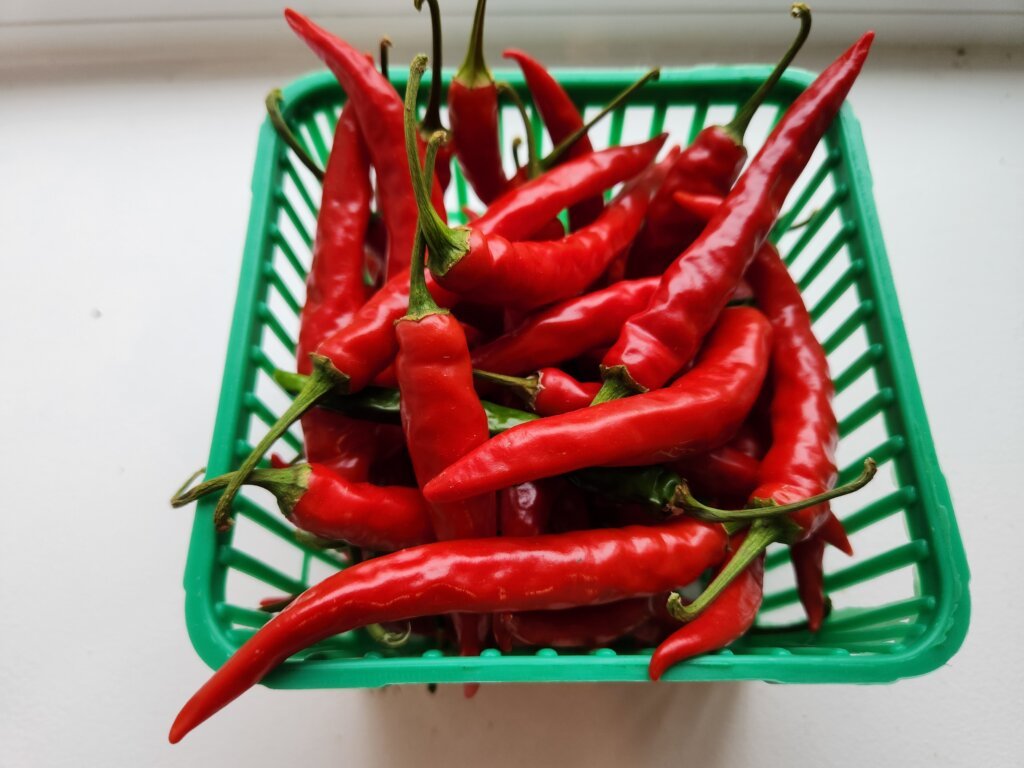
Throughout the entire process, the basket stayed on the same windowsill at room temperature (20–22°C). I didn’t need to do anything else to encourage the colour change.
What Happened to the Completely Green Peppers Indoors?
There was one interesting exception to the results.
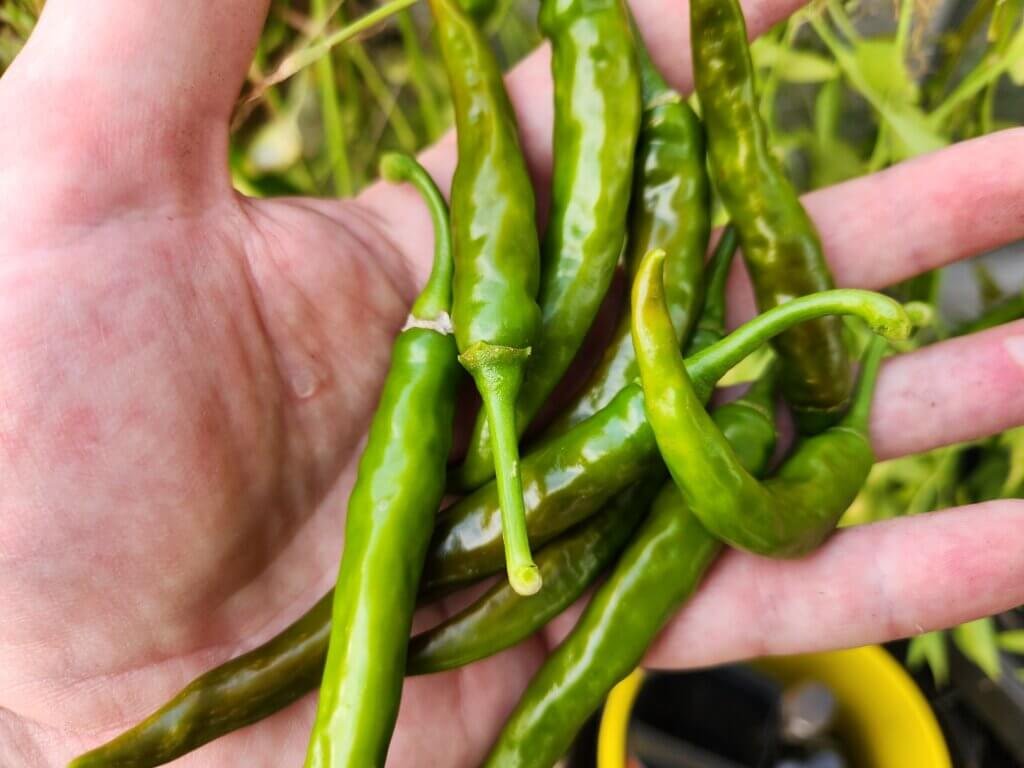
When we originally harvested the peppers, my kids accidentally picked a couple that were still completely green.
I put those peppers in the basket with the others.
While the partially ripe peppers had turned completely red within seven days, the fully green peppers my kids accidentally harvested remained green, even after nine days indoors.
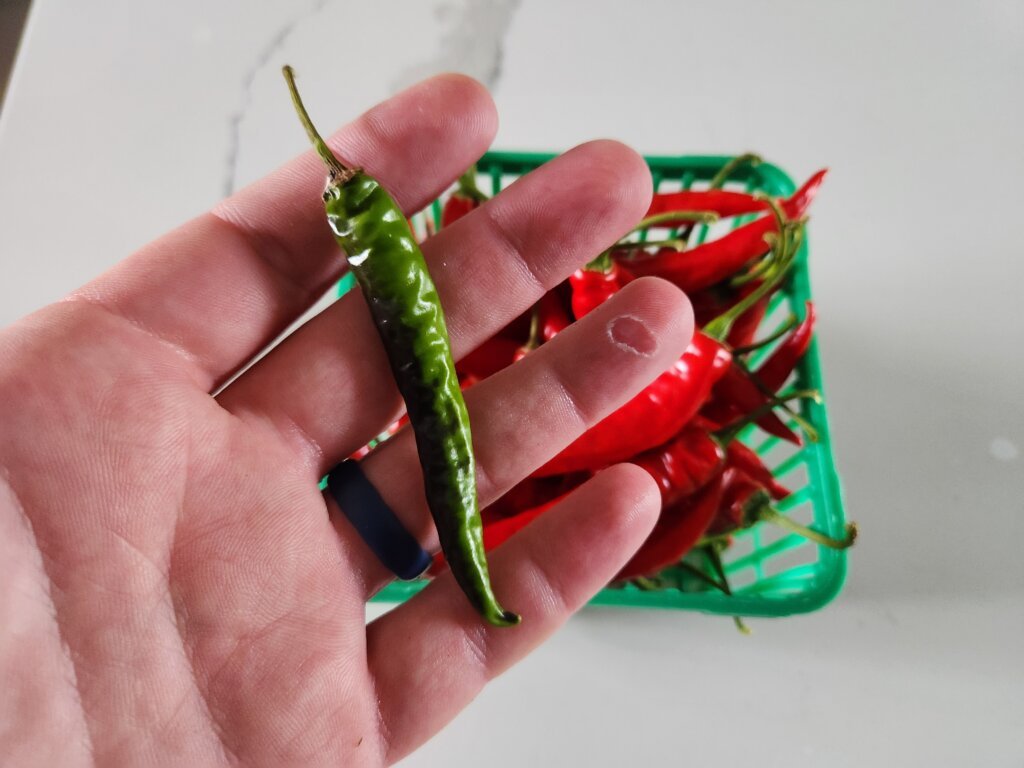
This was only a small comparison, so I wouldn’t say that completely green peppers can never change colour after picking. However, it reinforced my decision to leave most of the fully green peppers attached to their plants instead of harvesting them individually.
How to Ripen Green Peppers by Hanging the Whole Plant
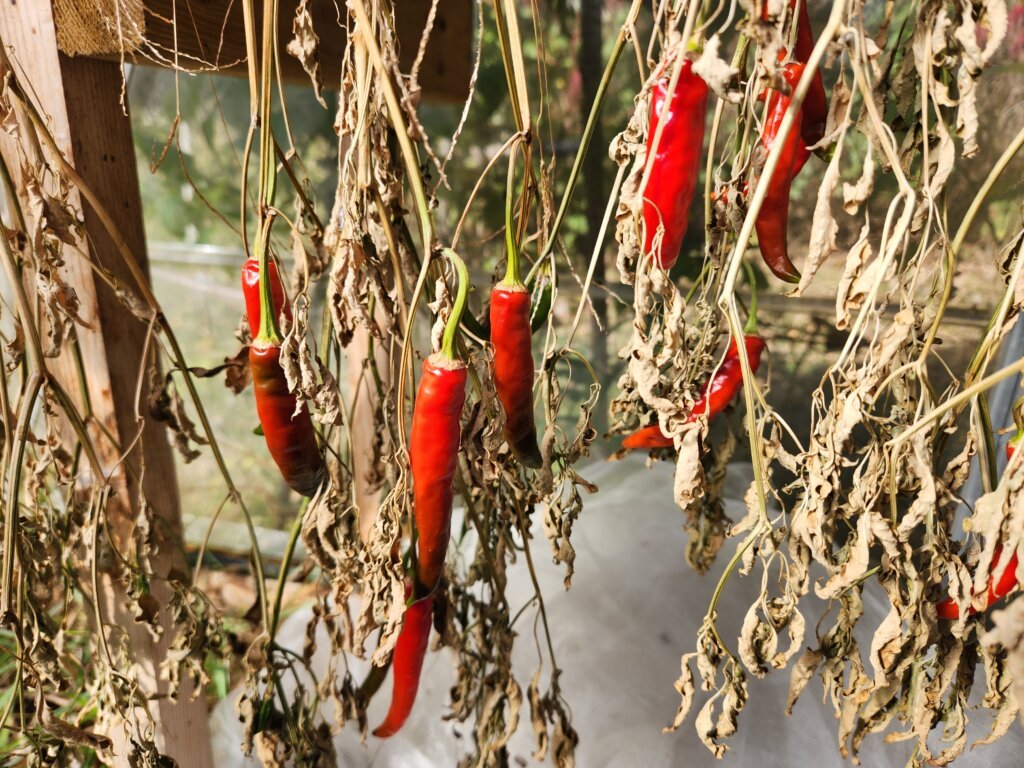
My second method involved removing entire cayenne plants from the garden and hanging them upside down in our greenhouse.
This was the method I was most curious about because many of the peppers were still completely green, and I wanted to see whether they would continue changing colour after the plants were removed from the ground.
Rather than pick those peppers individually, I decided to leave them attached.
How I Hung My Pepper Plants to Ripen
On October 5, before the expected frost, I removed the cayenne plants from our garden. For some plants, I cut the stems off near ground level. For others, I pulled the entire plant out, including the roots.
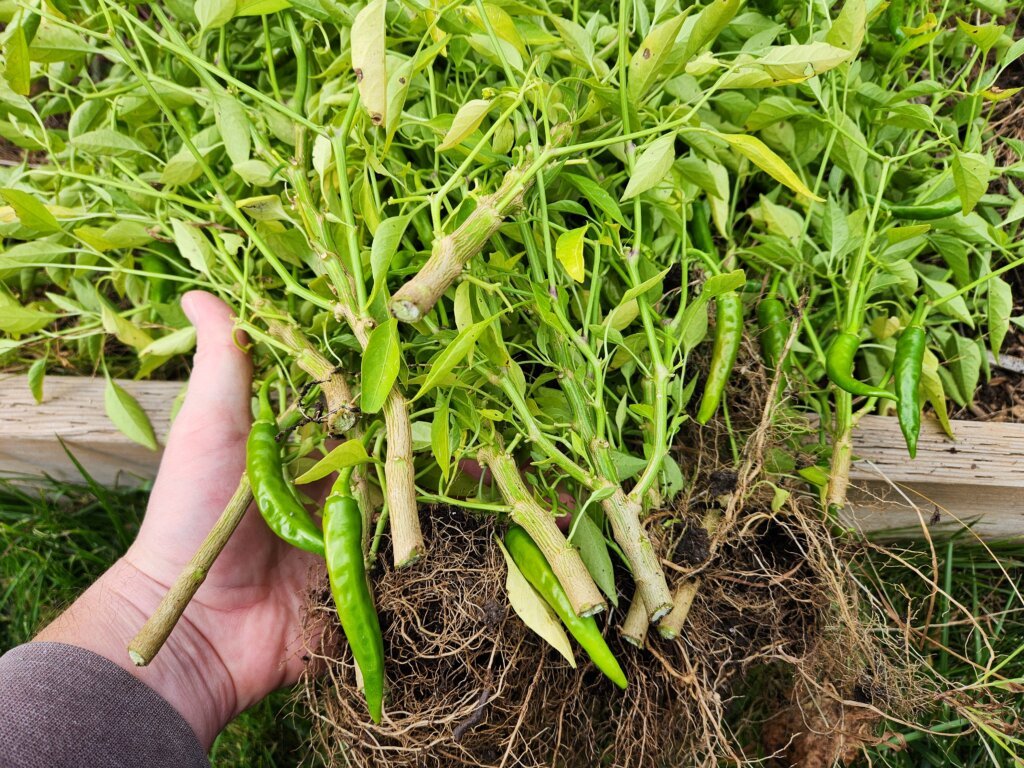
I brought the plants into our greenhouse. I secured the plants upside down along our greenhouse bench, where I could easily check their progress over the following days.
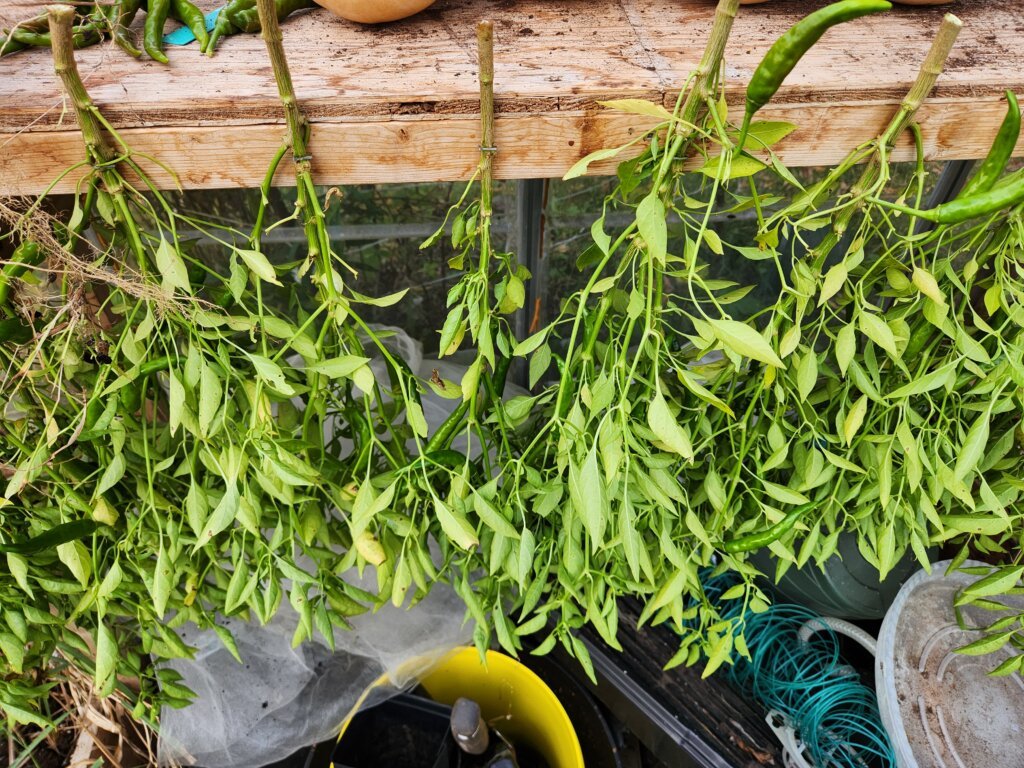
Our greenhouse has a heater that switches on when temperatures drop below 8°C (46°F). Although nighttime temperatures can still reach around 5°C (41°F), the heater protects the greenhouse from freezing.
During the day, temperatures can climb higher, especially when the sun is shining.
This is important because the peppers weren’t exposed to the same conditions they would have experienced outdoors during the frost.
Did Hanging the Pepper Plants Upside Down Actually Work?
Yes! And I was impressed with how quickly the peppers started changing colour.
When I first hung the plants on October 5, the peppers left attached were completely green. By October 8, just three days later, many had already started developing orange and red patches.
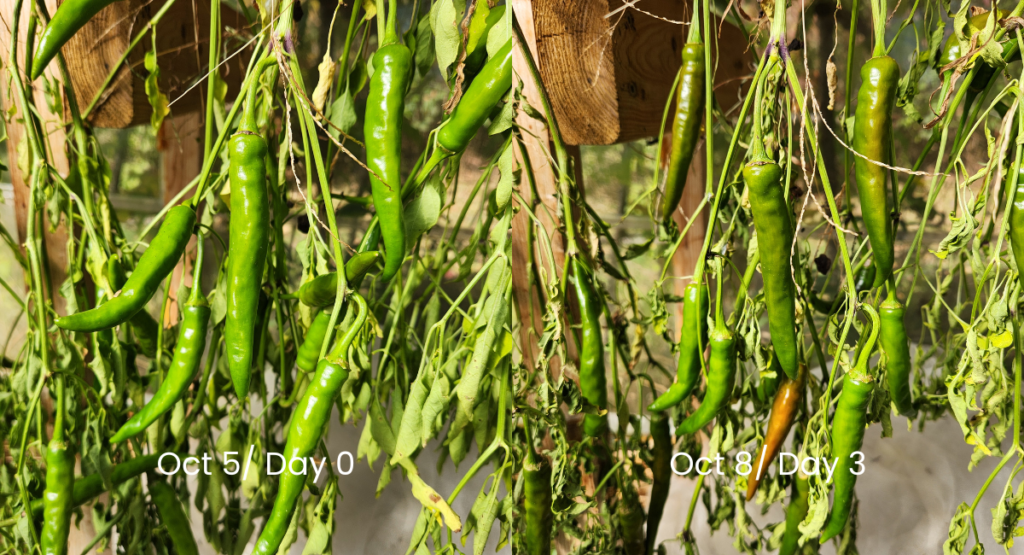
The colour change continued over the following days.
By October 12, a large number of the peppers had started turning red, and the colour change was becoming much more noticeable.
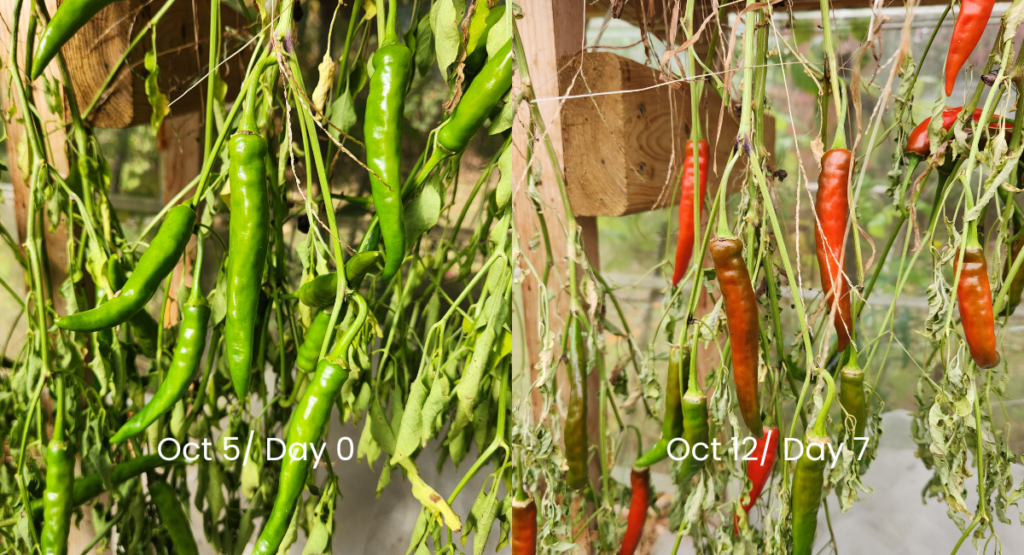
By October 14, at least half had turned completely red and were ready to harvest. I picked those peppers and left the remaining green and partially ripened peppers attached to the plants.
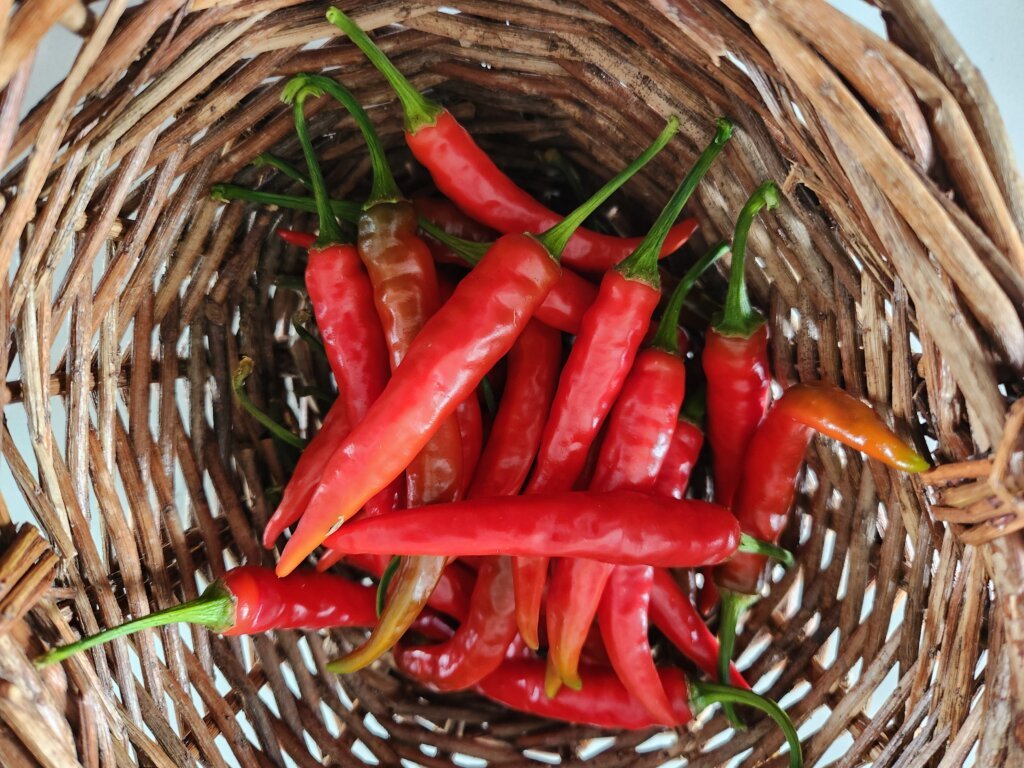
By October 20, the remaining full-sized peppers had turned red, allowing me to collect one final harvest.
Does the Greenhouse Need to Be Heated?
Our greenhouse heater helped protect the hanging pepper plants from freezing during cold October nights. However, peppers generally develop colour better in warmer conditions, and prolonged exposure to temperatures around 5°C (41°F) can damage the fruit.
If you want to try this method yourself, choose somewhere protected from frost that stays reasonably warm. An unheated greenhouse or shed may not give you the same results, especially during prolonged cold weather.
Which Method Worked Best for Ripening Peppers?
After watching both methods over the course of two weeks, I was happy with the results.
Both methods allowed me to save peppers that otherwise might have been damaged by frost.
However, I wouldn’t necessarily say one method was better than the other because I used them on peppers at different stages of maturity.
| Method | Starting Condition | Results |
|---|---|---|
| Harvested and placed indoors | Peppers already showing some orange or red | Fully red within 7 days |
| Left attached to hanging plants | Completely green peppers | Many started changing colour within 3 days; remaining full-sized peppers were red by October 20 |
| Harvested completely green | A couple of accidentally picked green peppers | No noticeable colour change during the indoor experiment |
For peppers that had already started ripening, bringing them indoors was the easiest option. For completely green peppers, leaving them attached to the hanging plants worked very well in our greenhouse.
Next year, I’ll use the same approach when frost threatens our garden. I’ll harvest the ripe and partially ripe peppers and leave the full-sized green ones attached to the plants.
As for any small, immature peppers, I wouldn’t expect them to finish ripening once the plants are removed from the garden. Those are better harvested and used green, if they’re large enough to eat.
How to Ripen Peppers Faster on the Plant
If frost isn’t an immediate concern, leaving your peppers growing on healthy plants is usually the best option. For more information on growing and caring for peppers throughout the season, check out my guide on how to grow peppers in Zone 5.
Peppers need warmth and sunlight to develop their mature colour. As temperatures drop in the fall, this process can slow considerably.
To help your peppers finish ripening:
- Keep plants warm: Protect them from unusually cold nights or move container-grown peppers to a warmer location.
- Provide plenty of sunlight: Make sure your peppers receive adequate light.
- Water consistently: Avoid allowing the plants to become severely stressed by dry soil.
- Watch the forecast: Be prepared to harvest or protect your peppers when frost threatens.
As temperatures continue dropping, even healthy pepper plants may struggle to ripen their remaining fruit before the growing season ends.
Does Putting Peppers in a Paper Bag Help Them Ripen?
You may have heard that putting green peppers in a paper bag with a banana or apple will help them ripen faster.
While this works with certain fruits, peppers generally respond much less strongly to ethylene gas. This makes the paper bag trick unreliable, especially for completely green peppers.
I didn’t test this method myself, but my partially ripe cayennes turned red without any special treatment. All I needed was a basket on our windowsill at room temperature.
Do Bell Peppers and Hot Peppers Ripen the Same Way?
The same general principles apply, but different pepper varieties may ripen at different rates. Bell peppers can mature to red, yellow, orange, or other colours depending on the variety, while hot peppers also vary considerably.
My experiment was done entirely with cayenne peppers, so I can’t guarantee that other varieties will respond the same way.
What to Do With Peppers That Won’t Ripen
Even if your peppers don’t turn their final colour, that doesn’t necessarily mean you have to throw them away.
Many green peppers are perfectly edible, although their flavour and heat can differ from fully mature peppers.
Depending on the variety, you can:
- Use them fresh in cooking.
- Chop and freeze them for later.
- Pickle them.
- Use them in suitable fermented pepper recipes.
- Make hot sauce using a recipe designed for green peppers.
For our cayennes, I prefer waiting until they’re fully red because that’s how I like to use them in our fermented hot sauce.
But if the weather or growing conditions don’t cooperate, there are still plenty of ways to use green peppers.
What I Made With Our Ripened Cayenne Peppers
The best part of this experiment was that the peppers didn’t go to waste.
With the indoor peppers and the first harvest from the greenhouse, I used them to make another batch of our homemade fermented cayenne pepper hot sauce.
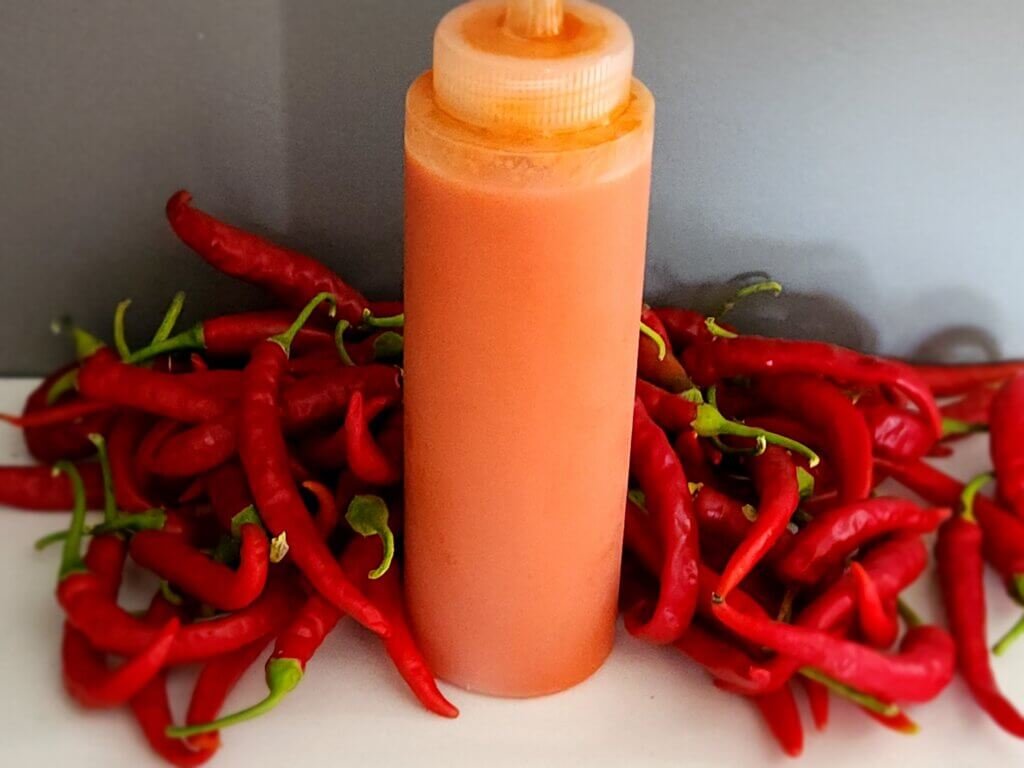
Without trying these ripening methods, I wouldn’t have had enough ripe peppers for that additional batch.
The final harvest went toward making homemade crushed red pepper flakes.
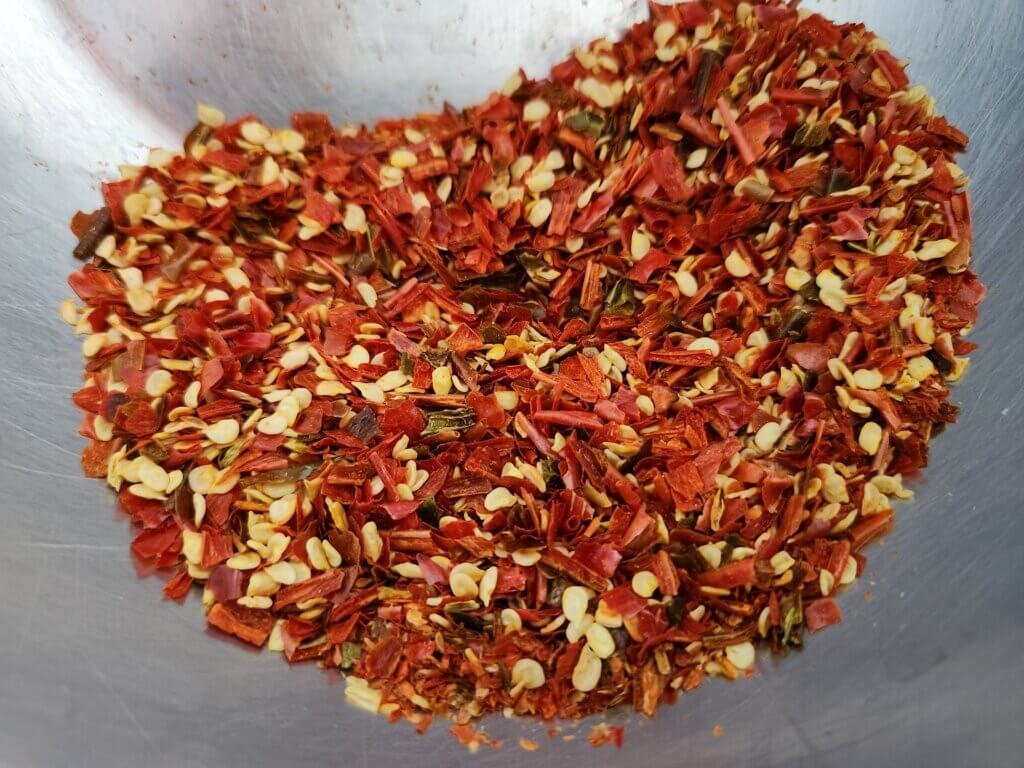
Between the extra hot sauce and the red pepper flakes, we managed to get much more out of our cayenne plants than I originally expected when that frost warning arrived.
Final Thoughts: Is It Worth Trying to Ripen Peppers Before Frost?
Based on my experiment, absolutely!
What started as an attempt to save our cayenne peppers from an early frost turned into two additional harvests that I was able to use for fermented hot sauce and homemade red pepper flakes.
If frost is approaching and your peppers are still green, don’t assume your harvest is finished. Whether you bring partially ripe peppers indoors or hang entire plants in a protected location, you may be able to save more of your crop than you think.
Have you ever tried ripening peppers indoors or hanging whole pepper plants upside down? Let us know in the comments what worked for you!