Gardening in Zone 5b comes with a few challenges. Spring can stay cold longer than expected, late frosts happen more often than gardeners would like, and the growing season is shorter than in warmer climates.
Because of this, timing matters. Plant something too early and frost can wipe it out. Plant something too late and it may not have enough time to mature before fall.
This Zone 5b gardening guide walks through what to focus on during each stage of the season. From early spring seed starting to mid-summer harvesting and fall cleanup, it helps you know what to plant and what to work on as the weeks go by.
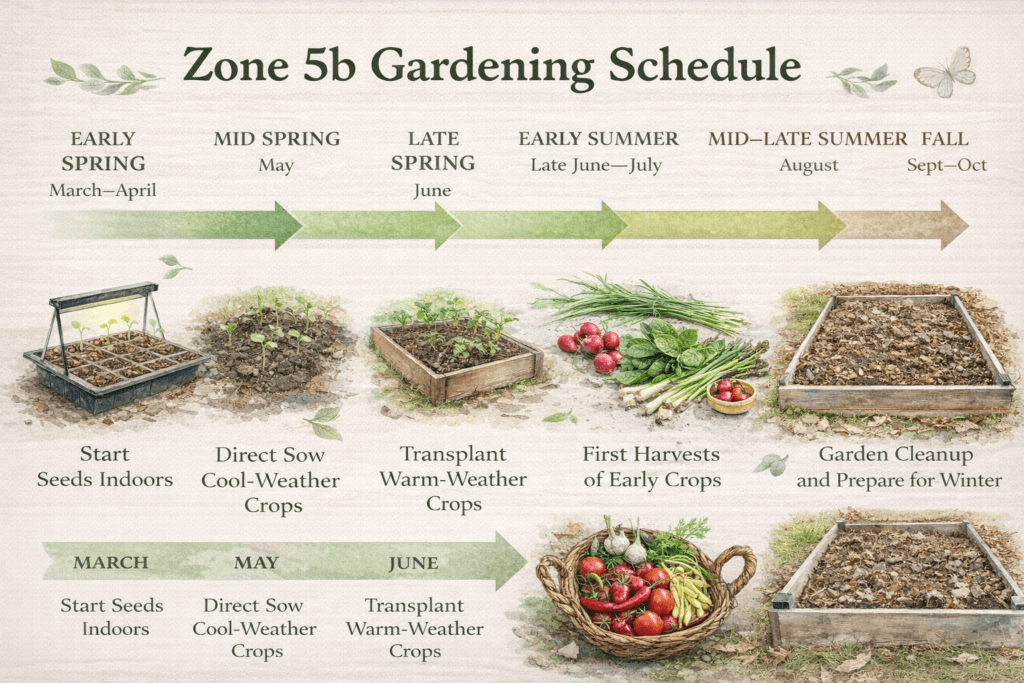
Instead of guessing what should be happening in the garden, you can follow a simple seasonal rhythm and stay on track throughout the year.
Before the season begins, it is also worth thinking about which plants are actually worth starting from seed. Some crops simply grow better when purchased as seedlings. If you are unsure which ones those are, this list of plants we will never grow from seed again can help you avoid a few common frustrations.
Quick Reference Zone 5b Planting Chart
If you want a simple version you can save or print, I put together a one-page Zone 5b planting chart that we use when we’re planning our garden. It shows when to start seeds indoors and when to direct sow common crops based on our growing season.
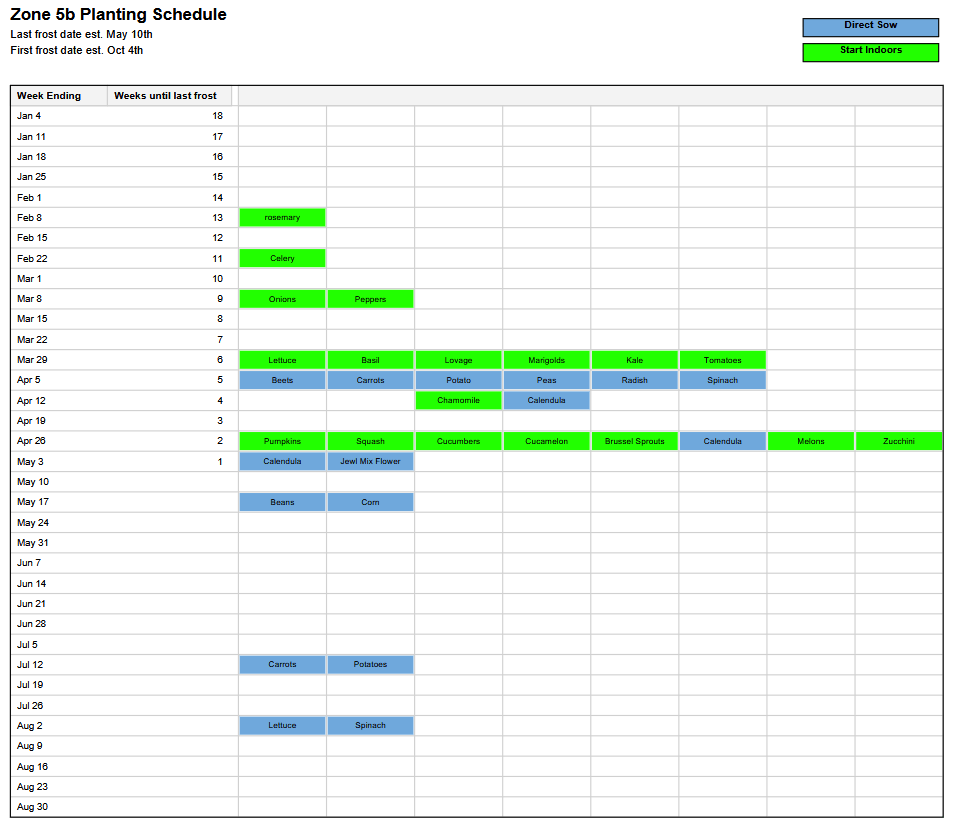
Download the printable Zone 5b planting chart here
Early Spring Gardening Tasks (Zone 5b)
In Zone 5b, early spring gardening tasks typically begin in March and continue through mid-April, depending on how quickly the soil begins to warm.
Early spring is mostly about planning and preparation. The ground is still cold, and most planting will happen later, but the work you do now sets up the entire season.
Start by planning your garden layout. Decide what crops you want to grow and roughly how many plants of each variety you will need. If you are trying to grow as much food as possible, it helps to think about how productive each crop is and how much your family actually eats. We often plan our beds around crops that give the most food for the space.
If you are still deciding what to grow, it can help to think about which plants give the best dollar value from the garden. Some vegetables save far more money than others.
Once the plan is in place, order any seeds you still need. Early spring is when seed companies begin running low on popular varieties, so it is better to order sooner rather than later.
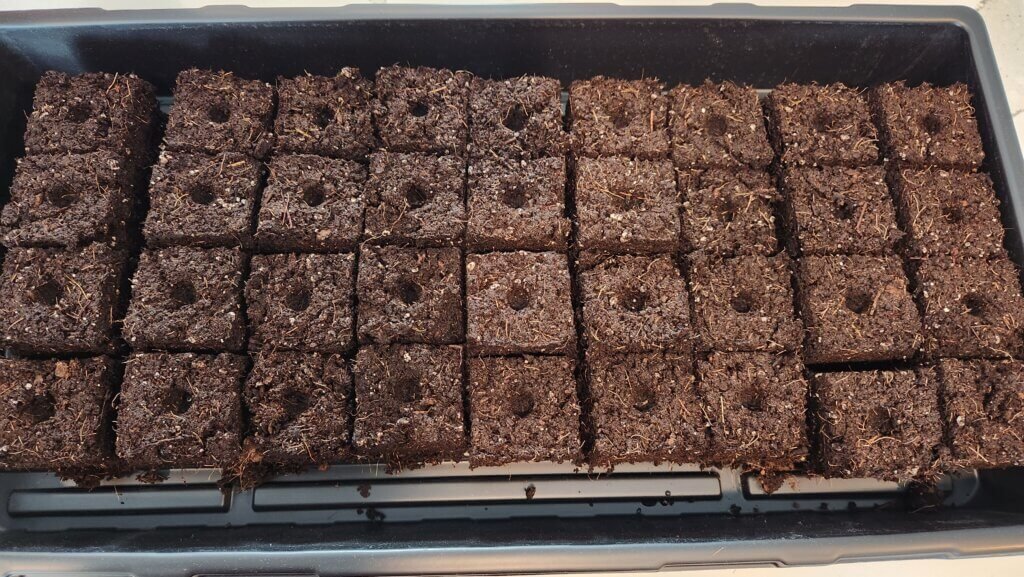
This is also the time to prepare your seed starting supplies. Many gardeners make their own seed starting mix or purchase a quality one from a garden center.
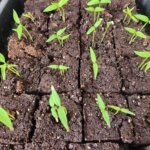
Several slow-growing crops should be started indoors during this time. Herbs like rosemary and thyme take a long time to grow from seed, so getting them started early helps them reach a useful size by summer. Other slow growers include peppers, onions, leeks, celery, and chives.
If you want a rough guideline for planting dates, the Farmer’s Almanac planting calendar is a helpful starting point. It gives general timing based on frost dates and your climate zone.
Mid-Spring Gardening Tasks (Zone 5b)
Mid-spring in Zone 5b usually runs from mid-April through mid-May, when the soil starts warming and cool-season crops can be planted outdoors.
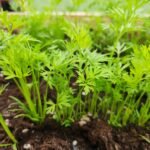
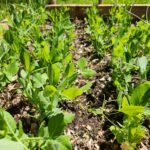
This is the time to direct sow vegetables that prefer cooler weather. Crops like lettuce, spinach, kale, peas, carrots, and potatoes grow best before the heat of summer arrives. Planting them early helps them mature while temperatures are still mild. Check out our 5 Vegetables to Direct Sow In March.

Direct sowing is often the easiest way to grow these vegetables. Seeds can be planted straight into the soil, where they will germinate as soon as conditions are right.
Fast growing crops like radishes, spinach, and lettuce can also be planted every few weeks. This practice is called succession planting, and it helps extend the harvest instead of having everything ready at once.
Mid-spring is also the time to start many warm-season plants indoors. Tomatoes and basil are good examples. Starting them inside gives them several extra weeks of growth before they are transplanted outside.
If you start seeds indoors regularly, methods like soil blocking can make the process easier and reduce the need for plastic containers.
About a week or two before the last frost date, you can also start crops like pumpkins, zucchini, cucumbers, and other squash indoors if you want to give them a small head start.
While seeds are growing, spend some time preparing the garden beds. Add compost, manure, or fertilizer to refresh the soil after winter. If you planted cover crops, this is the time to remove them or cut them back. Beds that were mulched through winter may need a quick cleanup before planting begins.
Good soil preparation now makes planting easier later.
Late Spring Gardening Tasks (After Last Frost)
Late spring in Zone 5b generally falls between mid-May and June, once the danger of frost has passed and warm-season crops can be planted outside.
Once the risk of frost has passed, most warm-season crops can finally move outdoors.
By this time, many cool weather crops are already growing well. Fast crops like radishes, spinach, and lettuce may even be ready to harvest.
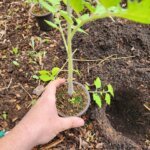
Seedlings started indoors earlier in the season can now be transplanted into the garden. Tomatoes, peppers, basil, and other heat-loving plants should begin growing much faster once they are outside in full sun.
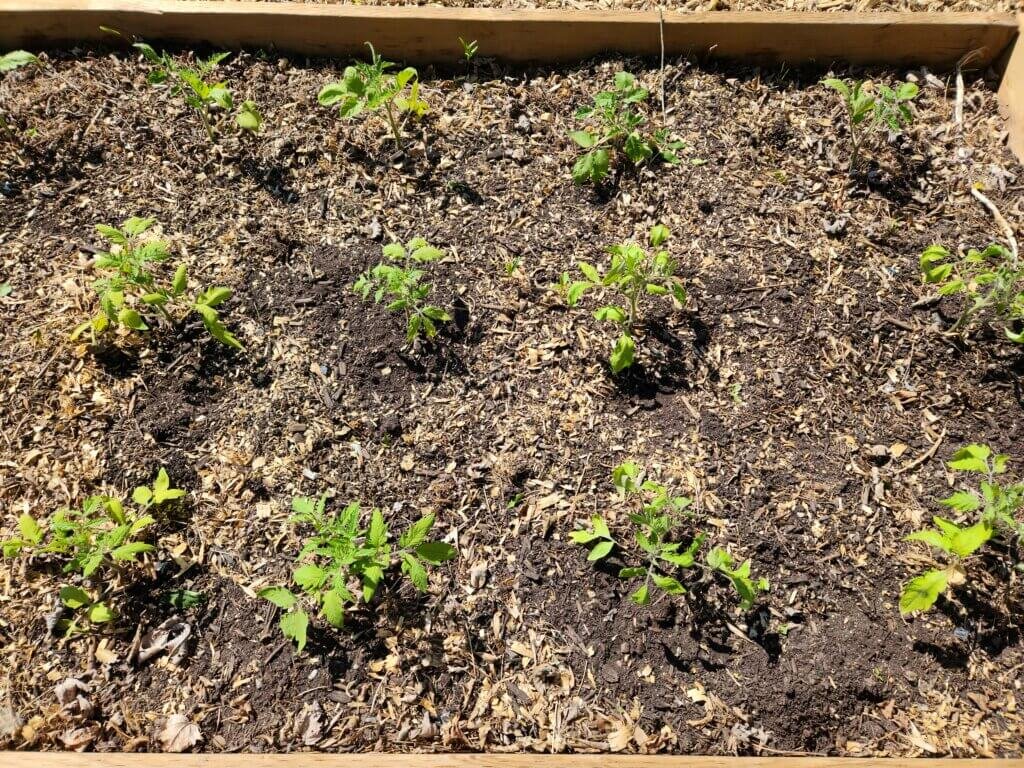
If you chose not to start certain crops indoors, many of them can still be direct sown at this stage. Beans, cucumbers, squash, and corn are often planted directly into the garden once soil temperatures are warm enough.
As temperatures begin rising, some cool weather crops may struggle with the heat. Shade cloth can help keep soil temperatures lower and slow down bolting in crops like lettuce and spinach.
Mulching garden beds is also helpful during this stage. A layer of straw, leaves, or grass clippings helps hold moisture in the soil and keeps weeds from taking over.
Early Summer Gardening Tasks (Zone 5b)
Early summer in Zone 5b typically begins in late June and continues through July, when the first steady harvests start coming from the garden. This is when the garden begins to produce steady harvests.
Many root crops planted earlier in the season will start reaching maturity. Carrots, beets, and kale often become ready for harvest during this time. Greens may continue producing for several weeks if they are harvested regularly.

This is also the stage where garden maintenance becomes more important. Plants grow quickly in warm weather, which means weeds grow quickly too. Regular weeding, watering, and checking plants for pests helps keep the garden healthy.
It is also a good time to keep an eye on plant growth and make small adjustments if needed. Tomatoes may need staking or trellising, and sprawling plants like cucumbers or squash may need space to spread.
The garden begins to feel full at this point, but the work is mostly about maintaining what you already planted.
Mid to Late Summer Gardening Tasks
Mid to late summer in Zone 5b usually spans August through early September, when warm-season crops begin producing their largest harvests.
Tomatoes often begin ripening around mid to late July in Zone 5b. Peppers, cucumbers, beans, and squash also start producing regularly during this period.
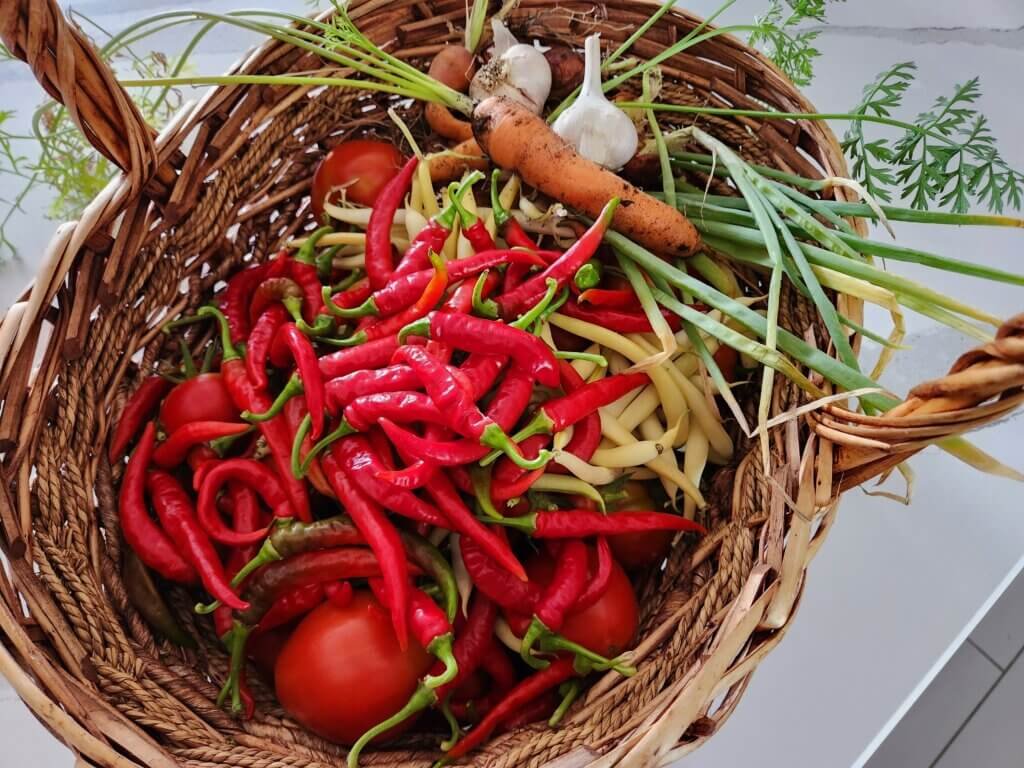
At the same time, many early spring crops will begin to fade. Lettuce, spinach, and other cool weather vegetables often bolt once temperatures become consistently warm.
When this happens, it is a good opportunity to remove those plants and prepare the space for fall crops.
Many gardeners plant a second round of vegetables during late summer. Crops like lettuce, spinach, kale, and radishes grow well in the cooler temperatures of fall. Planning a fall garden allows you to keep harvesting long after summer crops slow down.
Fall Gardening Tasks (Zone 5b)
Fall gardening in Zone 5b generally takes place from September through October, as summer crops wind down and beds are prepared for the next season.
Gardening in fall is quieter but still important.
As temperatures begin to drop, many summer crops will start slowing down or dying back. When plants are finished producing, remove them from the garden to keep beds clean and reduce disease problems.
Some gardeners leave certain plants in place longer if they are still producing, especially cold tolerant crops like kale.
Fall is also a good time to add compost to the garden and lightly prepare beds for the following year. Organic matter added in fall has time to break down slowly over winter.
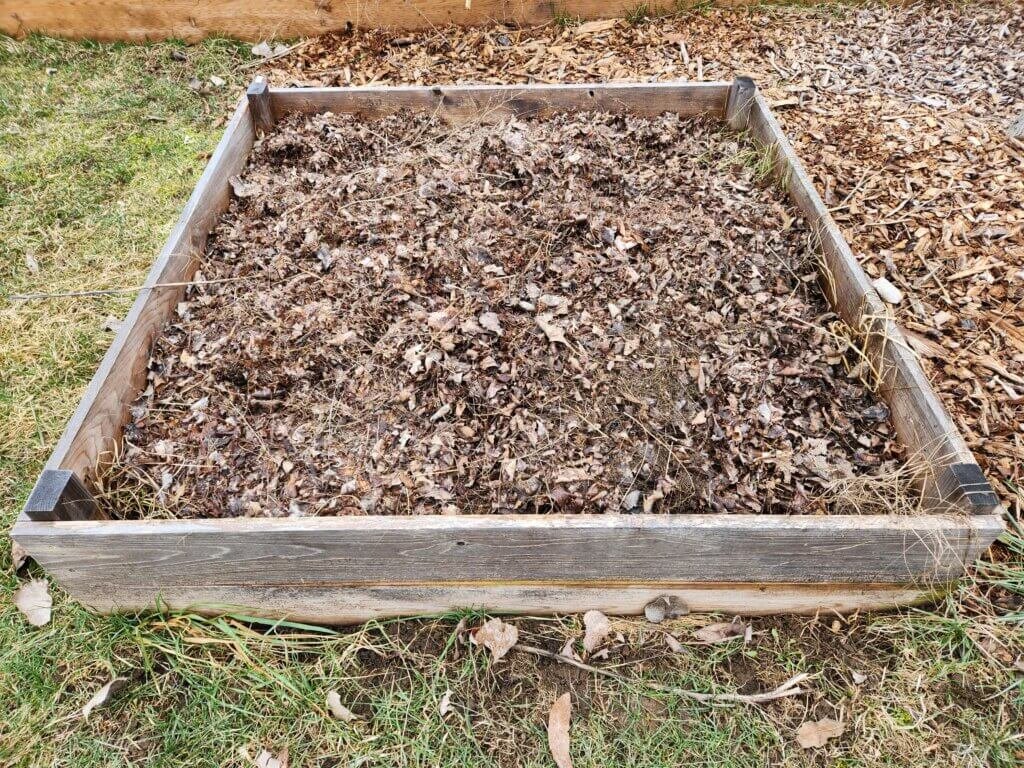
Even though the season is ending, the work done now helps make next spring easier.
Winter Gardening & Planning Tasks
In Zone 5b, winter gardening and planning typically runs from November through February, when most outdoor growing pauses and gardeners focus on planning for the next season.
Many gardeners keep notes on what worked well during the year and what they would like to change next season. These notes can be surprisingly helpful when planning the next garden.
One thing we like to track is how much food we preserved. For example, how many jars of tomato sauce we canned, or how many garlic bulbs we harvested.
Knowing how much food you started the winter with helps you decide how much to grow next year. If you ran out early, you may want to plant more. If you had extra left over, you may want to reduce that crop.
Winter is also a good time to experiment with methods like winter sowing, which allows some seeds to begin growing outdoors long before spring arrives.
Zone 5b Planting Calendar FAQs
In Zone 5b, the average last frost date typically falls between May 10–20, though this can vary slightly year to year. Always keep an eye on local forecasts before planting frost-sensitive crops.
Zone 5b is well suited for a wide range of vegetables, including lettuce, spinach, peas, beans, carrots, beets, tomatoes, peppers, squash, and garlic. Cold-hardy crops thrive early in the season, while warm-season crops do best after the last frost.
Most seeds in Zone 5b are started indoors 6–10 weeks before the last frost, depending on the crop. Tomatoes and peppers are typically started earlier, while fast-growing greens can be direct sown outdoors.
Yes. Many Zone 5b gardeners use hoop houses, row covers, cold frames, and greenhouses to protect plants from frost and extend the growing season by several weeks in spring and fall.
Weekly tasks in Zone 5b change throughout the season. Early spring focuses on seed starting and planning, late spring on transplanting, summer on maintenance and harvesting, and fall on cleanup and soil preparation.
Outdoor gardening is seasonal in Zone 5b, but with protection and indoor growing methods, many gardeners grow greens, herbs, and seedlings year-round.
Use soil temperature, local forecasts, and plant hardiness as guides. When in doubt, err on the side of protection using row covers or temporary structures.
Conclusion
Gardening in Zone 5b becomes much easier when you focus on the right tasks at the right time.
Instead of trying to do everything at once, each season naturally brings its own priorities. Early spring focuses on planning and seed starting. Late spring is about planting. Summer shifts toward maintenance and harvesting. Fall prepares the garden for the next year.
By following a simple seasonal rhythm, you can make the most of the growing season and avoid much of the stress that comes from guessing what to do next.
As we continue building DBS Farm Wilson, we are always adding new growing guides, seed saving resources, and seasonal gardening tips. If you are gardening in Zone 5b and have questions about your garden this season, feel free to leave a comment and share what you are growing this year.
Happy gardening.