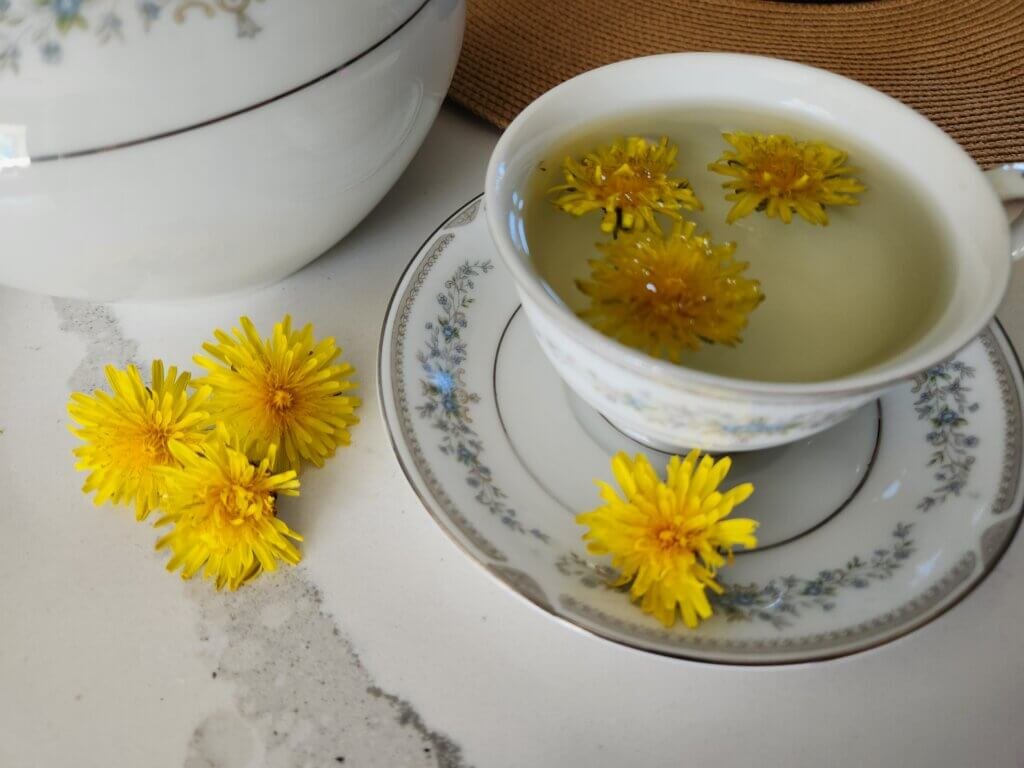
Every spring our yard turns bright yellow with dandelions, and instead of seeing weeds, I’ve started seeing one of the easiest free herbal teas to make at home.
Dandelion flowers are just one useful part of the plant. The leaves, flowers, and roots have all been used for food, herbal remedies, and homestead projects for generations. Read our complete guide to dandelions.
Dandelion flower tea is caffeine-free, simple to make, and packed with natural plant compounds and antioxidants.
In this article, we’ll cover the benefits of dandelion flower tea, how to make it properly, and a few things you should know before harvesting your own flowers.
This post may contain affiliate links. If you use these links to buy something we may earn a commission. Thanks.
Quick Answer: Benefits of Dandelion Flower Tea
Dandelion flower tea is a caffeine-free herbal tea traditionally used to support digestion, hydration, and overall wellness. Dandelion flowers contain antioxidants and plant compounds that may help support the body’s natural inflammatory response and provide gentle digestive support.
What Is Dandelion Flower Tea?
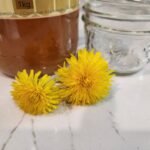
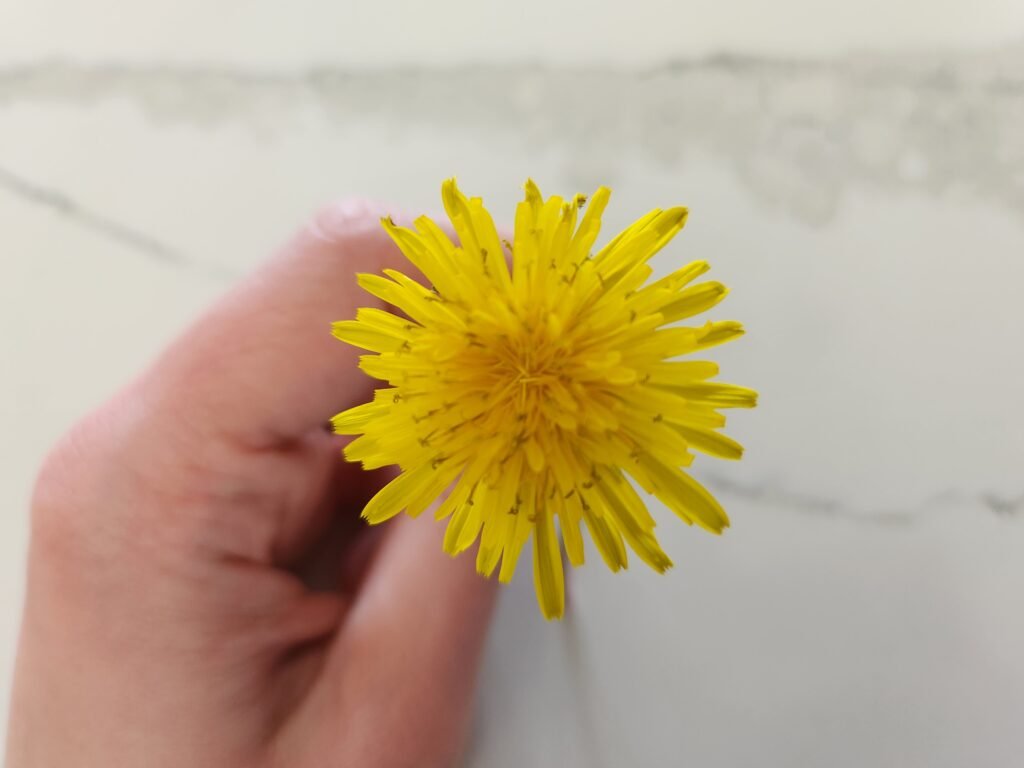
Dandelion flower tea, is simply the infusion of yellow dandelion flower petals into hot water to make a tea.
Unlike the roots, which are commonly used in tinctures and herbal coffee substitutes, the flowers create a lighter floral tea.
The fully open, new flowers provide a floral, fresh and slightly bitter tasting tea (especially more so when using dried flowers), but combined with a natural sweetener like honey, the caffeine-free tea is an excellent medicinal herbal infusion to add to your rotation.
Dandelion Flower Tea vs Dandelion Root Tea
Dandelion flower tea is very different from dandelion root tea – while they are from the same plant and are both bitter, their benefits are different. This chart below helps explain the benefits between them:
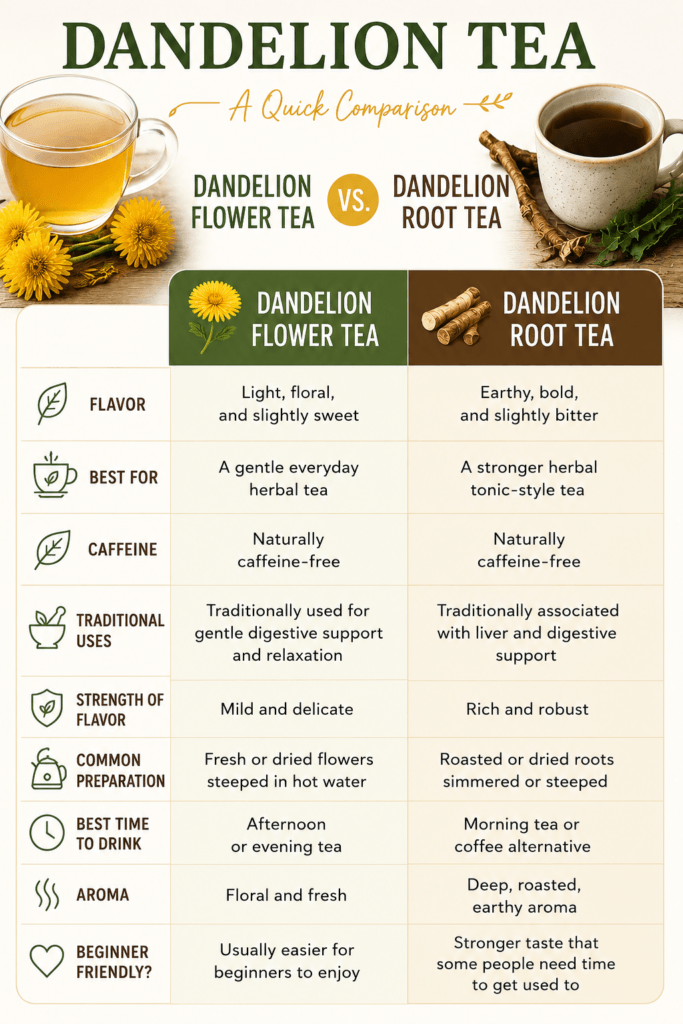
While dandelion flower tea is light and floral, dandelion root tea has a much deeper, earthier flavor and is more commonly associated with traditional herbal wellness practices. You can learn more in our full guide to dandelion root benefits.
Benefits of Dandelion Flower Tea
Like with the benefits of dandelion roots, dandelion flowers also have those benefits, just to a milder effect.
1. Rich in Antioxidants
Dandelion flowers contain natural plant compounds like polyphenols and flavonoids, which are known for their antioxidant properties. Antioxidants help protect the body from oxidative stress, a natural process that can damage cells over time.
Traditionally, dandelion has been associated with overall wellness and herbal support. With modern research now suggesting the flowers may contain beneficial compounds that help support the body’s natural inflammatory response.
- Thyme also has flavonoids compounds amongst others to be rich in antioxidants and support the body – read about thyme’s medicinal benefits here.
2. Traditionally Used to Support Digestion
Dandelion’s biggest benefit is that it’s a diuretic – which means it helps eliminate excess waste. Excess water in particular with dandelion flowers, think of edema, bloating, etc.
The bitter compounds in found in dandelions are what helps make it diuretic, and the bitters are how it’s traditionally been used to support digestion. It common for people to consume bitters before meals to aid in this.
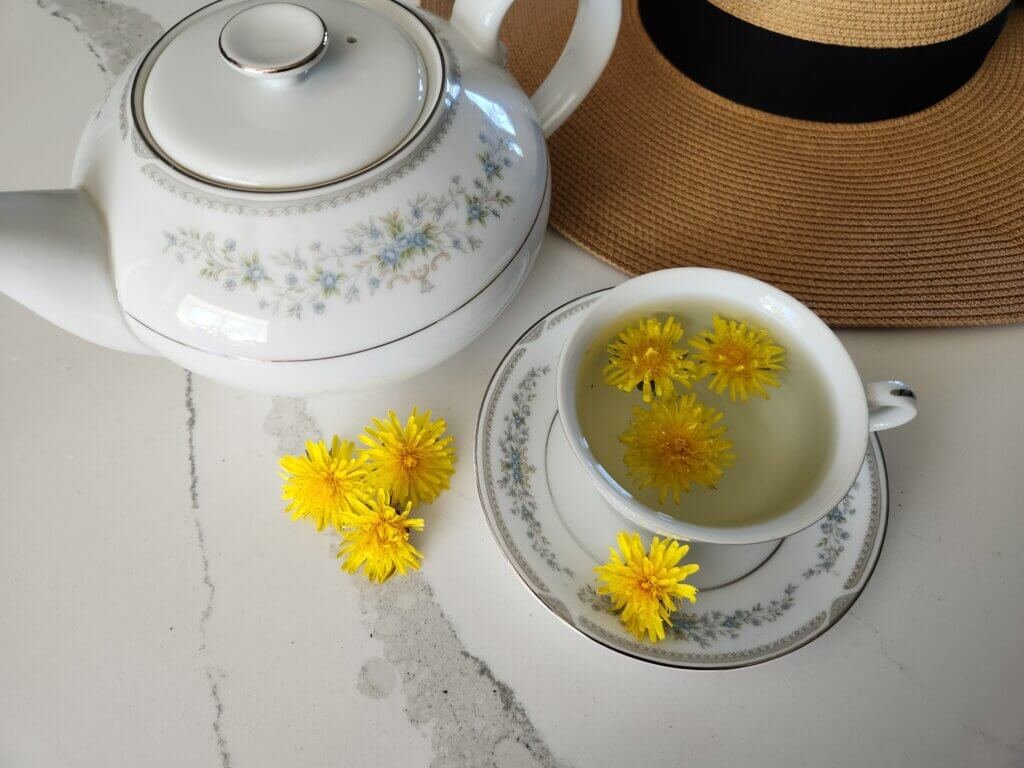
In fact, my children love to come home, pick some fresh dandelion flowers, make a tea and drink it in a beautiful vintage teacup and saucer while I make dinner. It’s become a lovely ritual prior to dinner — and it gives them a beginners insight into herbal remedies.
- Dandelion root tinctures are also extremely helpful in supporting digestion and detoxing – learn how to make a dandelion root tincture here.
3. Naturally Caffeine-Free
The dandelion plant does not produce caffeine. Making it an excellent evening herbal tea as well.
I discussed above how it aids in digestion and elimination, having it in the evening too can help support your system overnight.
4. May Help Support the Body’s Natural Inflammatory Response
Traditionally, herbalists used dandelions to also support inflammatory responses in the body, it’s been shown in modern research to have antioxidants. But it’s also been shown to have anti-inflammatory compounds as well. Aligning with how people have used dandelions for centuries.
Fun note: There’s an ‘Amish Advil’ remedy I’ve been working on that combines rosemary, apple cider vinegar and dandelions. Article coming out about that soon – stay tuned!
5. A Simple Way To Use Spring Dandelions
Lastly, one of the best benefits of dandelion flower tea, is utilizing a free medicinal plant found in your own yard.
Dandelion flower tea is just one way to use this surprisingly versatile plant. Learn more about the flowers, roots, leaves, pollinator benefits, and traditional uses of dandelions.
It’s beautiful, aligning your body with the seasons. I find that once I start using the blooming nature around me in the season, it increases its medicinal benefits.
Drinking dandelion flower tea in the spring helps my digestion as we leave the heavier meals and colder days behind and instead start enjoying fresh herbs and produce and more sun.
What Does Dandelion Flower Tea Taste Like?
Fresh dandelion flower tea has a fresh, floral, mildly bitter taste.
Dried dandelion flower tea has a floral, slightly more bitter taste, but still light.
Both the dried and fresh dandelion flower teas don’t feel as ‘earthy’ or ‘heavy’ as many other herbal teas can taste.
The fresh floral taste combined with local, raw honey hides the bitter taste while providing all the benefits. Sometimes I also add little bit of lemon juice (because hot water, lemon and honey taste great together as a tea), but it also helps with the bitter flavour and turns it that much fresher.
Fresh vs Dried Dandelion Flowers
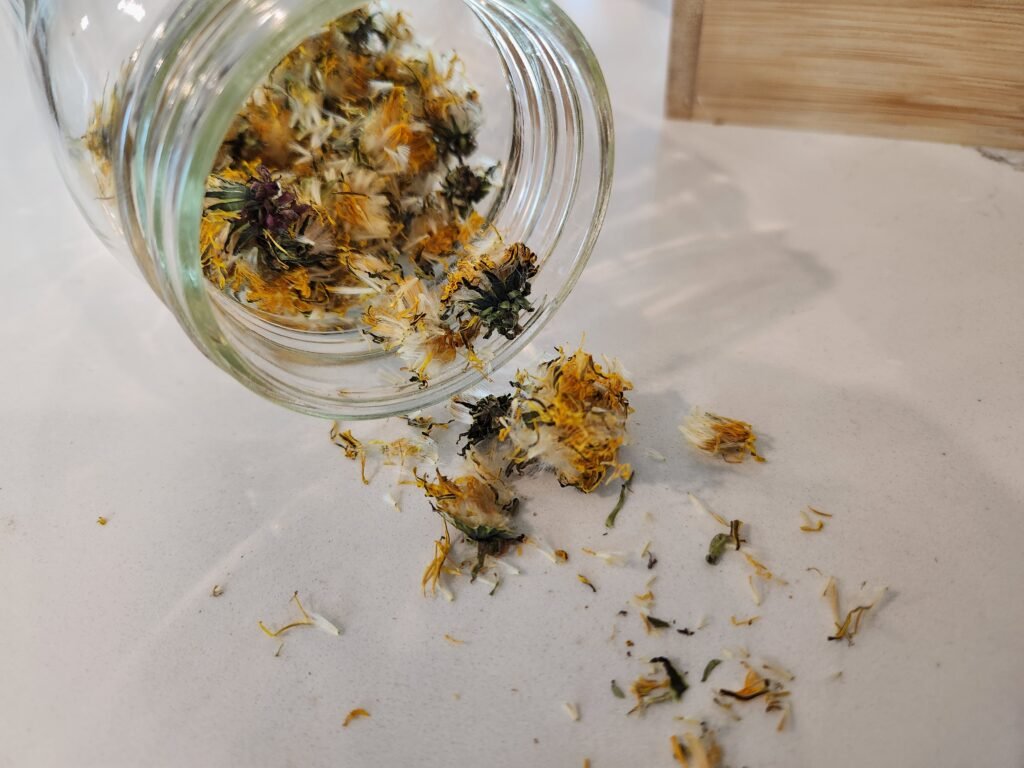
When it comes to using dandelion flowers, I tend to pick an abundance of flowers one day, then use my dehydrator to dry them and store for the season.
If you’re interested in preserving other parts of the plant, dandelion roots can be harvested and made into a dandelion root tincture for year-round use.
Then I’ll make my own easy and simple homemade tea bags with dandelions and other herbs I’ve collected to quickly have on hand.
Fresh dandelion flower tea is also very popular, simply going outside, picking the blooms, washing then adding to hot water and steeping will do the trick. It’s truly a personal preference.
How To Make Dandelion Flower Tea
Making a dandelion flower tea is as simple as it sounds, the key to medicinal teas is the steeping process. The longer the tea sits in the covered container of hot water, the more medicinal and infused the water becomes.
For one mug of dandelion flower tea:
- approximately 1/4 cup dried dandelion flower heads (can be less, I wouldn’t recommend more)
- Full mug of hot water
- Fill the mug with the water and the dandelion flowers
- Cover the lid of the mug for at least 7-10 minutes to allow for steeping
- Remove lid and add honey or lemon if desired for taste
Best Time To Harvest Dandelion Flowers
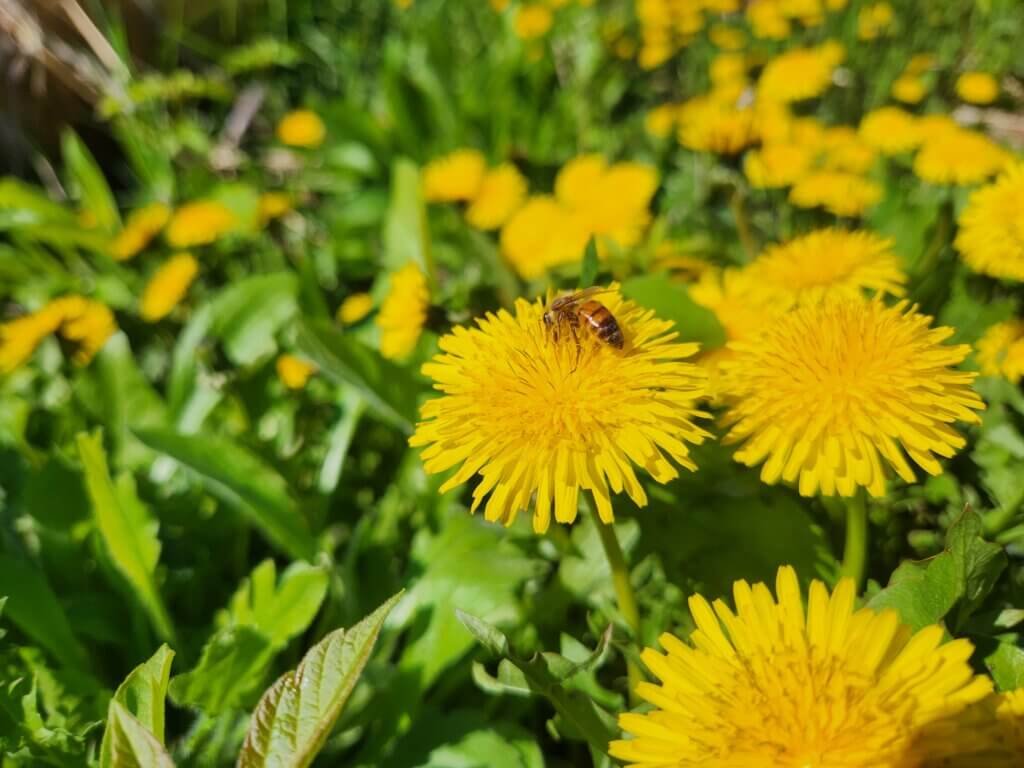
The best time to harvest dandelion flowers is in the morning-afternoon on a sunny day. This time of the day the dandelion flowers will be fully opened, dried and ripe of the picking.
Unlike the dandelion roots, you can harvest dandelion flowers for tea throughout the season, spring until fall.
It’s important to note not to forage or harvest dandelions that have been sprayed with pesticides or along the roads. Always forage from a safe, natural place – in your garden or personal unsprayed yard is ideal.
Dandelion Flower Tea Side Effects and Precautions
Dandelion flower tea is generally considered safe for most people when enjoyed in moderation. However, some people may experience allergic reactions, especially if they are sensitive to plants in the daisy or ragweed family.
Because dandelion has traditionally been used in herbal wellness practices, it may also interact with certain medications, including diuretics or medications related to blood sugar levels. If you are pregnant, breastfeeding, or taking prescription medications, it’s always best to speak with a healthcare professional before adding large amounts of herbal teas to your routine.
If you’ve never tried dandelion flower tea before, start with a small amount to see how your body responds.
Final Thoughts
Dandelion flower tea is one of the simplest ways to turn a common backyard plant into something useful and comforting. Whether you enjoy it for the traditional herbal benefits or simply as a caffeine-free spring tea, it’s an easy recipe that helps reconnect you with the season around you.
If you’re on a medicinal herbal journey at home, you can explore all of our hands-on advice in our Natural Remedy Guides, based on what actually works here on our homestead.
We are growing our website with more articles all the time, and we invite you to grow with us. If you have any questions about dandelion tea or would like to share some of your knowledge with us please leave a comment below. Happy Gardening!